Croatia Sailing Holidays: Islands & Routes
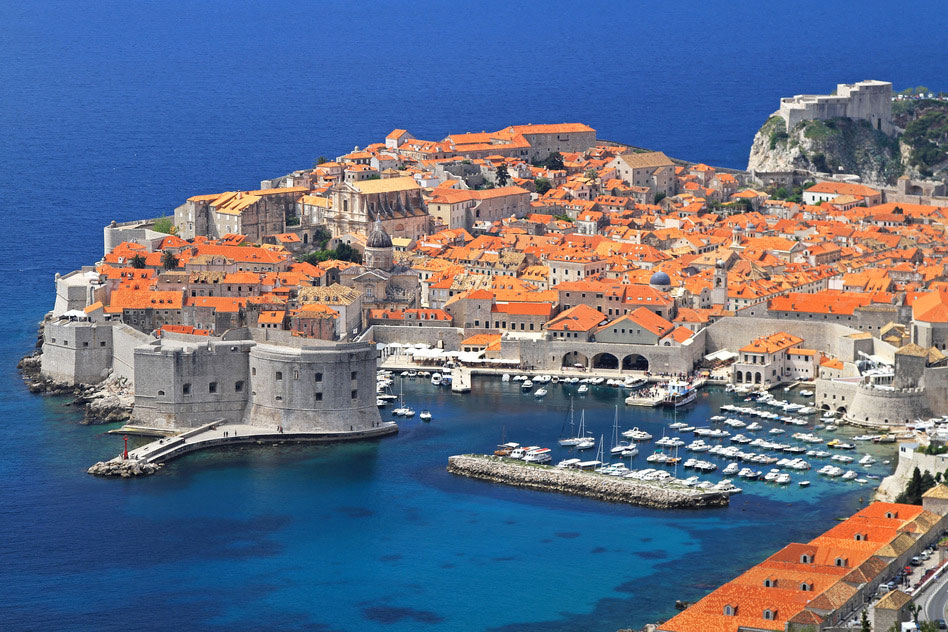
Croatia sailing holidays are hard to beat. I spent two weeks sailing down the coast, stopping at walled cities and quiet coves that I’d never have found any other way. Walking Dubrovnik’s ancient walls at sunset, swimming in the turquoise waters near Plitvice’s waterfalls, and island-hopping from Split to Hvar – Croatia delivers the kind of Mediterranean experience that used to require a much bigger budget. Game of Thrones put Dubrovnik on the map, but there is a lot more to see beyond King’s Landing.
About Croatia
Croatia has clear blue waters, more islands than you can count, and enough Roman and medieval architecture to keep you busy for weeks. It works well for a European holiday whether you want to lie on a beach, wander old towns, or sail between islands. Divers will find good visibility and plenty of underwater caves along the coast.
Croatia has real variety – mountains and forests around Karlovac, bears and deer at Plitvice Lakes National Park, and quieter spots like Vinkuran if you want beaches without the tour groups.
The food is worth exploring. Gregada is a local fish stew made with whitefish and white wine. Strukli, Brudet, and Manestra (a bean soup found in most Croatian restaurants) are all worth trying.
Wine touring is popular along the coast and inland. If you’re into it, you can spend a day with a winemaker in most wine regions.
Things to do in Croatia
Plitvice Lakes National Park
A UNESCO World Heritage Site with sixteen lakes connected by waterfalls and wooden walkways. You can take a guided walk through the park, and wildlife is genuinely present – bears, deer, and boars live here. Good for birdwatching too. Bring a decent camera.
Zagreb Cathedral
Hard to miss – the two towers are visible from most of the city centre. The Gothic cathedral has had a rough history: destroyed in the 13th century during the Tartar invasion, damaged by earthquake in 1880, and renovated several times since. Worth a look when you’re in Zagreb.
Temple of Augustus
Well-preserved Roman temple in Pula. It’s small but in good condition, and gives you a sense of what the Roman city of Pula looked like. Easy to see as you walk through the town.
Walls of Dubrovnik
Dubrovnik’s city walls are the main reason most people come here. Towers and forts all the way round, and the stonework has held up remarkably well given how old it is. The walk along the top takes about an hour and the views over the sea are excellent.
Croatian National Theatre
If you’re in Zagreb and want an evening out, the National Theatre puts on opera, ballet, and concerts. The building itself is worth seeing – it was designed by the Viennese architects Helmer and Fellner and opened in 1895.
Mljet National Park
You can walk, cycle, or kayak around the island. There are two saltwater lakes inside the park – boat out to the small monastery island in the middle of the larger one. Good diving nearby with underwater caves and clear water. Works well as a family day out.
Diocletian’s Palace
You can’t come to Split without going in. It’s not really a palace any more – people live and work in over 200 buildings inside the original Roman walls. A local guide helps make sense of the history. Climb the bell tower for views over the city.
Trogir
A compact medieval town on a small island connected to the mainland by a bridge. Cobbled streets, a well-preserved cathedral, and a harbour with old boats. Good fish restaurants. Easy to cover on foot in a few hours, though staying overnight means you see it after the day-trippers leave.
Pula Arena
One of the best-preserved Roman amphitheatres in the world – built from local limestone, seats around 20,000 people, and is still in use for concerts and film screenings. When it’s not an event venue, you can walk around inside. Worth a visit if you’re in Pula.
Arch of Sergius
A Roman triumphal arch at the old entrance to Pula, built to commemorate three members of the Sergii family. You’ll walk past it naturally as you explore the town – no need to go out of your way.
Cape Kamenjak
A nature park at the southern tip of the Istrian peninsula. White rocks, quiet beaches, and good swimming spots. Works in all seasons, though summer weekends get busy. There’s a beach bar on-site.
Frequently Asked Questions
Do I need a visa to visit Croatia?
Croatia is part of the Schengen Area as of January 2023. US, UK, Canadian, and Australian citizens can visit visa-free for up to 90 days within a 180-day period. EU/EEA citizens need only a valid ID card. Starting in 2026, visa-exempt visitors will need an ETIAS authorization (€7, valid 3 years). Always verify current requirements before booking, as visa policies can change.
What is the best time to visit Croatia?
The best time to visit Croatia is May-June and September-October when weather is warm (20-28°C), the Adriatic is swimmable, and crowds are manageable. July-August is peak season with hot weather, highest prices, and crowded coastal areas, especially Dubrovnik and the islands. For sailing holidays, May-June and September offer ideal conditions. Winter (November-March) is quiet and cold, though Zagreb’s Christmas markets are excellent.
What currency does Croatia use?
Croatia adopted the Euro (€) in January 2023, replacing the Croatian Kuna. Credit and debit cards are widely accepted in cities, tourist areas, and larger restaurants. However, cash is useful for smaller establishments, island villages, markets, and parking meters. ATMs are readily available in all towns and cities along the coast and inland.
How expensive is Croatia for tourists?
Croatia is moderately priced compared to Western Europe but more expensive than other Balkan countries. Budget travelers can manage on €40-60 per day (hostels, street food, public transport). Mid-range travelers should budget €80-120 per day (decent hotels, restaurant meals, attractions). Dubrovnik is the most expensive city. Coastal areas and islands are pricier than inland cities like Zagreb. Sailing holidays vary widely depending on boat type and season.
Is Croatia safe for travelers?
Croatia is very safe for tourists with low crime rates. The main concerns are petty theft in crowded tourist areas like Dubrovnik’s Old Town and pickpocketing on public transport. Take standard precautions with valuables. The Adriatic coast is safe for swimming, though watch for sea urchins on rocky beaches. Croatia has excellent healthcare facilities. Emergency services can be reached at 112. Landmines from the 1990s conflict remain in some rural areas, so stick to marked paths.
What are the must-see places besides Dubrovnik?
Beyond Dubrovnik, visit Plitvice Lakes National Park (stunning waterfalls and turquoise lakes), Split with Diocletian’s Palace, the medieval town of Trogir, and Pula’s well-preserved Roman Arena. Island-hopping to Hvar, Korcula, and Vis is essential for the full Croatian experience. Zagreb offers art nouveau architecture and vibrant culture. For nature lovers, Krka National Park, Mljet National Park, and Cape Kamenjak provide spectacular landscapes. Consider a sailing holiday along the Dalmatian coast to discover hidden coves and quieter islands.