Japan

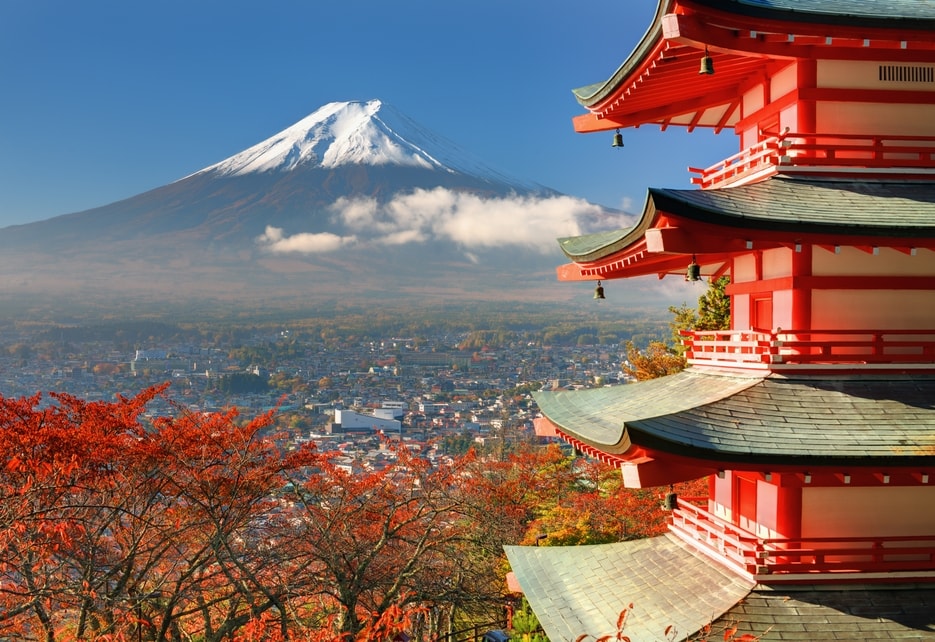
Mt. Fuji viewed from behind Chureito Pagoda.

Japan holidays broke my brain in the best way. I spent two weeks there and came back genuinely confused about how a country can be simultaneously so ancient and so futuristic, so crowded and so peaceful, so foreign and so welcoming. Everything works – the trains run to the second, the food is extraordinary, and the level of care in even the smallest interactions is remarkable.

The contrast is what stays with you. Standing in Fushimi Inari at dawn, walking through thousands of vermillion torii gates in near-silence, then taking the bullet train to Tokyo and emerging into Shibuya’s neon chaos three hours later. Japan holds these contradictions together effortlessly.

First-timers typically do Tokyo, Kyoto, and Osaka in one to two weeks. It is a well-worn route because it works – you get the modern megacity, the ancient capital, and the food-obsessed commercial centre. But Japan rewards going deeper. The mountain towns, the remote islands, the hot spring villages – the real magic is often off the main path.

Tokyo: Overwhelming and Orderly

Tokyo is not one city but dozens of villages that grew together. Each neighbourhood has its own character, and understanding this is key to not feeling lost in a metropolis of 37 million people.

The Neighbourhoods

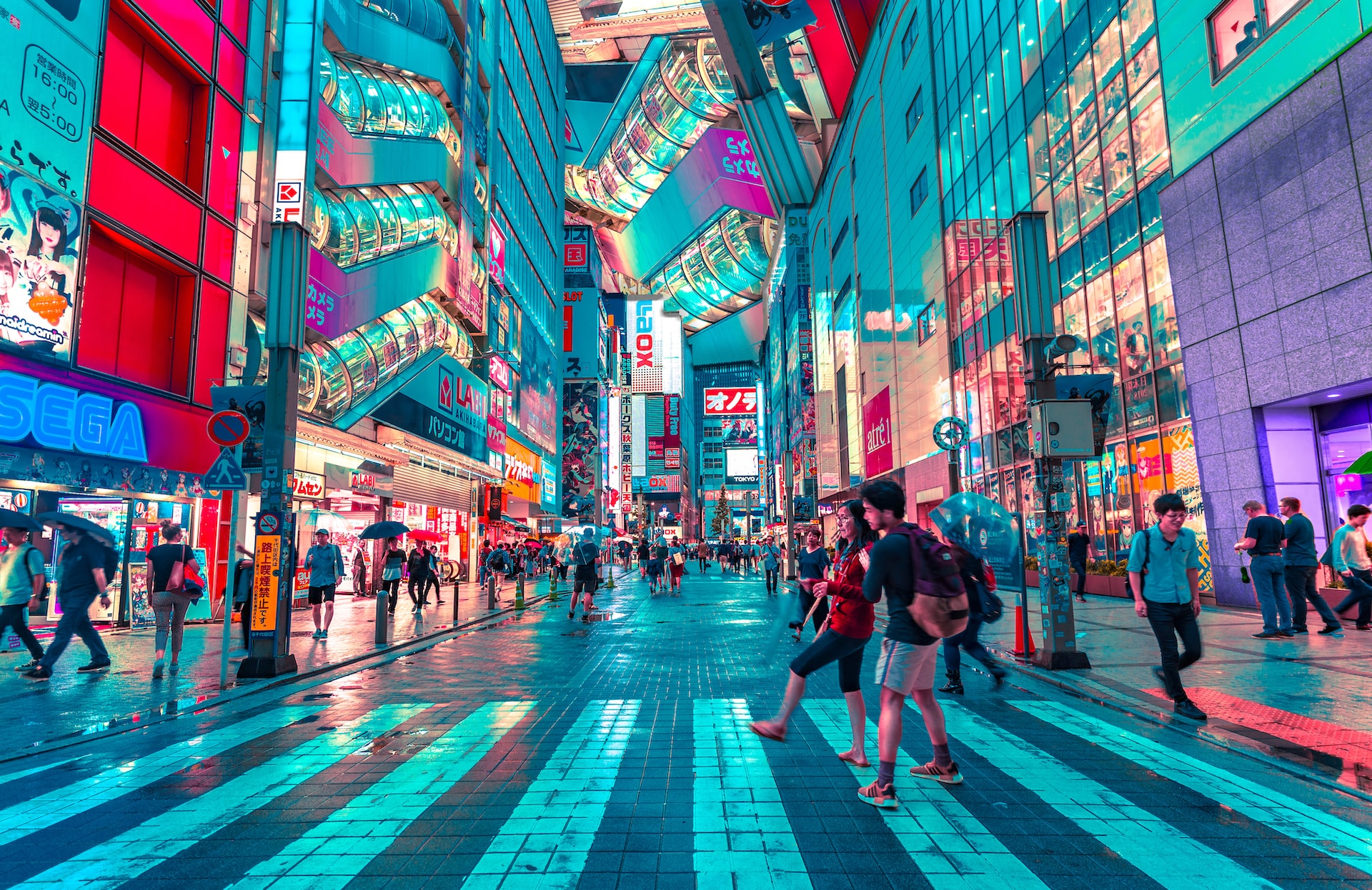
Shibuya – The famous scramble crossing is as chaotic as advertised – up to 3,000 people crossing at once during peak times. Beyond that, Shibuya is shopping, nightlife, and youth culture. The area around Shibuya Stream and the new developments have made it more polished than its reputation suggests.

Shinjuku – The train station handles over three million passengers daily, and getting lost is a rite of passage. West Shinjuku has skyscrapers and the Tokyo Metropolitan Government Building (free observation deck on the 45th floor). East Shinjuku has Golden Gai – a warren of tiny bars seating six people each – and Kabukicho, the entertainment district that ranges from mainstream to very much not.

Asakusa – Old Tokyo, or as close as you will find. Sensoji Temple, Tokyo’s oldest, draws crowds to its Thunder Gate and the shopping street leading to it. The backstreets have traditional shops, craftspeople, and a slower pace. The Sumida River runs alongside, with views to the Tokyo Skytree.

Akihabara – Electronics, anime, gaming, and maid cafes. Even if you are not into otaku culture, the sensory overload is worth experiencing. The side streets have smaller, more specialised shops than the main strip.

Harajuku – Takeshita Street is the famous youth fashion corridor, though it skews young and tourist-heavy. More interesting is the walk through Yoyogi Park to Meiji Shrine – a forested sanctuary that feels impossible given the surrounding density.

Ginza – Upmarket shopping and galleries. Less interesting for tourists unless you want to spend money, but the architecture and department store food halls (depachika) are worth seeing.

What to Do

Sensoji Temple – Arrive early (6-7am) to experience the temple without crowds. The main hall opens at 6am, and walking the approach in near-silence is a different experience from the midday crush.

Meiji Shrine – The forested approach clears your head after Harajuku. If you are lucky, you might see a traditional wedding procession. The gardens require an entry fee but are beautifully maintained.

Teamlab Borderless/Planets – Digital art museums that have become major attractions. Borderless is larger and more immersive; Planets involves wading through water in some installations. Book ahead – they sell out.

Tsukiji Outer Market – The inner wholesale market moved to Toyosu, but the outer market remains, packed with food stalls and tiny restaurants. Come hungry for tamagoyaki (sweet omelette), fresh fish on rice, and excellent coffee.

Day Trips – Nikko (ornate shrines in forested mountains), Kamakura (seaside town with giant Buddha and hiking trails), and Hakone (hot springs, art museums, views of Mount Fuji) are all accessible within two hours.

Tokyo Food

The city has more Michelin stars than any other in the world, but the best eating is often cheap.

Ramen – Every neighbourhood has shops arguing over who does it best. Tokyo-style is soy-based, but you will find every regional variation. Fuunji in Shinjuku does excellent tsukemen (dipping noodles). Expect queues.

Sushi – The standing sushi bars (tachigui) offer high quality at reasonable prices. Conveyor belt (kaiten) places are good for casual meals – Uobei in Shibuya lets you order by tablet, and the fish is surprisingly good for the price.

Izakaya – The Japanese pub, serving small plates with drinks. The chains (Torikizoku, Shirokiya) are cheap and cheerful; independent places range from divey to excellent. Golden Gai and Yurakucho’s under-the-tracks bars are atmospheric options.

Convenience stores – Do not overlook 7-Eleven, Lawson, and FamilyMart. The onigiri (rice balls), sandwiches, and bento boxes are genuinely good. Late-night convenience store runs are part of the Japan experience.

Budget ¥800-1,200 (£5-8) for a bowl of ramen, ¥1,500-3,000 (£10-20) for izakaya with drinks, and ¥3,000+ (£20+) for sushi at a proper counter.

Kyoto: The Cultural Heart

Kyoto was Japan’s capital for over a thousand years, and the city still holds most of the country’s significant temples, shrines, and gardens. It is quieter than Tokyo, more traditional, and rewards slow exploration.

The downside is that Kyoto is no secret. Peak season (cherry blossom in late March/April, autumn colours in November) brings overwhelming crowds to the famous sites. Visit early morning or late afternoon to avoid the worst of it.

Must-See Temples and Shrines

Fushimi Inari – Thousands of vermillion torii gates climbing up a forested mountain. The full circuit takes 2-3 hours; most tourists turn back after the first few hundred metres. Keep going – the crowds thin dramatically, and the higher sections are genuinely peaceful. Go at dawn for the best experience.

Kinkaku-ji – The Golden Pavilion, rebuilt after a famous arson in 1950 and covered in gold leaf. The reflection in the pond is the money shot. Crowded but worth seeing.

Ginkaku-ji – The Silver Pavilion (not actually silver) at the northern end of the Philosopher’s Path. The gardens are exquisite. Walk the path south for cherry trees and quiet temples.

Ryoan-ji – The most famous Zen rock garden – fifteen stones on raked gravel, designed so you can never see all fifteen at once from any angle. Meditative if you can ignore the tour groups.

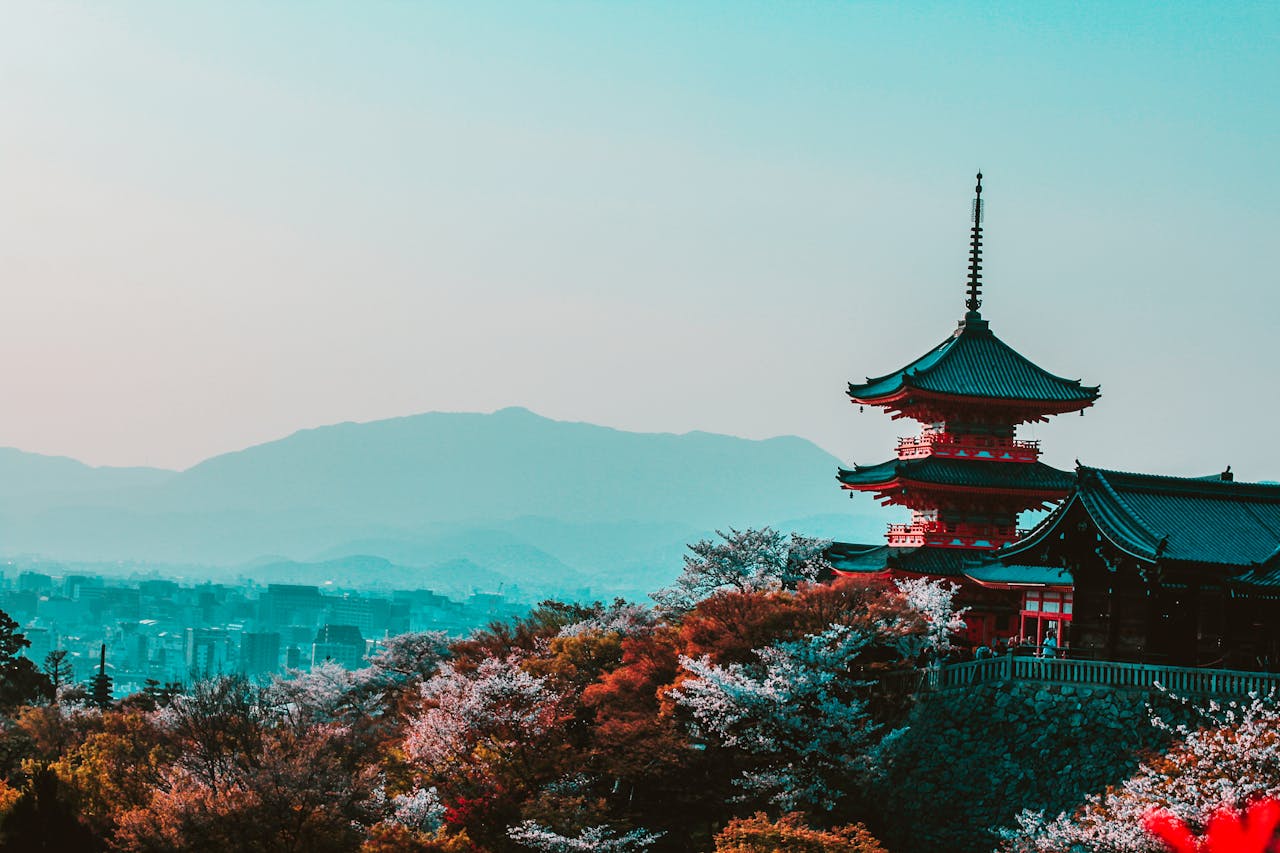
Kiyomizu-dera – A wooden temple with a dramatic hillside location and views over the city. The surrounding streets (Ninenzaka, Sannenzaka) are preserved merchant lanes – touristy but beautiful.

Beyond the Temples

Arashiyama – The bamboo grove is famous but crowded. Better is the walk along the river, the monkey park (macaques with city views), and the quieter temples (Tenryu-ji, Gio-ji). Rent a bike and spend a full day.

Gion – The geisha district. Preserved wooden machiya houses, high-end restaurants, and the chance (if you are patient at dusk) to see a geiko or maiko heading to an appointment. The hanamachi (geisha streets) around Hanami-koji are atmospheric.

Nishiki Market – A narrow covered market selling pickles, fresh fish, knives, and snacks. Good for grazing through lunch.

Kyoto by Bicycle – The city is flat and compact. Renting a bike (¥1,000-1,500 / £7-10 per day) is the best way to move between sites without waiting for buses.

Osaka: Japan’s Kitchen

Osaka is two hours from Tokyo by shinkansen and feels like a different country. The dialect is different, the humour is different, and the approach to food is different – in Osaka, they say, you eat until you drop (kuidaore).

The city has fewer traditional sights than Kyoto but compensates with energy, friendliness, and some of the best street food in Japan.

What to See

Dotonbori – The neon-lit canal area is the centre of Osaka nightlife and eating. The giant signs (the running Glico man, the mechanical crab) are iconic. Walk along both sides of the canal, duck into side streets, and eat constantly.

Osaka Castle – The castle itself is a 1930s reconstruction, but the surrounding park is pleasant and the views from the top are good. Skip the museum inside unless you are deeply interested in Toyotomi Hideyoshi.

Shinsekai – A retro entertainment district with a seedy charm. The Tsutenkaku Tower is a local landmark. Come for kushikatsu (deep-fried skewers) at places where the rule is “no double-dipping.”

Kuromon Market – The “Osaka kitchen” – a covered market with seafood stalls, fresh produce, and places to eat standing up.

Osaka Food

Osaka invented several dishes that define Japanese comfort food.

Takoyaki – Octopus balls, crisped on the outside, gooey inside, covered in sauce, mayo, and bonito flakes. Eat them fresh from the griddle, burning your mouth in the process. Dotonbori has dozens of vendors competing for your attention.

Okonomiyaki – Savoury cabbage pancakes cooked on a griddle, topped with meat, seafood, sauce, and mayo. The Osaka style mixes everything together; you cook it yourself at some places.

Kushikatsu – Deep-fried skewers of vegetables, meat, and seafood. The sauce is communal – dip once, then eat. Shinsekai is the traditional home.

Kitsune udon – Thick wheat noodles in broth with sweet fried tofu. Simple and satisfying.

Budget ¥500-800 (£3-5) for street food, ¥1,000-2,000 (£7-13) for a proper meal.

Beyond the Golden Route

Hiroshima and Miyajima

The Peace Memorial Park and Museum are sobering and essential. The city rebuilt with purpose after 1945, and the museum presents the atomic bombing without sensationalism. Allow half a day.

Miyajima Island, an hour away by train and ferry, has the famous “floating” torii gate and temple complex. Stay overnight if you can – the day-trippers leave by late afternoon, and the island becomes peaceful.

Nara

An easy day trip from Kyoto or Osaka. The deer roaming freely in the park are the main attraction – they are persistent and bow for treats. Todai-ji Temple contains the largest bronze Buddha in Japan, housed in the world’s largest wooden building. The surrounding park and temples reward wandering.

Kanazawa

A well-preserved samurai town on the Sea of Japan coast. Kenrokuen Garden is one of Japan’s three great gardens. The samurai and geisha districts feel frozen in time. Excellent seafood from the nearby coast.

Takayama

A mountain town in the Japanese Alps with preserved Edo-period streets. Morning markets, sake breweries, and access to the thatched-roof farmhouses of Shirakawa-go (UNESCO World Heritage). Feels like stepping back centuries.

Mount Fuji

Japan’s sacred mountain is best seen from a distance – Hakone and the Fuji Five Lakes offer classic views. Climbing Fuji is a once-in-a-lifetime experience (July-August only), but the mountain itself is barren volcanic rock. The views from the summit at sunrise are spectacular; the climb is gruelling.

The JR Pass

The Japan Rail Pass offers unlimited travel on JR trains, including most shinkansen (bullet trains). Whether it is worth it depends on your itinerary.

2024 prices:

  • 7 days: ¥50,000 (£335)
  • 14 days: ¥80,000 (£535)
  • 21 days: ¥100,000 (£670)

A Tokyo-Kyoto round trip costs about ¥28,000 (£190), so the 7-day pass pays for itself with one additional long journey. If you are staying in one city or travelling slowly, buying individual tickets may be cheaper.

The pass must be purchased before arriving in Japan (through authorised agents) and exchanged for the physical pass at JR stations on arrival.

IC Cards (Suica/Pasmo) are essential for local travel – tap-and-go cards for metro, buses, convenience stores, and vending machines. Buy one at any station.

Practical Information

Visas: UK, US, EU, Australian, and Canadian citizens receive visa-free entry for up to 90 days. Your passport must be valid for the duration of stay.

Money: Japan is still heavily cash-based. Many restaurants and smaller shops do not accept cards. 7-Eleven ATMs accept most foreign cards; withdraw cash when you see one.

Language: English signage exists in major cities, but spoken English is limited outside tourist services. Learn basic phrases and use translation apps. Japanese people are patient with communication difficulties.

Etiquette: Remove shoes when entering homes, ryokans, and some restaurants (look for raised floors or shoe racks). Bow in greeting. Do not eat while walking. Queue orderly. Keep quiet on trains. Tipping is not expected and can cause confusion.

Tattoos: Some onsen (hot springs), pools, and gyms ban visible tattoos due to yakuza associations. Private onsen or tattoo-friendly establishments exist. Check before booking.

When to visit: Spring (cherry blossom, late March-April) and autumn (colours, November) are peak seasons – beautiful but crowded and expensive. Summer is hot and humid. Winter is cold but manageable, with fewer tourists. Avoid Golden Week (late April-early May) and Obon (mid-August) when domestic travel peaks.

Costs: Japan is expensive but not as extreme as its reputation suggests. Budget travellers can manage on ¥8,000-12,000 (£55-80) per day with hostels and cheap eats. Comfortable mid-range travel runs ¥15,000-25,000 (£100-170). The weak yen (as of 2024-2025) makes things more affordable for foreign visitors.

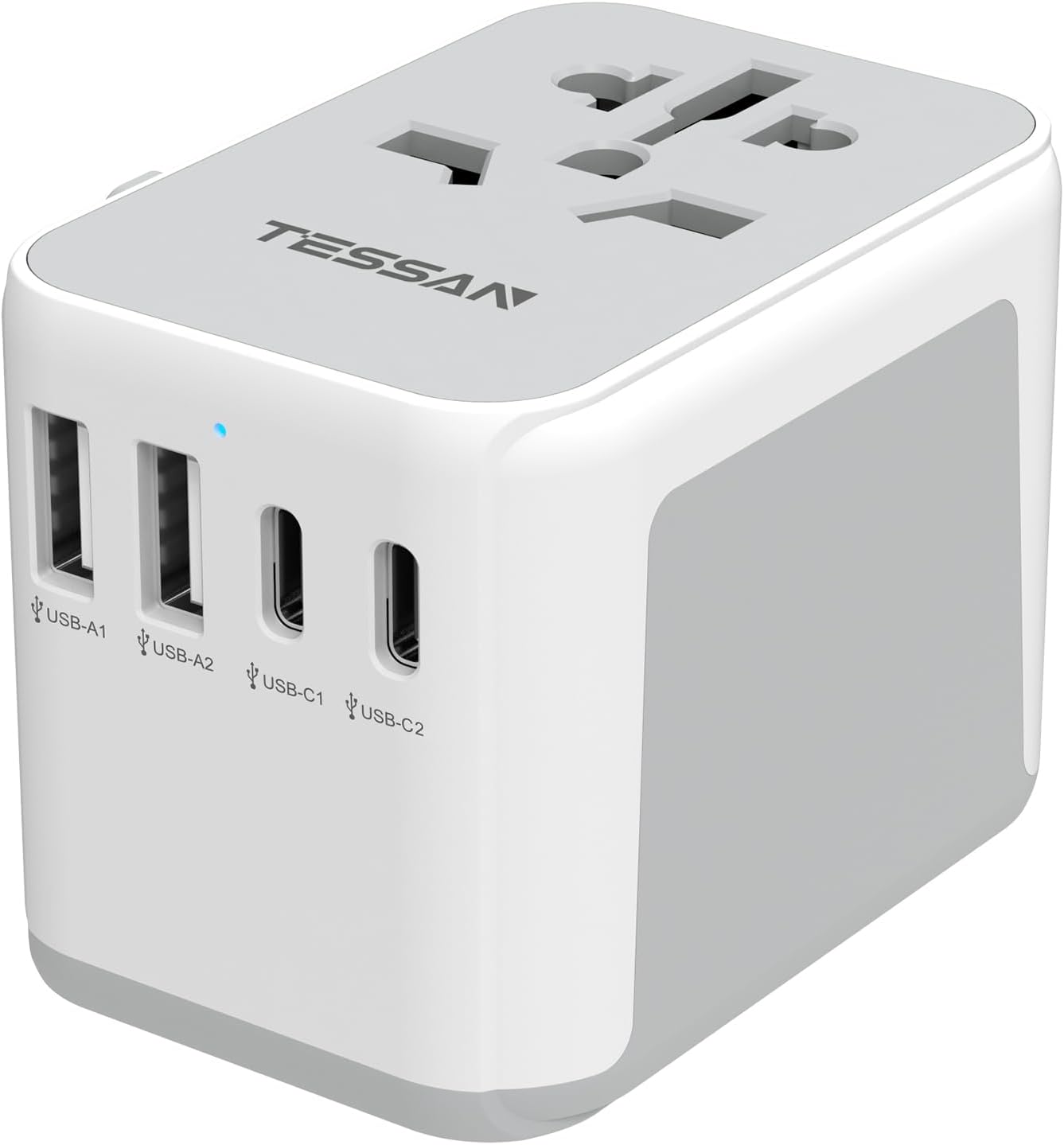
Power: 100V, Type A plugs (two flat pins, same as US). UK and EU visitors need adapters. Most phone chargers and laptops handle 100V; hair dryers may not work properly.

Two Week Itinerary

Days 1-4: Tokyo. Explore different neighbourhoods each day. Day trip to Nikko or Kamakura.

Day 5: Shinkansen to Kyoto.

Days 6-8: Kyoto. Temples, shrines, Arashiyama. Day trip to Nara.

Day 9: Train to Osaka.

Days 10-11: Osaka. Eat everything. Optional day trip to Hiroshima/Miyajima.

Days 12-13: Hakone or Mount Fuji area for hot springs and views.

Day 14: Return to Tokyo for departure.

Previous articleDubai Plug Adapter Guide
Next articleSouth Korea
Travel writer, dog-friendly travel expert, author of Dog-Friendly Weekends & Dog Days Out Brightwell-Cum-Sotwell, England, United Kingdom