Things to Do in Tokyo: Japan Travel Guide
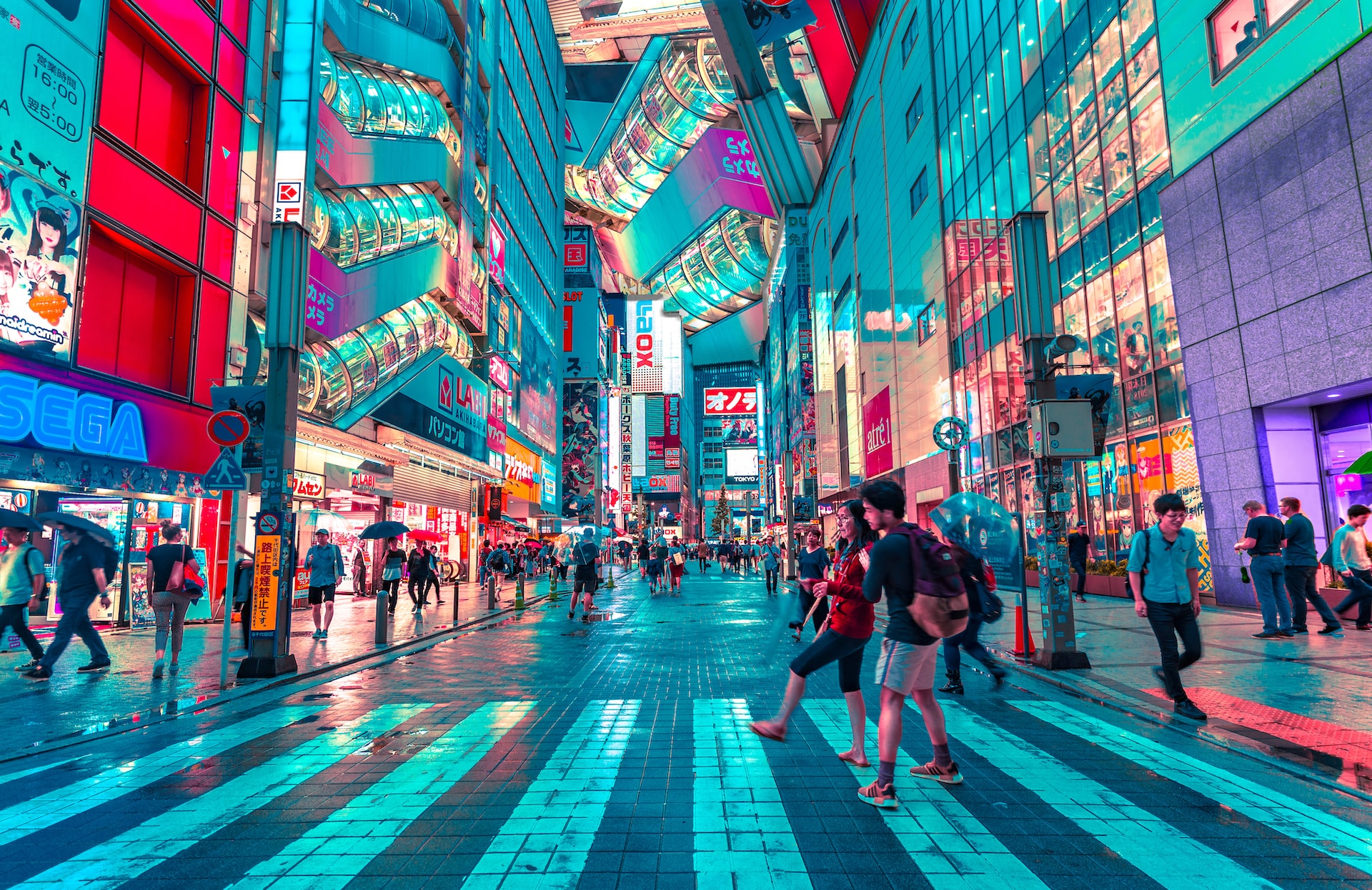
Looking for things to do in Tokyo? I spent two weeks there expecting sensory overload and got something stranger – a city that felt both overwhelming and oddly calming. My first morning, I stood at Shibuya Crossing watching thousands of people move in perfect coordination, then walked ten minutes to find myself alone at a tiny shrine where an old man was sweeping leaves. That contrast defines Tokyo. I ate the best meal of my life at a counter with six seats (a ramen shop in Shinjuku that I found by accident), got hopelessly lost in Shinjuku Station three times, and somehow never felt unsafe walking home at 2am through streets I couldn’t read. The convenience stores alone are worth the flight – I’m not joking when I say a 7-Eleven egg sandwich at midnight became a highlight.
Tokyo is a city of 14 million people where ancient temples sit between glass towers, convenience stores stock better food than most restaurants back home, and the trains run so punctually that a 90-second delay makes national news.
It can feel overwhelming at first – the crowds, the unreadable signs, the sheer scale of the place. But Tokyo is also remarkably easy to navigate once you understand the rhythm, and far safer than almost any city its size.
Getting Around
Tokyo’s train and metro system is extensive, efficient, and initially confusing. Don’t try to memorise it – just get a Suica or Pasmo card (rechargeable transit cards) at any station and let Google Maps tell you which trains to take.
Helpful tips:
- Trains run from around 5am to midnight. Miss the last train and you’re looking at an expensive taxi ride or waiting at an izakaya until morning.
- Rush hour (7:30-9:30am) is brutal. Avoid if possible.
- The JR Yamanote Line circles central Tokyo and connects most major areas. Learn this line first.
- Station exits matter. A large station like Shinjuku has dozens of exits – check which one you need before surfacing.
Getting from the airport: Narita is 60-90 minutes from central Tokyo (Narita Express or Skyliner). Haneda is closer (20-40 minutes by train or monorail). Both airports connect directly to major stations.
Best Neighbourhoods to Explore
Shibuya
The famous scramble crossing, youth fashion, and nightlife. Shibuya 109 for Japanese street fashion. Shibuya Sky for views. Good area for shopping and people-watching.
Shinjuku
Split into east and west. West Shinjuku has skyscrapers and the Tokyo Metropolitan Government Building (free observation deck – go at sunset). East Shinjuku has Golden Gai, a warren of over 200 tiny bars in interconnected alleys. Some are regulars-only, but many welcome tourists. Order a drink, squeeze onto a stool, and talk to whoever’s next to you. Kabukicho nearby is the red light district – interesting to walk through but watch for touts trying to lure you into overpriced bars. Shinjuku Station is the world’s busiest – you will get lost, probably multiple times. Accept it.
Harajuku
Takeshita Street is packed with teenagers, crepe shops, and fashion that makes London look conservative. Meiji Shrine is a 10-minute walk away – a forest sanctuary that feels miles from the city.
Akihabara
Electronics, anime, manga, and gaming. Even if you’re not into any of these, walking through is an experience. Multi-story arcades, maid cafes, and shops selling things you won’t find anywhere else.
Asakusa
Tokyo’s old town. Sensoji Temple is the city’s oldest and most visited, approached through Nakamise shopping street selling tourist tat and legitimate crafts. More traditional atmosphere than central Tokyo.
Ginza
Upmarket shopping. Flagship stores for every luxury brand. Expensive but good for window shopping and architecture.
What to See and Do
Temples and Shrines
- Sensoji Temple (Asakusa) – Most famous, most crowded. Go early morning to avoid tour groups.
- Meiji Shrine (Harajuku) – Peaceful forested shrine. Time your visit for a traditional wedding procession if you’re lucky.
- Nezu Shrine – Less visited, beautiful during azalea season (April-May).
Viewpoints
- Tokyo Skytree – Tallest structure in Japan (634m). Expensive tickets but views stretch to Mount Fuji on clear days.
- Tokyo Tower – Shorter, older, more charming. The night views are excellent.
- Tokyo Metropolitan Government Building – Free observation deck. Worth the zero-cost entry.
Museums
- teamLab Borderless/Planets – Immersive digital art installations. Book well ahead.
- Ghibli Museum – Essential for Studio Ghibli fans. Tickets sell out months in advance and can only be bought through lottery or Lawson convenience stores.
- Tokyo National Museum – Japan’s oldest museum with an excellent collection of Japanese art.
Markets
- Tsukiji Outer Market – The inner wholesale market moved to Toyosu, but the outer market still serves fresh sushi and seafood for breakfast.
- Toyosu Market – The new fish market. You can watch tuna auctions from observation decks (reserve ahead).
- Ameya-Yokocho – Street market near Ueno selling everything from fish to fake watches.
Food
Tokyo has the most Michelin-starred restaurants in the world, but you don’t need a reservation or deep pockets to eat brilliantly here. Some of my best meals cost under £10.
Ramen: Each shop has its own style – tonkotsu (pork bone), shoyu (soy sauce), miso, or the clear shio. Ichiran is a good chain for solo dining with individual booths and no human interaction required. But the best bowls come from small local shops with queues outside. If there’s a queue, join it.
Sushi: Conveyor belt sushi (kaiten-zushi) is cheap and surprisingly good. Grab plates as they pass or order from a tablet. High-end omakase requires reservations months ahead and starts around ¥15,000 – worth it once if your budget allows.
Convenience stores: This sounds ridiculous, but 7-Eleven, FamilyMart, and Lawson sell onigiri, sandwiches, and bento boxes that are genuinely excellent. A ¥500 convenience store lunch beats most fast food anywhere in the world. The egg sandwiches are unreasonably good.
Izakayas: Japanese pubs serving small dishes meant for sharing – think tapas with beer. Point at what others are eating if you can’t read the menu. Ordering a few dishes and a beer is a perfect casual dinner.
Depachika: The basement floors of department stores have incredible food halls. Mitsukoshi in Ginza and Isetan in Shinjuku are worth visiting just to browse, sample, and pick up a bento for later.
Costs
Tokyo isn’t as expensive as its reputation suggests, especially with current exchange rates.
Budget breakdown:
- Budget hostel: ¥3,000-5,000/night
- Business hotel: ¥8,000-15,000/night
- Ramen meal: ¥800-1,200
- Conveyor belt sushi: ¥1,500-2,500
- Single train journey: ¥170-400
- Day pass (Tokyo Metro): ¥600
You can do Tokyo comfortably on ¥10,000-15,000/day including accommodation, or splash out on high-end sushi and fancy hotels for much more.
Cultural Tips
Do:
- Remove shoes when entering homes, ryokans, and some restaurants (look for shoe racks at the entrance).
- Bow slightly when greeting people.
- Queue patiently. Japanese queuing is almost an art form.
- Carry cash. Japan is more cash-based than you’d expect.
Don’t:
- Tip. It’s not expected and can cause confusion.
- Eat while walking. Find a bench or eat where you bought it.
- Talk on your phone on trains. Set it to silent mode (known as “manner mode” in Japan).
- Blow your nose in public. Sniffing is acceptable; nose-blowing is not.
Best Time to Visit
Spring (March-May): Cherry blossom season peaks late March to early April. Beautiful but very crowded.
Autumn (October-November): Pleasant weather, autumn colours, fewer tourists than spring.
Summer (June-August): Hot, humid, and rainy (especially June). Fireworks festivals in July-August.
Winter (December-February): Cold but manageable. Clear skies mean better views of Mount Fuji. Christmas illuminations are impressive.
Day Trips
- Nikko: Temple complex in the mountains, 2 hours by train. Elaborate shrines, waterfalls, and autumn colours.
- Kamakura: Coastal town with temples and a giant Buddha, 1 hour south. The Great Buddha and bamboo groves of Hokoku-ji are highlights.
- Hakone: Mountain resort with hot springs and views of Fuji, 1.5 hours. Onsen ryokans, pirate ships on the lake, and the Hakone Open-Air Museum.
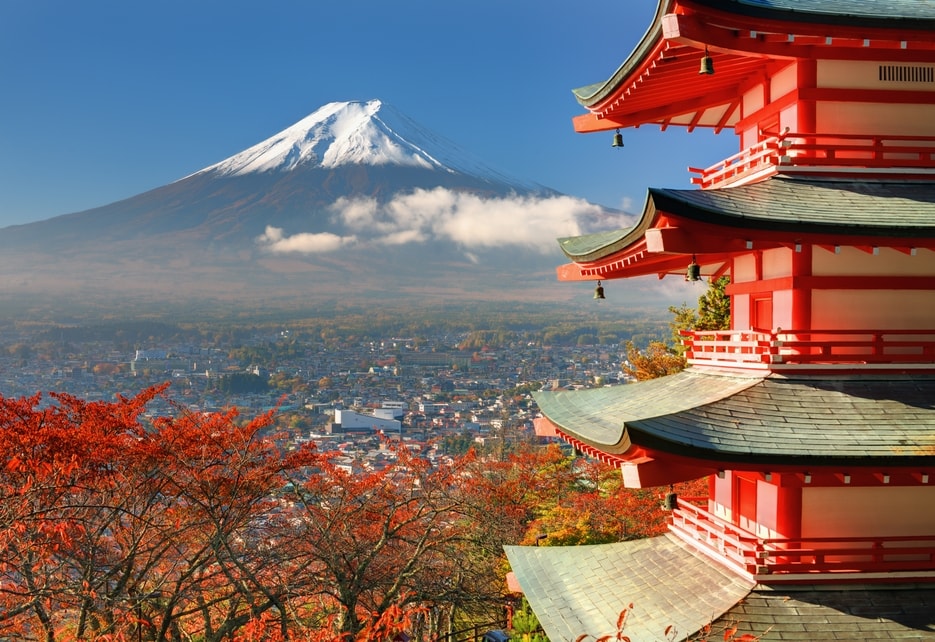
- Mount Fuji: Climbing season is July-August only. Off-season, views from Lake Kawaguchi or the Fuji Five Lakes region are excellent on clear days.
What to Skip
- Robot Restaurant – Closed permanently, but similar “shows” that remain are overpriced tourist traps.
- Heavily promoted “authentic ninja experiences” – Most are expensive and gimmicky. The real cultural experiences are subtler.
- Any bar with aggressive touts outside – Especially in Kabukicho. These often lead to inflated bills or worse.
- Peak times at Senso-ji – The temple is beautiful but mobbed with tour groups from mid-morning to late afternoon. Go early or at night.
- Buying a JR Pass for Tokyo only – The pass is expensive and only pays off if you’re taking multiple shinkansen trips. For Tokyo-only visits, a Suica card and individual tickets are cheaper.
Tokyo is one of those cities that rewards staying longer than you planned. Every time I thought I’d seen enough, I turned a corner and found something new – a tiny jazz bar, a shrine hidden between office buildings, a vending machine selling hot soup at 3am. Two weeks wasn’t enough. A month probably wouldn’t be either.
Frequently Asked Questions
Do I need a visa to visit Tokyo?
UK, US, Canadian, and Australian citizens do not need a visa for tourist visits to Japan up to 90 days. Your passport must be valid for the duration of your stay. Upon arrival, you’ll receive a tourist visa stamp at immigration. Working, studying, or staying longer requires a visa obtained from a Japanese embassy before travel.
What is the best time to visit Tokyo?
The best time to visit Tokyo is spring (March to May) for cherry blossom season, particularly late March to early April, though it’s very crowded. Autumn (October to November) offers pleasant weather and autumn colours with fewer tourists. Summer (June to August) is hot and humid with rainy season in June, but features fireworks festivals. Winter (December to February) is cold but manageable with clear skies offering better Mount Fuji views and impressive Christmas illuminations.
What currency does Tokyo use?
Tokyo uses the Japanese Yen (JPY). Japan is more cash-based than many expect, so carry cash for smaller establishments, convenience stores, and some restaurants. Credit cards are accepted at hotels, department stores, and larger restaurants. ATMs are widely available in convenience stores (7-Eleven, FamilyMart, Lawson), though some bank ATMs don’t accept foreign cards.
What type of power plugs are used in Tokyo?
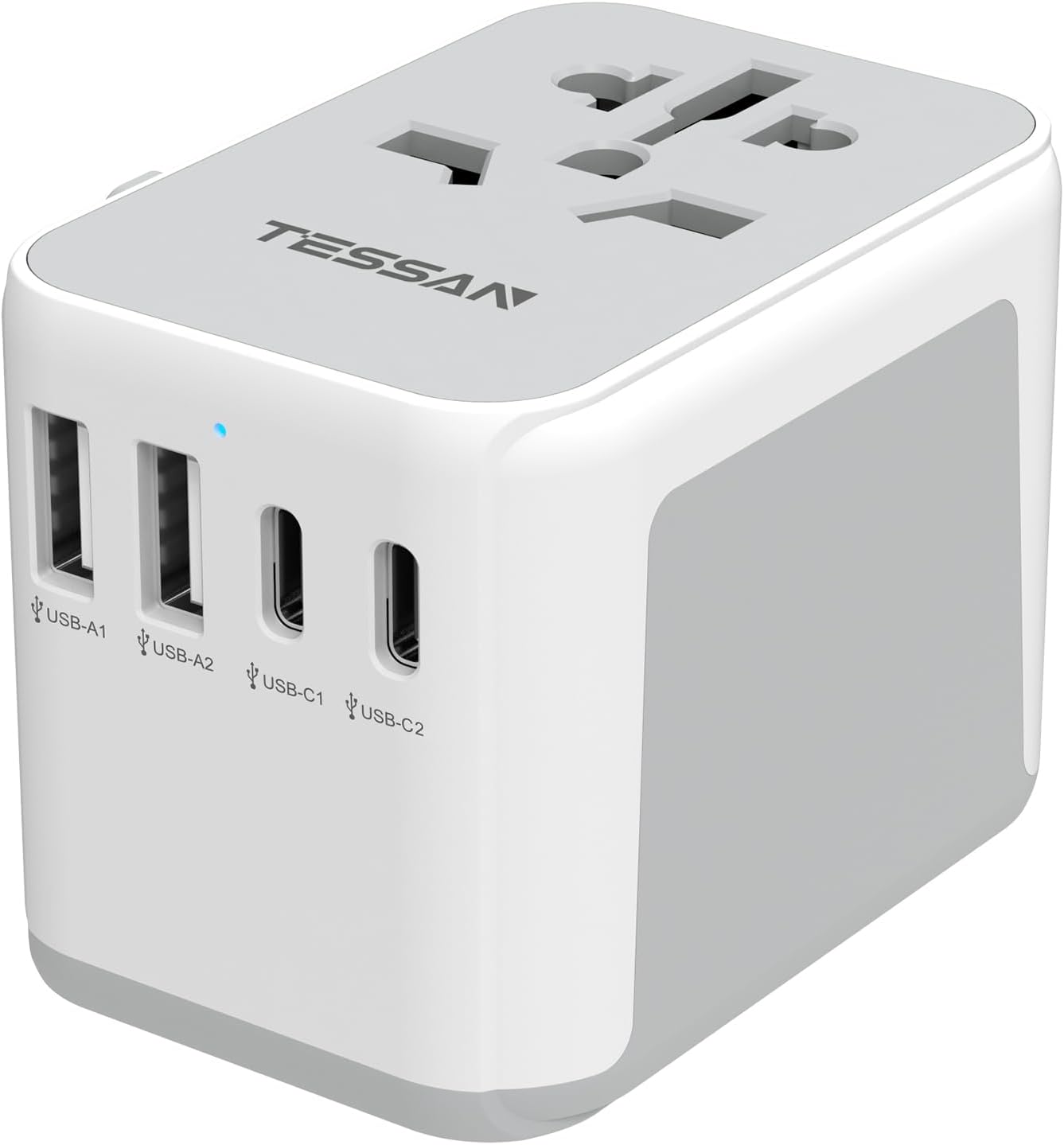
Japan uses Type A and B plugs (two flat pins, sometimes with a grounding pin). The voltage is 100V at 50Hz (Tokyo) or 60Hz (other regions). US visitors can use their plugs directly but may need a voltage converter for some devices. UK and European visitors need both an adapter and potentially a voltage converter.
How much does it cost to visit Tokyo?
Tokyo is affordable with current exchange rates. Budget hostels cost ¥3,000-5,000 per night, business hotels ¥8,000-15,000. Ramen meals run ¥800-1,200, conveyor belt sushi ¥1,500-2,500. Single train journeys cost ¥170-400, with day passes at ¥600. You can visit Tokyo comfortably on ¥10,000-15,000 per day including accommodation, or spend more on high-end dining and hotels.
Is Tokyo safe for tourists?
Tokyo is one of the safest major cities in the world. Violent crime is extremely rare, and you can walk safely at night. Lost items are often returned, and people are generally honest. Follow basic precautions like watching your belongings in crowded areas. The main challenges are language barriers and navigation, not safety. Emergency services can be reached at 110 (police) or 119 (fire/ambulance).
Explore More
- Japan Travel Guide
- Japan Travel Adapter Plug Guide
- How Much Does it Cost to Travel Around Japan for a Month?
- Search flights & hotels on lastminute.com