Things to Do in Hong Kong: Travel Guide
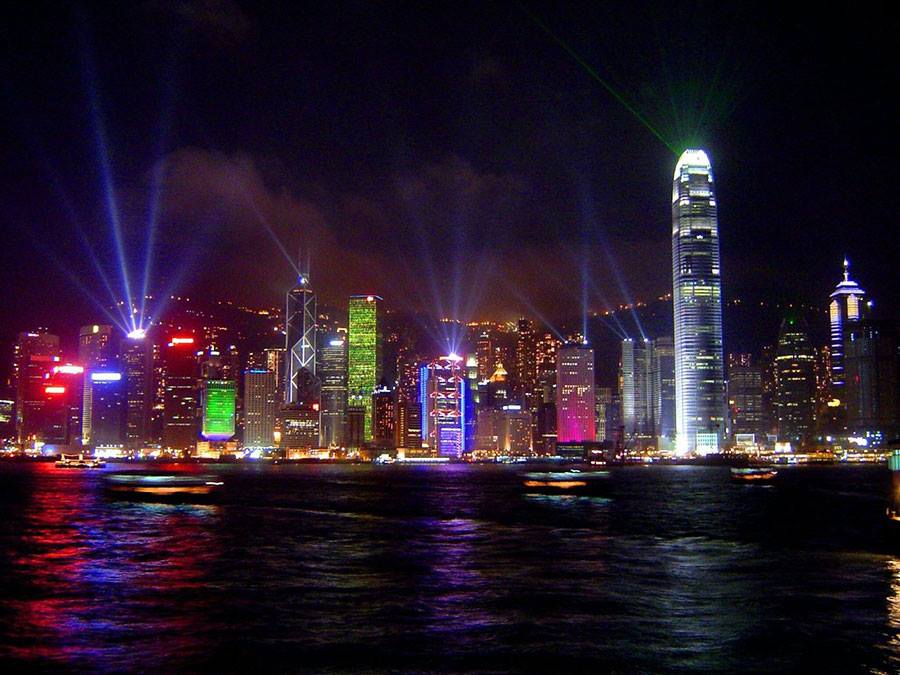
Looking for things to do in Hong Kong? The city is vertical in every sense. The buildings climb impossibly high on impossibly small plots. The Peak Tram hauls you up Victoria Peak at angles that feel wrong. Escalators run up the hillside for 800 metres through the Mid-Levels. Even the markets stack traders on multiple floors. I spent a week here and never stopped looking up.
What surprised me was how much green space exists between the towers. Hong Kong is 70% countryside – forested hills, hiking trails, beaches – all accessible within an hour of the densest urban environment on earth. You can dim sum in Kowloon at noon and be walking through empty forest by mid-afternoon. The contrast defines the place.
The city operates as a Special Administrative Region of China, maintaining its own currency, legal system, and border controls until 2047. The political situation is complicated and has changed significantly since 2019, but for visitors, Hong Kong remains one of Asia’s most accessible and fascinating cities.
Hong Kong Island
The original British colony occupies the island’s northern shore, with the famous skyline, Victoria Peak, and the main business and entertainment districts.
Victoria Peak
The classic Hong Kong experience. At 552 metres, the Peak offers views across the harbour to Kowloon and the mountains beyond. The city spreads below in layers of towers, and on clear days you can see for miles.
Peak Tram – The funicular railway has been running since 1888, climbing the mountain at gradients up to 27 degrees. The journey is half the experience. Return tickets cost HK$108 (£11) for adults; book online to skip the queue. The tram runs from the lower terminus in Central.
Sky Terrace 428 – The viewing platform at the top (HK$75 / £7.50 additional) is the highest point accessible to visitors. Worth it for the 360-degree views.
Walking down – The walk down through the forest to Central takes about an hour and offers a completely different perspective. Morning Peak Road and Old Peak Road are the main routes.
Central and the Mid-Levels
The business district climbs the hillside from the harbour, with the famous skyline towers at sea level and residential areas above. The Central-Mid-Levels Escalator – the world’s longest outdoor covered escalator system – runs 800 metres up the slope, passing through SoHo’s restaurant district.
Lan Kwai Fong – The main nightlife district, with bars, clubs, and restaurants packed into a few narrow streets. Busy on weekends; less interesting midweek.
SoHo – South of Hollywood Road, the neighbourhood around the escalator has independent restaurants, galleries, and boutiques. Good for dinner and wandering.
Man Mo Temple – A 19th-century Taoist temple on Hollywood Road, filled with incense coils hanging from the ceiling. Atmospheric and still active.
Wan Chai and Causeway Bay
East of Central, these districts are more local and less polished. Wan Chai has a mix of old and new – traditional markets alongside modern towers. Causeway Bay is shopping-focused, with department stores and malls.
Times Square and the surrounding streets have dense shopping; the wet markets and dai pai dong (open-air food stalls) in the backstreets offer more authentic eating.
Kowloon
The peninsula across the harbour from Hong Kong Island is denser, grittier, and more traditionally Chinese. The waterfront promenade offers the famous views back to the Hong Kong skyline.
Tsim Sha Tsui
The tourist centre of Kowloon, with the ferry terminal, the waterfront promenade, and Nathan Road’s “Golden Mile” of shops and hotels.
Avenue of Stars – The waterfront promenade with views of the skyline and the nightly Symphony of Lights show (8pm). Free to walk; the views of Hong Kong Island are the main attraction.
Star Ferry – The green and white ferries have crossed the harbour since 1888. The 10-minute ride from Tsim Sha Tsui to Central costs HK$3.70 (£0.40) and offers the best views of the skyline at water level.
Chungking Mansions – A chaotic tower block on Nathan Road housing budget guesthouses, curry restaurants, and traders from across Asia and Africa. The architecture is grim; the cultural mix is fascinating.
Markets
Kowloon’s markets are the best in Hong Kong.
Temple Street Night Market – The classic Hong Kong market experience: stalls selling everything from clothes to electronics, fortune tellers, and cheap restaurants. Opens around 4pm, best after dark.
Ladies’ Market (Mong Kok) – Despite the name, sells everything: clothes, accessories, souvenirs, and knockoffs. Bargaining expected.
Goldfish Market – Tung Choi Street, with shops selling tropical fish in plastic bags hung on display. Strange and photogenic.
Flower Market – Adjacent to the goldfish market, more interesting than it sounds. The orchids and bonsai are particularly good.
The Outlying Islands
Hong Kong’s outer islands offer escape from the urban intensity – beaches, hiking, and villages largely unchanged for decades.
Lantau Island
The largest island, home to the airport and connected by road, but with genuinely rural areas in the interior.
Tian Tan Buddha (Big Buddha) – The 34-metre bronze Buddha sits atop a hill at Ngong Ping. Climb the 268 steps for views across the mountains. The Ngong Ping 360 cable car (HK$235-315 / £24-32 return) from Tung Chung offers spectacular views over the bay and mountains.
Po Lin Monastery – Adjacent to the Buddha, with an active monastic community. The vegetarian restaurant serves good lunch.
Tai O – A fishing village on stilts on the western coast, with traditional stilt houses, dried seafood shops, and boat tours through the village waterways. Feels like a different century.
Lamma Island
No cars, no high-rises – just hiking trails, beaches, and seafood restaurants. The ferry from Central takes 25-35 minutes (HK$22-32 / £2.25-3.25).
The main hike crosses the island from Yung Shue Wan to Sok Kwu Wan (about 90 minutes), ending at a cluster of waterfront seafood restaurants. Order fresh from the tanks.
Cheung Chau
A small island with a traditional fishing village, temples, and beaches. The annual Bun Festival (April/May) features towers of buns and a parade of children floating on poles. The rest of the year it is a quiet day trip.
Food
Hong Kong is one of the world’s great food cities. The range – from street food to Michelin stars – is extraordinary, and eating is treated with appropriate seriousness.
Dim Sum
The quintessential Hong Kong meal: small dishes served from trolleys or ordered from menus, eaten with tea. Traditionally a morning or lunchtime affair.
What to order:
- Har gow (shrimp dumplings)
- Siu mai (pork and shrimp dumplings)
- Char siu bao (barbecue pork buns)
- Cheung fun (rice noodle rolls)
- Lo mai gai (sticky rice in lotus leaf)
- Egg tarts (for dessert)
Traditional dim sum restaurants range from local tea houses (cheap, chaotic, Cantonese-only) to upmarket restaurants in hotels (more expensive, English menus, reservations recommended). Tim Ho Wan, the “cheapest Michelin-starred restaurant in the world,” offers excellent dim sum at reasonable prices – expect queues.
Street Food and Dai Pai Dong
Street stalls and open-air restaurants serve quick, cheap, excellent food.
Char siu – Cantonese barbecue pork, served with rice or in buns
Wonton noodles – Shrimp wontons in broth with thin egg noodles
Congee – Rice porridge, usually with meat or preserved egg
Egg waffles – Grid-patterned sweet waffles, crispy outside, soft inside
Pineapple bun – Not pineapple-flavoured; named for the cracked sugar crust
Seafood
Hong Kong does fresh seafood exceptionally well. Lei Yue Mun on Kowloon and the restaurants at Sok Kwu Wan on Lamma Island let you choose fish live from tanks. Expect to pay HK$400-800 (£40-80) for a substantial meal for two.
Cha Chaan Teng
Hong Kong-style cafes serving a mix of Cantonese and Western food: milk tea, toast with condensed milk, instant noodles with spam, and set meals at all hours. Cheap, local, and ubiquitous.
Budget HK$50-80 (£5-8) for a street food meal, HK$150-300 (£15-30) for dim sum, HK$300-500 (£30-50) for a nice dinner.
Practical Information
Getting There
Hong Kong International Airport (HKG) is one of Asia’s major hubs, with direct flights from most international cities. The Airport Express train reaches Central in 24 minutes (HK$115 / £11.70).
Getting Around
MTR – The metro system is clean, efficient, and covers most of Hong Kong. Single journeys cost HK$5-30 (£0.50-3). Buy an Octopus card (rechargeable, works on all transport) at any station.
Trams – Double-decker trams run along Hong Kong Island’s northern shore. Slow but scenic and cheap (HK$3 / £0.30 flat fare).
Star Ferry – The harbour crossing between Tsim Sha Tsui and Central/Wan Chai. HK$3.70-4.70 (£0.38-0.48).
Buses – Extensive network reaching areas the MTR misses, including beaches and hiking trails.
Taxis – Plentiful and relatively cheap. Fares start at HK$27 (£2.75). Drivers may not speak English; have your destination written in Chinese.
When to Visit
October to December – The best weather: cooler, drier, and clear. November is ideal.
January to March – Cool and sometimes foggy. Chinese New Year (late January/February) brings crowds and closures.
April to May – Warming up, can be humid and hazy.
June to September – Hot, humid, and rainy. Typhoon season peaks in August-September.
Costs
Hong Kong is expensive for Asia, similar to London or New York for accommodation.
- Hostel dorm: HK$200-350 (£20-35) per night
- Budget hotel: HK$600-1,000 (£60-100) per night
- Mid-range hotel: HK$1,200-2,500 (£120-250) per night
- Street food meal: HK$50-80 (£5-8)
- Dim sum: HK$150-300 (£15-30)
- Restaurant dinner: HK$300-500 (£30-50)
- MTR single journey: HK$5-30 (£0.50-3)
- Beer at bar: HK$60-100 (£6-10)
Visas
UK citizens receive visa-free entry for 180 days. US, Canadian, Australian, and most EU citizens get 90 days. Passports must be valid for at least one month beyond the intended stay.
Language
Cantonese is the main language, with English widely spoken in business, tourism, and government. Mandarin is increasingly common. Signage is bilingual (Chinese and English).
Power
Hong Kong uses Type G plugs (three rectangular pins, same as UK). Voltage is 220V. UK visitors do not need an adapter.
Frequently Asked Questions
Do I need a visa to visit Hong Kong?
UK citizens receive visa-free entry for 180 days. US, Canadian, Australian, and most EU citizens get 90 days. Passports must be valid for at least one month beyond the intended stay.
What is the best time to visit Hong Kong?
October to December offers the best weather: cooler, drier, and clear. November is ideal. January to March is cool and sometimes foggy. June to September is hot, humid, and rainy, with typhoon season peaking in August-September.
What currency does Hong Kong use?
Hong Kong uses the Hong Kong Dollar (HK$). Roughly HK$10 to £1. ATMs are everywhere and cards are widely accepted. Carry some cash for street food and small shops.
What type of power plugs does Hong Kong use?
Hong Kong uses Type G plugs (three rectangular pins, same as UK). Voltage is 220V. UK visitors do not need an adapter, but travellers from other countries will need one.
How expensive is Hong Kong?
Hong Kong is expensive for Asia, similar to London or New York. Budget travellers can manage on £40-60 per day with hostel dorms and street food. Mid-range comfort runs £100-150 per day. Street food costs £5-8, dim sum £15-30, and restaurant dinners £30-50.
Is Hong Kong safe for tourists?
Hong Kong is very safe for tourists. Violent crime is rare. The main concerns are petty theft in crowded areas and potential political demonstrations. The MTR, taxis, and public areas are generally very secure.