Things to Do in Barcelona: Spain Guide
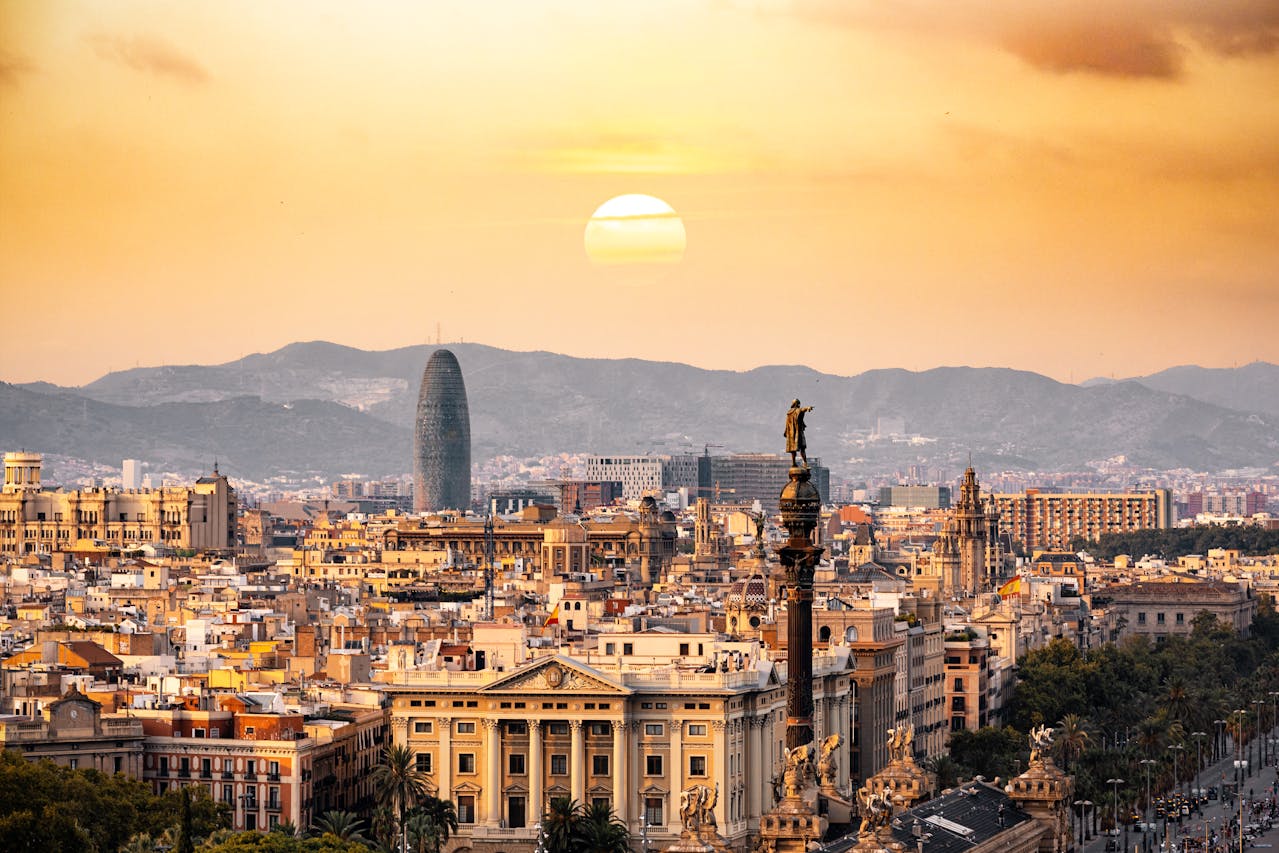
Looking for things to do in Barcelona? The city got under my skin in ways I did not expect. I had come for Gaudi – the Sagrada Familia, Park Guell, the famous buildings – and those delivered spectacularly. But what kept me wandering for a week was everything else: the narrow lanes of the Gothic Quarter at midnight, the vermouth bars where locals argued about football, the beaches that somehow exist ten minutes from medieval streets, the way the city blends ancient and modern without trying.
This is not just a Spanish city – it is Catalan, with its own language, traditions, and fierce regional identity. Understanding that tension adds depth to everything you see.
Gaudi’s Barcelona
Antoni Gaudi transformed Barcelona’s architecture in the late 19th and early 20th centuries. His buildings remain the city’s most famous attractions, and for good reason – nothing else in Europe looks like them.
Sagrada Familia
Gaudi’s unfinished masterpiece has been under construction since 1882 and remains incomplete, though the end is finally in sight. From outside, the facades are overwhelming – carved biblical scenes, dripping stonework, towers reaching skyward. But the interior is the revelation.
Walking inside for the first time stopped me cold. Gaudi designed the columns to branch like trees, creating a forest of stone that supports a ceiling flooded with coloured light from stained glass windows. Depending on the time of day, the light shifts from warm oranges and reds on one side to cool blues and greens on the other. It is unlike any church I have seen.
Practical details:
- Book online well in advance – tickets sell out, especially for tower access
- Entry €26-36 (£22-31) depending on options
- Tower access adds €10 (£8.50) and involves narrow stairs and tight spaces
- Morning light hits the Nativity facade; afternoon light illuminates the Passion facade
- Allow 2-3 hours to absorb it properly
Park Guell
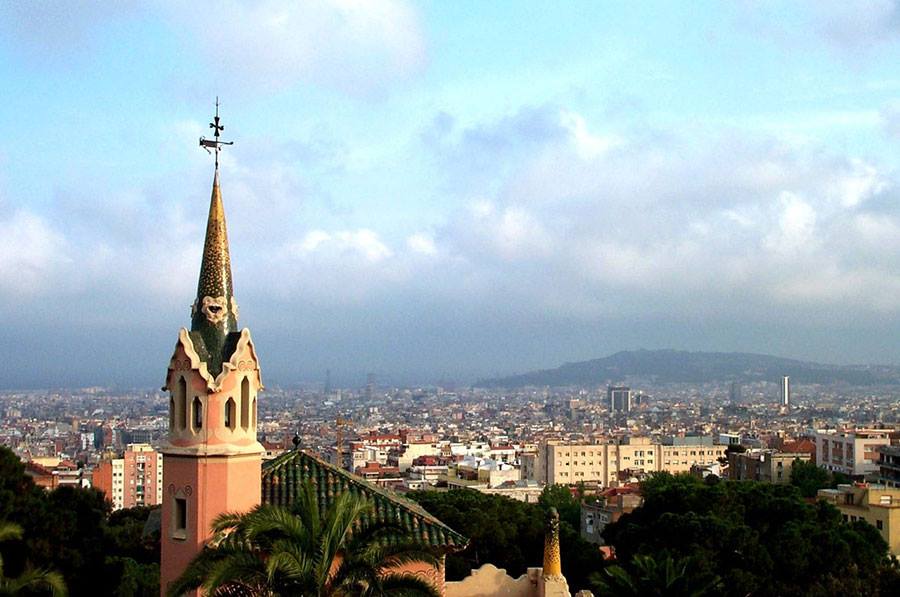
Originally planned as a housing development, Gaudi’s hillside park became a public garden when the project failed. The famous mosaic-covered terraces, the serpentine bench with its broken-tile decoration, and the gingerbread-style gatehouses all cluster in the Monumental Zone.
The views over Barcelona to the Mediterranean are excellent. Arrive early – the Monumental Zone limits visitors per time slot, and the crowds build quickly.
Tickets: €10 (£8.50) for the Monumental Zone (book online). The rest of the park is free but less interesting.
Casa Batllo
On Passeig de Gracia, the main upmarket boulevard, Casa Batllo is Gaudi’s renovation of an existing building into something organic and strange. The facade undulates like the sea, with bone-shaped columns and skull-like balconies (locals call it the House of Bones). Inside, curved walls, blue tilework, and flowing lines create spaces that feel alive.
The rooftop terrace, with its dragon-spine chimneys and views down the boulevard, is worth the climb.
Entry: €35 (£30) standard, more for special experiences. Book online.
Casa Mila (La Pedrera)
A few blocks from Casa Batllo, Casa Mila is an apartment building that still has residents – imagine living inside a Gaudi. The undulating stone facade and iron balconies are striking from the street. The rooftop, with its surreal chimney sculptures, is the highlight – particularly dramatic at sunset.
Entry: €25-35 (£21-30) depending on time and options.
The Gothic Quarter
The Barri Gotic predates Gaudi by centuries. This maze of narrow lanes and hidden squares sits on Roman foundations, with medieval buildings, churches, and architecture that has evolved over a thousand years. Getting lost here is the point.
What to See
Barcelona Cathedral – The Gothic cathedral at the heart of the old town, with a cloister containing 13 geese (representing Saint Eulalia’s age at martyrdom). The rooftop terrace offers views over the medieval rooftops.
Placa Reial – A graceful square off La Rambla, with palm trees, fountain, and Gaudi-designed lampposts (one of his earliest commissions). Good for evening drinks, though the restaurants are overpriced.
Placa del Pi – A quiet square with a Gothic church and weekend art market. Better atmosphere than the busier tourist plazas.
Roman remains – The Museu d’Historia de Barcelona (MUHBA) lets you walk through excavated Roman streets beneath the Gothic Quarter. Surprisingly extensive and atmospheric.
La Rambla
The famous pedestrian boulevard runs from Placa Catalunya to the port. Flower stalls, street performers, and crowds dominate the experience. It is worth walking once for the atmosphere, but the real Barcelona exists on either side of it.
The main attractions along La Rambla: La Boqueria market (touristy but photogenic), the Liceu opera house, and the Columbus monument at the harbour end.
Beyond the Centre
El Born
Adjacent to the Gothic Quarter but trendier and less touristy. The narrow streets here have better restaurants, interesting boutiques, and a livelier nightlife scene.
Picasso Museum – Housed in five medieval mansions, the collection focuses on Picasso’s early work and his Barcelona years. Not his most famous paintings, but fascinating for understanding his development. €12 (£10); free Thursday evenings.
Santa Maria del Mar – A beautiful Gothic church, simpler and more harmonious than the cathedral. Featured in the novel “Cathedral of the Sea.”
El Born Centre Cultural – A former market building now covering excavated remains from 1714, when Catalan resistance to the Spanish monarchy was crushed. Important for understanding Catalan identity.
Eixample
The 19th-century expansion above the old town, built on a grid pattern with distinctive chamfered corners. This is where you find the main Gaudi buildings, upmarket shopping, and the city’s best modernist architecture.
Walk Passeig de Gracia for the concentration of modernist facades. The Block of Discord features competing designs from Gaudi, Puig i Cadafalch, and Domenech i Montaner.
Gracia
A former village absorbed by the expanding city, Gracia maintains a distinct identity. The streets are narrower, the squares are local gathering places, and the vibe is bohemian. Good for independent shops, casual restaurants, and escaping tourist crowds.
Barceloneta and the Beaches
Barcelona has a seafront, which still surprises visitors. Barceloneta, the old fishing neighbourhood, leads to a string of urban beaches stretching northeast. The sand is imported, the water is acceptable, and on summer weekends half the city seems to be here.
Barceloneta beach is the most accessible and most crowded. Walking further to Bogatell or Mar Bella brings fewer people. Beach bars (chiringuitos) serve drinks and simple food.
The seafood restaurants in Barceloneta serve fresh fish, though quality varies – look for where locals eat, not where touts are working the street.
Food and Drink
Barcelona’s food scene mixes Catalan traditions with Spanish influences and international innovation.
Tapas
Small plates meant for sharing over drinks. Classic options:
- Patatas bravas – Fried potatoes with spicy tomato sauce and aioli
- Pan con tomate – Bread rubbed with tomato, olive oil, and salt (simpler and better than it sounds)
- Croquetas – Creamy bechamel fritters, usually ham or cod
- Jamon – Cured ham, sliced thin and eaten simply
- Boquerones – White anchovies in vinegar
Tapas is meant to be eaten standing at the bar or at small tables. The best places are crowded and local.
Catalan Specialities
Escalivada – Roasted peppers and aubergine with olive oil
Calcots – Spring onions grilled and dipped in romesco sauce (seasonal, winter/spring)
Fideus – Like paella but with short noodles instead of rice
Crema Catalana – Catalan creme brulee, lighter than the French version
Markets
La Boqueria – The famous market off La Rambla. Photogenic but tourist-priced. Good for looking, expensive for buying. The bars at the back serve fresh seafood.
Mercat de Santa Caterina – In El Born, more local, better prices. The building itself is striking – a modern roof over a historic market hall.
Vermouth Hour
Afternoon vermouth (vermut) with tapas is a Barcelona tradition. Bars serve vermouth on tap, usually with olives and small snacks. The old-fashioned vermuterias in Gracia and Poble Sec do this best.
Meal Times
Lunch runs 2-4pm; dinner rarely before 9pm, often 10pm. Many restaurants close between lunch and dinner. Adjust your schedule or go hungry.
Budget €12-18 (£10-15) for a menu del dia (lunch set menu), €25-40 (£21-34) for dinner at a sit-down restaurant.
Practical Information
Getting Around
Metro – Fast and efficient, covering most tourist areas. Single ticket €2.65 (£2.25); T-Casual card (10 trips) €12.55 (£10.70).
Walking – The Gothic Quarter, El Born, La Rambla, and Barceloneta are all walkable from each other. Wear comfortable shoes on the cobblestones.
From the airport – Aerobus runs every 5-10 minutes to Placa Catalunya. €7.75 (£6.60) single, 35-40 minutes.
When to Visit
April-June – Warm but not oppressive, fewer crowds than summer
September-October – Still warm, crowds thinner after August holidays
July-August – Hot (30°C+), crowded beaches, many locals leave the city
November-March – Cooler, lower prices, some attractions less busy
Safety
Barcelona has a well-deserved reputation for pickpockets. The main risk areas are La Rambla, the Metro (especially Line 3), the Gothic Quarter, and crowded tourist sites.
Precautions:
- Use a crossbody bag worn in front
- Never put phones or wallets in back pockets
- Be alert when anyone approaches you or creates a distraction
- Do not leave bags on chairs or under tables in restaurants
Violent crime is rare; theft is common.
Catalan Identity
Barcelona is the capital of Catalonia, which has its own language, culture, and complicated relationship with Spain. Street signs are in Catalan first, Spanish second. Independence flags hang from many balconies. Locals appreciate visitors who acknowledge the distinction – at minimum, knowing that Catalan exists and that Barcelona is not “just Spanish.”
A few Catalan words help: “bon dia” (good day), “gracies” (thank you), “adeu” (goodbye).
Power
Spain uses Type C and F plugs (two round pins). Voltage is 230V. UK visitors need a travel adapter.
Frequently Asked Questions
Do I need a visa to visit Barcelona?
UK and EU citizens do not need a visa for stays up to 90 days. US, Canadian, Australian, and many other nationals can also visit visa-free for up to 90 days within a 180-day period. Check with your local Spanish embassy for specific requirements based on your nationality.
What is the best time to visit Barcelona?
The best time to visit Barcelona is April to June or September to October, when the weather is warm but not oppressive and crowds are more manageable than in peak summer. July and August see temperatures above 30°C and crowded beaches. November to March offers cooler weather and lower prices, though some attractions may be less busy.
What currency does Barcelona use?
Barcelona uses the Euro (EUR). Credit and debit cards are widely accepted, but it’s good to carry some cash for smaller establishments, markets, and tapas bars. ATMs are readily available throughout the city.
What type of power plugs are used in Barcelona?
Spain uses Type C and F plugs with two round pins. The voltage is 230V at 50Hz. UK visitors will need a travel adapter, while US visitors need both an adapter and may need a voltage converter for devices that don’t support 230V.
How much does a trip to Barcelona cost?
Budget €12-18 for a lunch menu del dia and €25-40 for dinner at a sit-down restaurant. Metro tickets cost €2.65 single or €12.55 for a 10-trip card. Major attractions like Sagrada Familia cost €26-36 and Park Guell €10. Mid-range hotels typically cost €80-150 per night.
Is Barcelona safe for tourists?
Barcelona is generally safe, but it has a well-deserved reputation for pickpockets. The main risk areas are La Rambla, the Metro (especially Line 3), the Gothic Quarter, and crowded tourist sites. Use a crossbody bag worn in front, never put valuables in back pockets, and stay alert in crowded areas. Violent crime is rare.