Lanzarote Holidays: Beaches & Travel Guide
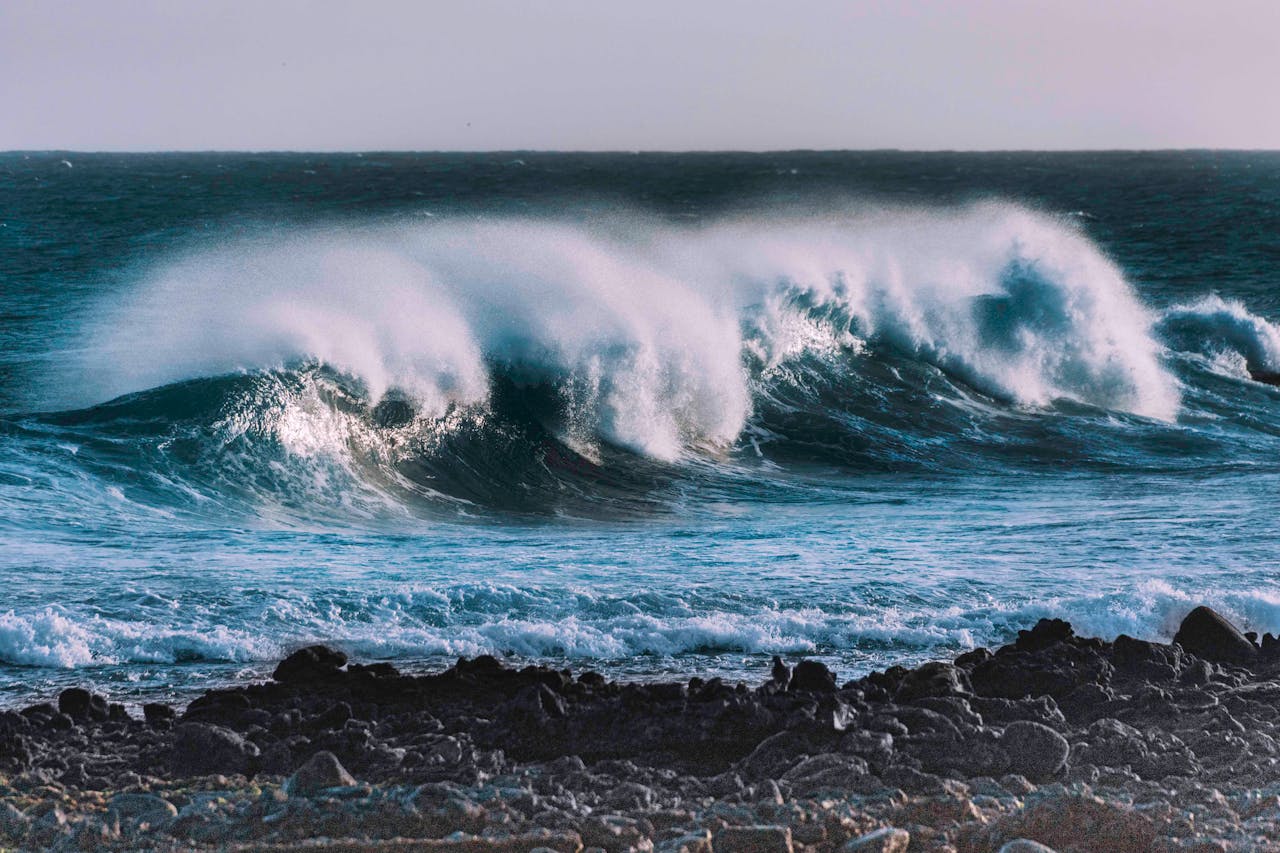
Lanzarote holidays are unlike anywhere else. I hired a car on my first day and drove to Timanfaya thinking I knew what to expect. I did not. The Fire Mountains are genuinely alien – black lava fields stretching to the horizon, steam rising from the ground, and a restaurant that grills food using volcanic heat from a hole in the ground. The rest of the week I worked through César Manrique’s sites, each one demonstrating how architecture and volcanic landscape can work together. Jameos del Agua – a cave with a dance floor and tiny blind crabs – was my favourite. Lanzarote is a four-hour flight from the UK but feels like another planet.
Lanzarote looks like nowhere else. Volcanic eruptions in the 1730s covered a third of the island in lava, creating an otherworldly landscape of black rock, craters, and rust-coloured earth. The artist César Manrique fought to preserve the island from overdevelopment, and his influence is everywhere.
Main Attractions
Timanfaya National Park
The Fire Mountains – a stark volcanic landscape with no vegetation. The ground is still hot enough that water poured into holes erupts as steam.
- Coach tour around the park included with entry (€12)
- Restaurant El Diablo cooks food using volcanic heat
- Camel rides available at the park entrance
- Best visited morning or late afternoon
César Manrique Sites
Manrique (1919-1992) was a local artist and architect who shaped modern Lanzarote. His work blends architecture with volcanic landscape:
- Jameos del Agua: Underground volcanic cave turned cultural centre with pool, auditorium, and bar. Watch for the blind albino crabs.
- Cueva de los Verdes: Lava tube you can walk through with guided tour.
- Jardín de Cactus: Former quarry turned cactus garden with 1,400+ species.
- Mirador del Río: Viewpoint over La Graciosa island with Manrique-designed café.
- Fundación César Manrique: His former home built into volcanic bubbles.
A combined ticket for all Manrique sites (CACT) costs around €35.
Other Sights
La Geria: Wine region where vines grow in volcanic ash, protected by crescent-shaped stone walls. Visit bodegas for tastings.
Los Hervideros: Cliffs on the southwest coast where waves crash into sea caves.
Janubio Salt Flats: Working salt pans producing sea salt.
El Golfo: Volcanic crater with a green lagoon (Charco de los Clicos). Nearby restaurants serve fresh fish.
Beaches
Lanzarote has both golden and black sand beaches:
Best beaches:
- Papagayo: South coast, sheltered coves with clear water. €3 car access fee.
- Playa Flamingo/Playa Dorada: Playa Blanca area, calm and family-friendly.
- Playa Grande: Puerto del Carmen’s main beach.
- Famara: North coast, long beach popular with surfers. Strong currents – take care.
- Caletón Blanco: North, natural lava pools, safe for families.
Where to Stay
Puerto del Carmen: Largest resort, 6km of beach, bars, restaurants. Livelier nightlife.
Playa Blanca: Southern tip, quieter, good beaches, ferries to Fuerteventura.
Costa Teguise: East coast, windsurfing, family resorts.
Famara: Surfers, budget travellers, more local atmosphere.
Puerto Calero: Small upmarket marina.
Family Activities
- Rancho Texas: Wild West-themed zoo and water park
- Aqualava Waterpark: Volcano-themed water park in Playa Blanca
- Submarine Safari: See marine life from an underwater vessel
- Pirate Museum: Castle of Santa Bárbara in Teguise
Costs
Lanzarote is moderately priced for the Canaries.
Sample prices:
- Coffee: €1.50-2.50
- Beer: €2-3
- Restaurant meal: €12-20
- Timanfaya entry: €12
- Car hire: €25-40/day
- Budget hotel: €50-80
- Mid-range hotel: €80-150
Getting There and Around
Arrecife Airport (ACE) receives flights from across Europe. 4-hour flight from UK.
Car rental is the best way to explore. Roads are good. Book ahead in peak season.
Bus service connects main towns but is limited for sightseeing.
Ferries to Fuerteventura from Playa Blanca (35 minutes).
When to Visit
Year-round destination with mild temperatures (18-28°C). Slightly cooler January-March, warmest July-September. Very little rain.
Trade winds can pick up, especially on the north coast – good for windsurfing, less pleasant for sunbathing.
Practical Info
- Currency: Euro
- Language: Spanish
- Plug type: Type C/F (two round pins). UK visitors need adapter.
- Teguise Market: Every Sunday, island’s biggest market.
- Canary Islands Day: May 30th – local public holiday.
Frequently Asked Questions
Do I need a visa to visit Lanzarote?
As part of Spain, Lanzarote follows Schengen rules. UK, US, Canadian, and Australian citizens can visit visa-free for up to 90 days within any 180-day period. Your passport should be valid for at least 3 months beyond your departure date. From 2026, ETIAS authorization may be required for non-EU visitors.
When is the best time to visit Lanzarote?
Lanzarote is a year-round destination with mild temperatures (18-28°C). The warmest months are July-September, while January-March are slightly cooler. The island receives very little rain throughout the year. Trade winds can pick up, especially on the north coast, which is ideal for windsurfing but less pleasant for sunbathing.
What currency does Lanzarote use?
Lanzarote uses the Euro as its currency. Credit and debit cards are widely accepted, but it’s advisable to carry some cash for markets, small shops, and emergencies.
How much does a trip to Lanzarote cost?
Lanzarote is moderately priced for the Canary Islands. Expect to pay €1.50-2.50 for coffee, €2-3 for beer, and €12-20 for a restaurant meal. Timanfaya National Park entry costs €12, while car hire runs €25-40 per day. Budget hotels start at €50-80, with mid-range options at €80-150 per night.
Is Lanzarote safe for tourists?
Lanzarote is very safe for tourists. Standard precautions apply as with any destination – watch your belongings in crowded areas and be aware of your surroundings. The island has low crime rates and is considered one of the safest destinations in the Canary Islands.
Do I need a car to explore Lanzarote?
While buses connect main towns, car rental is the best way to explore Lanzarote’s attractions. Roads are good and well-maintained. Book ahead during peak season. The island is small enough that most attractions are within 30-45 minutes’ drive from your accommodation.