Best Travel Pillows
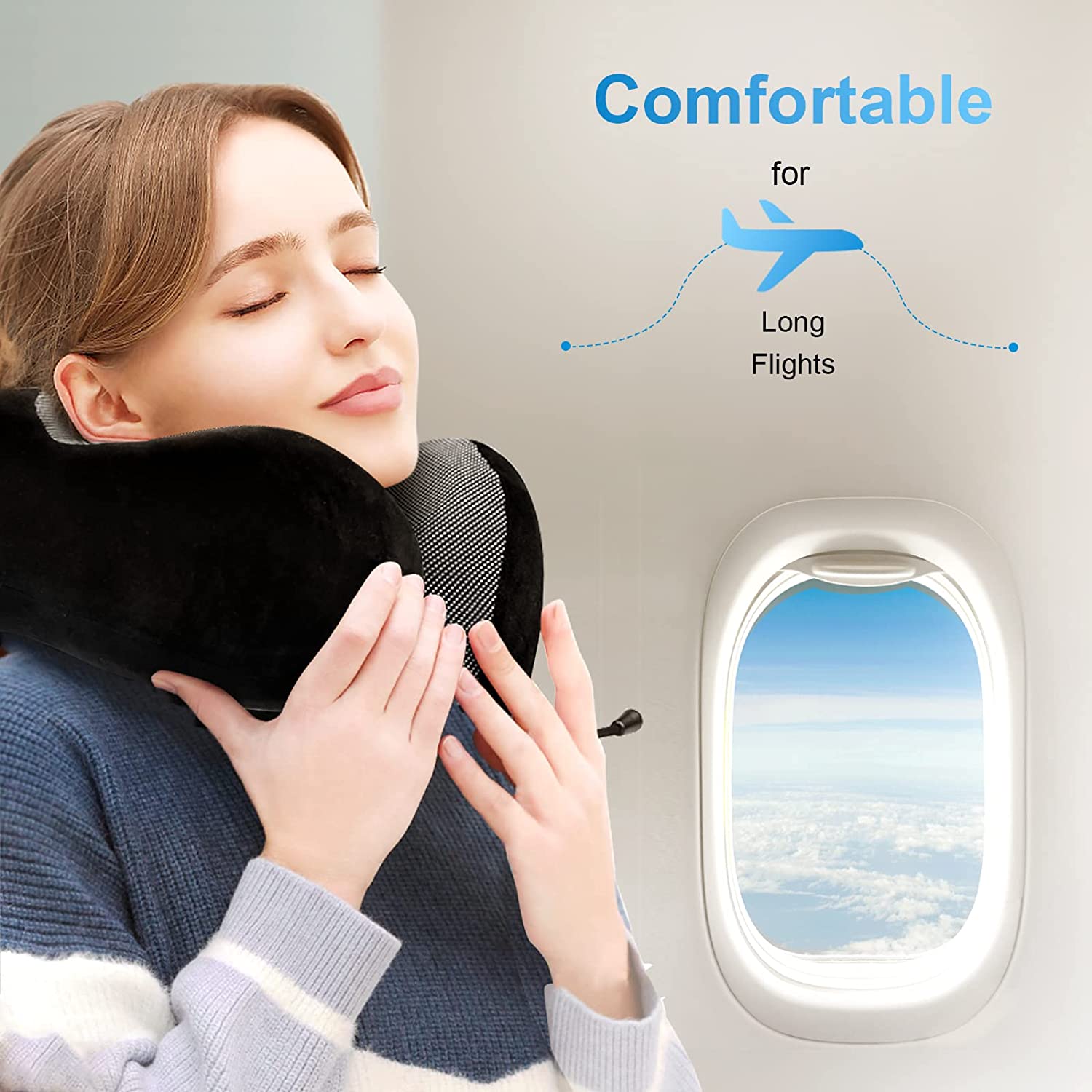
I used to dismiss travel pillows as overpriced foam that takes up bag space. Then I took a fourteen-hour flight to Auckland in economy, arrived unable to turn my head properly, and spent the first two days of my trip wincing every time I looked sideways. On the return flight I used a borrowed Trtl pillow and slept for eight hours. That was the conversion. Since then I have tested more than a dozen different styles on flights across multiple continents, and I now consider a neck pillow as essential as my passport.
A good travel pillow makes the difference between arriving rested or arriving wrecked. After years of real testing — economy seats, red-eyes, 12-hour coaches — here is everything I know about choosing the right one.
Types of Travel Pillows
Understanding the four main design types saves you from buying the wrong one. The type you need depends primarily on how you sleep, not which one looks nicest in a product photo.
Memory Foam (U-shaped)
The classic design. A U-shaped cushion filled with memory foam that wraps around your neck, providing a cradle for your head when you lean to the side. The foam softens with body heat and moulds to your neck shape over the first few minutes of use.
Best for: Side sleepers, window-seat travellers, anyone who finds structured pillows uncomfortable.
Pros: Genuinely comfortable, familiar to use, good range of prices from £10 budget to £40 premium.
Cons: Bulkiest type — even compressed, a memory foam pillow takes up real carry-on space. Does not prevent forward head drop.
Inflatable
Deflated to near-nothing for packing, inflated in 20–30 seconds when needed. Modern versions use built-in pumps rather than requiring you to blow them up, which is both more hygienic and faster.
Best for: Ultralight packers, travellers on multiple connecting flights, occasional use.
Pros: Packs to the size of a small orange. Firmness is adjustable by inflation level.
Cons: Less comfortable than foam. Some deflate slowly during sleep. The PVC or TPU bladder can feel cold against bare skin.
Structured Support (Scarf-style)
Pillows like the Trtl use a hidden internal frame rather than cushioning to hold your head upright. The scarf wraps around your neck and the rigid plastic insert props your head at an angle so it doesn’t drop forward.
Best for: Upright sleepers, economy-class flyers who need the most compact option, those who find U-shaped pillows slip off during sleep.
Pros: Significantly smaller than foam alternatives. Prevents forward head drop — the main failure mode of standard U-pillows.
Cons: Takes adjustment — the first flight with one can feel odd. Less versatile for leaning sideways.
Wraparound and Chin-Support Designs
A newer category that addresses the core problem with U-pillows: your head can still fall forward. These pillows add a chin-support element — either a soft wraparound arm (BCOZZY), a J-shaped extension (J-Pillow), or a 360-degree hood design.
Best for: Anyone whose head drops forward when they sleep, preventing that jolt-awake sensation at 3am over the Atlantic.
Pros: Solve the forward head drop problem without the rigidity of scarf-style pillows.
Cons: Bulkier than standard U-pillows. Can interfere with headphones.
Our Top Picks
These are the pillows I would actually pack, based on genuine testing. Not sponsored selections — I bought most of these myself.
Best Overall: Trtl Pillow
The Trtl is the pillow I reach for on any flight over eight hours. The scarf-style design with internal plastic support keeps your head upright without the bulk of foam. Machine washable. The Trtl Plus version adds adjustable height for a more precise fit, worth the extra spend on long-haul routes.
Best for: Economy class seats, compact packing, upright sleepers
Price: £25–45 depending on version
Best Memory Foam: SNUGL Travel Pillow
After 20+ flights with the SNUGL, it remains the memory foam pillow I’d recommend to anyone who finds structured pillows too rigid. The 70D VISCO-Elastic foam holds its shape across years of use, the adjustable toggle keeps it from shifting, and the velour cover is washable. Compared to the Trtl, it’s bulkier but softer and works better for leaning sideways.
Best for: Those who prefer traditional pillow feel, side sleepers, headphone users
Price: £20–30
Best Chin Support: J-Pillow
The J-shape provides three-way support — neck, chin, and side of head — that standard U-pillows cannot match. Designed by a former flight attendant and British Invention of the Year winner. The anti-slip scarf keeps it positioned correctly. Soft plush cover, machine washable.
Best for: Preventing forward head drop, side sleepers leaning towards the window
Price: £35–45
Best Inflatable: Travelrest Ultimate
Worn across the torso rather than around the neck, the Travelrest provides lateral support for sleeping leaning to one side. Particularly useful in aisle seats where there is no window to lean on. Packs down to the size of a rolled sock.
Best for: Side sleepers, aisle-seat passengers, ultralight packers
Price: £25–35
Best Wraparound Design: BCOZZY Travel Pillow
Wraparound design with two arms that overlap under your chin. Prevents forward head drop without a rigid internal frame. Soft polyester fibre filling rather than memory foam — lighter feel, though less structured. Machine washable. Bulkier than scarf-style options but versatile in sleeping positions.
Best for: Chin support without rigidity, soft-pillow preference
Price: £30–40
Best Budget: BUYUE Travel Pillow
360° head support design with soft micro-velvet cover and PP cotton filling. Includes a contoured eye mask and earplugs — the whole sleep kit for around £23. Not as compact as inflatable options and not as premium as the Trtl, but remarkable value for occasional long-haul travellers.
Best for: Budget-conscious travellers, those who forget to pack an eye mask
Price: £20–25 including accessories
Choosing by Sleeping Position
This is the most important factor most buyers overlook. The wrong pillow for your sleep style is worse than no pillow at all.
If you sleep upright (head balanced above shoulders)
You need a pillow that prevents your head from dropping in any direction. The Trtl is the strongest option here — the internal frame does the work. The BCOZZY and BUYUE chin-support designs are softer alternatives. Standard U-pillows are poor for upright sleepers because they do nothing to prevent forward head drop.
If you lean against the window
A traditional memory foam U-pillow works well here. The foam cushions the side of your neck and provides a comfortable surface to lean into. The SNUGL and portable memory foam option are both solid. The Travelrest is the best option if you want full upper-body lateral support.
If you lean on your tray table or forward
Difficult to solve with a standard neck pillow. The Trtl Plus with its multi-angle support handles this better than most. Some travellers combine a neck pillow with a small lumbar cushion behind their back, which shifts the load. See our guide on how to sleep on a plane for a full breakdown of positions.
If you’re a side sleeper on long-haul flights
Side sleepers need lateral support, not just neck cushioning. The J-Pillow handles this particularly well. The Travelrest is worth considering if you want full torso support. See our dedicated guide to the best travel pillows for side sleepers.
Long-Haul vs Short-Haul: Does It Matter?
Yes — significantly. On a 2-hour flight, almost any pillow does the job. On a 14-hour overnight to Singapore, the wrong choice means you arrive in pain.
For flights under 4 hours, a budget memory foam pillow or even an inflatable is fine. You’re not aiming for deep sleep — just reducing neck strain during a nap.
For flights over 8 hours, invest in a quality pillow. The Trtl or J-Pillow for upright sleepers; the SNUGL or Travelrest for side sleepers. The price difference between a £12 airport shop pillow and a £30 quality option is nothing against the cost of a ruined first day at your destination.
For a full breakdown of options by flight length, read our guide to the best travel pillows for long-haul flights.
Memory Foam vs Inflatable: The Quick Version
If packing space is your main concern, go inflatable. If comfort is your priority and you have room in your carry-on, go memory foam. For a full comparison of materials, construction quality, and which suits which traveller, read our memory foam vs inflatable travel pillow guide.
Budget Guide
Travel pillows span an enormous price range. Here is what each tier actually gets you:
Under £15 (Aidapt, budget generics): Basic memory foam with removable cover. Functional, firm, no extras. Good for testing whether travel pillows work for you before spending more. See the Aidapt review for what to expect.
£15–30 (SNUGL, BUYUE, Purefly): Mid-range quality foam or inflatable with washable covers, carry bags, and in some cases included accessories. This is the sweet spot for most travellers.
£30–50 (Trtl, J-Pillow, BCOZZY): Premium designs with engineered support systems, not just cushioning. Worth it for frequent flyers and anyone doing multiple long-haul routes per year.
£50+ (Cabeau Evolution S3, Ostrichpillow): Top-tier options with premium memory foam, seat-strap attachments, and luxury cover materials. Diminishing returns unless you fly business regularly or have specific support needs.
Comparison Table
| Pillow | Type | Price (UK) | Best For | Chin Support | Packs Small |
|---|---|---|---|---|---|
| Trtl Pillow | Scarf/frame | £25–45 | Upright sleepers, compact packing | Yes (frame) | Yes |
| SNUGL | Memory foam | £20–30 | Traditional comfort, side leaning | No | Medium |
| J-Pillow | Soft chin support | £35–45 | Side sleepers, chin support | Yes | Medium |
| Travelrest | Inflatable body | £25–35 | Aisle seats, side sleepers | No | Yes |
| BCOZZY | Wraparound | £30–40 | Soft chin support | Yes | No |
| BUYUE | 360° foam | £20–25 | Budget, full kit included | Yes | Medium |
| Purefly | Inflatable (pump) | £15–25 | No-fuss inflation | No | Yes |
| Aidapt | Memory foam | £8–12 | Budget testing | No | Medium |
Packing and Size: What Fits in Your Carry-On
Size matters as much as comfort, especially if you travel with only a carry-on bag. Here is how the main options stack up:
Most compact: Inflatable pillows (Travelrest, Purefly) deflate to roughly 10cm x 6cm — smaller than a paperback. Scarf-style pillows (Trtl) fold flat to about 30cm x 5cm.
Mid-size: Most memory foam U-pillows with compression bags reduce to roughly the size of a large grapefruit. They clip to the outside of a bag if you cannot fit them inside.
Largest: Wraparound designs (BCOZZY, J-Pillow) compress less than simple U-shapes. You will likely clip these to your luggage rather than pack them inside.
For detailed sizing charts and cabin-bag compatibility, see our travel pillow size guide.
What to Look For When Buying
Sleeping position: This determines design type more than anything else. Upright sleepers need chin/frame support; side sleepers need lateral cushioning.
Flight length: Budget options work fine for short-haul. Long-haul justifies spending £30–45.
Carry-on space: If you travel light, inflatable or scarf-style. If you always check a bag or use a larger carry-on, memory foam is a comfortable step up.
Washability: Pillows accumulate sweat, skin cells, and airline-seat grime. Removable, machine-washable covers are non-negotiable for regular travellers.
Compatibility with glasses and headphones: Structured frame pillows can press against over-ear headphones and glasses arms. If you wear either, try before a long trip or choose a softer design.
Frequently Asked Questions
What is the best travel pillow for long flights?
For flights over 8 hours, memory foam or structured support pillows work best. The Trtl keeps your head upright without bulk, while the J-Pillow prevents the forward head drop that wakes you up. Both pack smaller than traditional U-shaped pillows while providing better support for extended sleep. Full breakdown in our long-haul flight pillow guide.
Are inflatable travel pillows worth it?
Inflatable pillows pack smallest and let you adjust firmness, making them good for travellers with limited bag space. They’re less comfortable than memory foam and can deflate during the flight. Best for occasional use or as a backup. The Purefly’s built-in pump removes the main annoyance — having to blow it up in a crowded cabin.
How do I choose between memory foam and inflatable?
Choose memory foam if comfort is your priority and you have bag space. Choose inflatable if packing space is limited or you want adjustable firmness. Memory foam is warmer and feels more like a real pillow. Inflatables stay cooler and pack much smaller. Full comparison: memory foam vs inflatable travel pillow.
Can I wash my travel pillow?
Most quality travel pillows have removable, machine-washable covers. The Trtl is fully machine washable. The Trekology camping pillow has a removable washable cover over a wipe-clean bladder. Pillows used on planes accumulate germs quickly — wash after every 3–4 trips minimum.
Do travel pillows work in economy class?
Yes, but seat space affects which type works best. Scarf-style pillows like the Trtl work well in tight seats because they add no bulk to the seat area. Traditional U-shaped pillows can feel cramped in economy. Window seats give more leaning room regardless of type.
Are there good travel pillows for children?
Yes — the Trtl Junior is sized for children 8+, and the BUYUE comes in a Small size for narrower neck widths. Standard adult pillows are often too large for children under 10 and can restrict movement rather than support it. See our guide to travel pillows for kids for age-appropriate recommendations.
Is a travel pillow allowed in hand luggage?
Yes — all standard travel pillows are allowed as cabin bag items. They count as part of your personal item or hand luggage allowance rather than being treated as a separate carry-on. Inflatable pillows take up almost no space when deflated; foam pillows can clip to the outside of your bag if space is tight.
Related Guides
Individual Pillow Reviews
- Trtl Pillow Review
- SNUGL Travel Pillow Review
- BCOZZY Travel Pillow Review
- J-Pillow Review
- Buyue Travel Neck Pillow
- Ergonomad Memory Foam Pillow
- Martian Luxury Neck Pillow
- Aidapt Travel Pillow Review
- Portable Travel Pillow Review
- Purefly Travel Pillow Review
- Trekology Camping Pillow Review
Buying Guides and How-Tos
- Best Travel Pillow for Long-Haul Flights
- Best Travel Pillow for Side Sleepers
- Memory Foam vs Inflatable Travel Pillow
- How to Sleep on a Plane
- Travel Pillow for Kids
- Travel Pillow Size Guide