Trip Budget Guide: How to Plan Travel Costs
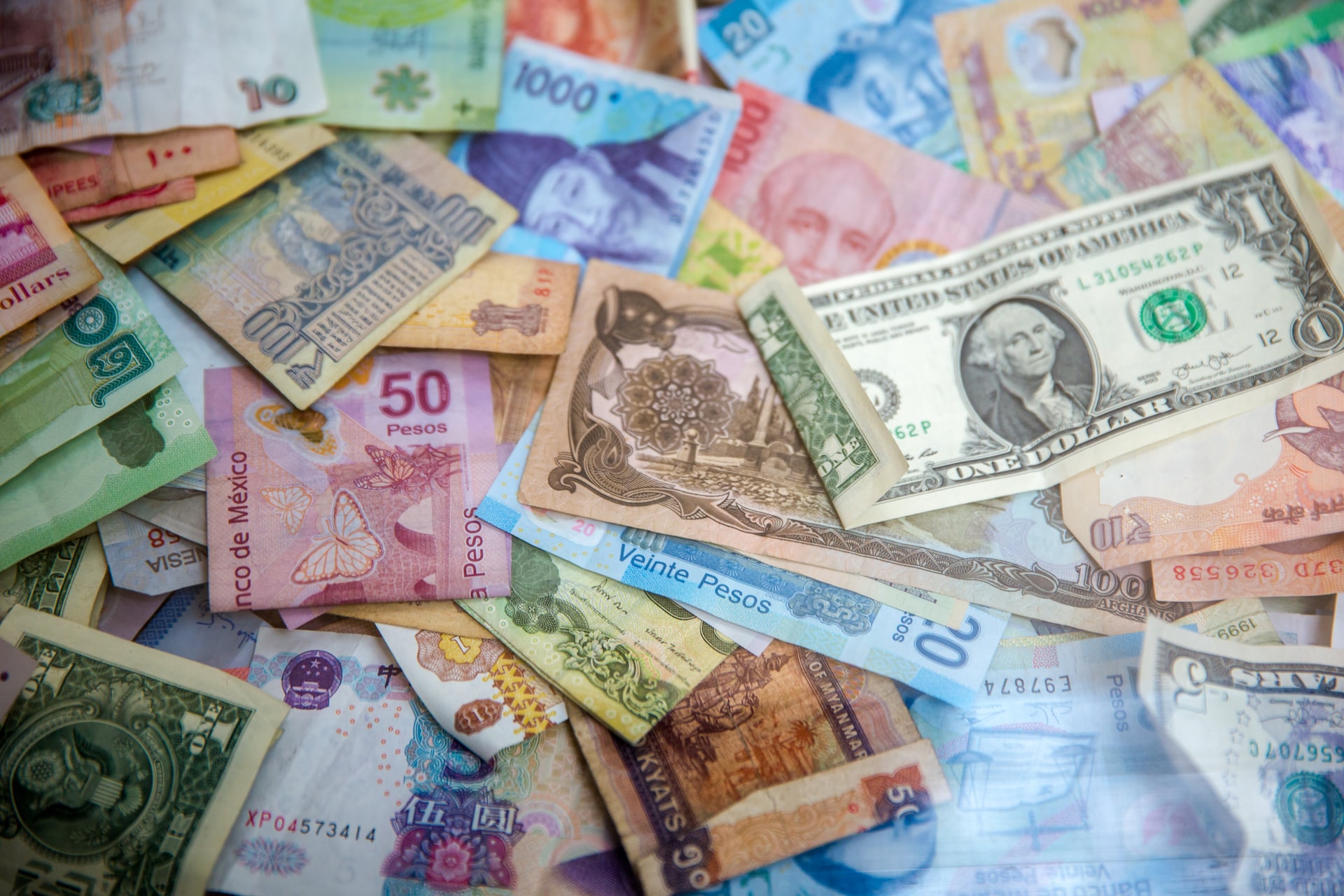
I learned to budget for trips the hard way. My first solo trip to Europe nearly bankrupted me because I had no idea how fast money disappears when you are eating out three times a day and taking taxis instead of public transport. Since then I have become obsessive about trip budgeting – I use a spreadsheet, I research average costs before departure, and I set aside an emergency fund that I have had to use exactly twice. The difference between a stressful trip and a relaxed one often comes down to whether you planned your finances properly.
1. Determine your travel goals
Before you start budgeting for your trip, it’s important to take a step back and determine your travel goals. Are you looking to relax on a beach for two weeks or explore a new city for a long weekend? Do you want to stay in luxury hotels or save money by staying in hostels? Once you have a good idea of what you want to do on your trip, you can start to budget accordingly.
2. Set a budget
Once you know what you want to do on your trip, it’s time to set a budget. Start by estimating how much money you will need for airfare, accommodation, food, and activities. Then, research the average costs of these items at your destination to get a better idea of how much money you will need to spend. Once you have an estimate of your expenses, set a budget and make sure to stick to it.
3. Save up in advance
If you want to save money on your trip, start saving as soon as possible. Set aside a fixed amount each month specifically for your trip — at least 10% of your monthly income if you can. Look for ways to cut back on other expenses too; eating out less often or cutting unnecessary subscriptions can free up more money each month.
4. Use credit cards wisely
If you plan on using credit cards while on your trip, it’s important to use them wisely. First, make sure that you have a credit card that doesn’t charge foreign transaction fees as this can add up quickly. Second, only use your credit card for purchases that you can afford to pay off in full when the bill comes due. Finally, don’t forget to factor in the interest rates when budgeting for your purchases as this can add up over time if not paid off quickly.
5. Look for deals and discounts
There are many ways to cut travel costs. Airlines often offer cheaper fares for booking well in advance or travelling at less popular times. Hotels frequently discount for off-peak periods or multi-night stays. You can also find deals on activities through Groupon or similar sites.
6. Be prepared for unexpected expenses
No matter how well you budget for your trip, there’s always a chance that something will come up that you didn’t plan for. Whether it’s an unexpected medical expense or a last-minute hotel room cancellation, it’s important to have some money set aside for these unexpected costs. One way to do this is to create a “rainy day fund” specifically for your trip. This is an account that you only use in case of an emergency and it can help you cover unexpected costs without putting a dent in your overall trip budget.
7. Use budget-friendly travel hacks
Use flight comparison tools like Momondo or Skyscanner for cheap flights. Airbnb can beat hotel prices for longer stays. Free walking tours exist in most major cities, and happy hours are worth knowing about. Small savings add up over a week-long trip.
8. Tracking your spending
Once you’re on your trip, it’s important to keep track of your spending. This can help you stay within your budget and avoid overspending. One way to do this is to withdraw a set amount of cash for each day of your trip. Then, as you spend money, keep track of what you’re spending it on. This can be done by keeping a journal or using a budgeting app on your phone. By tracking your spending, you can get a better idea of where your money is going and make adjustments accordingly.
9. Have realistic expectations
It’s important to have realistic expectations when it comes to saving money on your trip. While there are many ways to save money, it’s still possible to spend a lot of money if you’re not careful. If you’re realistic about what you can and can’t afford, you can set a budget that you’re more likely to stick to. Realistic expectations also help you avoid disappointment if you can’t do everything you planned.
10. Enjoy your trip!
The most important thing: do not let the budget become the point of the trip. Be mindful of spending, but if something is worth paying for, pay for it. A few unexpected splurges matter far less than the trip itself.
Frequently Asked Questions
How much should I save each month for a trip?
Aim to save at least 10% of your monthly income specifically for travel. If you earn $3,000 per month, that’s $300 toward your trip fund. For faster savings, cut back on unnecessary expenses like eating out or subscriptions.
When should I start budgeting for a trip?
Start budgeting as soon as you decide on your destination. Research average costs for flights, accommodation, food, and activities to set a realistic savings goal. The earlier you start, the less financial pressure you’ll feel.
What’s the best way to track spending while traveling?
Withdraw a set amount of cash for each day and track what you spend it on using a journal or budgeting app like Trail Wallet or Splitwise. This helps you stay within budget and identify where your money goes.
Should I use credit cards or cash when traveling?
Use a credit card with no foreign transaction fees for major purchases you can pay off immediately. Keep cash for small purchases, tips, and places that don’t accept cards. Never carry your entire budget in cash.
How do I avoid unexpected travel expenses?
Create a rainy day fund with 10-20% extra budget for emergencies. Research visa fees, tourist taxes, and required vaccinations before departure. Check if your destination requires travel insurance or specific documentation.