Cayman Islands

Cayman Islands
Cayman Islands

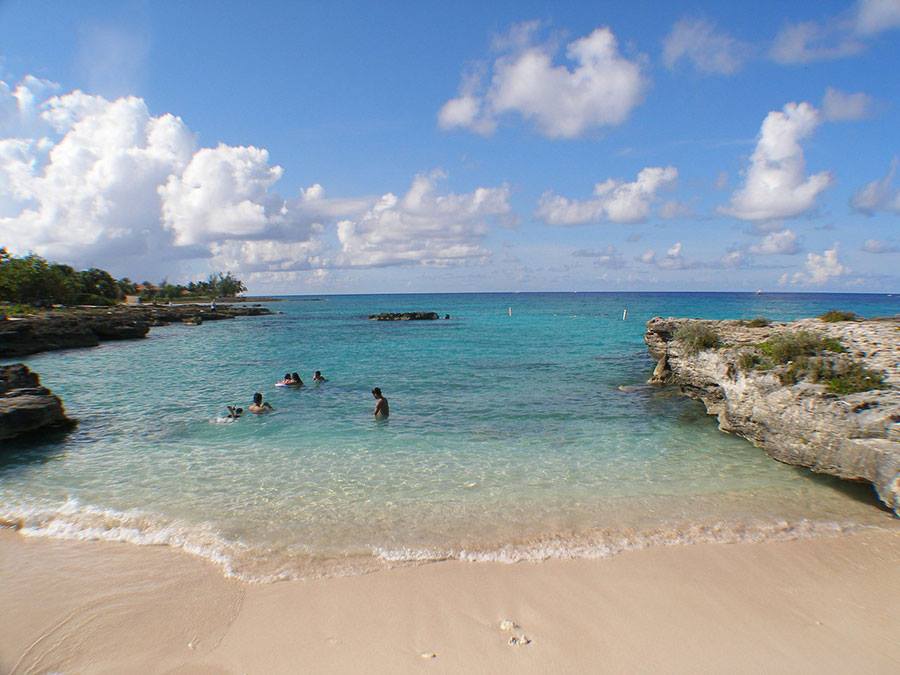
The Cayman Islands feel like the Caribbean turned up to eleven – the water is bluer, the beaches are whiter, and the diving is better than almost anywhere else in the region. I spent a week on Grand Cayman and came away understanding why this tiny British territory has become synonymous with both offshore banking and underwater adventure.

What surprised me was how developed and polished the islands are. This is not a rustic beach destination – the infrastructure is excellent, the roads are well-maintained, and the resorts range from comfortable to genuinely luxurious. The prices match the polish, making the Caymans one of the more expensive Caribbean destinations. But for diving, the value is hard to argue with.

Grand Cayman

The largest of the three islands holds most of the population and the vast majority of the tourism. The western shore, with Seven Mile Beach and the capital George Town, is where most visitors stay.

Seven Mile Beach

The main attraction and genuinely one of the Caribbean’s best beaches. The sand is soft and white, the water is calm and clear, and the beach runs (despite the name) for about 5.5 miles along the western coast. Most of the major resorts line the beach, along with beach bars, restaurants, and water sports operators.

The northern end tends to be quieter; the southern end near George Town is busier, especially when cruise ships are in port. Public beach access points are scattered along the length, so you do not need a resort stay to enjoy the sand.

George Town

The capital is small but lively, particularly when cruise ships dock. The waterfront has shops, restaurants, and bars catering to day-trippers. Beyond the tourist strip, the town has some character – the Cayman Islands National Museum provides good context on the islands’ history, from maritime traditions to the development of the offshore finance industry.

The Cayman Craft Market, near the cruise terminal, sells local crafts and souvenirs. Quality varies, but it is more interesting than the duty-free shops.

Stingray City

The most famous attraction in the Caymans, and genuinely worth the hype. Stingray City is a series of shallow sandbars in the North Sound where southern stingrays have gathered for decades, originally drawn by fishermen cleaning their catch.

Tour boats bring visitors to stand waist-deep in warm, clear water surrounded by dozens of large rays. The animals are accustomed to humans and come close for food and interaction – they brush against your legs, take squid from your hands, and pose remarkably well for photographs. It sounds gimmicky; in practice, it is magical.

Multiple operators run half-day tours (CI$50-80 / £45-70), usually combined with snorkelling stops. Book ahead in peak season.

Other Attractions

Cayman Turtle Centre – A conservation facility and tourist attraction where you can see green sea turtles at all life stages, from hatchlings to adults. The snorkelling lagoon lets you swim with turtles and other marine life. Entry CI$45 (£40) for adults; worth it if you are interested in marine conservation.

Hell – A small area of jagged black rock formations, named for their hellish appearance. The rocks themselves are interesting; the tourist infrastructure (gift shops selling “I’ve been to Hell and back” postcards) is kitschy. Worth a brief stop if you are in the area.

Queen Elizabeth II Botanic Park – 65 acres of gardens and natural woodland, with native plants, blue iguanas, and a traditional Caymanian cottage. A quiet escape from the beach.

Diving the Caymans

The Cayman Islands are one of the world’s premier diving destinations. The visibility is exceptional (often exceeding 30 metres), the water is warm year-round, and the variety of sites – walls, wrecks, reefs, and swim-throughs – caters to all experience levels.

The Walls

Grand Cayman sits on a submarine plateau; the ocean floor drops away dramatically on three sides. These underwater walls start at 15-20 metres and plunge to thousands of metres below. Divers descend to the wall edge and drift along, watching the abyss below while exploring the corals, sponges, and marine life on the vertical face.

The West Wall is most accessible from Seven Mile Beach; the East End and North Wall require longer boat rides but offer less crowded sites.

Wrecks

USS Kittiwake – A former US Navy submarine rescue vessel, deliberately sunk in 2011 to create an artificial reef. The ship sits upright in 19 metres of water, with its upper decks accessible to snorkellers. Penetration diving is possible for certified divers. The structure has developed good marine life and is now one of the most popular sites in the Caribbean.

Doc Polson – A smaller wreck in shallower water, good for less experienced divers.

Marine Life

Expect to see reef sharks, turtles, eagle rays, barracuda, and the usual Caribbean reef fish. Hammerhead sharks are occasionally spotted on deeper dives. Night diving reveals octopuses, lobsters, and bioluminescent creatures.

Practicalities

Two-tank boat dives cost CI$100-150 (£90-135); shore diving from the ironshore costs less but offers fewer options. PADI certification courses are widely available. Dozens of dive operators serve Grand Cayman; the larger ones (Red Sail Sports, Divetech, Ocean Frontiers) have good reputations.

Little Cayman and Cayman Brac

The two smaller islands, known as the Sister Islands, are quieter, less developed, and even better for diving.

Little Cayman

The smallest of the three islands (population around 200), Little Cayman is almost entirely dedicated to diving. Bloody Bay Marine Park, on the north coast, contains some of the Caribbean’s most spectacular wall diving – the Bloody Bay Wall drops from 6 metres to over 1,800 metres, with pristine coral and abundant marine life.

Accommodation is limited to a handful of dive resorts and small hotels. This is not a beach destination – come here to dive.

Cayman Brac

Larger than Little Cayman but still quiet, with dramatic bluff scenery and good diving. The MV Captain Keith Tibbetts, a deliberately sunk Russian frigate, is the signature wreck dive. The island also has hiking trails, caves, and a more local character than Grand Cayman.

Both Sister Islands are reached by small planes from Grand Cayman (about 40 minutes).

Practical Information

Getting There

Owen Roberts International Airport on Grand Cayman has direct flights from Miami, New York, Atlanta, Charlotte, Toronto, and London (British Airways seasonal). Cayman Airways operates inter-island flights and regional connections.

Getting Around

Grand Cayman requires a car or taxi to explore properly. Rental cars are readily available (CI$40-80 / £35-70 per day); driving is on the left. Taxis are expensive but convenient for airport transfers and short trips.

Public buses run along the main routes on Grand Cayman but are not practical for most tourist purposes.

When to Visit

December to April – Dry season, peak tourist season, highest prices.

May to November – Wet season, with occasional heavy showers and hurricane risk (September-October are peak). Lower prices and fewer crowds.

Water temperature is warm year-round (26-29°C). Diving is excellent in all seasons.

Costs

The Cayman Islands are expensive by Caribbean standards.

  • Budget hotel: CI$150-250 (£135-225) per night
  • Mid-range resort: CI$300-500 (£270-450) per night
  • Luxury resort: CI$600+ (£540+) per night
  • Restaurant meal: CI$25-50 (£22-45)
  • Two-tank boat dive: CI$100-150 (£90-135)
  • Stingray City tour: CI$50-80 (£45-70)
  • Rental car: CI$40-80 (£35-70) per day
  • Beer at bar: CI$6-10 (£5.40-9)

The Cayman Islands Dollar (CI$) is pegged to the US Dollar at CI$1 = US$1.25. US Dollars are accepted everywhere.

Visas

UK, US, Canadian, EU, and Australian citizens can visit visa-free for varying periods (UK citizens up to 6 months). The Cayman Islands are a British Overseas Territory with separate entry requirements from the UK.

Language

English.

Power

The Cayman Islands use Type A and B plugs (two flat pins, same as US). Voltage is 120V. UK visitors need a travel adapter.

Previous articleSwitzerland Travel Guide
Next articleNepal Travel Guide
Travel writer, dog-friendly travel expert, author of Dog-Friendly Weekends & Dog Days Out Brightwell-Cum-Sotwell, England, United Kingdom