Adelaide Australia: Things to Do & Travel Guide
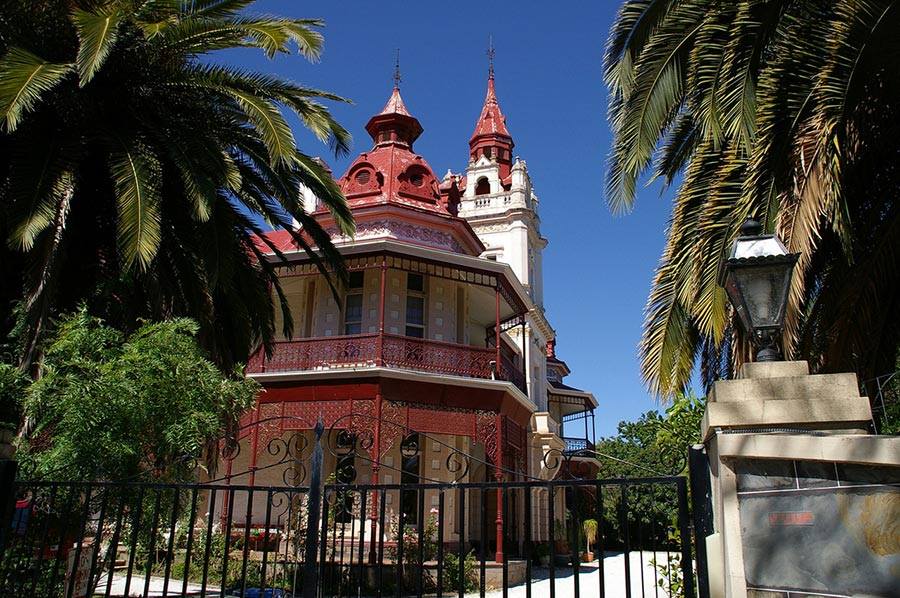
Adelaide gets overlooked. Travellers fly into Sydney or Melbourne and rarely make it to South Australia’s capital. That’s a shame, because Adelaide might be Australia’s most liveable city – and it’s surrounded by some of the country’s best wine regions.
I spent a week here on what was supposed to be a quick stopover before the Outback. I rearranged my flights twice. The Barossa Valley will do that to you.
Why Visit Adelaide
Adelaide is compact, walkable, and feels manageable in a way that Sydney and Melbourne don’t. The city was purpose-built with wide streets, plenty of green space, and a grid layout that actually makes sense. Getting around is easy.
But the real draw is what’s nearby. Within an hour of the CBD, you have:
- Barossa Valley – World-class shiraz
- McLaren Vale – More wine, plus beaches
- Adelaide Hills – Cool-climate wines and German villages
- Kangaroo Island – Wildlife and coastline
Adelaide is also significantly cheaper than the eastern cities. Accommodation, food, and wine tasting all cost noticeably less.
The Wine Regions
Barossa Valley
Australia’s most famous wine region, 50km northeast of Adelaide. Known for big, bold shiraz from some of the oldest vines on the planet (phylloxera never reached here).
What to do:
- Cellar door visits – Over 80 cellar doors. The big names (Penfolds, Jacob’s Creek, Peter Lehmann) are polished; smaller producers often offer more personal experiences
- Eat well – The food scene has caught up with the wine. Fermentasian, Hentley Farm, and Appellation are excellent
- Maggie Beer’s Farm Shop – The cooking icon’s headquarters. Good for gifts and a pâté tasting
Practical info:
- Self-drive is easiest, but drink responsibly – book a tour if you want to taste properly
- One day covers the highlights; two days lets you go deeper
- Tasting fees typically $10-20, usually waived with purchase
McLaren Vale
Forty minutes south of Adelaide. Shiraz and grenache dominate, but the style is different from Barossa – softer, more Mediterranean influenced. The region also reaches the coast, so you can combine wine tasting with beaches.
What to do:
- d’Arenberg Cube – Love it or hate it, this avant-garde tasting room is architecturally striking
- Beach at Port Willunga – Cliffs, caves, and a wrecked ship visible at low tide
- Star of Greece – Seafood restaurant on the beach. Book ahead
Adelaide Hills
The cooler hills 20 minutes east of the city. German settlers established towns here in the 1800s, and the Germanic character persists. Different wine varieties thrive in the cooler climate – sauvignon blanc, chardonnay, pinot noir.
What to do:
- Hahndorf – Australia’s oldest German settlement. Touristy but genuine. Good smallgoods and bakeries
- Cleland Wildlife Park – Walk among kangaroos and hold koalas
- Mount Lofty Summit – Short drive to views over Adelaide and the coast
Kangaroo Island
Australia’s third-largest island, 45 minutes by ferry from Cape Jervis (2 hours from Adelaide). Nicknamed “Australia’s Galápagos” for its wildlife, but the comparison undersells it – KI has landscapes ranging from rugged coastline to eucalyptus forests to pristine beaches.
Wildlife you’ll see:
- Kangaroos and wallabies (everywhere)
- Koalas in the wild (Hanson Bay Wildlife Sanctuary)
- Sea lions (Seal Bay Conservation Park – one of Australia’s best wildlife experiences)
- Little penguins (Penneshaw at dusk)
- Echidnas, goannas, and prolific birdlife
Landscapes:
- Remarkable Rocks – Naturally sculpted granite boulders overlooking the Southern Ocean
- Admirals Arch – Sea arch with fur seals below
- Vivonne Bay – Consistently rated among Australia’s best beaches
- Flinders Chase National Park – Bushland and coastline in the island’s west
Practical info:
- Two days minimum; three or four is better
- Hire a car – public transport is limited
- Book accommodation in advance during summer (December-February)
- The 2020 bushfires impacted the west; recovery is ongoing but most areas are accessible
Adelaide City
The city itself rewards a day or two of exploration. It’s easy to walk, and the Central Market area is genuinely excellent.
What to see:
Adelaide Central Market – Operating since 1869. This covered market is one of Australia’s best food destinations. Cheese, smallgoods, produce, Asian groceries, and prepared food. Go hungry.
North Terrace – Adelaide’s cultural boulevard. The Art Gallery of South Australia (free entry, strong Australian collection), South Australian Museum (natural history, strong Aboriginal cultures collection), and State Library all sit along here.
Adelaide Oval – One of the world’s prettiest cricket grounds. Tours available, or catch a match during summer (cricket) or winter (AFL).
Glenelg – Beachside suburb 25 minutes from the city by tram. Sand, jetty, and cafes. Nothing special by Australian beach standards, but pleasant.
The Rundle Mall and East End – Shopping strip and adjacent laneway bars and restaurants. The bar scene is small but quality.
The Food
Adelaide’s food scene has matured significantly. The Central Market anchors a city that takes produce seriously.
What to try:
- Pie floater – A meat pie floating in pea soup. Adelaide’s signature late-night snack. An acquired taste
- Haigh’s Chocolates – Australia’s oldest chocolate manufacturer, founded here in 1915
- Local wine – Obviously. Restaurant wine lists feature local producers prominently
- Greek and Italian – Significant Mediterranean communities mean excellent souvlaki and pasta
Where to eat:
- Africola – Modern African flavours. One of Adelaide’s most interesting restaurants
- Peel St – Local favourite for wine and shared plates
- Central Market – For lunch grazing
Practical Information
Getting There
By air: Adelaide Airport is 15 minutes from the CBD. Direct flights from all Australian capitals plus some international connections (Singapore, Auckland, Doha).
By car: From Melbourne via the Great Ocean Road: 8-10 hours. From Sydney: 14 hours.
Getting Around
Adelaide’s compact CBD is walkable. Trams connect the city to Glenelg and the Entertainment Centre. For wine regions, you’ll need a car or a tour.
When to Visit
Summer (December-February): Hot (regularly over 35°C) but good for beaches and coast. Peak season.
Autumn (March-May): Ideal. Warm days, harvest season in wine regions, fewer tourists.
Winter (June-August): Mild. Cooler but still pleasant. Good for wine tasting without the heat.
Spring (September-November): Pleasant temperatures, wildflowers in the hills and on Kangaroo Island.
Where to Stay
City centre: Most convenient for restaurants and walking. North Adelaide has character but is slightly removed.
Glenelg: Beach location, 25 minutes from city by tram.
Barossa or McLaren Vale: Stay in wine country if that’s your focus. Several excellent cellar door accommodations.
Sample Itinerary: Five Days
Day 1: Arrive, explore Adelaide CBD and Central Market
Day 2: Barossa Valley wine touring
Day 3: Adelaide Hills (Hahndorf, Cleland Wildlife Park, Mount Lofty)
Day 4-5: Kangaroo Island – wildlife, Remarkable Rocks, beaches
Frequently Asked Questions
Do I need a visa to visit Adelaide, Australia?
Most international visitors need a visa to enter Australia. Citizens from many countries can apply for an eVisitor (subclass 651) or Electronic Travel Authority (subclass 601) online for tourist visits up to 3 months. New Zealand citizens can apply for a visa on arrival. Check the Australian Department of Home Affairs website for your specific requirements.
When is the best time to visit Adelaide?
Autumn (March-May) is ideal with warm days, harvest season in wine regions, and fewer crowds. Spring (September-November) offers pleasant temperatures and wildflowers. Summer (December-February) is hot (often over 35°C) but great for beaches. Winter (June-August) is mild and perfect for wine tasting without the heat.
What currency is used in Adelaide and how much does it cost?
Australia uses the Australian Dollar (AUD). Adelaide is cheaper than Sydney or Melbourne. Budget $80-120 per day for accommodation, $40-60 for meals, and $10-20 for wine tastings (often waived with purchase). Public transport is affordable, but a rental car ($40-60/day) is needed for wine regions.
Is Adelaide safe for tourists?
Adelaide is very safe for tourists and has one of Australia’s lowest crime rates. The city centre is well-lit and safe at night. Use common sense in late-night areas and keep valuables secure. Wildlife on Kangaroo Island requires caution – maintain distance from sea lions and kangaroos, and check for snakes on bush walks.
How do I get to the wine regions from Adelaide?
Barossa Valley is 50km northeast (1 hour drive), McLaren Vale is 40 minutes south, and Adelaide Hills is 20 minutes east. Rental cars are the easiest option, but book organized tours if you want to taste wine properly without driving. Tours typically range from $80-150 per person and include multiple cellar door visits.
What should I see on Kangaroo Island?
Must-sees include Seal Bay Conservation Park for sea lions, Remarkable Rocks and Admirals Arch in Flinders Chase National Park, and wildlife spotting at Hanson Bay. Vivonne Bay offers pristine beaches. Allow minimum 2 days, ideally 3-4. Ferry from Cape Jervis takes 45 minutes; book accommodation and car rental in advance.