Fiji Holidays: Best Islands & Travel Guide
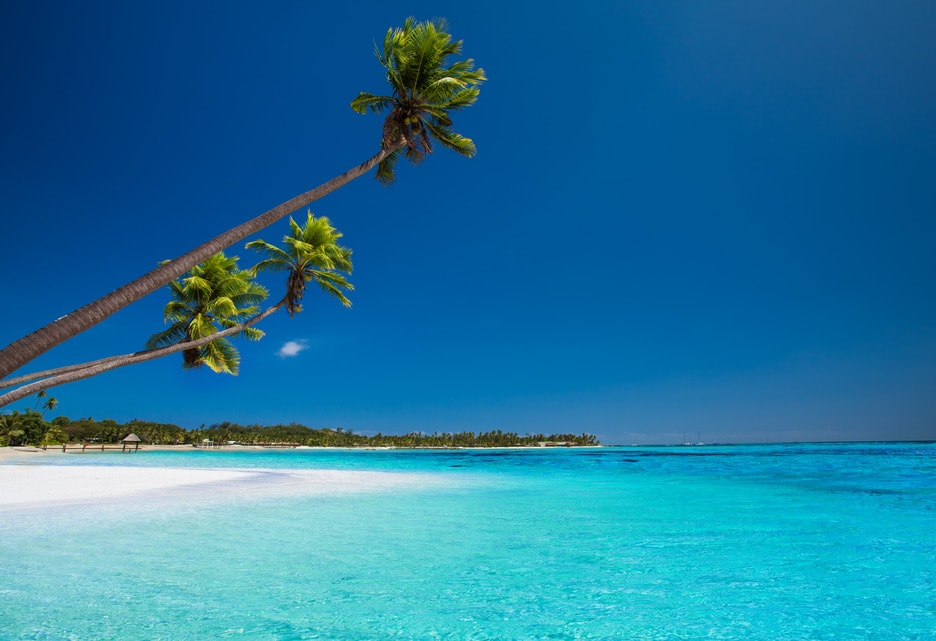
Fiji holidays deliver what the South Pacific looks like in your imagination – turquoise lagoons, palm-fringed beaches, and that overwhelming warmth the moment you step off the plane. I spent ten days island-hopping between the Mamanucas and Yasawas, and it lived up to every postcard promise while offering more depth than I expected.
The archipelago comprises over 330 islands, of which about a third are inhabited. Most visitors experience just a handful – the main island Viti Levu (where you arrive), the resort-studded Mamanucas, or the more remote Yasawas. Each has its own character, from backpacker villages to luxury private islands.
What surprised me was how much the Fijian culture matters here. The “Bula!” greeting is constant and genuine. Village visits are meaningful rather than staged. And the pace – unhurried, warm, welcoming – sets the tone for everything.
The Main Island: Viti Levu
Most visitors pass through quickly on their way to smaller islands, but Viti Levu has its own attractions worth a day or two.
Nadi
The international airport is here, and most journeys begin in Nadi (pronounced “Nandi”). The town itself is not particularly attractive – duty-free shops, tour operators, and hotels serving transit visitors – but it has good restaurants and the Sri Siva Subramaniya Temple, a colourful Hindu temple that is the largest in the Southern Hemisphere.
Most island transfers depart from Port Denarau, a 20-minute drive from Nadi. Budget a night here before island-hopping if your flight arrives late.
Suva
The capital on the eastern coast is more authentically Fijian – a working city rather than a tourist hub. The Fiji Museum in Thurston Gardens provides excellent context on Fijian history and culture, including traditional canoes and artifacts from the cannibal era (this was a thing here until the 1870s).
The municipal market is worth exploring for local produce and handicrafts.
Coral Coast
The southern coast of Viti Levu has beaches and mid-range resorts strung along Queens Highway. Less dramatic than the outer islands but more accessible and affordable. Sigatoka Sand Dunes National Park, with 650 hectares of coastal dunes, makes a good half-day trip.
The Mamanuca Islands
The closest island group to Viti Levu, the Mamanucas are the most accessible and most popular. These are small, palm-covered islands with resorts ranging from backpacker to ultra-luxury. The movie Cast Away was filmed on Monuriki Island here.
Getting There
Fast catamarans from Port Denarau reach most Mamanuca islands in 45 minutes to 2 hours. South Sea Cruises and Awesome Adventures operate regular services. Day trips are possible, but staying overnight is better.
Resorts
The Mamanucas have something for every budget:
Budget: Beachcomber Island, South Sea Island, and Bounty Island offer dormitory accommodation and a social backpacker atmosphere. Expect FJD 200-350 (£75-130) per person including meals.
Mid-range: Malolo Island, Mana Island, and Castaway Island have proper resort facilities – pools, restaurants, water sports – at FJD 400-800 (£150-300) per night.
Luxury: Tokoriki Island, Likuliku Lagoon, and Kokomo Private Island represent the high end, with overwater bures (bungalows), private beaches, and exceptional service. FJD 1,500+ (£560+) per night.
Activities
Snorkelling and diving are the main draws. The water is warm, the visibility is good, and the coral is vibrant. Most resorts include basic snorkelling gear; diving costs extra (FJD 250-400 / £95-150 for two-tank dives).
Island-hopping by boat, kayaking, paddleboarding, and simply lying on beaches fill the days.
The Yasawa Islands
A chain of volcanic islands stretching north from the Mamanucas, the Yasawas are more remote, more rugged, and more authentic than their neighbours. The journey from Nadi takes 3-5 hours by fast catamaran, and the islands have fewer tourists and more traditional village life.
Getting There
The Yasawa Flyer catamaran runs daily from Port Denarau, stopping at multiple islands. Book a Bula Pass for unlimited travel over a set period (5-21 days), allowing flexible island-hopping.
Accommodation
Accommodation is simpler than the Mamanucas – mostly small resorts and backpacker lodges on the beaches. Prices include all meals (there are no restaurants – just your resort).
Budget options (FJD 150-250 / £55-95 per person with meals): Korovou Eco-Tour Resort, Naqalia Lodge, Gold Coast Inn.
Mid-range (FJD 300-600 / £110-225): Mantaray Island Resort, Barefoot Manta, Botaira Beach Resort.
Upmarket (FJD 800+ / £300+): Yasawa Island Resort, Paradise Cove.
Highlights
Sawa-i-Lau Caves – Limestone caves with underground pools you can swim through. Tours from nearby resorts explore the main chamber (with its shaft of light through the roof) and the darker inner caves.
Manta Ray Swimming – The channel between Nanuya Balavu and Drawaqa islands has seasonal manta rays (May to October). Snorkelling with these gentle giants is a highlight of any Fiji trip.
Blue Lagoon – The sheltered bay featured in the 1980 film. The water really is that blue.
Village Visits – Several islands offer visits to traditional villages, with kava ceremonies, cultural performances, and insight into Fijian life. These are genuine communities, not tourist constructions – dress modestly and bring a gift of kava root.
Diving in Fiji
Fiji is known as the “Soft Coral Capital of the World,” and the diving lives up to this reputation. The reefs are healthy, the water is warm (26-30°C), and visibility regularly exceeds 30 metres.
Best Dive Areas
Beqa Lagoon – South of Viti Levu, famous for shark diving. Shark feeds attract bull sharks, tiger sharks, and various reef sharks in numbers. This is one of the world’s premier shark encounters. Not for the faint-hearted but well-managed.
Somosomo Strait (Taveuni) – The Rainbow Reef here has some of Fiji’s most spectacular soft corals. The Great White Wall – a vertical reef covered in white soft coral – is a signature dive.
Mamanuca Waters – Good reef diving accessible from the resort islands. Less spectacular than Beqa or Taveuni but convenient and varied.
Kadavu – The Great Astrolabe Reef, one of the world’s largest barrier reefs, offers pristine diving with few other divers around.
Costs
Two-tank dives cost FJD 300-450 (£110-170). PADI Open Water courses cost FJD 1,200-1,800 (£450-670). Multi-dive packages offer savings.
Fijian Culture
Kava Ceremony
Kava (called “yaqona” locally) is a mildly sedating drink made from pepper plant roots. Sharing kava is central to Fijian social life, and visitors are often invited to ceremonies. The ritual involves clapping, drinking from coconut shells, and conversation. The taste is earthy and the effect is a pleasant relaxation. Participate if offered – it is a genuine honour.
Village Etiquette
When visiting villages:
- Bring a gift of kava root (sevusevu) – available at markets
- Dress modestly (cover shoulders and knees)
- Remove hats and sunglasses
- Ask permission before taking photographs
- Do not touch anyone’s head (culturally significant)
Food
Kokoda – Fiji’s signature dish: raw fish marinated in coconut cream and lime. Similar to ceviche, served as an appetiser.
Lovo – A traditional earth oven feast. Meat, fish, and vegetables are wrapped in banana leaves and cooked over hot stones underground. Many resorts offer lovo nights.
Roti and Curry – The Indian influence (Fiji has a large Indo-Fijian population) means excellent curries, particularly in Nadi and Suva.
Practical Information
Getting There
Fiji Airways and Fiji Link operate direct flights from Australia, New Zealand, and several Pacific destinations. Los Angeles has direct flights. From the UK, expect connections through Hong Kong, Singapore, or Australia.
Nadi International Airport is the main gateway. Suva has a smaller airport for domestic connections.
Getting Around
Between islands: Catamarans (South Sea Cruises, Awesome Adventures) serve the Mamanucas and Yasawas. Small planes and helicopters reach more distant islands.
On Viti Levu: Buses run along the main highways. Rental cars are available; driving is on the left.
When to Visit
May to October – The dry season. Lower humidity, less rain, best visibility for diving. Peak tourist season.
November to April – The wet season. Higher humidity, afternoon showers (usually brief), lower prices. Cyclone risk exists November to April.
Water temperature is warm year-round. The Yasawas are drier than Viti Levu.
Costs
Fiji is moderately priced by South Pacific standards but not cheap.
- Budget resort (dormitory with meals): FJD 200-350 (£75-130) per person per night
- Mid-range resort: FJD 400-800 (£150-300) per night
- Luxury resort: FJD 1,500+ (£560+) per night
- Two-tank dive: FJD 300-450 (£110-170)
- Yasawa Flyer day ticket: FJD 160-280 (£60-105)
- Restaurant meal (Nadi): FJD 30-60 (£11-22)
- Beer: FJD 8-15 (£3-5.60)
Visas
UK, US, EU, Australian, and most Western citizens receive visa-free entry for up to 4 months. Passport must be valid for 6 months beyond your stay.
Language
English and Fijian are official languages. Fiji Hindi is widely spoken by the Indo-Fijian community. English is used in tourism and business.
Power
Fiji uses Type I plugs (three angled pins, same as Australia). Voltage is 240V. UK visitors need a travel adapter.
Frequently Asked Questions
Do I need a visa to visit Fiji?
No, UK, US, EU, Australian, and most Western citizens receive visa-free entry for up to 4 months. Your passport must be valid for 6 months beyond your planned stay. This makes Fiji one of the easiest South Pacific destinations to visit.
When is the best time to visit Fiji?
The best time to visit Fiji is during the dry season from May to October. This period offers lower humidity, less rain, and the best visibility for diving. It’s also the peak tourist season. The wet season (November-April) has higher humidity, afternoon showers, lower prices, but carries cyclone risk.
What currency is used in Fiji and how expensive is it?
Fiji uses the Fijian Dollar (FJD). Fiji is moderately priced by South Pacific standards. Budget resorts with meals cost FJD 200-350 (£75-130) per person per night, mid-range resorts FJD 400-800 (£150-300), and luxury resorts FJD 1,500+ (£560+). Most island resorts include all meals as there are no separate restaurants.
What power plugs does Fiji use?
Fiji uses Type I plugs with three angled pins, the same as Australia. The voltage is 240V. UK visitors will need a travel adapter to charge their electronic devices.
Is it safe to visit Fiji?
Yes, Fiji is very safe for tourists and has a low crime rate. However, it’s recommended not to carry large amounts of cash with you. The Fijian people are famously welcoming and the “Bula!” greeting you’ll receive everywhere is genuine. When visiting villages, dress modestly and follow local customs.
What should I know about Fijian kava ceremonies?
Kava (called “yaqona” locally) is a mildly sedating drink made from pepper plant roots. Sharing kava is central to Fijian social life. If invited to a ceremony, participate – it’s a genuine honour. The ritual involves clapping, drinking from coconut shells, and conversation. The taste is earthy and the effect is pleasant relaxation.