Latvia Travel Guide
I visited Riga on a Baltic trip that was supposed to be three days and stretched to five because I could not stop finding things to see. The art nouveau architecture in the Alberta Iela area is genuinely world-class – building after building covered in ornate facades, far more impressive than I expected from a city I had barely considered before booking. Riga Central Market, spread across old Zeppelin hangars, became my daily routine for cheap and excellent food. The Old Town is well-preserved without feeling like a museum. Latvia surprised me in the best possible way – affordable, beautiful, and far less crowded than Western European equivalents.
Latvia sits on the Baltic Sea, sandwiched between Estonia and Lithuania. Most visitors spend the majority of their time in Riga, which has one of the best-preserved medieval old towns in Europe and a remarkable concentration of art nouveau architecture. The food leans heavily on meat, bread, and dairy — pork, smoked sausage, and caraway cheese are staples. Beer is good and cheap. Note that drinking in public in Riga is illegal and carries a steep fine.
Things to do in Latvia
- Latvian Ethnographic Open-Air Museum: Open-air museum set in a pine forest on the edge of Jugla Lake, with 118 buildings from Latvia’s four provinces, some dating to the 17th century. You can walk through old farmsteads, watch traditional crafts, and taste Latvian food. Particularly good for families.
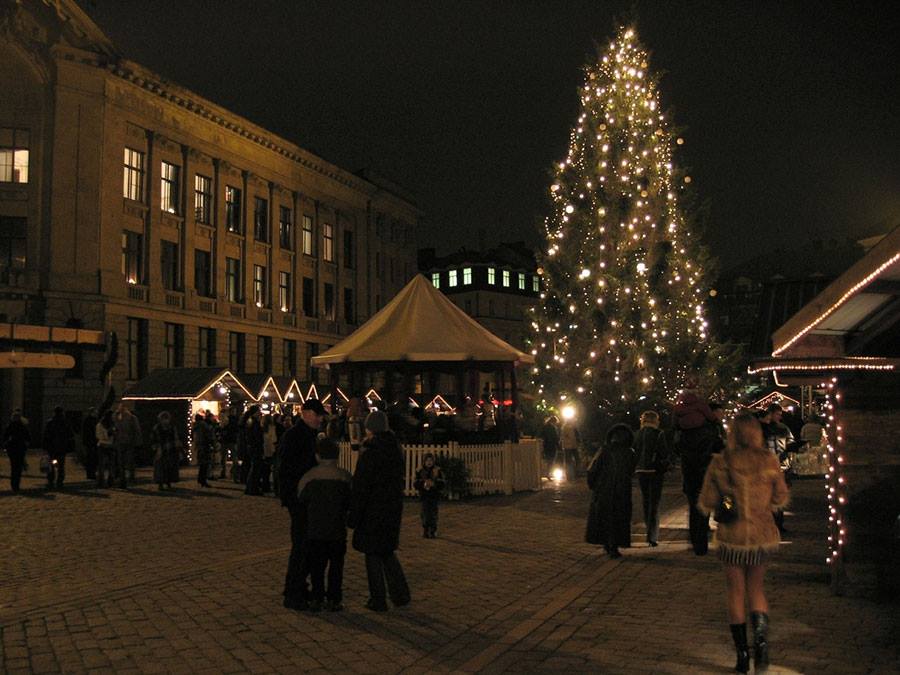
- Riga Dome Cathedral: The oldest and largest church in Riga, dating to 1211. A mix of Baroque, Romanesque, and Gothic styles, with old stone tombs lining the walls and floor. Known for its organ and occasional concerts.
- Museum of the Occupation of Latvia: Covers the Soviet and Nazi occupations from 1940 to 1991. Sobering and well put together, with guided tours available in four languages. The original building is under renovation — check the current location before visiting.
- Riga Central Market: One of the largest markets in Europe, housed in five repurposed Zeppelin hangars near the Old Town. Produce, meat, dairy, fish, and flowers on one side; clothing and household goods on the other. Go early for the best selection. UNESCO World Heritage Site.
- Latvian National Opera: The opera house has been running since 1863 and survived a serious fire in 1882. Good acoustics, a varied programme of opera and ballet, and guided tours of the building available.
- Alberta Iela: The most concentrated stretch of art nouveau architecture in Riga, and arguably in Europe. More than a third of all buildings in Riga are art nouveau, and Alberta Street has some of the finest examples — look closely at the facades for faces, figures, and ornamental detail.
- Old Town Riga: The medieval centre is a UNESCO World Heritage Site. The cobbled streets hold the Blackheads House (a Gothic merchants’ guild building from 1344), the Freedom Monument, and St Peter’s Church, whose tower gives good views over the city.
- Turaida Museum Reserve: A 42-hectare complex outside Riga centred on a 13th-century castle. The castle itself has a prison, cannon room, and tower with views over the Gauja valley. The grounds include a folk song garden, a manor house, and a smithy where you can try forging metal.
- Doll Garden of Sabile: An unusual one — over 200 straw dolls arranged in a garden doing various activities. Worth a stop if you are passing through the Abava valley wine region.
Frequently Asked Questions
Do I need a visa to visit Latvia?
Latvia is part of the Schengen Area. US, UK, Canadian, and Australian citizens can visit visa-free for up to 90 days within a 180-day period. EU/EEA citizens need only a valid ID card. Starting in 2026, visa-exempt visitors will need an ETIAS authorization (€7, valid 3 years). Always check current requirements before travel.
What is the best time to visit Latvia?
The best time to visit Latvia is late May through September when temperatures range from 15-25°C and days are long. Summer (June-August) offers the warmest weather and festivals, but also peak tourist crowds. Spring (April-May) and early autumn (September) provide pleasant weather with fewer visitors. Winter can be beautiful but cold, with temperatures often below freezing and snow from December to March.
What currency does Latvia use?
Latvia uses the Euro (€). Credit and debit cards are widely accepted in cities, especially in Riga, but it’s advisable to carry some cash for smaller establishments, markets like the Riga Central Market, and rural areas. ATMs are readily available throughout the country.
How much does a trip to Latvia cost?
Latvia is one of Europe’s more affordable destinations. Budget travelers can manage on €40-60 per day (hostels, street food, public transport). Mid-range travelers should budget €80-120 per day (decent hotels, restaurant meals, attractions). A meal at an inexpensive restaurant costs €8-15, while beer is typically €2-4. Accommodation ranges from €15-30 for hostels to €60-100+ for mid-range hotels.
Is Latvia safe for tourists?
Latvia is generally very safe for tourists. Riga and other cities have low crime rates, though standard precautions apply: watch for pickpockets in crowded tourist areas like Old Town Riga and avoid poorly lit areas at night. The main safety concern is drinking alcohol in public, which is forbidden in Riga and carries steep fines. Emergency services can be reached at 112.
What should I see besides Riga?
Beyond Riga, visit Jurmala’s beaches (30 minutes from Riga), the medieval castles at Turaida and Cesis, and Sigulda for outdoor activities. The Gauja National Park offers hiking and forest scenery. The coastal city of Liepaja has Art Nouveau architecture and beaches. For a unique experience, visit the Latvian Ethnographic Open-Air Museum to see traditional farmsteads and learn about rural Latvian life from the 17th-20th centuries.