Croatia Holidays: Coast & Travel Guide
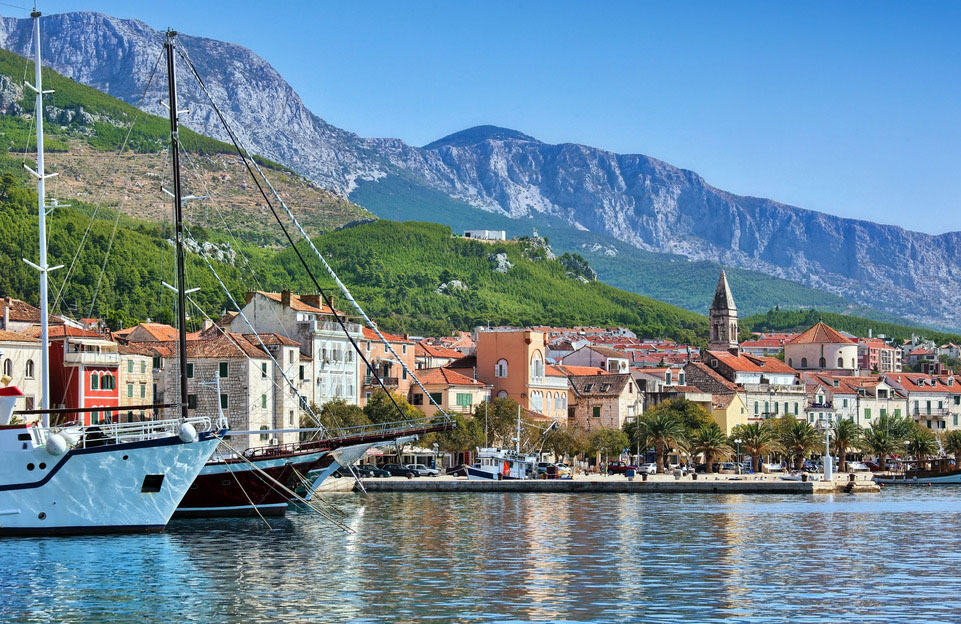
Croatia holidays crept up on me. I had planned a quick stop in Dubrovnik between other destinations and ended up staying two weeks, working my way up the coast and wondering why I had not come sooner. The Adriatic is impossibly blue, the walled towns are genuinely beautiful, and the combination of Mediterranean climate, interesting history, and reasonable prices makes Croatia one of Europe’s best summer destinations.
The country has changed rapidly since independence in 1991 and EU membership in 2013. Tourism has exploded – Dubrovnik in particular struggles with crowds – but step off the main routes and you find quieter islands, local konobas serving grilled fish, and the kind of slow Mediterranean pace that drew visitors here before Game of Thrones.
Dubrovnik
The “Pearl of the Adriatic” earns its reputation. The old town, enclosed entirely by medieval walls, is a UNESCO World Heritage Site of limestone streets, baroque churches, and terracotta roofs. It is also Croatia’s most visited destination and, in summer, genuinely overcrowded.
The Old Town
The walled city is small – you can walk across it in fifteen minutes – but dense with history. The Stradun, the main street, runs through the centre, polished smooth by centuries of foot traffic. Narrow side streets climb steeply toward the walls, revealing hidden churches, local restaurants, and glimpses of the sea.
City Walls – Walking the complete circuit (about 2km) is the essential Dubrovnik experience. The views down into the old town and out across the Adriatic are spectacular. Entry is €40 (£34) in regular season (March-November), €20 (£17) in off-season. The afternoon sun can be brutal – go early morning or late afternoon.
War Photo Limited – A small but powerful museum documenting conflict photography, including the 1991-1995 siege of Dubrovnik. A reminder that the pristine old town was heavily shelled within living memory.
Rector’s Palace – The Gothic-Renaissance palace that housed Dubrovnik’s rulers, now a museum of the city’s history. Entry €16 (£14).
Escaping the Crowds
The old town is worst when cruise ships are in port (typically 8am-6pm). Check cruise schedules online and time your visit accordingly. Evenings, when day-trippers leave, are the best time to wander.
Lokrum Island – A 15-minute ferry from the old harbour, Lokrum is a nature reserve with walking paths, swimming rocks, and peacocks. No overnight accommodation, so it empties at dusk. Ferry €27 (£23) return.
Cavtat – A small town 30 minutes south by bus, with a quieter harbour, good restaurants, and swimming off the rocks. Works as a day trip or alternative base.
Game of Thrones
Dubrovnik served as King’s Landing in the HBO series, and the tourism industry has embraced this enthusiastically. Walking tours cover filming locations; you will recognise the stairs where Cersei did her walk of shame and the walls that stood in for the Red Keep. Book ahead if this interests you.
Split
Croatia’s second city is built around a Roman palace – literally inside it. Diocletian’s Palace, built as a retirement home for the Roman emperor in the 4th century, became the nucleus of the medieval town when locals moved into its walls. The result is a living historical monument where people still live, work, and hang laundry in spaces designed for an emperor.
Diocletian’s Palace
The palace covers most of the old town. The peristyle (central courtyard), underground cellars, and cathedral (converted from Diocletian’s mausoleum) are the main sights, but the whole area rewards wandering. Small bars operate from ancient cellars; restaurants fill former imperial chambers.
Entry to the underground cellars costs €7 (£6). The cathedral tower offers views over the rooftops.
The Riva
The waterfront promenade, lined with cafes and palm trees, is Split’s social centre. Locals gather here in the evening for the korzo – the Mediterranean tradition of strolling to see and be seen. Good place for a coffee or evening drinks.
Beyond the Palace
Marjan Hill – The forested peninsula west of the old town, with walking trails, swimming coves, and views over the city and islands. A good escape from summer heat.
Beaches – The main city beach (Bacvice) is sandy and busy. Better swimming is found around Marjan or on the islands accessible by ferry.
Split works well as a base for exploring the coast – ferries depart for numerous islands, and buses connect to other coastal towns.
The Islands
Croatia has over 1,000 islands, of which about 50 are inhabited. Island hopping by ferry is one of the best ways to experience the country.
Hvar
The most famous and most fashionable island, with a pretty harbour town, lavender fields, and a reputation for nightlife. Hvar Town gets crowded and expensive in summer; the rest of the island (Stari Grad, Jelsa) is quieter.
The 16th-century fortress above Hvar Town offers views across the Pakleni Islands. Boats from the harbour make day trips to swimming spots and quieter beaches.
Ferry from Split takes 1-2 hours depending on the boat. Book ahead in summer.
Korcula
A smaller, quieter alternative to Dubrovnik with a similar walled old town on a peninsula. Claims to be the birthplace of Marco Polo (disputed but celebrated). The town is charming and much less crowded than the big-name destinations.
Good wine is produced on the island – Posip (white) and Plavac Mali (red) are the local varieties.
Brac
The closest major island to Split (50 minutes by ferry), known for Zlatni Rat beach – a distinctive white pebble spit that changes shape with the currents. The beach is beautiful but very busy in summer. The interior has quiet villages and hiking.
Vis
The furthest inhabited island from the mainland, Vis was a Yugoslav military base until 1989 and remains less developed than other islands. The reward is authenticity – fishing villages, excellent restaurants, and a slower pace. Mamma Mia: Here We Go Again was filmed here.
Plitvice Lakes
Croatia’s most visited natural attraction, Plitvice is a series of 16 lakes connected by waterfalls, set in forested national park. The turquoise water cascading between pools is genuinely spectacular.
The park is inland (about 2 hours from both Zagreb and Split), so it works as a day trip or stopover. Wooden boardwalks wind through the lakes; the full circuit takes 4-6 hours.
Practical tips:
- Entry €10-40 (£8-34) depending on season – peak season (June-September) is €40, off-season (November-March) is €10
- Arrive early to avoid crowds (the park opens at 7am in summer)
- July and August are very busy; spring and autumn are better
- No swimming allowed in the lakes
Zagreb
The capital often gets overlooked in favour of the coast, but Zagreb is worth a day or two. The upper town has medieval churches and the daily ritual of the Dolac market; the lower town has Habsburg-era architecture and cafe culture.
Upper Town – St. Mark’s Church with its colourful tiled roof, the Stone Gate shrine, and the Lotrscak Tower (climb for views and hear the daily noon cannon).
Lower Town – The main square (Ban Jelacic), the Art Pavilion, and the quirky Museum of Broken Relationships (exhibits of objects left over from failed relationships, oddly moving).
Tkalciceva Street – The main bar and cafe street, good for evening drinks.
Istria and Pula
The Istrian peninsula in the north has a distinct character – influenced by centuries of Venetian and Italian rule. Pula, the main city, has one of the best-preserved Roman amphitheatres in the world (still used for summer concerts) and the Temple of Augustus in the old forum. The coast has resort towns like Rovinj and Porec; the interior has hill towns, truffles, and excellent wine.
Food and Drink
Croatian cuisine varies by region – the coast is Mediterranean, the interior more Central European.
Coastal Food
Fresh fish – Grilled whole fish (often sea bass or sea bream), priced by weight. Expect to pay €40-70 (£34-60) per kilo at restaurants.
Black risotto – Rice cooked with cuttlefish ink, rich and deeply flavoured.
Octopus salad – Cold octopus with olive oil, garlic, and potatoes.
Peka – Meat or seafood slow-cooked under a metal bell covered with embers. Usually needs to be ordered hours in advance.
Drinks
Croatian wine – Excellent and underrated. Plavac Mali (red), Posip (white), and Malvasia (white) are the main varieties. Wine is often cheaper than in Western Europe.
Rakija – Fruit brandy, offered as a welcome or digestif. Strong and usually homemade.
Budget €20-35 (£17-30) for a restaurant meal with wine.
Practical Information
Getting There
Flights – International airports at Zagreb, Split, and Dubrovnik. Budget carriers (Ryanair, easyJet) fly from the UK to all three.
Ferries – From Italy (Ancona, Bari) to Split and Dubrovnik.
Getting Around
Ferries – Jadrolinija operates most coastal and island routes. Ferries range from large car ferries to fast catamarans. Book ahead for cars in summer; foot passengers can usually turn up.
Buses – The main intercity transport. FlixBus and local companies connect all towns. Zagreb to Split takes 5-6 hours; Split to Dubrovnik takes 4-5 hours.
Driving – The coastal road (Jadranska Magistrala) is scenic but slow. The inland motorway is faster but less interesting. Rental cars are useful for exploring but parking in old towns is difficult.
When to Visit
June to September – Peak season. Warm sea temperatures (24-26°C), crowded attractions, highest prices.
May and October – Shoulder season. Warm enough for swimming, fewer crowds. Many consider this the best time.
November to April – Off-season. Many coastal businesses close. Zagreb remains active year-round.
Costs
Croatia is mid-range for Europe – cheaper than Western Europe, more expensive than the Balkans. Croatia adopted the Euro in January 2023.
- Hostel dorm: €25-45 (£21-38) per night
- Budget hotel/apartment: €65-120 (£55-100) per night
- Restaurant meal: €20-35 (£17-30)
- Coffee: €2-3.50 (£1.70-3)
- Beer: €3.50-5.50 (£3-4.70)
- Dubrovnik walls entry: €40 (£34) regular season, €20 (£17) off-season
Visas
UK citizens can visit visa-free for up to 90 days in any 180-day period. Croatia is part of the Schengen Area since January 2023.
Language
Croatian. English is widely spoken in tourist areas; German and Italian are also common.
Frequently Asked Questions
Do I need a visa to visit Croatia?
UK citizens can visit Croatia visa-free for up to 90 days in any 180-day period. Croatia joined the Schengen Area in January 2023. Ensure your passport is valid for at least 3 months beyond your planned departure from the Schengen area.
What is the best time to visit Croatia?
The best time to visit Croatia is May to June and September to October, when the weather is warm enough for swimming but crowds are smaller. July and August are peak season with the warmest sea temperatures (24-26°C) but also the highest prices and biggest crowds. Many coastal businesses close from November to April.
What currency does Croatia use?
Croatia adopted the Euro (EUR) in January 2023, replacing the Croatian kuna. Credit cards are widely accepted in cities, restaurants, and hotels. ATMs are readily available throughout the country. Some remote areas and small family businesses may prefer cash.
What type of power plugs does Croatia use?
Croatia uses Type C and F plugs with two round pins. The standard voltage is 230V at 50Hz. UK visitors will need a travel adapter. US visitors will need both an adapter and a voltage converter for appliances not rated for 230V.
How expensive is Croatia?
Croatia is mid-range for Europe – cheaper than Western Europe but more expensive than neighbouring Balkans. Budget travellers should expect to spend €40-70 (£35-60) per day. Mid-range travellers need €80-140 (£70-120) per day. Dubrovnik and island resorts are more expensive than mainland cities. Restaurant meals cost €20-35 (£17-30). Croatia adopted the Euro in January 2023.
Is Croatia safe for tourists?
Croatia is very safe for tourists with low crime rates. Petty theft can occur in crowded tourist areas like Dubrovnik’s old town and on public transport. Take normal precautions with valuables. The country has been stable since the 1991-1995 war, and landmines in former conflict zones are clearly marked and fenced off.
Related
- Croatia In-Depth
- Greece
- Italy
- Montenegro
- Slovenia
- Search flights & hotels on lastminute.com