Knysna, South Africa
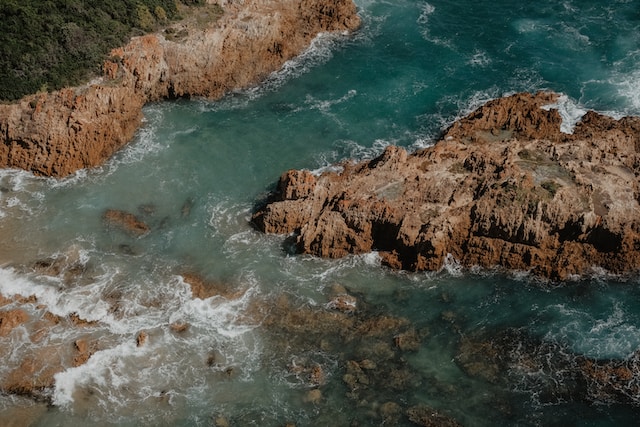
Knysna is the undisputed heart of South Africa’s Garden Route. While other stops along this coastal stretch might have better beaches or wilder scenery, Knysna has the best combination of everything – a beautiful lagoon, excellent restaurants, interesting activities, and a town centre that actually feels like somewhere worth exploring.
I spent three nights here and could have stayed longer. The Heads alone are worth the visit.
Why Knysna
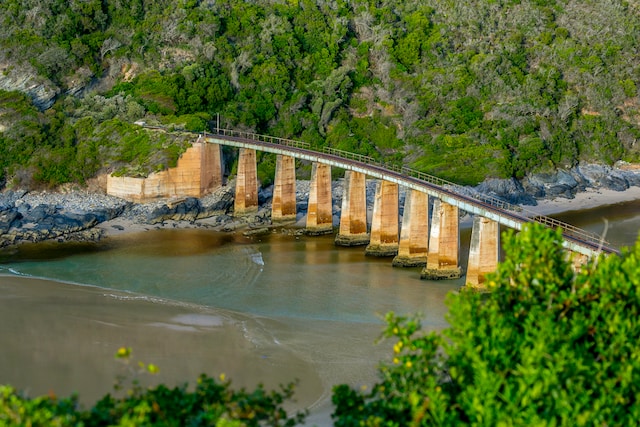
Knysna sits on a large lagoon that opens to the Indian Ocean through a narrow channel between two sandstone cliffs – the famous Knysna Heads. The town wraps around the lagoon, with a waterfront area, yacht marina, and hillside suburbs climbing into the surrounding forests.
It’s the largest and most developed town on the Garden Route, which means the best dining options, the most accommodation choices, and the most activities. It’s also centrally located – an hour from Storms River to the east, 90 minutes from Mossel Bay to the west.
The Knysna Heads
The defining feature of Knysna. These two cliffs guard the entrance to the lagoon, with a treacherous channel between them that’s claimed countless ships over the centuries. The channel is so dangerous that larger vessels still can’t enter – everything comes by road.
Eastern Head: The accessible one. Drive up for panoramic views over the lagoon, the ocean, and across to the western head. There’s a car park at the top and various viewpoints along the way. Best at sunset.
Western Head (Featherbed Nature Reserve): Accessible only by ferry. The reserve offers guided walks through fynbos vegetation, with views back across to the eastern head. A 4×4 takes you to the top, then you walk down. The ferry and tour cost around R650 and take about 3 hours.
The Channel: Watch boats navigate the narrow gap between the heads. Local pilots guide vessels through – it’s skilled work in a channel that can turn dangerous in minutes when the tide changes.
The Lagoon
The Knysna Lagoon is one of South Africa’s most important estuaries – home to the endangered Knysna seahorse (found nowhere else on earth) and about 200 fish species.
What to do on the water:
- Paddleboarding and kayaking – Rental from the waterfront. Calm conditions most days
- Boat cruises – Various operators run lagoon trips, some with oyster tasting
- Houseboats – You can rent floating accommodation and stay on the lagoon
- Swimming – The lagoon has designated swimming areas, though locals prefer the ocean beaches
Thesen Islands: A residential development in the lagoon with waterfront restaurants and shops. It’s pleasant for a stroll and coffee, if a bit manicured.
Knysna Forest
Remnants of the vast indigenous forest that once covered this entire coast. These are ancient woodlands – yellowwood trees 800 years old, dense canopy, and the ghosts of elephants that used to roam here.
Walking trails:
Elephant Walk (8km): The signature hike through the Diepwalle Forest section. The name commemorates the Knysna elephants – a small herd that survived into the 20th century. The last confirmed elephant sighting was in 2019, and the population is now effectively extinct.
Millwood Mine Trail (5km): Through forest that once housed a gold mining town. The gold rush was brief (1876-1890), and the forest has reclaimed almost everything.
Garden of Eden: A short, easy boardwalk through indigenous forest. Good for families or a quick forest fix.
Practical info: Most trails start from the Diepwalle Forest Station, about 30 minutes from Knysna town. Entry permits required (available on site).
The Town
Knysna’s town centre is walkable and pleasant. The main shopping strip has cafes, shops, and restaurants. It’s not particularly charming architecturally, but it’s functional and friendly.
Knysna Waterfront: The main tourist area with restaurants overlooking the lagoon, boat charter offices, and shops. Gets busy in season but has good energy. The Knysna Oyster Company operates from here – you can buy oysters straight from the cultivation beds.
Old Gaol Complex: A small heritage museum in the original 1859 jail. Worth a quick visit if you’re interested in local history.
Food and Drink
Knysna is famous for one thing above all: oysters.
Oysters: The lagoon’s oyster industry has operated since the 1940s. You can eat them everywhere – at the waterfront, in restaurants, or buy them direct from the Knysna Oyster Company. The annual Knysna Oyster Festival (July) is a major event combining oysters, sports, and general revelry.
Where to eat:
34° South – The go-to for seafood on the waterfront. Consistently good oysters and fish, buzzy atmosphere.
Île de Païn – Bakery and café in the town centre. Excellent bread, good breakfast, local favourite.
Dry Dock Food Co – Casual spot at Thesen Islands harbour. Good pizzas and burgers.
Zachary’s – More upscale option for a special dinner. South African ingredients with international influences.
Craft beer: Mitchell’s Brewery has been operating in Knysna since 1983 – one of South Africa’s original craft breweries. Tours and tastings available.
Where to Stay
Knysna has the widest accommodation range on the Garden Route, from backpacker lodges to five-star hotels.
Areas:
The Heads/Leisure Isle: Quieter, more scenic, closer to nature. Good for self-catering and guesthouses with views.
Town/Waterfront: Convenient for restaurants and nightlife. More hotel options.
Recommendations:
Pezula Resort – The luxury option. Golf course, spa, clifftop position with ocean views. Not cheap, but impressive.
Brenton on Sea – Suburb about 15km from town with a beautiful beach. Good self-catering options and quieter than Knysna itself.
Knysna Hollow – Mid-range hotel in town with good facilities and a central location.
Budget: Several backpacker hostels in town, plus more affordable guesthouses in surrounding areas.
Events
Knysna Oyster Festival (July): Ten days of sports events, concerts, food, and – obviously – oysters. Book accommodation months in advance if visiting during the festival.
Knysna Speed Festival (April): Historic and sports cars on display and in action. Draws petrolheads from across South Africa.
Knysna Craft Beer Festival (seasonal): Showcases South African craft breweries. Smaller than the oyster festival but good for beer enthusiasts.
Practical Information
Getting There
From Cape Town: 5 hours via the N2 (480km)
From Port Elizabeth: 3 hours via the N2 (260km)
George Airport: 45 minutes from Knysna. Daily flights from Johannesburg and Cape Town. Useful if you want to start or end your Garden Route trip here.
Getting Around
A car is useful for reaching the forests and outer attractions, but the town itself is walkable. Taxis and Ubers are available.
When to Visit
Knysna is year-round, but July and December-January are peak times. July brings the Oyster Festival and winter whales; summer brings beach weather and school holidays.
Shoulder seasons (March-May, September-November) offer the best combination of good weather and fewer crowds.
Safety
Knysna is safe by South African standards. Normal precautions apply – don’t flash valuables, lock your car, use common sense at night.
Sample Itinerary: Three Days
Day 1: Morning at the Eastern Head viewpoints. Afternoon paddleboard on the lagoon. Sunset drinks and oysters at the waterfront.
Day 2: Featherbed Nature Reserve tour (half day). Afternoon exploring town, Île de Païn for coffee, Mitchell’s Brewery for a tasting.
Day 3: Morning hike in Knysna Forest (Elephant Walk or Millwood). Afternoon at Brenton-on-Sea beach. Dinner at 34° South.
Frequently Asked Questions
Do I need a visa to visit Knysna, South Africa?
Most visitors from the UK, EU, US, Canada, and Australia can enter South Africa visa-free for up to 90 days for tourism. Your passport must be valid for at least 30 days beyond your intended departure and have at least two blank pages. Always verify current visa requirements for your nationality before booking.
What is the best time to visit Knysna?
Shoulder seasons (March-May and September-November) offer the best combination of pleasant weather and fewer crowds. July brings the famous Knysna Oyster Festival and winter whales, while December-January means peak summer beach weather but also school holidays and higher prices. The town is enjoyable year-round thanks to its mild climate.
What currency does Knysna use and what are typical costs?
Knysna uses the South African Rand (R). Mid-range hotels cost around R1,000-1,800 per night. Meals at restaurants like 34° South run R150-300 for mains. Fresh oysters at the waterfront are excellent value. The Featherbed Nature Reserve tour costs R650, while craft beer tastings at Mitchell’s Brewery are more affordable.
Is Knysna safe for tourists?
Knysna is one of the safer destinations in South Africa. Standard precautions apply: don’t display valuables openly, lock your car, and exercise common sense at night. The town has lower crime rates than major South African cities, and the tourist areas around the waterfront and Heads are generally very safe.
What are the Knysna Heads and why are they famous?
The Knysna Heads are two dramatic sandstone cliffs that guard the entrance to the Knysna Lagoon. The treacherous channel between them has claimed countless ships over centuries and is so dangerous that large vessels still cannot enter. The Eastern Head offers spectacular viewpoints, while the Western Head is accessible only by ferry as part of Featherbed Nature Reserve.
How far is Knysna from Cape Town and other Garden Route stops?
Knysna is 480km (5 hours’ drive) from Cape Town via the N2 highway. It’s centrally located on the Garden Route: 90 minutes from Mossel Bay to the west, 30 minutes from Plettenberg Bay to the east, and about 1.5 hours from Storms River. George Airport is 45 minutes away with daily flights from Cape Town and Johannesburg.