Garden Route South Africa: Driving Guide
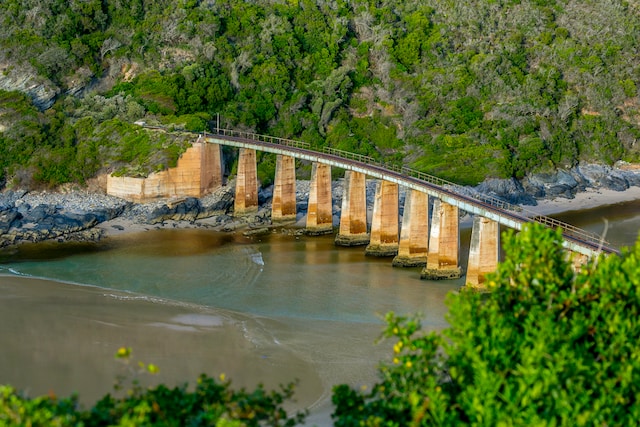
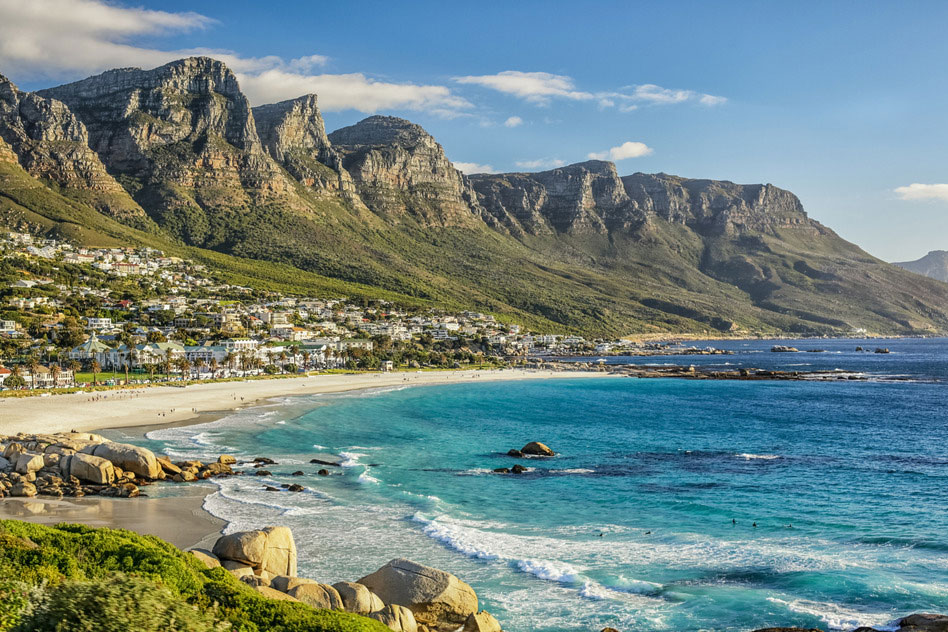
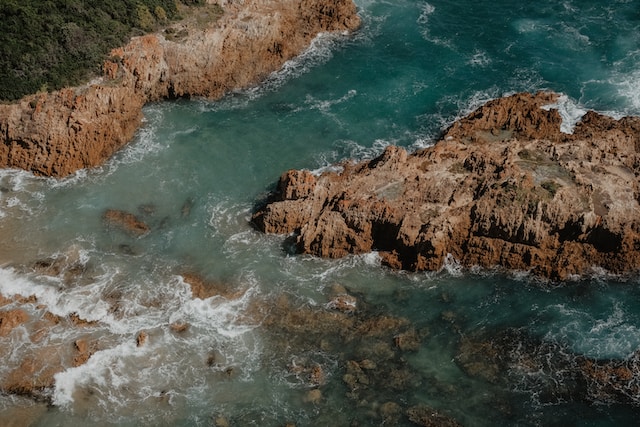
The Garden Route gets talked about like it’s some kind of paradise. For once, the hype is justified. This 300km stretch of South Africa’s coastline between Mossel Bay and Storms River packs in more natural variety than most countries manage – indigenous forests, lagoons, beaches, and mountains, all within a few hours’ drive.
I drove it over five days, which felt about right. You could rush through in two, but you’d miss the point. The Garden Route rewards those who stop.
The Route Overview
The Garden Route runs along the N2 highway through the Western and Eastern Cape. The name comes from the lush vegetation – this stretch receives year-round rainfall, creating forests and greenery that stand out against South Africa’s more typical dry landscapes.
Key stops from west to east:
- Mossel Bay
- George
- Wilderness
- Sedgefield
- Knysna
- Plettenberg Bay
- Nature’s Valley
- Storms River/Tsitsikamma
You can drive the route in either direction. Starting from Cape Town, Mossel Bay is about 4 hours. From Port Elizabeth, Storms River is about 2 hours.
When to Go
The Garden Route is a year-round destination, though seasons matter.
Summer (December-February): Peak season. Warm weather, school holidays, and domestic tourists. Beaches are busy, accommodation prices spike, and you’ll need to book ahead.
Autumn (March-May): My preferred time. Warm days, fewer crowds, and the vegetation is still green.
Winter (June-August): Cooler and wetter, but still pleasant. Whale season begins (July). Lower prices and empty beaches.
Spring (September-November): Shoulder season with wildflowers. Whale watching peaks in September-October.
Mossel Bay
The official western start of the Garden Route. Mossel Bay is a working harbour town with some decent beaches and a few historical attractions.
What to do:
- Diaz Museum Complex – Commemorates the Portuguese explorer who landed here in 1488. Includes a replica of his ship
- Santos Beach – Protected swimming beach with calm waters
- Point of Human Origins – Archaeological site with caves used by humans for 164,000 years
- Shark cage diving – Several operators run trips to nearby seal colonies
Worth staying? One night is enough. It’s a functional town rather than a destination, but the museums are interesting and Santos Beach is pleasant.
Wilderness
A small village set between a lagoon, river, and beach. The name fits – this feels genuinely remote despite being on the main route.
What to do:
- Wilderness National Park – Paddle the Touw River through forest to a waterfall
- Map of Africa viewpoint – A bend in the Kaaimans River that looks like the continent from above
- Beach walking – Long, quiet stretches of sand
- Paragliding – Operators offer tandem flights from the hillsides
Where to stay: Plenty of guesthouses and self-catering options overlooking the lagoon. It’s a peaceful base if you prefer quiet over nightlife.
Knysna
The Garden Route’s main town and de facto capital. Knysna sits on a scenic lagoon protected by two sandstone cliffs called the Heads. The town has the best restaurants and shopping on the route, plus a working waterfront.
What to do:
- The Knysna Heads – Drive to the eastern head for views over the lagoon and ocean. The channel between the heads is treacherous – many ships have been lost here
- Featherbed Nature Reserve – Ferry across the lagoon for hiking and wildlife on the western head
- Knysna Waterfront – Restaurants, shops, and boat trips
- Knysna Forest – Remnants of the vast indigenous forest that once covered this coast. The Elephant Walk trail is excellent
Food and drink: Knysna is famous for oysters. The annual Oyster Festival in July draws crowds, but you can eat excellent oysters year-round. Try 34° South for seafood on the waterfront.
Where to stay: The widest range on the route, from backpacker lodges to luxury guesthouses. The Heads side is quieter; the town side has more dining options.
Plettenberg Bay
A beach resort town that’s more upmarket than Knysna. “Plett” has excellent beaches and good adventure activities, though it can feel touristy in peak season.
What to do:
- Robberg Nature Reserve – A peninsula walk with excellent views, seals, and sometimes whales. The full circuit is 9km and takes 4-5 hours
- Beaches – Lookout Beach has good swimming and cafes; Robberg Beach is wilder
- Marine wildlife – Boat trips for whale watching (seasonal), dolphins, and seals
- Monkeyland and Birds of Eden – Primate and bird sanctuaries in free-roaming enclosures
Where to stay: Plett has the most upscale accommodation on the route. Beacon Isle Resort dominates the main beach; boutique guesthouses are scattered through town.
Nature’s Valley
A tiny village tucked into the forest at the mouth of the Groot River. No shops, no restaurants (beyond a small café), just nature. This is where you go to switch off.
What to do:
- Beach walking
- Kayaking on the lagoon
- Starting point for the Otter Trail (South Africa’s most famous multi-day hike)
Where to stay: Self-catering cottages and the Nature’s Valley Rest Camp. Book well ahead – there are only a handful of options.
Storms River & Tsitsikamma
The eastern end of the Garden Route, where the Storms River meets the ocean in dramatic fashion. Tsitsikamma National Park protects this stretch of coastline and forest.
What to do:
- Storms River Mouth – Suspension bridges over the river gorge, short hikes to viewpoints, and a restaurant with ocean views
- Bloukrans Bridge bungee – At 216 metres, the world’s highest commercial bungee jump
- Big Tree Trail – Short walk through forest to a 36-metre yellowwood tree, over 800 years old
- Tsitsikamma Canopy Tour – Zip lines through the forest canopy
Where to stay: Storms River Village has backpacker lodges and guesthouses. Tsitsikamma’s rest camp offers chalets right at the river mouth – atmospheric, if you can get a booking.
Practical Information
Getting Around
A rental car is essential. The N2 is well-maintained and easy to drive. Some attractions require gravel roads, but nothing that needs 4×4.
Driving times:
- Mossel Bay to Knysna: 1.5 hours
- Knysna to Plettenberg Bay: 30 minutes
- Plettenberg Bay to Storms River: 1 hour
Safety
The Garden Route is generally safe for tourists. Standard precautions apply:
- Don’t leave valuables visible in your car
- Use accommodation safes for passports and electronics
- Stick to well-travelled routes, especially after dark
Budget
Mid-range accommodation runs R800-1,500 per night for a double. Self-catering cottages can be cheaper, especially for longer stays. Restaurants are reasonably priced – expect R150-300 for a main course.
Activity costs:
- Bungee jump: R1,500
- Shark cage diving: R2,000-2,500
- Featherbed Nature Reserve: R650
- Canopy tour: R700
Combining with Cape Town
Most visitors combine the Garden Route with Cape Town. Options:
One-way drive: Fly into Cape Town, drive the Garden Route, fly out of Port Elizabeth (or reverse). Allows you to see everything without backtracking.
Return loop: Drive from Cape Town along the coast (Garden Route), return inland via Route 62 through the wine country. About 1,400km total.
Sample Itinerary: Five Days
Day 1: Cape Town to Wilderness (4.5 hours). Afternoon walk on the beach, sunset over the lagoon.
Day 2: Morning paddle in Wilderness National Park. Drive to Knysna (45 minutes). Afternoon at the Heads, dinner on the waterfront.
Day 3: Morning in Knysna Forest. Drive to Plettenberg Bay (30 minutes). Afternoon hike at Robberg Nature Reserve.
Day 4: Beach morning in Plett. Drive to Storms River (1 hour). Afternoon at Storms River Mouth, bungee jump if you’re brave.
Day 5: Big Tree Trail, then continue to Port Elizabeth (2 hours) or return west.
Frequently Asked Questions
Do I need a visa to visit South Africa’s Garden Route?
Most visitors from the UK, EU, US, Canada, and Australia can enter South Africa visa-free for up to 90 days for tourism. Check your specific nationality’s requirements before travel, as visa regulations can change. Your passport must be valid for at least 30 days beyond your departure date and have at least two blank pages.
What is the best time to visit the Garden Route?
Autumn (March-May) offers the best balance of warm weather and fewer crowds. Summer (December-February) has peak season prices and busy beaches. Winter (June-August) brings whale watching opportunities and lower prices. Spring (September-November) features wildflowers and excellent whale watching from September to October.
What currency is used on the Garden Route and how much does it cost?
South Africa uses the South African Rand (R). Mid-range accommodation costs R800-1,500 per night for a double room. Restaurant main courses run R150-300. Activities range from R650 (Featherbed Nature Reserve) to R2,500 (shark cage diving). Self-catering cottages can reduce costs for longer stays.
Is the Garden Route safe for tourists?
The Garden Route is generally safe compared to South African cities. Standard precautions apply: don’t leave valuables visible in your car, use accommodation safes for documents, and stick to well-travelled routes after dark. The area has lower crime rates than major urban centres.
How many days do you need for the Garden Route?
Five days is ideal for experiencing the main highlights without rushing. You could drive through in two days, but you’d miss the essence of the route. Allow one night in Wilderness, two nights in Knysna, one night in Plettenberg Bay, and one night in Storms River for a comprehensive experience.
Can you do the Garden Route without a car?
A rental car is essential. While the N2 highway connects the towns, most attractions require your own transport. Gravel roads to some sights are manageable in a regular car – no 4×4 needed. Public transport between Garden Route towns is limited and impractical for tourists.