Luggage Scales

My luggage scale has paid for itself many times over. The first time was coming back from Japan with a suitcase full of gifts that I was certain would be overweight. I weighed it in the hotel, moved some items to my carry-on, and checked in at exactly 22.8kg. The £10 scale saved me the £75 excess fee that Emirates would have charged. I use it on every trip now, especially on the return journey when bags mysteriously gain weight from souvenirs and shopping.
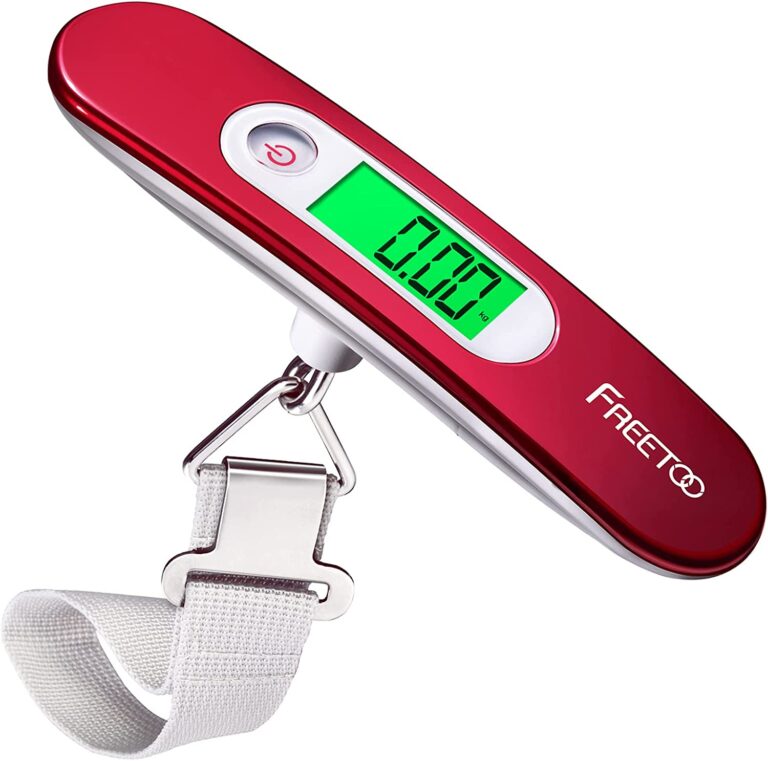
A portable luggage scale lets you weigh your bags at home before heading to the airport. Overweight bag fees typically cost £50-100+ per bag, so knowing your weight in advance can save money and stress.
Why Use a Luggage Scale
- Avoid fees: Check your bag is within the weight limit before check-in
- Pack smarter: Know exactly how much you’re carrying and adjust
- Weigh on return: Useful when you’ve added souvenirs and gifts
Types of Luggage Scales
Digital scales are the most common. They have a hook or strap that attaches to your bag handle. Lift the bag and the digital display shows the weight. Most accurate and easiest to read.
Mechanical scales use a spring mechanism with a dial display. No batteries needed but typically less accurate than digital.
Built-in scales are integrated into some suitcase handles. Convenient but less common.
What to Look For
- Capacity: Most scales handle up to 50kg (110lb), which covers standard airline limits
- Accuracy: Look for accuracy within 0.1kg
- Tare function: Lets you subtract container weight if needed
- Units: Ability to switch between kg and lb
- Battery type: CR2032 coin cells are common and easy to replace
- Backlit display: Useful in dim lighting
How to Use
- Attach the strap or hook to your bag handle
- Lift the bag clear of the ground
- Hold steady until the display locks
- Read the weight
Weigh your empty bag first to know its base weight, then weigh again when packed.
Airline Weight Limits
Common checked bag limits:
- Most airlines: 23kg (50lb) per bag
- Premium/business: Often 32kg (70lb)
- Budget airlines: Sometimes 20kg
Carry-on limits vary but typically 7-10kg.
Check your specific airline’s allowance before you pack.
Tips
- Weigh bags the day before you leave
- Wear your heaviest items (shoes, jacket) on the plane
- Distribute weight evenly if travelling with multiple bags
- Keep the scale in your carry-on for return trip weighing
Related Guides
- Best Luggage for Travel
- Portable Digital Luggage Scale
- PJP Electronics Luggage Scale
- Luggage and Suitcases
- Luggage Tags
Frequently Asked Questions
How accurate are digital luggage scales?
Most digital luggage scales are accurate to within 0.1kg. However, the reading can vary slightly depending on how steadily you hold the bag. Take two or three readings and use the most consistent result. Airport check-in scales may differ by 0.2-0.5kg, so leave a margin.
Can I use bathroom scales instead?
You can weigh yourself, then weigh yourself holding the bag, and subtract the difference. This works but is less accurate than a dedicated luggage scale — bathroom scales are designed for heavier weights and their accuracy drops for the small differences involved.
How often do I need to replace the battery?
A CR2032 battery lasts approximately 500 weighings. If the display becomes dim or readings become inconsistent, replace the battery. Most scales auto-power-off after 60 seconds to conserve battery life.