Luggage Tags
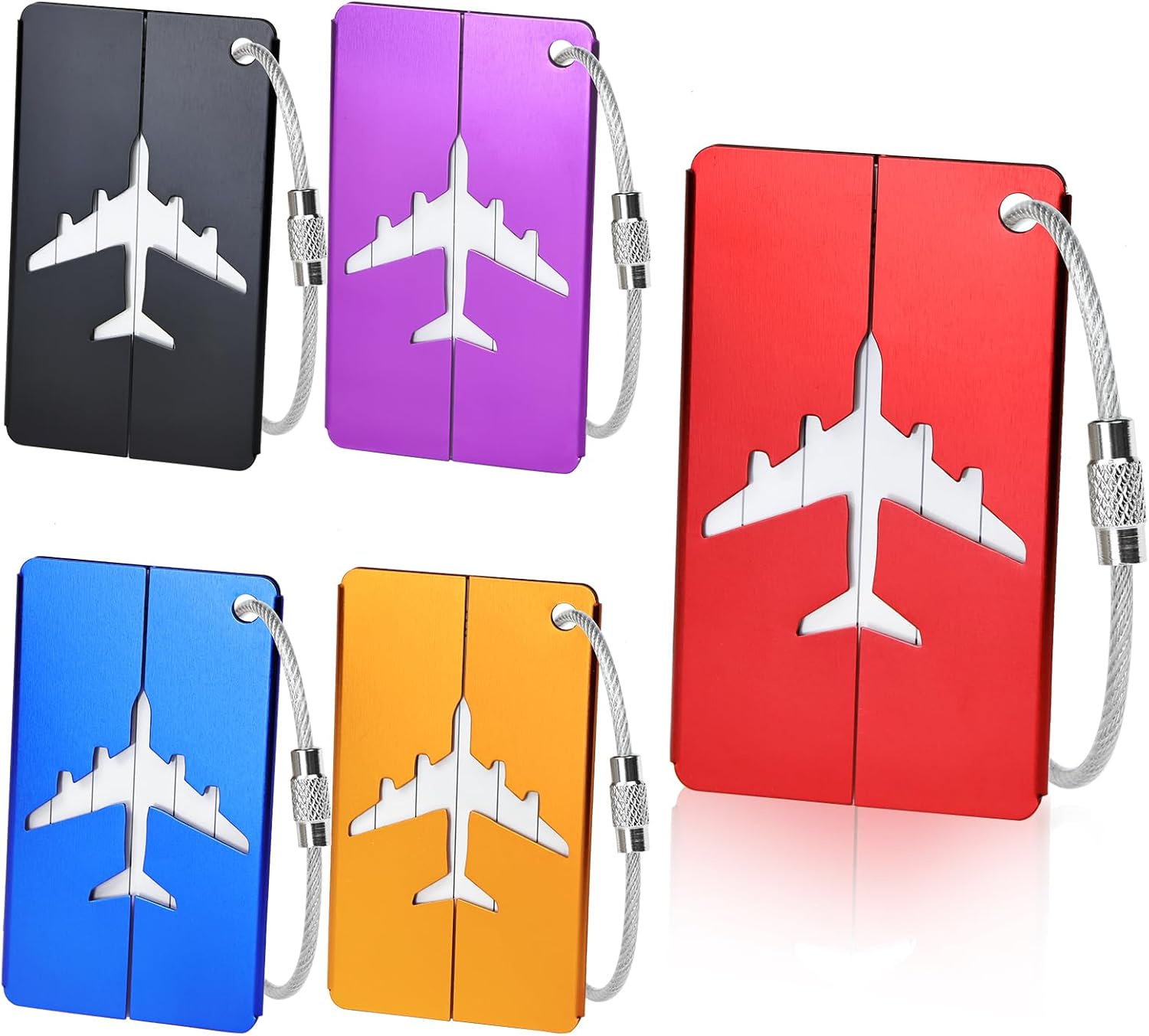
A luggage tag once saved my suitcase. My bag ended up in Amsterdam while I was in Berlin, and the only reason Lufthansa could reach me was the mobile number on my tag. The airline’s paper label had come off somewhere in handling. Since then I use sturdy metal tags with a steel loop attachment that will not rip off no matter how roughly the bag gets thrown around. It is a tiny investment against the massive inconvenience of lost luggage.
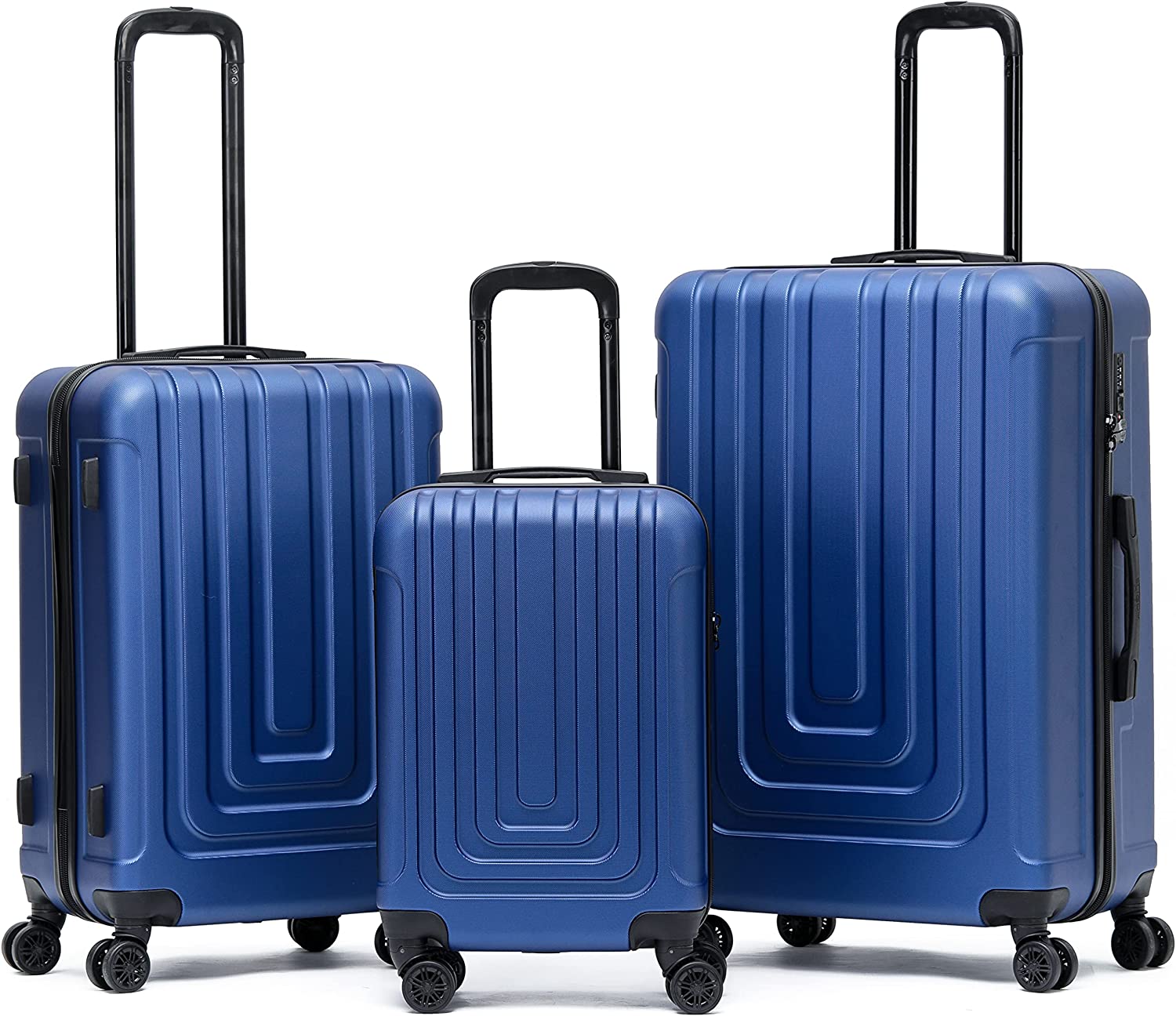
Luggage tags help identify your bags and get them returned if lost. A good tag should be durable enough to survive baggage handling and clearly display your contact information. Pair yours with a reliable suitcase.
What Information to Include
- Name: Full name or surname only
- Phone number: Mobile number with country code
- Email address: More private than a home address
- Hotel name: For your destination (optional)
Avoid including your full home address – it tells people your house is empty. An email address and phone number are usually enough for airlines to contact you.
Materials
Leather: Durable and professional-looking. Can be personalised with initials.
Metal/aluminium: Very durable. Won’t tear or wear out. Some come with steel cable loops.
Plastic: Affordable and widely available. Look for ones with secure closures.
Silicone: Flexible and colourful. Good for quick identification at baggage claim.
Features to Consider
- Privacy cover: Flap that hides your contact details from casual view
- Secure attachment: Steel loops or strong straps that won’t break off
- Bright colours: Makes your bag easier to spot
- Removable card: Allows you to update information for each trip
- Size: Large enough to read but not so big it catches on things
Where to Attach
Attach to the handle or strap where the tag hangs freely. Make sure it’s secure – loose attachments can get pulled off during handling.
Put tags on both checked and carry-on bags. You may need to gate-check a carry-on occasionally, and tags help in that situation.
Tips
- Remove old airline tags after each trip – they can cause routing confusion
- Take a photo of your packed bag before checking it
- Use a distinctive tag or ribbon to spot your bag quickly on the carousel
- Consider putting contact information inside your bag as backup
What to Do If Your Bag Is Lost
If your bag does not appear at baggage claim, report it at the airline’s desk before leaving the airport. They will file a Property Irregularity Report (PIR) and give you a reference number. Most “lost” bags are actually delayed — around 85% are returned within 48 hours.
Your luggage tag helps in two ways: the airline can contact you directly using the details on it, and ground staff at connecting airports can identify your bag if the airline’s barcode label has come off. This is why durable tags with steel loop attachments matter — paper and plastic clip-on tags regularly get torn off during handling.
Under the Montreal Convention, airlines must compensate you for delayed or lost luggage up to approximately £1,000. Keep receipts for essential purchases while waiting.
Frequently Asked Questions
Should I put my home address on luggage tags?
No. Use your email and mobile number instead. A home address tells strangers that your house is empty while you travel. If you need to include an address, use your office address or your destination hotel.
How many tags do I need?
One per bag is sufficient, but consider putting a backup tag or business card inside the main compartment. External tags can be torn off, so internal identification gives a second chance at recovery.
Do I need luggage tags for carry-on bags?
Yes. You may need to gate-check a carry-on if the overhead bins are full, and having a tag means you can be contacted if the bag gets separated from you.