How to Choose Luggage: A Buying Guide
I have owned fourteen suitcases in my adult life. Some broke within months; others lasted a decade. The expensive designer case I bought in my twenties fell apart faster than the mid-range Samsonite I replaced it with. What I learned is that price does not equal quality, features do not equal usefulness, and the best luggage is whatever disappears from your mind because it never gives you problems. This guide is everything I wish someone had told me before I wasted money on the wrong bags.
Luggage is the one piece of travel gear you’ll use on every trip. Get it right and you’ll barely think about it. Get it wrong and you’ll curse it at every airport.
This guide covers what actually matters when buying luggage – and what’s just marketing.
Hardside vs Softside
This is the first decision, and there’s no universal right answer.
Hardside (polycarbonate or ABS plastic):
- Better protection for fragile items
- Water-resistant – rain won’t soak through
- Easier to clean (wipe with a cloth)
- Can’t overstuff – the shell doesn’t expand
- Shows scratches, especially on glossy finishes
Softside (nylon or polyester fabric):
- Lighter weight for the same size
- Often has exterior pockets for quick access
- Many have expandable zippers for extra capacity
- More flexible – squeezes into tight spaces
- Can absorb water and stains
For most travellers, softside makes sense for carry-ons (exterior pockets are useful) and hardside works well for checked bags (better protection in the cargo hold).
Size: What Do You Actually Need?
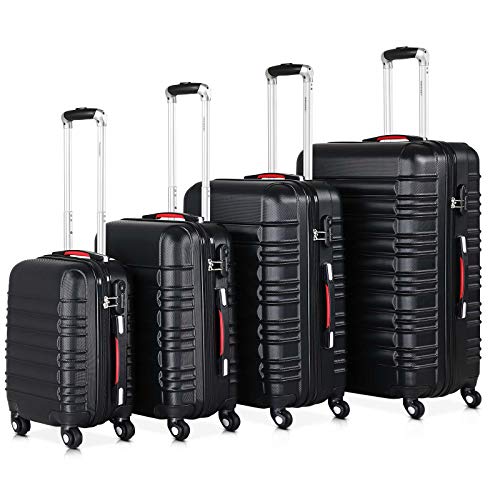
Luggage comes in three main size categories:
Cabin/Carry-on (35-45 litres):
Standard dimensions are around 55x40x20cm, though airlines vary. This size works for weekend trips or minimalist packers on longer journeys. The main advantage is avoiding baggage claim and checked bag fees.
Medium (60-75 litres):
Good for one to two weeks. This hits the sweet spot for most travellers – enough room without being unwieldy. Typically around 65-70cm tall.
Large (80-100+ litres):
For extended trips or family travel. Be aware that large suitcases get heavy when full – even if the bag itself is light, filling 100 litres of space adds up. Check airline weight limits (usually 23kg for economy).
The practical test: A medium suitcase handles most trips. If you’re regularly checking two bags, you’re probably overpacking rather than undersizing your luggage.
Wheels: Two vs Four
Two wheels (inline skate wheels):
- More durable – the wheels are recessed and protected
- Better on rough surfaces like cobblestones
- Must be tilted to roll (uses one hand)
- Stands upright without support
Four wheels (spinner):
- Rolls in any direction – easier in airports
- Can push alongside you (frees up a hand)
- Wheels are exposed – more prone to damage
- Can roll away on slopes or moving floors
Spinners are more popular because they’re easier to manoeuvre in airports. But two-wheeled bags handle rough terrain better and tend to last longer. If you travel to cities with cobblestone streets, consider two wheels.
Features Worth Paying For
TSA-approved locks: Built-in combination locks that TSA can open with a master key. Prevents damage to your bag if they need to inspect it. Standard on most decent luggage now.
Quality zippers: Cheap zippers fail first. YKK brand zippers are reliable. Double-zipper design (two pulls meeting at a point) is more secure and allows for locking.
Telescoping handle: Should lock at multiple heights and feel stable. Test it in the shop – a wobbly handle is a warning sign of cheap construction.
Interior organisation: Compression straps keep clothes in place. Mesh dividers separate clean from dirty. A zippered pocket for toiletries or cables is useful.
Features That Don’t Matter Much
USB charging ports: The battery packs built into some luggage are often underpowered. A separate portable charger is more versatile.
Tracking devices: Some bags come with GPS or Bluetooth tracking. These add cost and complexity. A £30 AirTag does the same job.
Integrated scales: Digital scales built into the handle. They’re often inaccurate and a cheap luggage scale is more reliable.
How Much Should You Spend?
Budget luggage (under £50) will get you through a few trips but expect zipper failures, wheel problems, and handle issues within a year or two of regular use.
Mid-range (£80-150) gets you genuinely decent construction that should last 5-10 years. This is where most travellers should shop.
Premium (£200+) is for frequent flyers who want the best materials and longest warranties. Brands like Samsonite’s higher-end lines, Travelpro, and Away fall here.
A reality check: Expensive luggage still gets thrown around in cargo holds. A £500 suitcase gets the same treatment as a £50 one. Pay for durability, not status.
Brand Overview
Samsonite: The biggest name in luggage for a reason. Huge range from budget to premium. Their polycarbonate shells are well-made. Look for the Lite-Shock or Cosmolite lines for lightweight hardside options.
American Tourister: Owned by Samsonite, positioned as the budget-friendly option. The Bon Air range is solid value for hardside luggage.
Travelpro: Popular with flight crews, which says something. Their Maxlite and Platinum series are well-designed for frequent flying.
Away: Direct-to-consumer brand with sleek design and good build quality. Their carry-ons with ejectable batteries are clever, though pricey.
Amazon Basics: Surprisingly decent for the price. Won’t last as long as premium brands but good enough for occasional travellers.
Antler: British brand with a long history. Good quality at mid-range prices.
For brand-specific reviews, see our luggage sets and suitcase reviews. If you’re considering buying a set, our luggage sets buying guide covers what to look for in weight, wheels, and materials.
Airline Baggage Limits
Carry-on sizes vary by airline. Budget carriers are strictest:
- Ryanair: 40x30x20cm (fits under seat) free; 55x40x20cm requires priority boarding
- EasyJet: 45x36x20cm under seat free; 56x45x25cm in overhead (large cabin bag fee)
- British Airways: 56x45x25cm plus one personal item
- Most full-service airlines: Around 55x40x23cm
Checked bag weight limits are typically 23kg for economy, 32kg for business class. Overweight fees are expensive – usually £50-100 per bag.
Tip: Weigh your bag before leaving. A £10 luggage scale saves expensive surprises at check-in.
What to Buy
For weekend trips and carry-on only travel:
A softside carry-on with exterior pockets and four spinner wheels. Around 35-40 litres. Budget £60-100.
For one to two week holidays:
A medium hardside spinner (65-70cm) with TSA lock and interior organisation. Budget £100-150.
For extended travel or families:
Consider a luggage set with matched sizes. Often cheaper than buying separately. A large checked bag plus a carry-on covers most scenarios. See our luggage sets buying guide for what to prioritise.
Care and Maintenance
- Wipe down hardside luggage with a damp cloth after trips
- Softside bags can usually be spot-cleaned; check the label for machine washing
- Lubricate wheels and zippers occasionally with WD-40 or silicone spray
- Store luggage uncompressed – don’t crush it in a closet
- Replace broken wheels promptly – dragging a bag on fewer wheels damages the case
The Bottom Line
Don’t overthink it. A mid-range hardside spinner from a reputable brand will serve most travellers well for years. Focus on build quality over features, check the warranty, and choose a size that matches how you actually travel – not how you think you should pack.
The best luggage is the luggage you forget about because it just works.
Frequently Asked Questions
What size suitcase do I actually need?
Cabin cases run 35 to 45 litres and suit weekend trips or light packers. A medium at 60 to 75 litres, usually 65 to 70cm tall, covers one to two weeks and is the sweet spot for most people. Large cases are for extended or family trips.
How much should I spend on a suitcase?
Under £50 will get you through a few trips before the zips, wheels or handle fail. The £80 to £150 range buys construction that should last five to ten years, and that is where most travellers should be shopping. Above £200 is for frequent flyers who want the best materials and warranties.
Is expensive luggage worth it?
Up to a point. A £500 suitcase gets thrown around the cargo hold exactly like a £50 one. Pay for durability and a decent warranty, not for the badge.
What is the checked bag weight limit?
Typically 23kg in economy and 32kg in business. Overweight fees are steep — usually £50 to £100 per bag — so weigh it at home. A £10 luggage scale pays for itself the first time it saves you.
Are there features not worth paying for?
Built-in GPS or Bluetooth tracking is the main one. It adds cost and complexity to the bag, and a £30 AirTag does the same job and outlives the suitcase.