Portugal Holidays: Lisbon, Porto & Algarve
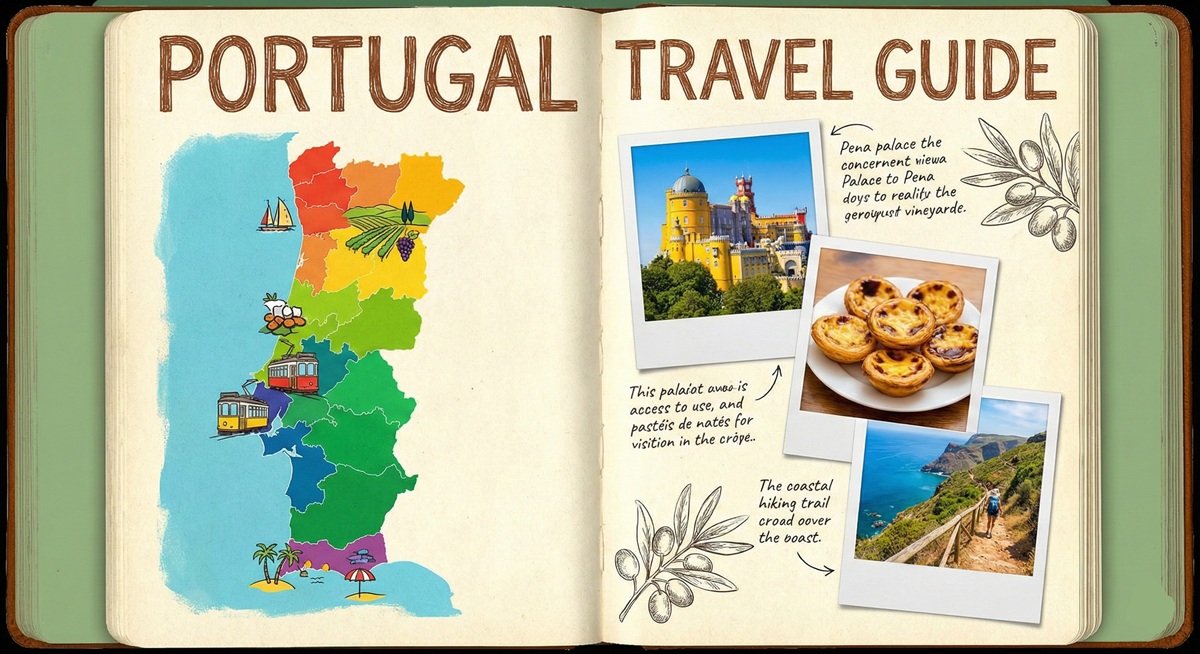
Portugal snuck up on me. I had always thought of it as Spain’s quieter neighbour – nice enough, but not a destination in its own right. Then I spent a week wandering Lisbon’s tiled streets, drinking vinho verde in Porto’s riverside bars, and eating grilled fish on Algarve beaches, and I understood why everyone who visits becomes an evangelist. Portugal has everything you want from southern Europe – sunshine, seafood, history, beaches – without the crowds or prices of its neighbours.
The country punches well above its weight. This small nation on Europe’s western edge once controlled a global empire, and that history shows in ornate Manueline architecture, world-class museums, and a cuisine influenced by former colonies from Brazil to Macau. Today, Portugal offers excellent value, genuinely friendly people, and landscapes from Atlantic surf beaches to terraced wine valleys.
A week covers Lisbon and Porto comfortably. Two weeks lets you add the Algarve or a Douro Valley wine trip.
Where to Go
Lisbon
Portugal’s capital is built on seven hills overlooking the Tagus River. The city rewards wandering – each neighbourhood has its own character. Alfama’s narrow alleys and Fado bars feel medieval. Baixa’s grid pattern dates from the 1755 earthquake rebuild. Belém has grand monuments from Portugal’s golden age.
Don’t miss: The yellow Tram 28 through Alfama’s streets. Pastéis de Belém – the original custard tarts. The views from São Jorge Castle. The Jerónimos Monastery in Belém.
Three to four days covers the highlights. The city makes an excellent base for day trips to Sintra and Cascais.
Porto
Portugal’s second city sits where the Douro River meets the Atlantic. Port wine cellars line the opposite bank in Vila Nova de Gaia – most offer tastings. The historic centre is a UNESCO World Heritage site with baroque churches and azulejo-covered buildings.
Don’t miss: Port wine tasting across the river. Livraria Lello bookshop (said to inspire Hogwarts). The Ribeira riverside district. A boat cruise on the Douro.
Two to three days is ideal. Combine with a Douro Valley day trip for wine tastings.
The Algarve
Southern Portugal’s coastline draws sun-seekers with golden beaches, dramatic cliffs, and golf courses. Lagos has beautiful sea caves and a historic old town. Faro is the main gateway with its own walled centre. Tavira is quieter and more traditional.
Best beaches: Praia da Marinha, Praia de Benagil (famous cave), Praia da Falésia.
Don’t miss: A boat trip to see the sea caves and grottos. Fresh grilled fish at a beachside restaurant.
Four to seven days for a proper beach holiday.
Sintra
A fairytale collection of palaces and gardens in forested hills 30 minutes from Lisbon. The colourful Pena Palace looks like it belongs in a Disney film. The National Palace has distinctive twin chimneys. Quinta da Regaleira has mysterious tunnels and symbolism.
Don’t miss: Pena Palace (book ahead). Quinta da Regaleira’s initiation well. The views from the Moorish Castle.
Easy day trip from Lisbon, though an overnight stay is more relaxed.
Madeira
An Atlantic island with year-round mild weather, dramatic cliffs, and lush vegetation. Popular for hiking the levada irrigation channels, whale watching, and escaping northern European winters. Funchal, the capital, has colonial architecture and botanical gardens.
Best for: Active travellers, nature lovers, winter sun seekers.
Flight from Lisbon: 1.5 hours.
Douro Valley
Terraced vineyards line the Douro River east of Porto. Portugal’s premier wine region produces port and excellent still wines. Visit by train, car, or boat cruise from Porto.
Don’t miss: A wine estate (quinta) tour and tasting. The scenic train journey along the river. The views from the hilltop viewpoints.
Day trip from Porto or overnight stay at a wine estate.
Getting Around
Trains
CP (Comboios de Portugal) operates the rail network. The Alfa Pendular is the high-speed service – Lisbon to Porto takes 2.5-3 hours. Regional trains cover smaller routes.
Book through CP website. Advance tickets offer discounts.
Buses
Rede Expressos connects cities and towns not on rail routes. Comfortable, air-conditioned coaches. Often cheaper than trains. Good for reaching the Algarve.
Domestic Flights
TAP Portugal and low-cost carriers connect Lisbon with Porto, Faro, Funchal (Madeira), and the Azores. Useful for islands or time-saving.
Driving
Good option for the Algarve, Douro Valley, and rural areas. Roads are well-maintained. Toll motorways require electronic payment (Via Verde or prepaid cards available at rental desks).
Lisbon driving is challenging – one-way systems, hills, and limited parking. Use public transport in the cities.
Ferries
Cross the Tagus in Lisbon (Cacilhas ferry gives good views). Connect mainland to islands if you have time.
Costs
Portugal offers excellent value compared to western European neighbours.
Daily budgets:
- Budget (hostels, cheap meals): €40-60
- Mid-range (hotels, restaurants): €80-120
- Comfortable (nice hotels, good dining): €150+
Sample prices:
- Coffee (espresso/bica): €0.80-1.20
- Beer: €2-3
- Glass of wine: €2-4
- Pastéis de nata: €1.20-2
- Restaurant meal: €10-20
- Train Lisbon-Porto: €25-35
- Museum entry: €8-15
- Hostel dorm: €15-25
When to Visit
Spring (April-May): Warm weather, flowers blooming, fewer crowds. Excellent for cities and hiking.
Summer (June-August): Hot, especially inland. Peak beach season in the Algarve. Busy and more expensive. Festivals and outdoor events.
Autumn (September-October): Warm sea temperatures, wine harvest in the Douro. Shoulder season value.
Winter (November-March): Mild in the south (15-18°C). Rainy in the north. Cheapest prices. Good for Madeira.
Food and Drink
Portuguese cuisine centres on fresh seafood, grilled meats, and simple preparations.
Classic dishes:
- Bacalhau – Dried, salted cod prepared in countless ways
- Pastéis de nata – Custard tarts (pastéis de Belém are the original)
- Francesinha – Porto’s indulgent meat sandwich in beer sauce
- Arroz de marisco – Seafood rice (like paella)
- Caldo verde – Kale soup with chorizo
- Sardinhas assadas – Grilled sardines (especially in June)
- Bifana – Pork steak sandwich
Drinking:
- Vinho verde – Light, slightly sparkling white wine
- Port wine – Sweet fortified wine from Porto
- Ginjinha – Sour cherry liqueur (try in Lisbon)
- Imperial/fino – How to order a small beer
Eating customs: Lunch is the main meal (12-3pm). Dinner starts from 7:30pm. Cover charges (couvert) for bread, olives, etc. are common – send them back if you don’t want to pay.
What to Pack for Portugal
- Travel adapter – Portugal uses Type C and F plugs (European two-pin). UK visitors need an adapter. See our Portugal Plug Adapter Guide.
- Layers – Coastal breezes, air-conditioned interiors
- Comfortable walking shoes – Lisbon’s hills and cobblestones
- Sun protection – Hat, sunglasses, sunscreen
- Swimwear – Even if visiting cities, beaches are accessible
- Light jacket – Evenings can be cool near the coast
Practical Information
Currency: Euro (€)
Language: Portuguese. English is common in tourist areas and among younger people.
Visas: EU citizens need no visa. UK/US citizens can visit for up to 90 days without a visa (Schengen rules).
Plugs: Type C and F (European two-pin). See our Portugal Plug Adapter Guide.
Tipping: Not expected but appreciated. Round up or leave 5-10% for good service.
Safety: Portugal is very safe. Petty theft exists in tourist areas – watch for pickpockets in Lisbon trams.
Frequently Asked Questions
Do I need a visa for Portugal from the UK?
No. UK citizens can visit Portugal for up to 90 days in any 180-day period without a visa (Schengen rules).
What is the best time to visit Portugal?
Spring (April-May) and autumn (September-October) offer pleasant weather and fewer crowds. Summer is hot and busy, especially in the Algarve. Winter is mild and cheapest.
What currency is used in Portugal?
The Euro (€). Credit cards are widely accepted in cities and tourist areas, but carry cash for smaller businesses and rural areas.
What plugs are used in Portugal?
Type C and F plugs (European two-pin) at 230V. UK visitors need an adapter.
Is Portugal expensive?
No, Portugal offers good value compared to western European neighbours. Budget €40-60/day for hostels and cheap meals, €80-120/day for mid-range hotels and restaurants.
Do I need to speak Portuguese?
English is widely spoken in tourist areas and by younger Portuguese. Basic Portuguese phrases are appreciated, especially outside major cities.