Things to Do in Lisbon: Portugal Guide
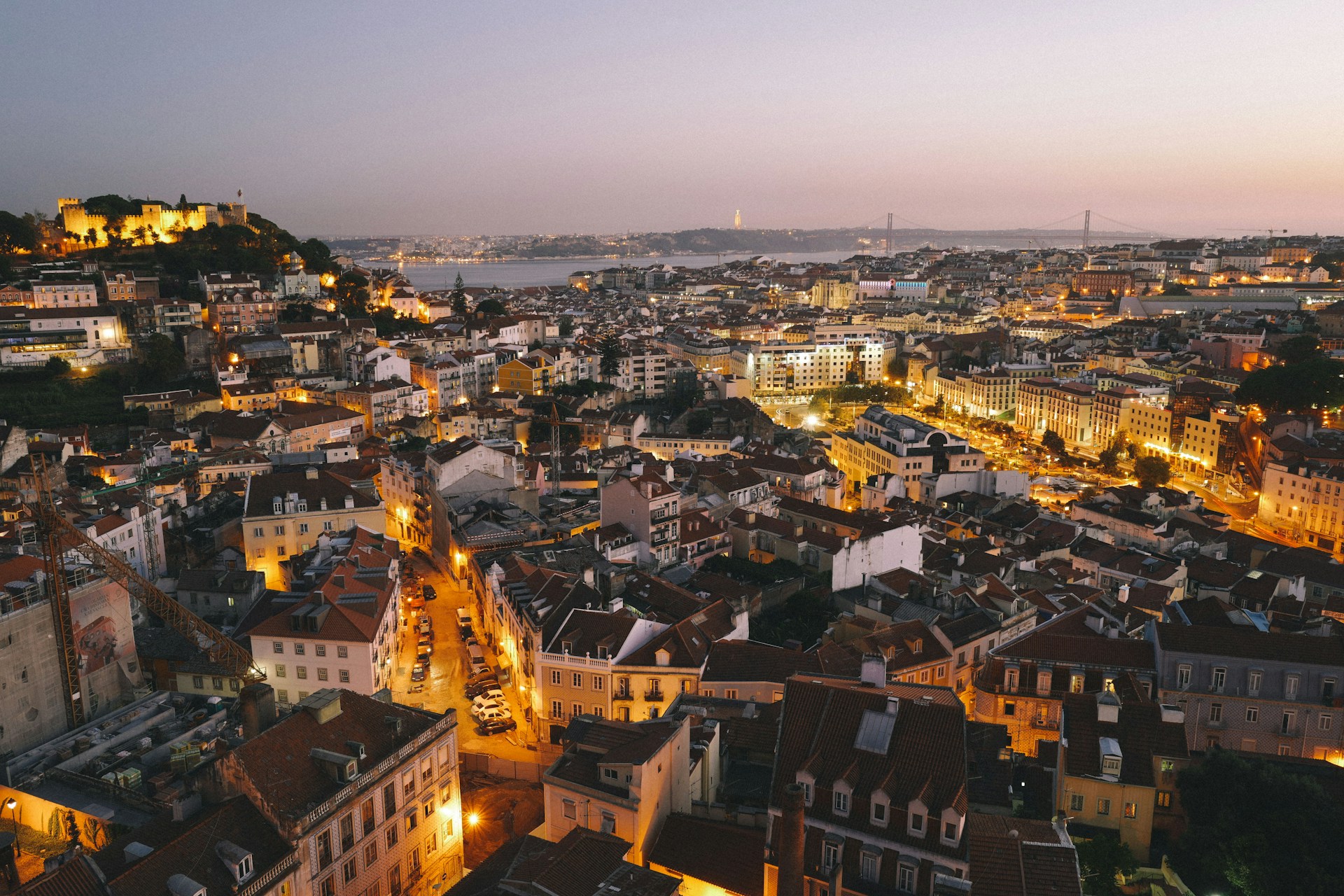
I nearly gave up on Lisbon after the first afternoon. The flight landed at 2pm, the taxi dropped me in Baixa, and I decided to walk to my hotel in Alfama. What nobody mentioned was that Alfama sits on a hill so steep that Google Maps becomes a work of fiction. I arrived drenched in sweat, convinced I had made a terrible mistake. By sunset, sitting on a rooftop terrace with a glass of vinho verde and watching the light turn the city gold and pink, I understood why people fall for this place. Lisbon earns your affection, but it makes you work for it first.
If you’re looking for things to do in Lisbon, start by accepting the hills. Once you make peace with the gradients, you’ll find a city with incredible food, genuinely affordable prices by Western European standards, and a melancholy beauty that photographs cannot quite capture.
The Neighbourhoods
Alfama
The oldest district, spared by the 1755 earthquake that flattened most of Lisbon. Narrow alleys, laundry hanging between buildings, fado music drifting from doorways. This is the Lisbon of postcards, and it deserves the reputation.
What to see:
- São Jorge Castle – The hilltop fortress offers the best views over the city and river. Come early morning or late afternoon to avoid crowds and heat.
- Lisbon Cathedral (Sé) – Romanesque cathedral near the base of Alfama. Free to enter the main nave; small fee for the cloisters.
- Miradouro das Portas do Sol – One of several viewpoints (miradouros) scattered through the neighbourhood. Good for sunset drinks.
Getting there: Tram 28 winds through Alfama, though it is often packed with tourists. Walking up from Baixa is steep but manageable. The alternative is walking down from the castle.
Baixa and Rossio
The grid-planned downtown rebuilt after the earthquake. Wide boulevards, tiled buildings, and the main shopping streets. Less charming than Alfama but useful for orientation and transport connections.
What to see:
- Praça do Comércio – The grand riverside square. Good starting point for exploring.
- Santa Justa Elevator – The iron lift connecting Baixa to Carmo. The queue is usually long; walking up the hill takes the same time.
- Rua Augusta – Pedestrianised shopping street. Touristy but lively.
Bairro Alto and Chiado
Adjacent neighbourhoods west of Baixa. Chiado is elegant, with bookshops and theatres. Bairro Alto is quiet by day and chaotic by night – the narrow streets fill with people drinking outside bars from around 10pm onwards.
What to see:
- Livraria Bertrand – Claims to be the world’s oldest bookshop (since 1732). Small but atmospheric.
- Convento do Carmo – Ruined Gothic church, roofless since the earthquake. Haunting and beautiful.
- Time Out Market – Food hall in the Mercado da Ribeira. Touristy but convenient for sampling Portuguese dishes in one place.
Belém
About 6km west of the centre, along the river. This is where the Age of Discovery monuments cluster, celebrating Portugal’s maritime history.
What to see:
- Jerónimos Monastery – Manueline architecture at its most elaborate. UNESCO-listed. Allow 1-2 hours.
- Belém Tower – The iconic fortress on the riverbank. Photogenic from outside; the interior is small and often has long queues.
- Pastéis de Belém – The famous custard tart bakery. The tarts here are excellent, though the queues can be absurd. Arrive early or accept the wait.
- MAAT – Modern art and architecture museum. Worth visiting for the building alone.
Getting there: Tram 15E from Praça do Comércio (about 20 minutes), or the train from Cais do Sodré.
Getting Around
Trams are iconic but slow and crowded. The 28 route through Alfama and Graça is worth riding once for the experience, but don’t rely on it for efficient transport.
Metro is modern, cheap, and covers most of the city. Single tickets €1.85 (or €1.66 with Zapping prepaid credit); day passes available. The Navegante card is reusable and works on metro, buses, and trams.
Walking is the best way to experience Lisbon, hills notwithstanding. Wear comfortable shoes with good grip – the cobblestones can be slippery.
Tuk-tuks are everywhere. Overpriced for transport but some offer decent guided tours if you negotiate.
Uber works well and is often cheaper than taxis.
From the airport: Metro red line runs directly to the centre (Alameda, Baixa-Chiado). About 20-30 minutes, €1.65 plus a €0.50 card fee. Taxis and Uber cost €10-15 to central Lisbon.
The Food
Portuguese food is hearty, unfussy, and excellent value.
What to eat:
- Pastéis de nata – Custard tarts. Eat them warm, dusted with cinnamon. Pastéis de Belém is the most famous; Manteigaria in Chiado is equally good without the queues.
- Bacalhau – Salt cod, prepared in supposedly 365 different ways. Bacalhau à brás (shredded cod with eggs and potatoes) is a good starting point.
- Bifana – Pork sandwich in a bread roll. Simple, cheap, satisfying. Try it at a local tasca (tavern).
- Grilled sardines – Particularly in summer, especially around the June festivals. Messy and delicious.
- Canned fish – Portugal takes tinned sardines and mackerel seriously. Conserveira de Lisboa sells beautifully packaged tins that make good gifts.
Where to eat:
- Cervejaria Ramiro – Legendary seafood restaurant. The prawns are exceptional. Go hungry.
- Tasca do Chico – Tiny fado restaurant in Bairro Alto. Book ahead or queue.
- Time Out Market – Convenient food hall for sampling multiple dishes.
- Any tasca with handwritten menus – Often the best meals come from places with no English menu and five dishes on offer.
Budget: Expect to pay €8-15 for a lunch menu (prato do dia), €20-35 for dinner with wine. Pastéis de nata cost about €1-1.50 each.
Practical Information
When to visit: Spring (April-May) and autumn (September-October) offer the best weather without peak summer crowds. Summer is hot and busy. Winter is mild but can be rainy.
How long: Three to four days covers the main sights comfortably. A week allows for day trips to Sintra and Cascais.
Money: Portugal uses the euro. Cards are widely accepted; some smaller tascas and markets prefer cash.
Language: Portuguese. English is widely spoken in tourist areas, less so in traditional neighbourhoods. Learning “obrigado/obrigada” (thank you) goes a long way.
Safety: Lisbon is generally safe. Pickpockets operate on tram 28 and in tourist areas – normal precautions apply.
Electricity: Type F plugs, 230V. UK visitors need an adapter — here’s what plugs Portugal uses and which devices actually need grounding.
Day Trips
Sintra – Fairytale palaces and gardens in the hills, 40 minutes by train from Rossio station. The Pena Palace is the highlight. Go early to beat the crowds.
Cascais – Beach town 30 minutes by train from Cais do Sodré. Pleasant for a half-day escape from the city.
Óbidos – Walled medieval town about an hour north. Touristy but picturesque. Try the ginjinha (cherry liqueur) served in a chocolate cup.
What to Skip
- Queuing two hours for Pastéis de Belém – The tarts are good, but Manteigaria is just as good and faster.
- The Santa Justa Elevator during peak hours – Walk up instead; you’ll get there quicker.
- Tram 28 at midday – Packed and uncomfortable. Take it early morning or skip it entirely.
- Overpriced fado shows for tourists – The real thing happens in tiny Alfama bars, not dinner-show venues charging €50 a head.
The best parts of Lisbon aren’t ticketed attractions. They’re getting lost in Alfama’s alleys, finding a neighbourhood tasca where nobody speaks English, watching the sunset from a miradouro with a cheap beer. Plan less than you think you need to.
Frequently Asked Questions
Do I need a visa to visit Lisbon?
EU citizens can visit Portugal freely with just an ID card. US, Canadian, Australian, and UK visitors can stay up to 90 days within a 180-day period without a visa under the Schengen Agreement. Check your specific country’s requirements before traveling.
When is the best time to visit Lisbon?
Spring (April-May) and autumn (September-October) offer the best weather without peak summer crowds. Temperatures are mild and pleasant. Summer (June-August) can be hot and crowded, while winter (November-February) is mild but wetter with occasional rain.
What currency does Lisbon use?
Portugal uses the euro (EUR). Credit and debit cards are widely accepted in restaurants, shops, and hotels. Smaller tascas, markets, and traditional establishments may prefer cash, so it’s good to carry some euros.
What type of power plugs are used in Lisbon?
Portugal uses Type F plugs (European two-pin) with 230V electrical supply. Visitors from the UK, US, Canada, and Australia will need a plug adapter. Most hotels have USB charging ports, but bring an adapter for other devices. Our guide to electrical sockets in Portugal covers the wattage limit that catches people out with hair dryers and travel kettles.
How much does a trip to Lisbon cost?
Budget travelers can manage on EUR 40-60/day (hostels, local food, walking). Mid-range budgets of EUR 80-120/day cover decent hotels and restaurants. Expect to pay EUR 8-15 for lunch menus, EUR 20-35 for dinner with wine, and EUR 1.85 for metro tickets (or EUR 1.66 with Zapping).
Is Lisbon safe for tourists?
Lisbon is generally very safe. Pickpocketing can occur on tram 28 and in crowded tourist areas like Alfama and Baixa. Use normal precautions: keep valuables secure, watch your belongings on public transport, and avoid displaying expensive items. The city has low violent crime rates.