Things to Do in Paris: Sights & Travel Tips
Finding the best things to do in Paris requires slowing down. My first trip, I did everything wrong – arrived exhausted, tried to see the Louvre in two hours, queued three hours for the Eiffel Tower in drizzle. I left thinking the city was overrated. Five years later, I went back and did it properly. Stayed in the Marais, wandered without a schedule, ate croissants that genuinely were better than anywhere else, watched the sunset from Sacré-Cœur instead of fighting the crowds at the tower. Paris deserves its reputation, but it also demands that you slow down enough to appreciate it. The first trip taught me what not to do; the second trip showed me why people fall in love with this city.
Paris lives up to the hype – but not if you rush it. The architecture, the food, the museums, the way light hits the Seine in late afternoon – they’re as good as everyone says. Four or five days covers the main sights comfortably; a week lets you explore at a pace that actually lets you enjoy it.
Main Attractions
The Eiffel Tower
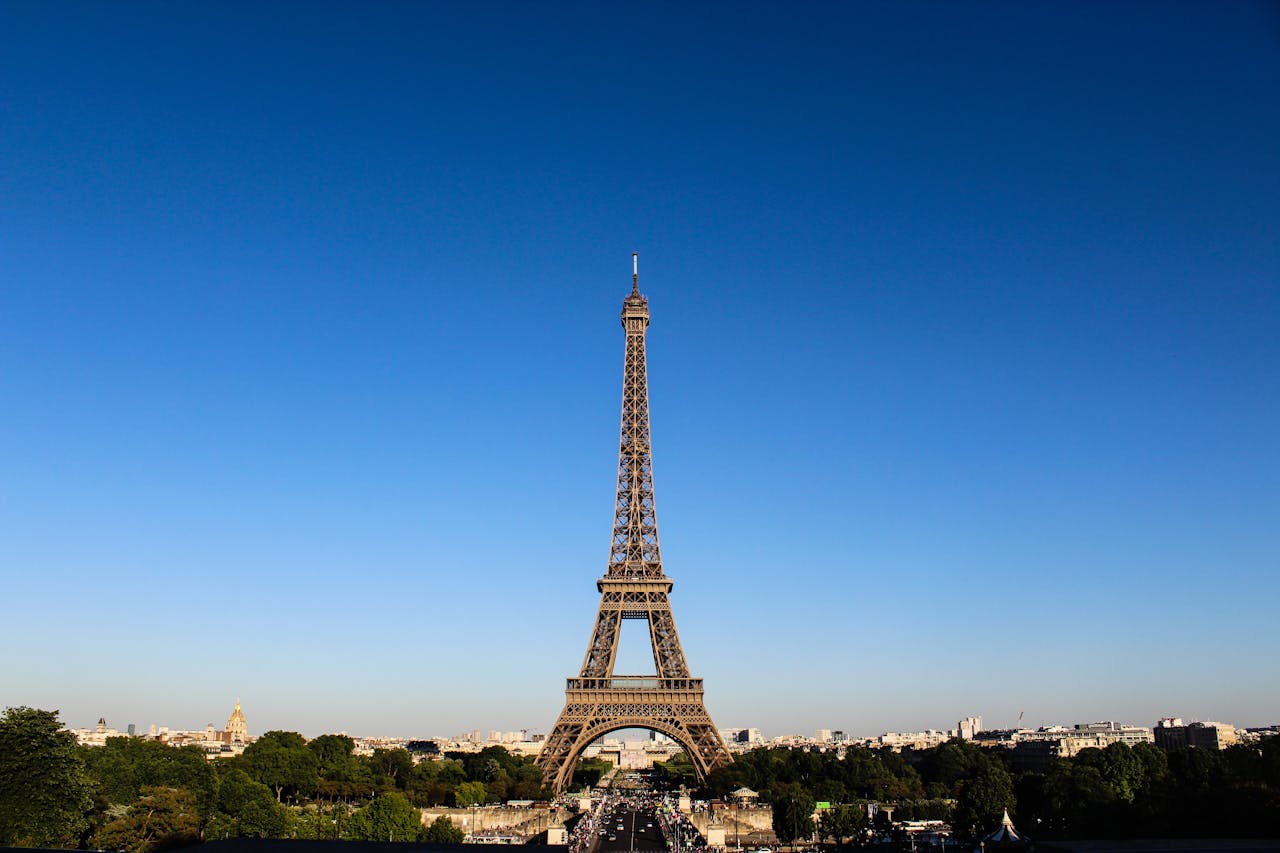
Unmissable, even if just from the ground. Three levels with viewing platforms. Book timed entry in advance – queues can exceed 3 hours in summer. Evening visits offer city lights; morning visits have clearer views.
Tickets: Around €30 for summit access, €12 for the second floor. Book at toureiffel.paris.
Best photos of the tower: Trocadéro plaza across the river, Champ de Mars park, or Pont d’Iéna bridge.
The Louvre
The world’s largest art museum. You cannot see everything in one visit – don’t even try. Pick what interests you and accept you’ll miss things. The Mona Lisa is famous but small, behind bulletproof glass, and surrounded by people holding phones above their heads. Worth seeing once just to say you did, but the less-visited wings (Egyptian antiquities, decorative arts, the Cour Marly with its sculptures) are often more rewarding.
My strategy: arrive when it opens, see the Mona Lisa immediately before the crowds build, then escape to quieter sections.
Time needed: 3-4 hours minimum. A full day if you want to explore properly.
Tickets: €22, book at louvre.fr. Free for under 18s and EU residents under 26. First Saturday evening (6-9pm) is free for everyone – but busy.
See our detailed Louvre Visitor Guide.
Notre Dame Cathedral
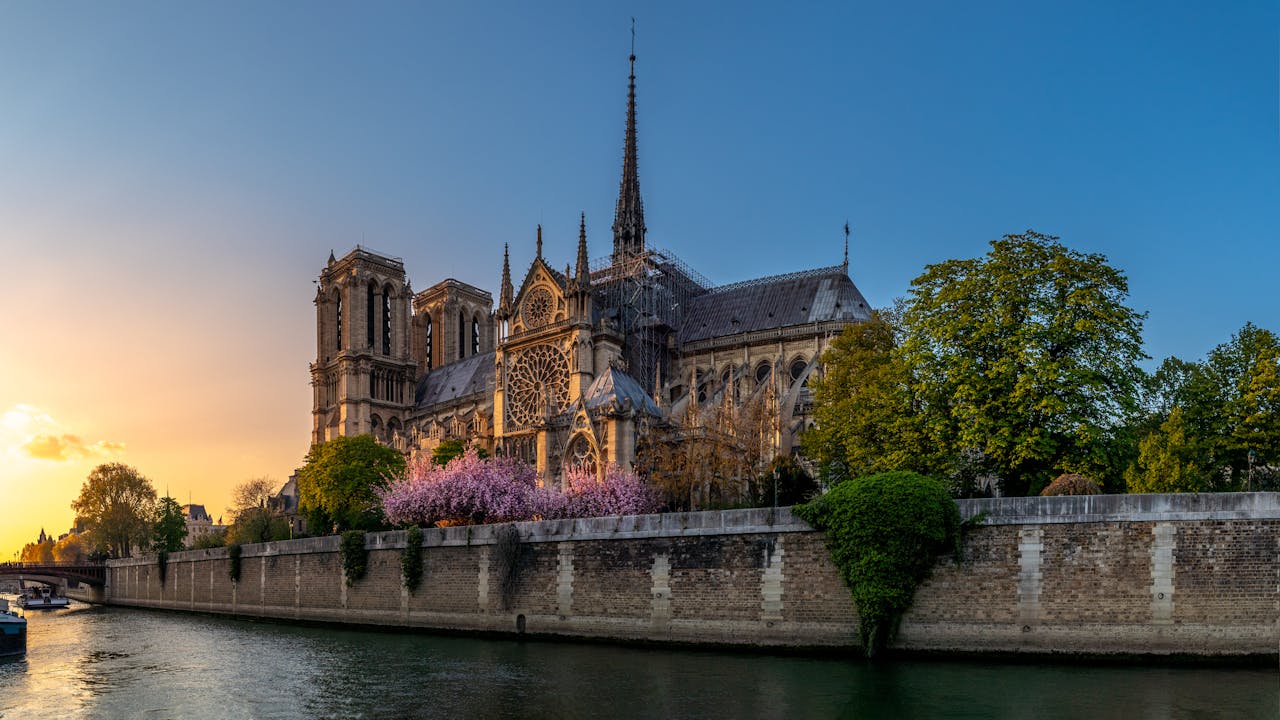
Reopened after the 2019 fire. The Gothic architecture is worth seeing up close – flying buttresses, rose windows, and detailed stone carvings on every surface. Free to enter; queues can be long.
Musée d’Orsay
Impressionist and Post-Impressionist art in a converted railway station. Monet, Renoir, Van Gogh, Degas. More manageable than the Louvre and arguably better if you prefer 19th-century art.
Tickets: €16. Free first Sunday of the month.
Montmartre and Sacré-Cœur
The hilltop neighbourhood has cobblestone streets, artists, and the white-domed Sacré-Cœur Basilica. Views over Paris from the steps are excellent. The area gets touristy around the main square but quieter streets nearby have genuine charm.
Arc de Triomphe
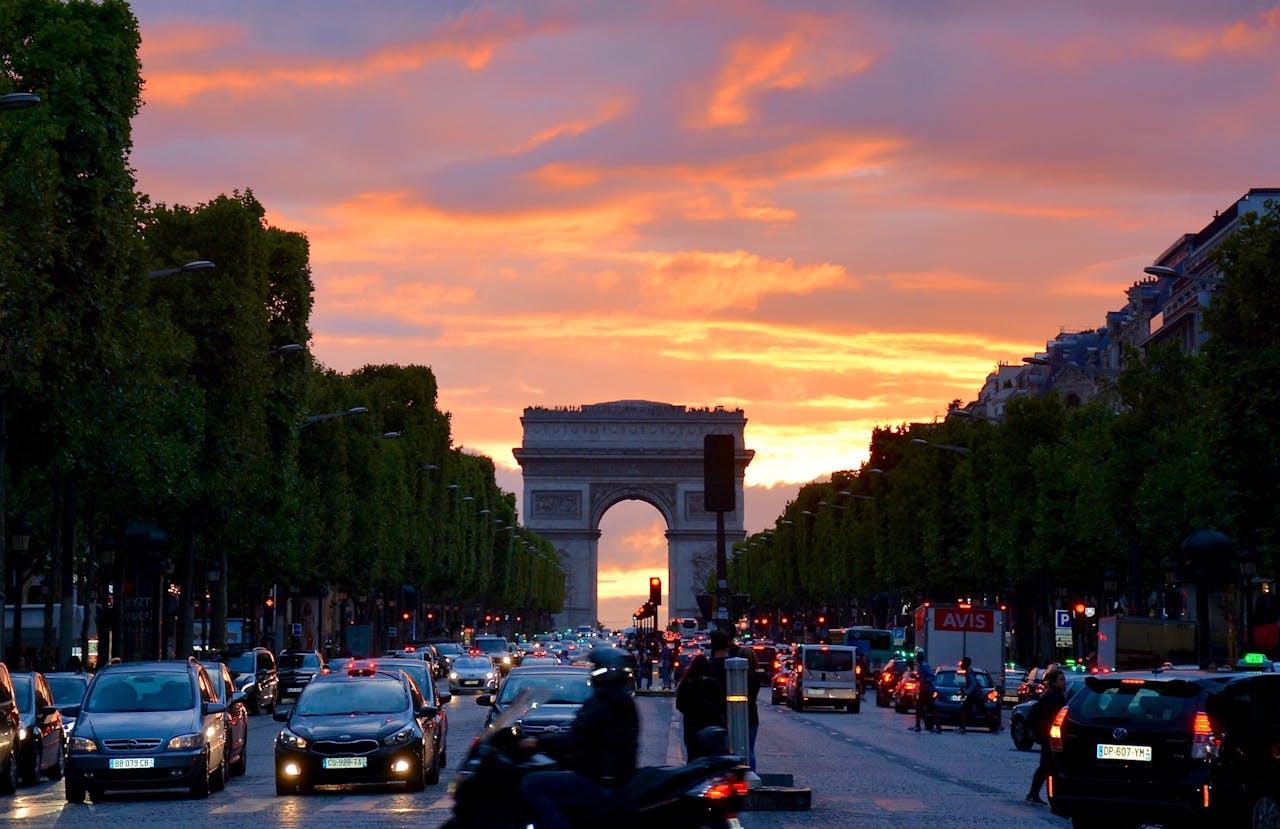
Commissioned by Napoleon, standing at the top of the Champs-Élysées. You can climb to the roof for views down the avenue. The Tomb of the Unknown Soldier sits beneath.
Champs-Élysées
The famous avenue connecting Place de la Concorde to the Arc de Triomphe. Expensive shops, cinemas, and cafés. Better for a stroll than serious shopping unless you’re after luxury brands.
Seine River
A walk along the river banks (a UNESCO site) is one of Paris’s pleasures. River cruises offer a different perspective – touristy but scenic, especially at sunset.
Day Trips
Palace of Versailles – 45 minutes by RER train. The Hall of Mirrors, royal apartments, and gardens. Allow a full day. Book in advance; it gets extremely busy.
Giverny – Monet’s garden, about 75 minutes by train. The water lily ponds and Japanese bridge. Best in spring and summer.
Disneyland Paris – 45 minutes by RER. Theme parks and hotels.
Getting Around
Metro is the easiest way to navigate Paris. Extensive network, trains every few minutes. Single Metro-Train-RER tickets cost €2.55 (or €2.04 with Navigo Liberté+). The Navigo Easy card loads tickets onto a reusable card.
Buses are useful for seeing the city while traveling. Same tickets as metro.
RER trains connect central Paris to airports and suburbs (Versailles, Disneyland).
Taxis and Uber work well. Official Paris taxis have lights on the roof; Uber is often cheaper.
Walking is the best way to experience Paris. Most central arrondissements are walkable.
Vélib bikes – The public bike-share system. Stations throughout the city. Day passes available.
From the airports:
- Charles de Gaulle (CDG): Paris Region <> Airports ticket (€13, 30-45 minutes by RER B) or taxi (fixed fare €55 to Right Bank, €62 to Left Bank)
- Orly: Orlyval train + RER B or taxi (fixed fares €36-44)
Where to Stay
Paris divides into 20 arrondissements spiralling out from the centre. Central ones (1-8) are most convenient for sightseeing but more expensive.
Good areas for tourists:
- Le Marais (3rd-4th) – Historic Jewish quarter, galleries, boutiques. Central and walkable.
- Saint-Germain-des-Prés (6th) – Left Bank classic. Cafés, bookshops, upmarket feel.
- Latin Quarter (5th) – Near Notre Dame and the Panthéon. Student area with good restaurants.
- Montmartre (18th) – Artistic, bohemian. Away from central attractions but characterful.
Accommodation types:
- Budget hotels: €80-120/night
- Mid-range hotels: €150-250/night
- Luxury hotels: €400+/night
- Hostels: €30-50/dorm bed
Apartments can be good value for groups or longer stays.
Costs
Paris is expensive but manageable with planning.
Daily budgets:
- Budget (hostels, boulangeries, free attractions): €80-100
- Mid-range (hotels, restaurants, museums): €150-250
- Comfortable (nice hotels, good restaurants): €300+
Sample prices:
- Coffee: €3-5
- Croissant: €1.50-2.50
- Baguette sandwich: €5-8
- Restaurant dinner: €30-60
- Glass of wine: €5-10
- Metro ticket: €2.55
- Museum entry: €12-22
Saving money:
- Free museum days (first Sunday of month for many)
- Free attractions: Notre Dame, Sacré-Cœur, parks, church visits
- Set lunch menus (formule) are cheaper than à la carte
- Buy food from bakeries and markets
- Paris Museum Pass if visiting multiple paid attractions
When to Visit
Spring (April-May): Pleasant weather, blooming gardens, manageable crowds.
Summer (June-August): Peak season, hot, crowded, but long daylight hours. Many Parisians leave in August.
Autumn (September-October): Good weather, cultural season starts, fewer tourists.
Winter (November-February): Cold and grey but fewer crowds and lower prices. Christmas markets in December.
Practical Tips
- Language: French. English is widely spoken in tourist areas but a few French phrases help.
- Tipping: Service is included. Rounding up or leaving €1-2 for good service is appreciated but not expected.
- Opening hours: Many shops and some museums close on Sundays. Restaurants often close between lunch and dinner.
- Strikes: France has strikes periodically. Check news and transport apps for disruptions.
- Pickpockets: Watch bags and pockets at tourist sites and on the metro. Common but avoidable with normal precautions.
- Dress: Parisians dress well. Smart casual works everywhere. Trainers are fine; flip-flops less so.
What to Skip
- Queuing three hours for the Eiffel Tower without a booking – Book online. The views are good, but not three-hours-in-the-cold good.
- The Champs-Élysées for actual shopping – Unless you want flagship stores and tourist prices. Better shopping in Le Marais or Saint-Germain.
- Street sellers at major monuments – The miniature Eiffel Towers, the “friendship bracelets” at Sacré-Cœur. Just walk past.
- Overpriced cafés directly facing major attractions – Walk one street back for the same coffee at half the price.
- Trying to see everything – Paris rewards wandering more than ticking boxes. Leave space in your schedule.
The best parts of Paris weren’t in my guidebook – a courtyard I found by accident in the 5th arrondissement, a bakery recommended by a stranger, sitting by the Seine with a bottle of wine as the Eiffel Tower started sparkling at night. Plan less than you think you need to. Get lost on purpose.
Frequently Asked Questions
Do I need a visa to visit Paris?
EU citizens can visit France freely. US, Canadian, Australian, and UK visitors can stay up to 90 days within a 180-day period without a visa under the Schengen Agreement. Always check current entry requirements before your trip, as regulations can change.
When is the best time to visit Paris?
Spring (April-May) and autumn (September-October) offer the best combination of pleasant weather and manageable crowds. Summer (June-August) is peak season with hot weather, long days, and many tourists. Winter (November-February) is cold and grey but has fewer crowds, lower prices, and festive Christmas markets in December.
What currency does Paris use?
France uses the euro (EUR). Credit and debit cards are widely accepted throughout Paris, including restaurants, shops, hotels, and museums. Some smaller cafes and markets may prefer cash, so it’s wise to carry some euros.
What type of power plugs are used in Paris?
France uses Type E plugs (European two-pin with earth hole) with 230V electrical supply. Visitors from the UK, US, Canada, and Australia will need a plug adapter. Most hotels provide adapters on request, but it’s safer to bring your own.
How expensive is Paris?
Paris is expensive but manageable with planning. Budget travelers can get by on EUR 80-100/day (hostels, bakeries, free attractions). Mid-range budgets of EUR 150-250/day cover decent hotels and restaurants. Expect to pay EUR 3-5 for coffee, EUR 30-60 for restaurant dinners, and EUR 12-22 for museum entries.
Is Paris safe for tourists?
Paris is generally safe, though pickpocketing is common at tourist sites, on the metro, and in crowded areas. Keep valuables secure, watch your belongings, and be aware of distraction techniques. Avoid unlicensed taxis and be cautious at night in less touristy areas. Violent crime against tourists is rare.