Santorini Travel Guide: Best Views & Hotels
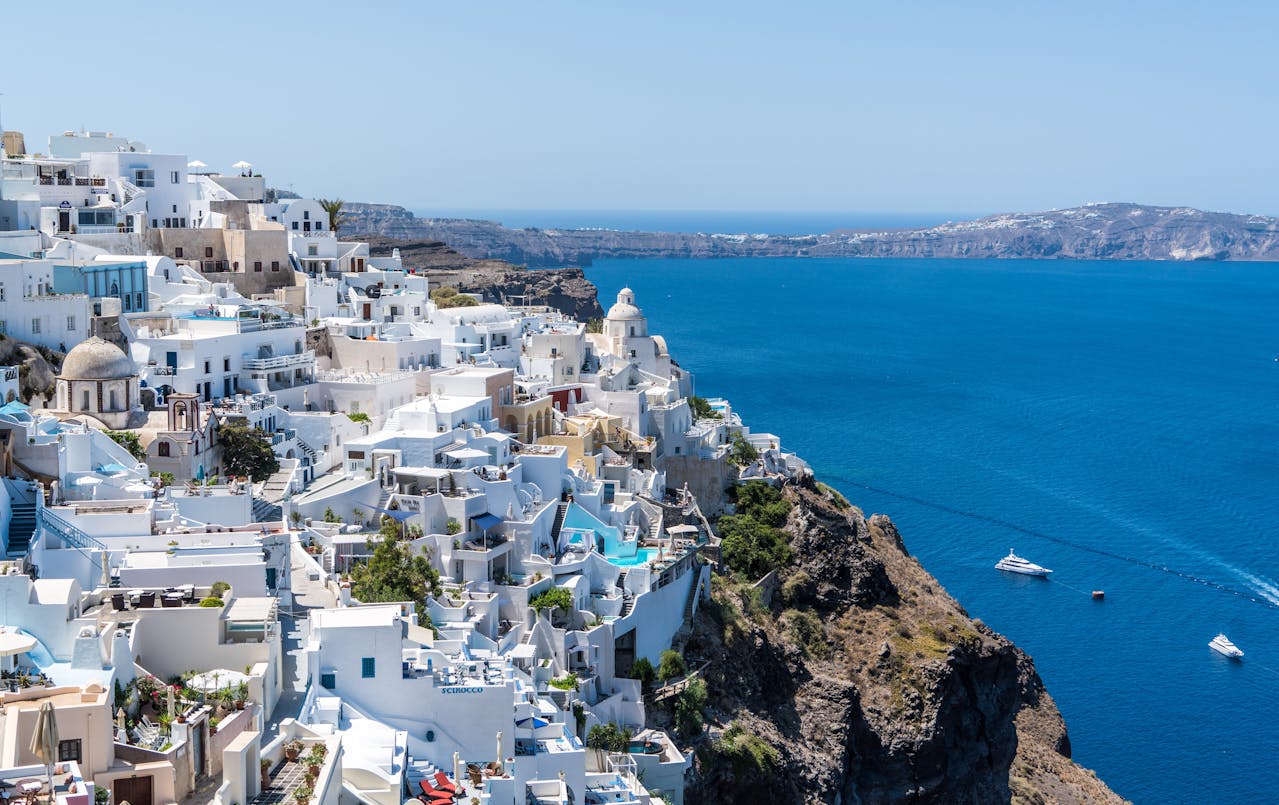
Santorini holidays do something to you. Standing on the caldera rim watching the sun sink into the Aegean, the white-washed buildings below catching the last golden light, you understand why this island appears on every bucket list. It is almost aggressively beautiful – the kind of place that makes you resent your phone camera for not capturing what your eyes are seeing.
I visited during late September, which turned out to be perfect timing. The summer crowds had thinned, prices had dropped, and the water was still warm enough for swimming. The island felt alive but not suffocating, romantic without being a couples-only cliché.
Santorini is what remains after a volcanic eruption around 1600 BC blew the centre of the island into the sea. The caldera – that dramatic flooded crater ringed by cliffs – is the result of that cataclysm. The same eruption may have inspired the Atlantis legend and contributed to the collapse of Minoan civilization on nearby Crete. Walking around, you are literally standing on geological history.
Choosing Where to Stay
Location matters enormously on Santorini, and the island essentially divides into two types of experience: caldera views or beach access.
Oia
The famous one. Those iconic blue-domed churches, the sunset crowds, the galleries and boutique hotels carved into the cliffs – this is Oia. It is undeniably stunning and undeniably expensive. A caldera-view hotel room starts around €300-400 per night in shoulder season, €500-800+ in summer. The famous sunset-watching spot at the castle ruins gets absolutely packed – arrive at least an hour early if you want a decent position.
The village is small and walkable but entirely geared toward tourists. Restaurants are pricey and quality varies wildly. For a town famous for sunsets, surprisingly few places have actually good views from their dining areas – many are tucked into the backstreets.
Best for: Honeymoons, romantic getaways, Instagram perfection, people who prioritise atmosphere over budget.
Fira
The island’s capital and transport hub. More selection in accommodation, dining, and nightlife than anywhere else on Santorini. Caldera views are still spectacular but hotels cost roughly 30-40% less than equivalent rooms in Oia. The downside is more traffic, more crowds, more commercialisation.
Fira is where buses connect, where the cable car runs down to the old port, where the cruise ship passengers flood in during the day. By evening it calms down and the restaurants along the caldera edge come alive. Good cocktail bars, decent Greek tavernas, and easy access to the rest of the island.
Best for: First-timers wanting central location, nightlife seekers, solo travellers, budget-conscious visitors who still want caldera views.
Imerovigli
Often called the balcony of the Aegean, and for good reason. This village sits at the highest point of the caldera rim, offering arguably the best views on the island. It is quieter than Fira and Oia, with fewer restaurants but more peace. The walk to Skaros Rock – a dramatic volcanic peninsula with a ruined Venetian castle – starts here and is one of Santorini’s best short hikes.
Hotels range from €200-500 per night for caldera views. Less choice in dining means you will likely eat in Fira some evenings, which is a pleasant 20-minute walk along the cliff path.
Best for: Couples seeking romance without Oia crowds, photographers, hikers.
Beach Towns: Kamari and Perissa
Completely different vibe. These twin towns on the southeast coast offer black sand beaches, beachfront tavernas, and a more traditional Greek island atmosphere. Prices drop significantly – €80-150 gets you a comfortable hotel room. The trade-off is no caldera views and a 20-30 minute drive or bus ride to the cliff villages.
Kamari is slightly more developed with a pedestrianised promenade, beach loungers, and family-friendly facilities. Perissa is younger, more backpacker-oriented, with beach bars and a party scene in summer. Both offer good value Greek food.
Best for: Beach lovers, families, budget travellers, anyone who cares more about swimming than sunset cocktails.
The Beaches
Santorini’s volcanic origins mean unusual beaches. No white sand here – instead you get dramatic colours from the island’s geological history.
Red Beach
The poster child, with rust-red cliffs plunging into deep blue water. It is genuinely striking and worth seeing, but the reality check: the beach itself is tiny, often overcrowded, and the path down involves some scrambling over rocks. The cliffs are also unstable – rockfalls have injured visitors. Go early morning, take photos, maybe swim, but do not expect a relaxing beach day. Access is a short walk from Akrotiri village.
Perissa and Perivolos
The main swimming beaches – long stretches of black volcanic sand with loungers, umbrellas, tavernas, and water sports. Perivolos has the beach clubs and livelier scene; Perissa is more laid-back. Both are perfectly pleasant for a beach day, especially if you accept that black sand gets scorching hot under the midday sun (bring sandals for walking on it).
Vlychada
My personal favourite. This grey-white beach sits beneath dramatic sculptural cliffs eroded by wind and waves into almost lunar formations. Fewer crowds, a decent beach bar, and a genuine sense of otherworldliness. The right end of the beach is clothing-optional. The nearby small boat harbour has excellent fresh fish restaurants.
White Beach
Accessible only by boat from Red Beach or Akrotiri, which keeps crowds down. White pumice cliffs above pale pebbles – quite beautiful and good for snorkelling. Bring supplies as facilities are minimal.
Beyond the Beaches: What to Actually Do
The Fira to Oia Hike
One of the best things on the island and completely free. This 10-kilometre trail follows the caldera rim from Fira through Firostefani and Imerovigli to Oia, offering constant views and passing through all the famous viewpoints. Allow 3-4 hours with photo stops. Start early to avoid midday heat, bring water and sunscreen, and catch the bus back from Oia.
The path is mostly paved but has some uneven sections and steep steps. Not difficult for anyone reasonably fit, but not ideal for very young children or anyone with mobility issues.
Akrotiri Archaeological Site
The Minoan settlement preserved under volcanic ash from that 1600 BC eruption. Often called the Pompeii of the Aegean, though actually predating Pompeii by 1,700 years. The covered excavation site reveals multi-storey buildings, drainage systems, and streets – remarkably sophisticated for Bronze Age civilization. The famous frescoes discovered here are now in Athens, but the site itself is fascinating. Entry around €12.
Wine Tasting
Santorini’s volcanic soil and unique grape-training method (vines wound into basket shapes to protect from wind) produce distinctive wines, particularly Assyrtiko – a crisp, mineral white that pairs brilliantly with seafood. Several wineries offer tastings:
Santo Wines has the most famous caldera views but gets crowded with tour groups. Venetsanos offers similar views with smaller crowds. Gavalas is more traditional, family-run, and focused on natural wines. Expect to pay €15-30 for a tasting flight.
Volcano and Hot Springs Boat Trip
The classic excursion: boat to Nea Kameni island to hike up the volcanic crater, then on to the hot springs off Palea Kameni for a swim in sulphur-tinted water. Half-day trips run €25-40 from various ports. The volcano hike is interesting but hot and exposed – the springs are the highlight, though the water is more warm than hot and the sulphur stains swimwear yellow.
Sunset Catamaran Cruise
Pricey but memorable. Sailing around the caldera as the sun sets, usually with dinner and drinks included. Expect €100-150 per person. The views from the water looking back at the clifftop villages lit by sunset are genuinely special.
Eating and Drinking
Greek island food at its best, though tourist traps abound. Some guidelines:
In the cliff villages: Avoid the restaurants with touts and laminated photos of food. The best spots tend to be slightly off the main path, with Greek menus alongside English ones, and locals actually eating there.
Fresh fish: Amoudi Bay below Oia has several tavernas right on the water serving fish by the kilo. Prices are high but quality is excellent. Getting down requires 300+ steps or a taxi to a rough road.
Traditional: Try fava (yellow split pea puree), tomato keftedes (fritters made from Santorini’s famous cherry tomatoes), and white aubergine. These local specialities are worth seeking out.
Budget eating: Gyros and souvlaki shops in Fira are perfectly good and a fraction of restaurant prices. Supermarkets have fresh bread, cheese, and olives for picnic lunches.
Wine is relatively affordable even in restaurants – a bottle of local Assyrtiko runs €20-35, and it is generally excellent.
Getting There and Around
Flights
Santorini’s small airport has direct flights from Athens (45 minutes, €50-150 depending on season) and seasonal connections from various European cities. From the UK, you will typically connect through Athens, though in summer some charter flights go direct.
The airport is near Kamari on the east coast. Taxis to Fira cost around €20, to Oia around €35. Buses exist but are crowded and infrequent.
Ferries
From Athens’ Piraeus port, fast ferries take around 5 hours (€60-80), conventional ferries 8 hours (€40-50). Ferries also connect Santorini to other Cycladic islands – Mykonos, Naxos, Paros, and more. The port at Athinios is wedged below towering cliffs and gets chaotically busy when multiple ferries arrive.
Getting Around
Buses run from Fira to most villages and beaches, costing €2-3 per ride. They are cheap but crowded in summer and stop running around 11pm. Taxis are scarce and do not use meters – negotiate before getting in. A taxi from Fira to Oia costs around €25.
Renting a car or ATV is popular and gives flexibility. An ATV costs around €25-40 per day, a small car €40-60. Roads are decent but narrow, and parking in the cliff villages is limited and stressful. For just seeing the main sights, buses and occasional taxis work fine. For exploring beaches and remote spots, having wheels helps.
When to Visit
Peak Season (July-August)
Hot (30°C+), crowded, expensive. Oia at sunset becomes uncomfortably packed. Hotels cost double or triple shoulder-season rates. But the weather is guaranteed, everything is open, and the party scene is in full swing.
Shoulder Season (May-June, September-October)
The sweet spot. Warm enough for swimming (water reaches 24-25°C by June), thinner crowds, lower prices, and almost all facilities open. September and early October particularly good – summer heat moderating, water still warm, tourist numbers dropping.
Off Season (November-April)
Many hotels and restaurants close. Weather is unpredictable – can be mild and pleasant or genuinely cold and rainy. Prices drop dramatically for what remains open. An interesting time to see the island without the crowds, but swimming is out and you may find limited dining options.
Practical Information
Currency: Euro. ATMs in all major villages. Cards accepted widely but small tavernas may be cash-only.
Language: Greek, but English is spoken universally in tourism.
Power: European two-pin plugs (Type C/F), 230V. UK visitors need an adapter.
Tipping: Not obligatory but appreciated. Round up restaurant bills or leave 5-10% for good service.
Safety: Very safe island. Main concerns are sun exposure, dehydration, and the occasional motorbike accident from tourists unfamiliar with ATV handling.
Cruise ship days: Check schedules if you want to avoid crowds. When multiple ships dock, Fira and Oia become uncomfortably busy midday. Plan accordingly or embrace the chaos.
Is It Worth the Hype?
Yes and no. Santorini’s caldera views genuinely are that spectacular. The whitewashed villages tumbling down volcanic cliffs into impossibly blue water create some of the most photographed scenes in the Mediterranean for good reason. It is romantic, dramatic, and unlike anywhere else.
But it is also crowded, expensive, and increasingly overtouristed. The famous spots can feel performative – more about the Instagram shot than the experience. Some visitors leave feeling they have seen a theme park version of Greece rather than the real thing.
The key is managing expectations. If you want authentic, undiscovered Greece, go to the Peloponnese or smaller Cycladic islands. If you want that specific Santorini magic – the caldera sunsets, the cliffside hotels, the volcanic beaches – and you are prepared to pay for it and share it with crowds, you will not be disappointed.
Visit in shoulder season, stay a few nights rather than day-tripping from a cruise ship, venture beyond Oia, and give yourself time to find the quieter corners. The island rewards those who look past the obvious.
Frequently Asked Questions
Do I need a visa to visit Santorini?
No visa is required for most visitors. As part of Greece, Santorini follows EU entry requirements. UK, US, Canadian, Australian, and most other nationalities can visit visa-free for up to 90 days within a 180-day period under the Schengen agreement.
What is the best time to visit Santorini?
Shoulder season (May-June and September-October) offers the best balance of warm weather, lower prices, and smaller crowds. Water temperatures reach 24-25°C by June. Peak season (July-August) is hot and crowded with premium prices. Off-season (November-April) sees many closures and unpredictable weather, though dramatically lower prices.
What currency is used in Santorini?
The Euro (EUR) is the official currency. ATMs are available in all major villages. Credit cards are widely accepted, though small tavernas and shops may require cash. Tipping is not obligatory but appreciated – round up bills or leave 5-10% for good service.
How much does accommodation cost in Santorini?
Prices vary dramatically by location and season. Caldera-view hotels in Oia cost €300-800+ per night in peak season. Fira offers 30-40% lower rates for similar views. Beach towns like Kamari and Perissa offer comfortable rooms for €80-150. Shoulder season sees prices drop significantly.
Is Santorini safe for tourists?
Yes, Santorini is very safe. Main concerns are sun exposure, dehydration, and occasional motorbike accidents from tourists unfamiliar with ATV handling. When cruise ships dock, Fira and Oia become uncomfortably crowded, so check schedules and plan accordingly.
What are the best beaches in Santorini?
Red Beach near Akrotiri is the most photographed with rust-red cliffs, though small and crowded. Perissa and Perivolos offer long black volcanic sand beaches with facilities and water sports. Vlychada features dramatic sculptural white cliffs and fewer crowds. White Beach, accessible only by boat, offers good snorkeling and isolation.