France Travel Guide
France holidays have consumed more of my time than any other country outside my own. Three weeks in Paris across multiple trips, a road trip through Provence during lavender season, a week on the Riviera that taught me why people return to Nice every summer. Each region feels like a different country – the butter-rich cuisine of Normandy has nothing in common with the olive oil and garlic of the south. What keeps bringing me back is how much remains to discover; after fifteen visits I still find new favourite restaurants, villages I had never heard of, and views that stop me mid-step.
France is the world’s most visited country. Between Paris, the French Riviera, wine regions, and Alpine skiing, there’s enough variety to keep returning for years.
A week covers Paris and a day trip or two. Two to three weeks lets you explore multiple regions properly.
Where to Go
Paris
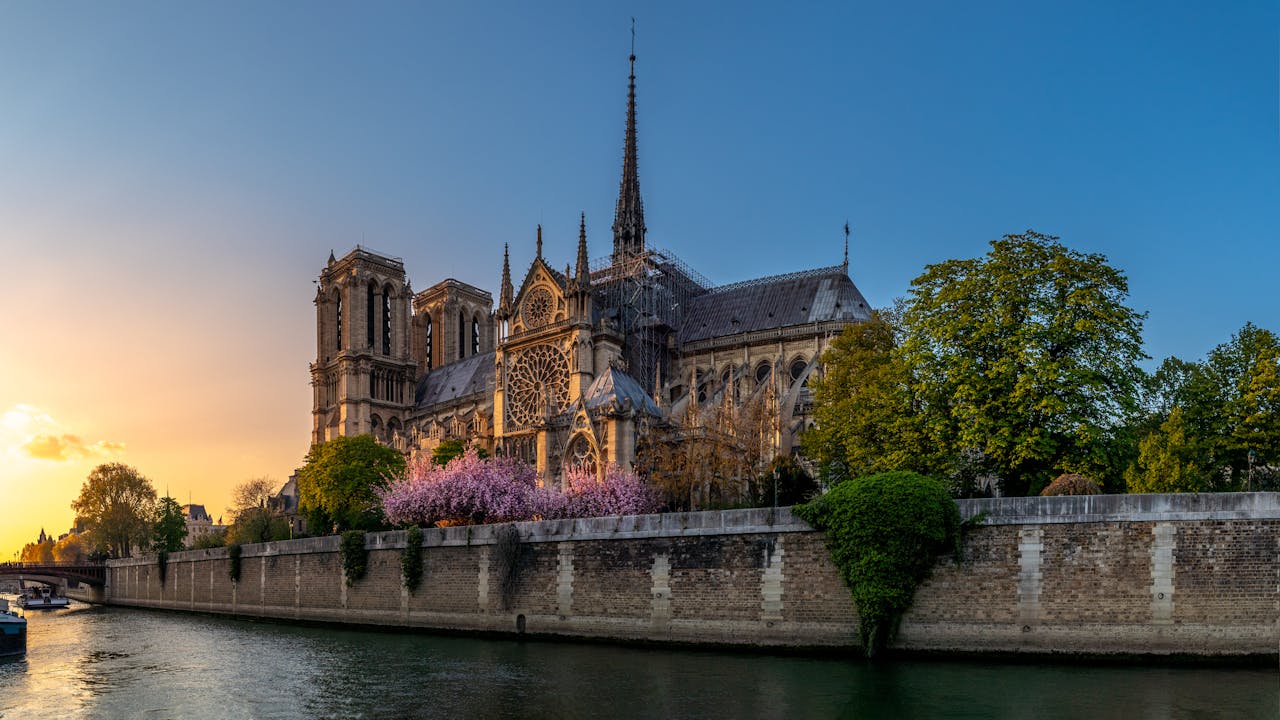
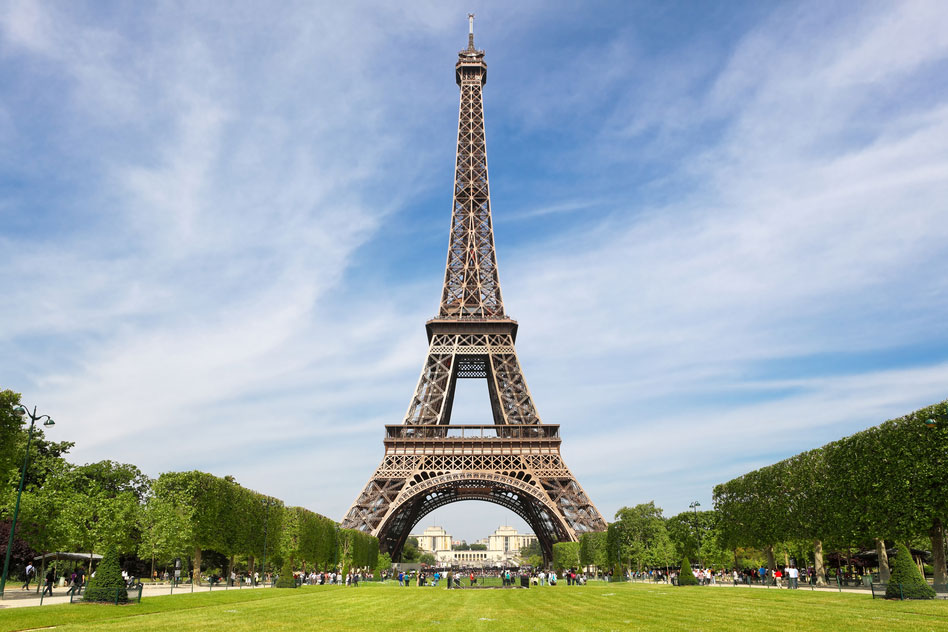
The obvious starting point. The Eiffel Tower, Louvre, and Notre-Dame are genuinely worth seeing. Paris rewards walking – wander the Marais, cross the bridges over the Seine, and eat pastries from bakeries rather than tourist restaurants.
Three to five days covers the main sights. See our Paris Travel Guide for details.
Key attractions:
- Eiffel Tower – Iconic views, book in advance
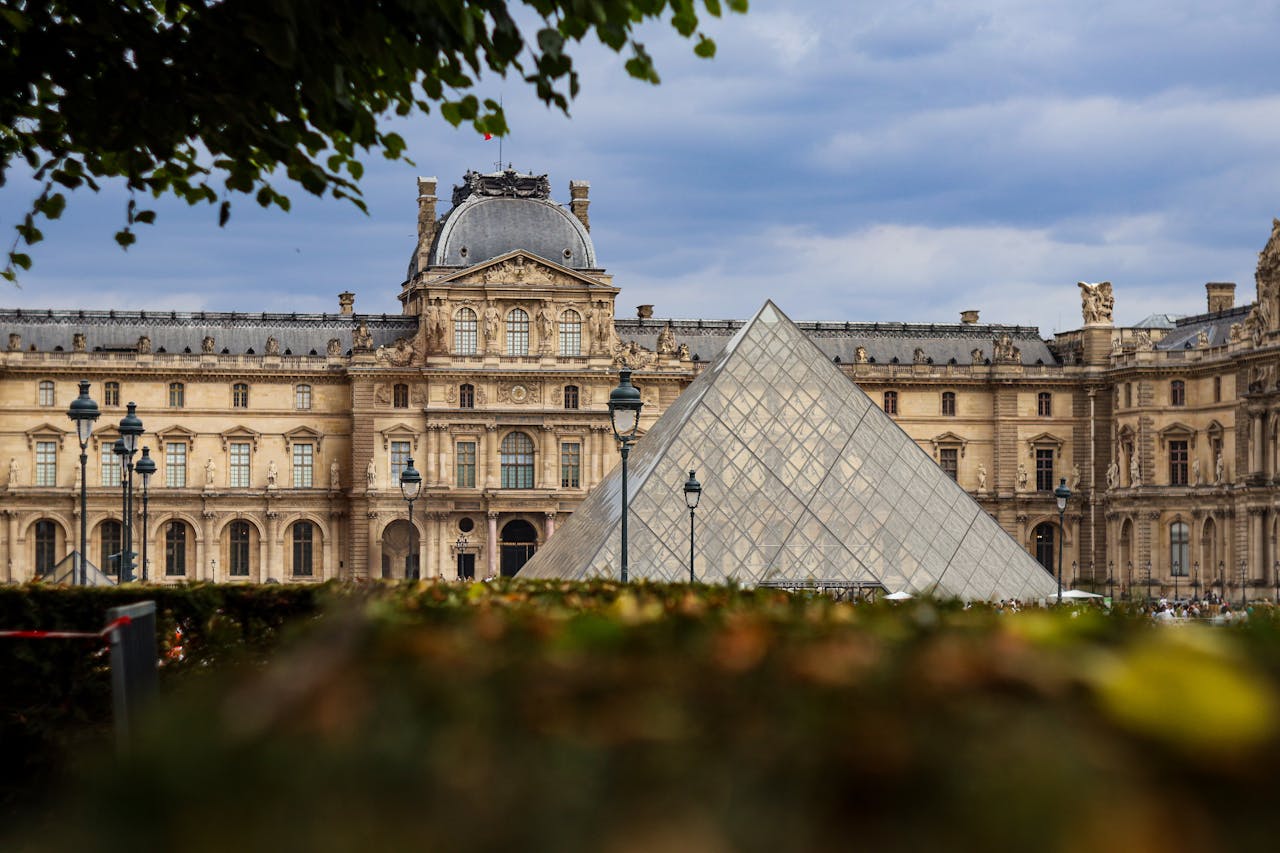
- Louvre – World’s largest art museum
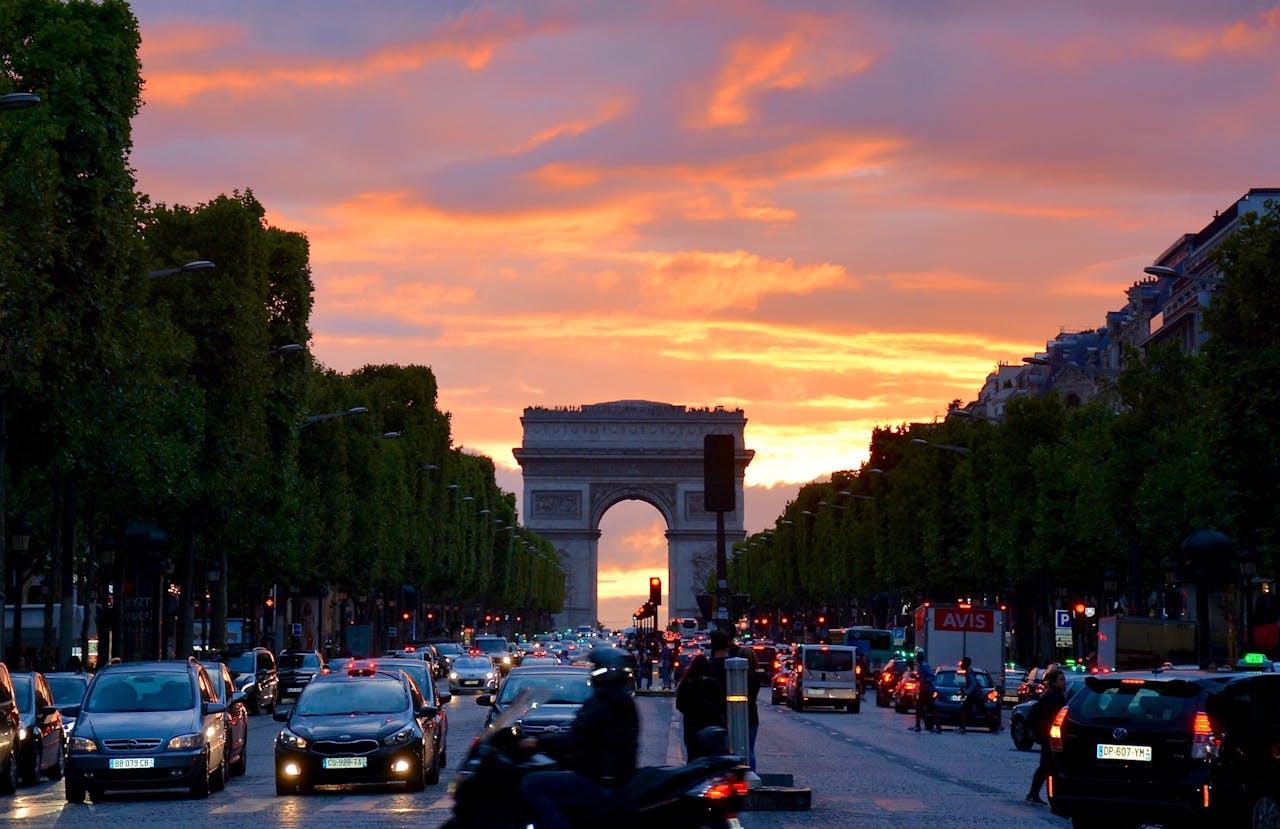
- Arc de Triomphe – Panoramic views from the roof
- Sacré-Cœur – Hilltop basilica in Montmartre
- Palace of Versailles – Day trip (45 mins by RER)
French Riviera
The Mediterranean coast from Nice to Monaco. Cannes, Nice, and St-Tropez are the famous names, but smaller towns like Èze and Antibes have charm without the crowds.
Nice is the best base – good beaches, old town, and connections to everywhere else. Monaco is 30 minutes by bus (ultra-luxury, casino, and the changing of the guard). Cannes is famous for its film festival but quieter the rest of the year.
Best time: May-June or September. July-August is crowded and expensive.
Provence
Lavender fields, hilltop villages, and Roman ruins. The lavender blooms late June to early August in areas like Valensole and the Luberon.
Avignon makes a good base – the Papal Palace is worth visiting. Day trips to the Pont du Gard (Roman aqueduct), orange-roofed villages, and the Verdon Gorge.
Bordeaux
Wine region centred on a UNESCO-listed city. The Cité du Vin museum is excellent. Wine tours visit châteaux in Saint-Émilion, Médoc, and Graves.
The city: Renovated waterfront, good restaurants, manageable size. Two days plus wine tours.
Loire Valley
Château country – grand estates built by French royalty and aristocracy. Chambord is the largest; Chenonceau spans a river; Villandry has the most famous gardens.
Best approach: Rent a car and visit 2-3 châteaux per day. Alternatively, join guided tours from Tours or Amboise.
Normandy
D-Day beaches, Mont Saint-Michel, and apple orchards. The Normandy coast is best for history and dramatic landscapes rather than beach holidays.
Mont Saint-Michel is spectacular – a medieval abbey on a tidal island. Go at sunset or stay overnight to avoid the worst crowds.
Alps
Winter skiing at Chamonix, Megève, and the Three Valleys. Summer hiking and mountain scenery. Chamonix sits below Mont Blanc – the cable car to the Aiguille du Midi has remarkable views.
Alsace
German-influenced region on the Rhine border. Half-timbered houses, Christmas markets, and white wines. Strasbourg is the main city; the wine route passes through villages like Riquewihr and Colmar.
Getting Around
Trains
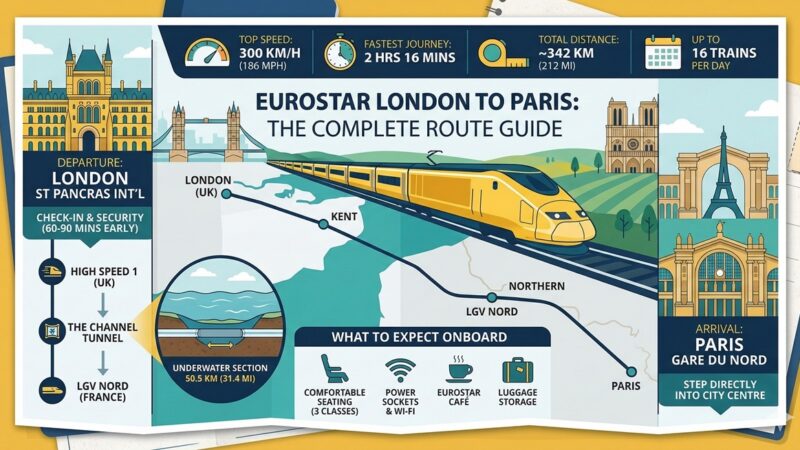
France’s TGV high-speed trains connect major cities quickly. Paris to Lyon takes 2 hours; Paris to Marseille takes 3 hours.
Book through SNCF Connect. Advance tickets (Ouigo and TGV Inoui) are significantly cheaper than last-minute fares. A Paris-Lyon ticket can be €19 in advance or €100+ on the day.
Regional trains (TER) cover smaller towns but are slower.
Driving
The best option for wine regions, châteaux, and rural areas. Autoroutes (toll motorways) are fast but expensive – Paris to Nice costs roughly €70 in tolls plus fuel.
Rental cars are available at airports and stations. An international driving permit isn’t required for UK/US licences but some rental companies ask for one.
Domestic Flights
Useful for longer distances (Paris to Nice, Paris to Toulouse). Air France and budget carriers like easyJet and Transavia operate domestic routes.
Buses
FlixBus and BlaBlaCar Bus offer budget alternatives to trains. Slower but sometimes much cheaper.
When to Visit
Spring (April-May): Pleasant weather, fewer crowds than summer, gardens in bloom.
Summer (June-August): Peak season everywhere. Hot in the south (35°C+), crowded, highest prices. Many Parisians leave the city in August.
Autumn (September-October): Good weather, wine harvest in progress, fewer tourists.
Winter (November-March): Cold in the north, mild on the Riviera, skiing season in the Alps. Christmas markets in Alsace and northern cities.
Costs
France is moderately expensive by European standards. Paris and the Riviera are the priciest areas.
Daily budgets:
- Budget (hostels, baguette lunches): €60-80
- Mid-range (hotels, restaurant lunches): €120-180
- Comfortable (good hotels, dining out): €250+
Sample prices:
- Coffee: €2-4
- Baguette: €1-1.50
- Restaurant meal: €15-30
- Bottle of wine (supermarket): €5-15
- TGV Paris-Lyon (advance): €19-50
- Museum entry: €10-17
Practical Information
Currency: Euro (€)
Language: French. English is common in tourist areas but less so elsewhere. Basic French is appreciated.
Visas: EU citizens need no visa. UK/US citizens can visit for up to 90 days without a visa (Schengen rules).
Plugs: Type C and E (two-round-pin European plugs). See our Europe Plug Adapter Guide.
Tipping: Service is included in restaurant bills. Rounding up or leaving a few euros for good service is appreciated but not expected.
Shops: Many close on Sundays. Smaller shops may close for lunch (12-2pm).
Food and Drink
French cuisine varies by region. The south has olive oil, garlic, and Mediterranean influences. The north uses more butter and cream. Alsace has German-influenced dishes.
Regional Cuisines
Paris and the North – Onion soup, steak frites, boeuf bourguignon, croissants and pastries.
Provence – Ratatouille, bouillabaisse, aioli, herbes de Provence, rosé wine.
The Southwest – Duck and goose in every form: confit, foie gras, cassoulet. Armagnac.
Normandy – Camembert, cider, calvados, seafood, cream sauces.
Burgundy – Coq au vin, escargots, Dijon mustard, some of the world’s finest wines.
Alsace – Choucroute (sauerkraut with sausages), tarte flambée, Riesling.
Wine Regions
France produces arguably the world’s finest wines:
Burgundy – Pinot Noir and Chardonnay at their most refined. Village wines at €20-40 are excellent.
Bordeaux – Grand châteaux, blended reds, sweet Sauternes. Tours and tastings widely available.
Champagne – The sparkling wine region around Reims and Épernay, with cellar tours in vast underground caves.
Loire – Lighter wines: Sancerre, Vouvray, Muscadet. Good value and less crowded.
Provence – Rosé dominates, best drunk cold in summer.
Eating out: Set lunch menus (formule or menu du jour) offer good value. A three-course lunch might cost €15-20 at a local bistro.
Main Airports
Paris Charles de Gaulle (CDG): Main international hub. RER B train to central Paris (€11.80, 30-45 mins).
Paris Orly (ORY): Secondary Paris airport. Orlyval train connects to RER B.
Nice Côte d’Azur: Gateway to the Riviera.
Lyon Saint-Exupéry, Marseille Provence, Toulouse-Blagnac: Regional airports with international connections.
Frequently Asked Questions
Do I need a visa to visit France?
France is part of the Schengen Area. US, UK, Canadian, and Australian citizens can visit visa-free for up to 90 days within a 180-day period for tourism. EU/EEA citizens need only a valid ID card. Starting in 2026, visa-exempt visitors will need an ETIAS authorization (€7, valid 3 years). Your passport must be valid for at least 3 months beyond your departure date. Always verify current requirements before travel.
What is the best time to visit France?
The best time to visit France is April-May and September-October when weather is pleasant (15-25°C), crowds are smaller, and prices are moderate. Summer (June-August) is peak season with warm weather but crowded attractions and highest prices, especially in Paris and the Riviera. Many Parisians leave the city in August. Winter (November-March) offers lower prices and fewer tourists but cold weather in the north. Christmas markets in Alsace are excellent in December.
What currency does France use and how much cash should I carry?
France uses the Euro (€). Credit and debit cards are widely accepted in most restaurants, shops, and hotels, especially in cities. However, cash is useful for small cafes, bakeries, markets, and rural areas. Some smaller establishments have minimum card payment amounts. ATMs are readily available throughout the country. Contactless payment is common in urban areas.
How expensive is France for tourists?
France is moderately expensive by European standards. Paris and the French Riviera are the priciest areas. Budget travelers can manage on €60-80 per day (hostels, baguette lunches, walking tours). Mid-range travelers should budget €120-180 per day (hotels, restaurant lunches, museum entries). Comfortable travel requires €250+ per day. A coffee costs €2-4, restaurant meals €15-30, and museum entry €10-17. Book TGV trains in advance for significant savings.
Is France safe for tourists?
France is generally safe for tourists, though standard precautions apply. Watch for pickpockets in crowded tourist areas like the Eiffel Tower, metro stations, and major attractions in Paris. Keep valuables secure and be aware of common scams targeting tourists. Avoid poorly lit areas at night. The terror threat level remains elevated, so stay alert in crowded places. Emergency services can be reached at 112. France has excellent healthcare facilities.
How do I get around France?
France has excellent transport options. TGV high-speed trains connect major cities quickly (Paris-Lyon in 2 hours). Book through SNCF Connect in advance for cheaper fares (€19 vs €100+ on the day). Regional TER trains cover smaller towns. Rental cars are best for wine regions, châteaux, and rural areas, though autoroute tolls are expensive (Paris-Nice costs ~€70). Domestic flights work for longer distances. FlixBus and BlaBlaCar Bus offer budget alternatives. Paris has extensive metro coverage.