Things to Do in London: Sights & Tips

There are endless things to do in London – I have lived nearby most of my life and still find new corners to explore. This is a city where you can spend a morning with Egyptian mummies at the British Museum (free), lunch at Borough Market, and evening drinks watching the sunset from the South Bank – all within walking distance. Every neighbourhood has its own character, from the street art of Shoreditch to the Georgian squares of Bloomsbury. It rewards both first-time visitors and those returning for the tenth time.
Main Attractions
Historic Sites
Tower of London: Medieval fortress with the Crown Jewels. Book ahead – entry around £30.
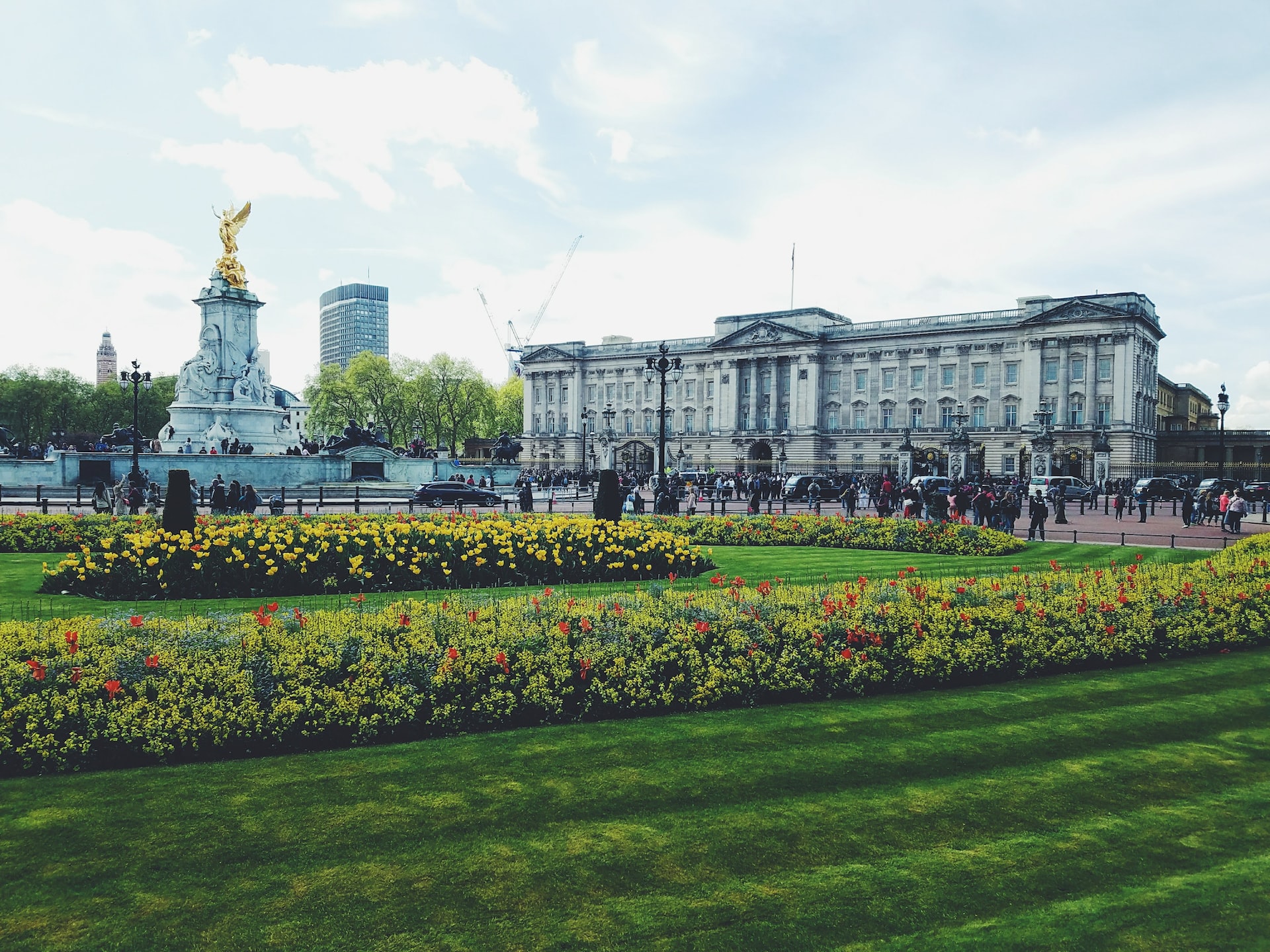
Buckingham Palace: The monarch’s official residence. Changing of the Guard at 11am on certain days (Mon/Wed/Fri/Sun – check schedule). State Rooms open in summer.
Westminster Abbey: Coronation church. Gothic architecture, royal tombs. Entry around £27.
St Paul’s Cathedral: Climb to the dome for city views. Entry around £21.
Houses of Parliament & Big Ben: Iconic riverside landmarks. Tours available when Parliament isn’t sitting.
Museums (Free)
British Museum: World history from ancient Egypt to the Parthenon marbles. Bloomsbury.
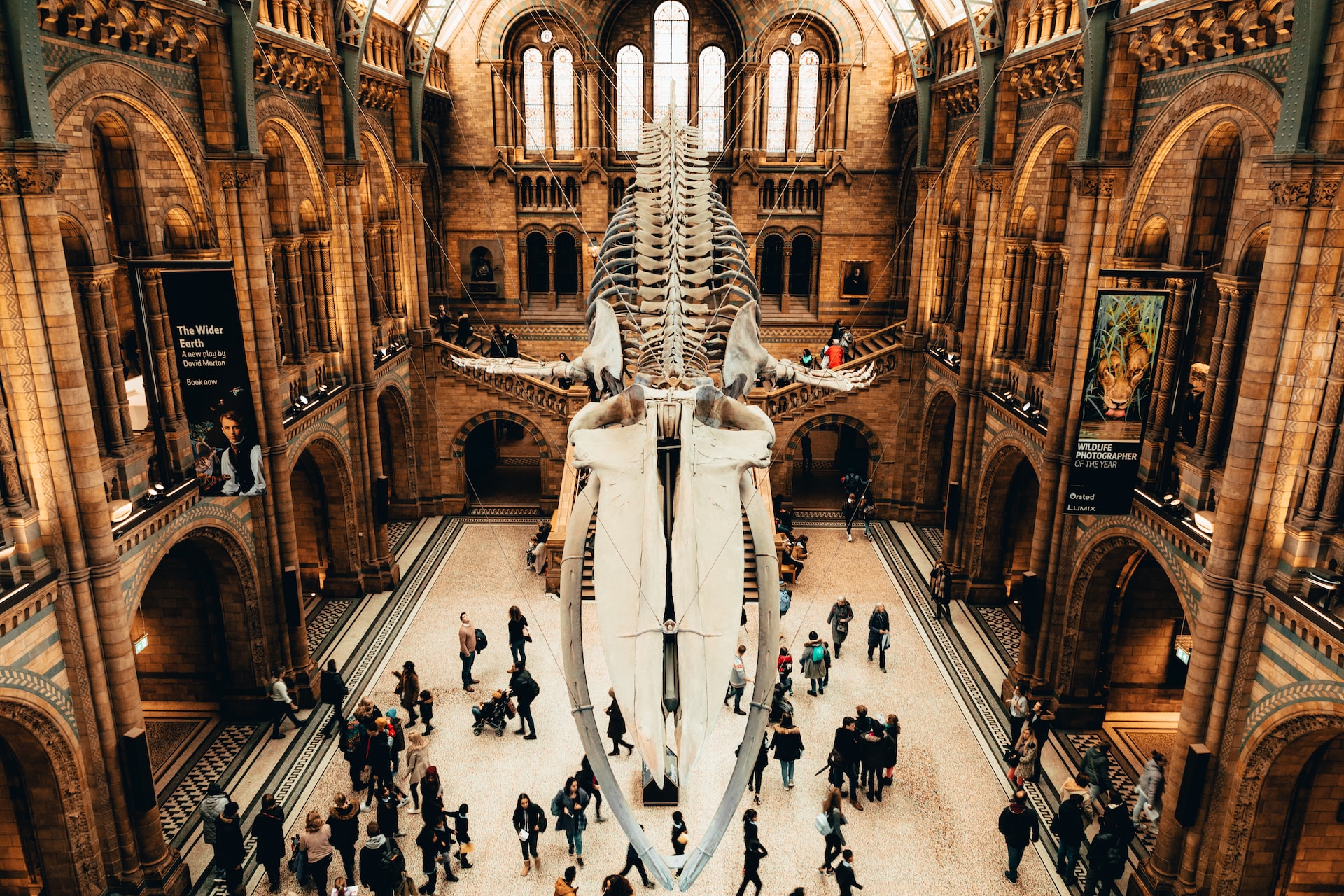
Natural History Museum: Dinosaurs, wildlife, geology. South Kensington.
Science Museum: Interactive exhibits. South Kensington.
Tate Modern: Modern art in a converted power station. Bankside.
National Gallery: European paintings. Trafalgar Square.
V&A: Design and decorative arts. South Kensington.
Other Highlights
London Eye: Giant wheel with city views. Book ahead – £30+.
Tower Bridge: Walk across the high-level walkways with glass floor. Exhibition £12.
Borough Market: Food market under railway arches. Open Tuesday-Sunday (closed Monday).
Camden Market: Alternative fashion, food, music. Weekends are busiest.
Warner Bros. Studio Tour: Harry Potter sets and props. Leavesden (20 miles from central London). Book well ahead.
Neighbourhoods
Westminster/South Bank: Political and cultural heart. Parliament, galleries, Thames Path.
The City: Historic financial district. St Paul’s, Tower of London, modern skyscrapers.
Covent Garden: Street performers, theatres, shops. Tourist-heavy but lively.
Soho: LGBTQ+ scene, theatres, restaurants, nightlife. Central and always busy.
Shoreditch: Street art, vintage shops, bars. Trendy East London.
Camden: Alternative scene, markets, live music venues.
Notting Hill: Colourful houses, Portobello Road market (Saturdays), antiques.
Shepherd’s Bush: Westfield shopping centre, Empire music venue, diverse food scene.
Brixton: Caribbean culture, live music, diverse food scene.
South Kensington: Museums, upmarket residential, Hyde Park nearby.
Transport
The Tube
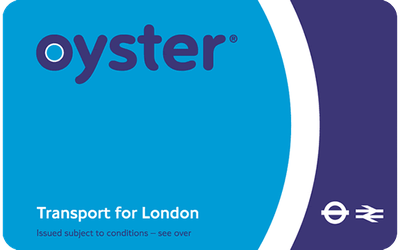
11 lines covering most of central London and beyond. Runs roughly 5am-midnight (some lines 24 hours Friday/Saturday). Use Oyster card or contactless payment.
Buses
Red double-deckers cover areas the Tube doesn’t reach. Night buses run when Tube closes. Same Oyster/contactless payment.
Other Options
Overground: Suburban rail linking outer areas.
DLR: Docklands Light Railway to East London and Greenwich.
River buses: Thames Clippers run regular services along the river.
Boris bikes: Santander Cycles for short trips – first 30 mins included.
Black cabs and Uber: Available throughout.
Payment
Oyster card or contactless bank card. Daily caps apply so you never pay more than a day ticket would cost. Paper tickets are much more expensive.
Costs
London is expensive but manageable.
Sample prices:
- Tube single (Zone 1): £2.80 (contactless)
- Daily cap (Zones 1-2): £8.90
- Pint of beer: £6-8
- Coffee: £3-4
- Pub lunch: £12-18
- Restaurant dinner: £25-50
- Budget hotel: £80-120
- Mid-range hotel: £150-250
See our London hotels guide for where to stay by neighbourhood and budget.
Save money:
- Many top museums are free
- Eat at markets (Borough, Camden)
- Travel off-peak
- Book attractions online in advance
Day Trips
Easy train journeys from London:
Windsor: Castle, royal residence. 30 minutes from Paddington.
Cambridge/Oxford: Historic university cities. 1 hour.
Bath: Roman baths, Georgian architecture. 1.5 hours.
Brighton: Beach, Lanes shopping, nightlife. 1 hour.
Stonehenge: Ancient stone circle. Tours or train to Salisbury. 2 hours.
Practical Tips
- Weather: Mild but unpredictable. Layers and waterproof jacket recommended.
- Tipping: 10-15% at restaurants if service not included. Round up for taxis.
- Queuing: Take it seriously.
- Right side: Stand right on escalators, walk on left.
- Sunday: Many shops have restricted hours (10am-4pm typical).
Frequently Asked Questions
Do I need a visa to visit London?
Visa requirements depend on your nationality. UK citizens obviously don’t need a visa. EU citizens can visit visa-free for up to 6 months for tourism. US, Canadian, Australian, and many other nationals can also visit visa-free for up to 6 months. Check current UK visa requirements for your specific nationality before travelling.
When is the best time to visit London?
London can be visited year-round, but late spring (May-June) and early autumn (September-October) offer the best combination of decent weather and manageable crowds. Summer (July-August) is warmest but busiest and most expensive. Winter is quieter with festive markets and lights, though days are short and weather is cold and wet.
What currency does London use?
London uses the British Pound Sterling (£). Credit and debit cards are widely accepted everywhere, including contactless payments. ATMs are readily available throughout the city. While you can manage almost entirely on cards, it’s worth carrying some cash for small purchases at markets or street vendors.
How much does it cost to visit London?
London is expensive. Budget £80-120 per night for basic accommodation, £150-250 for mid-range hotels. Daily transport caps are around £8.90-15 depending on zones. Meals range from £12-18 for pub lunches to £25-50 for restaurant dinners. Many top museums are free, which helps offset costs. Budget £100-150 per person per day for a comfortable visit.
Is London safe for tourists?
London is generally very safe for tourists. Violent crime against tourists is rare. Pickpocketing can occur in crowded tourist areas and on public transport, so keep valuables secure. Use licensed black cabs or Uber rather than unlicensed minicabs. The Tube runs safely late into the night, with some lines operating 24 hours on weekends.
How do I get around London?
The London Underground (Tube) is the easiest way to get around, supplemented by buses, the Overground, and DLR. Use an Oyster card or contactless bank card for payment – daily caps mean you never pay more than a day ticket. Walking is excellent for central areas. Black cabs and Uber are available but expensive. Avoid driving in central London due to congestion charges and difficult parking.
Related Guides
London Attractions
Getting Around
Travel Essentials
Nearby
- United Kingdom Guide
- Hotels by Heathrow Airport
- Hotels by Gatwick Airport
- Travelodge Gatwick Central – parking and shuttle for early departures