Italy Holidays: Best Places to Visit
Italy holidays ruined me for other countries. I have returned five times now – to Rome for the history, to Florence for the art, to Venice for the sheer improbability of it, to the Amalfi Coast for the views – and each visit reveals something new. This is a country where two thousand years of history sit alongside everyday life, where the food is genuinely as good as its reputation, and where even small towns have churches containing works that would be the centrepiece of any museum elsewhere.
The challenge with Italy is deciding what to leave out. Every region has its own character, cuisine, and claims to cultural significance. The art cities of the north differ entirely from the beaches of the south. The Alps share little with Sicily. What connects them is an approach to living – the emphasis on good food, beautiful things, and la dolce vita – that makes Italy one of the most rewarding countries in the world to explore.
Rome
The Eternal City lives up to its name. I spent five days there and could have spent five more. Ancient ruins, Renaissance art, and modern Italian life coexist in a way that somehow works, despite the chaos.
Ancient Rome
Colosseum – The amphitheatre where gladiators fought is as impressive as photographs suggest. Book tickets online with a timed entry (EUR 18 / £15.50) to avoid queues that can stretch for hours. The underground levels and arena floor require a separate, more expensive tour (EUR 24 / £20.70) but give better insight into how the place functioned.
Roman Forum – The civic centre of ancient Rome stretches below the Palatine Hill. Combined tickets with the Colosseum cover both sites. Allow two to three hours to explore the temples, arches, and Senate building.
Pantheon – The best-preserved building of ancient Rome, its concrete dome still the largest unreinforced concrete dome in the world after nearly 2,000 years. Entry is free; the interior, with its oculus open to the sky, is extraordinary.
Vatican City
The world’s smallest country contains some of its greatest treasures.
Vatican Museums and Sistine Chapel – The museums sprawl through miles of corridors filled with ancient sculpture, Renaissance paintings, and papal treasures. The Sistine Chapel, with Michelangelo’s ceiling and Last Judgement, is the finale. Book online (EUR 17 / £14.60) and arrive early or late to avoid the worst crowds.
St Peter’s Basilica – The largest church in the world, with Michelangelo’s Pietà, Bernini’s bronze baldachin, and the dome you can climb for city views. Entry is free; the dome costs EUR 10 (£8.60) for the lift option.
Other Rome Highlights
Trevi Fountain – Throw a coin for good luck and fight through the crowds. Beautiful but heaving with tourists at all hours.
Spanish Steps – The famous staircase is best in spring when the azaleas bloom. Sitting on the steps is now prohibited.
Trastevere – The neighbourhood across the Tiber has cobbled streets, trattorias, and a more local atmosphere than the centro storico.
Florence
The birthplace of the Renaissance is compact enough to cover on foot, with art treasures concentrated in a walkable area. See our Florence guide for detailed coverage.
The Highlights – The Uffizi Gallery (Botticelli, Leonardo, Michelangelo), the Accademia (David), the Duomo with Brunelleschi’s dome, and the Ponte Vecchio spanning the Arno.
Three days covers the essentials; art lovers will want longer. The Leaning Tower of Pisa is an easy day trip – about an hour by train from Florence.
Venice
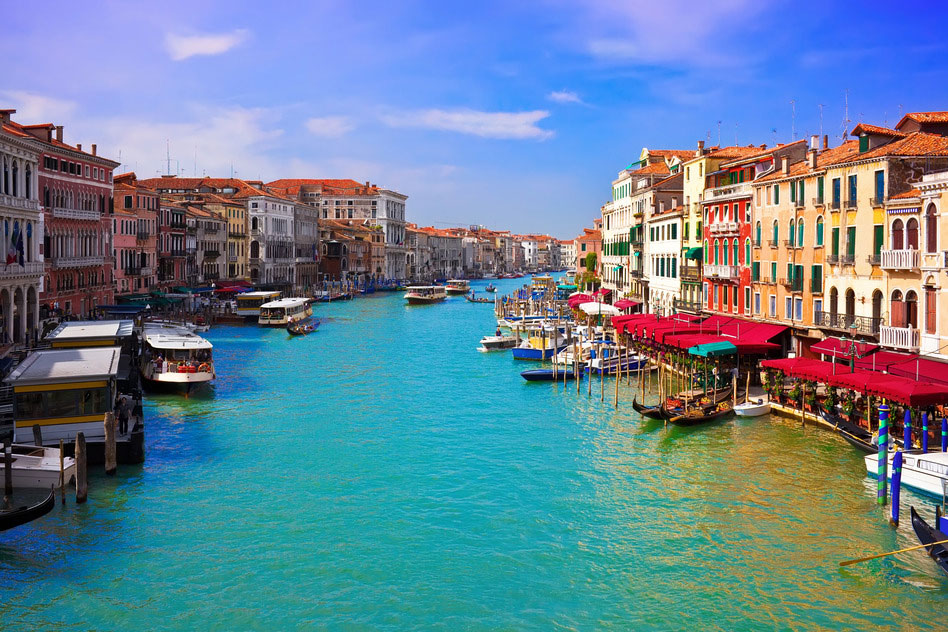
A city built on water, sinking slowly, overrun with tourists, and still utterly magical. I visited expecting to be disappointed by the hype and left enchanted.
The Main Sights
Piazza San Marco – St Mark’s Square, with the basilica, the campanile (bell tower), and the Doge’s Palace. Crowded beyond belief but unavoidable.
St Mark’s Basilica – Byzantine mosaics cover the interior in gold. Free entry to the main area; treasury and Pala d’Oro altarpiece cost extra (EUR 5-7 / £4.30-6).
Doge’s Palace – The seat of Venetian power for centuries, with lavish state rooms and the Bridge of Sighs connecting to the prisons. EUR 30 (£26) includes entry to several civic museums.
Grand Canal – Take the vaporetto (water bus) from the train station to San Marco for the best views at the price of a transport ticket (EUR 9.50 / £8.20 single).
Beyond San Marco
Rialto Market – The produce and fish markets near the Rialto Bridge are worth exploring in the morning.
Dorsoduro – The quieter neighbourhood has the Accademia gallery (Venetian art) and the Peggy Guggenheim Collection (modern art).
Islands – Murano (glass workshops), Burano (colourful houses), and Torcello (ancient cathedral) make good day trips by vaporetto.
Venice Costs
Venice is expensive. A coffee at a table in San Marco can cost EUR 15 (£13); the same coffee standing at the bar costs EUR 2 (£1.70). Budget accommodation is scarce; expect EUR 100-200 (£86-172) minimum for reasonable hotels.
The Amalfi Coast
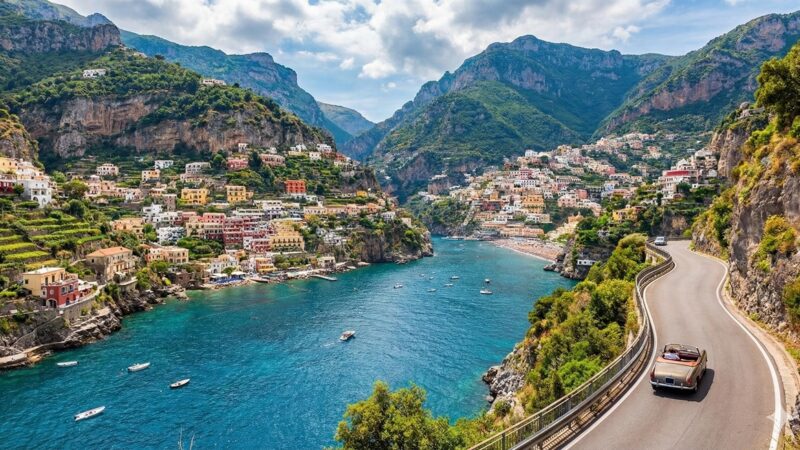
The stretch of coastline south of Naples is dramatically beautiful – vertical cliffs, pastel villages clinging to the rocks, and views that justify every superlative. See our Amalfi Coast guide for more detail.
Destinations
Positano – The postcard village of stacked houses cascading down to a beach. Expensive, crowded in summer, but genuinely beautiful.
Amalfi – The historic capital of the coast, with a cathedral featuring Arabic-Norman influences. Less steep than Positano.
Ravello – Set above the coast, with gardens offering panoramic views. Villa Rufolo and Villa Cimbrone are the main attractions.
Getting There
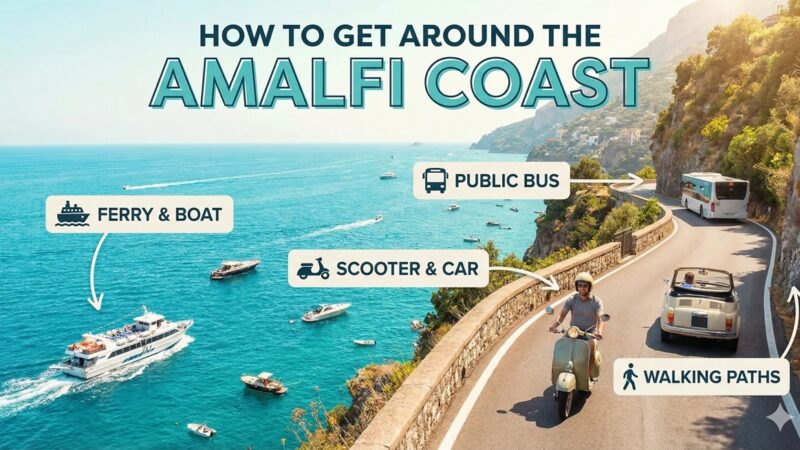
Base yourself in Sorrento or Salerno and take buses or ferries along the coast. The narrow road is scenic but terrifying; let someone else drive.
Tuscany
The rolling hills, cypress trees, and vineyards of central Italy are as beautiful as the clichés suggest.
Hill Towns
Siena – The shell-shaped Piazza del Campo, the Palio horse race (July and August), and a cathedral that rivals Florence’s.
San Gimignano – Medieval towers rising from a small town. Touristy but photogenic.
Montepulciano and Montalcino – Wine towns producing some of Italy’s finest reds.
Wine
Chianti, Brunello di Montalcino, Vino Nobile di Montepulciano – Tuscany produces exceptional wine. Tastings at estates are easy to arrange; many require advance booking. A rental car is essential for exploring wine country properly.
Other Destinations
Milan
Italy’s fashion and financial capital has world-class art (The Last Supper, Brera Gallery), remarkable architecture (the Duomo), and excellent shopping. Two days covers the highlights.
Cinque Terre
Five colourful villages on the Ligurian coast, connected by hiking trails and train. Stunning but extremely crowded in summer. Visit in spring or autumn.
Naples
Chaotic, gritty, and home to the best pizza in the world. A day is enough for the Archaeological Museum (treasures from Pompeii) and pizza; longer allows day trips to Pompeii, Herculaneum, and Capri.
Sicily
The largest Mediterranean island has Greek temples, Norman churches, Arab-influenced food, and Mount Etna. Worth a week of its own.
Italian Food
Regional Specialities
Rome – Carbonara (egg, guanciale, pecorino), cacio e pepe (pecorino and pepper), supplì (fried rice balls).
Florence – Bistecca alla fiorentina (T-bone steak), ribollita (bread soup), lampredotto (tripe sandwich).
Venice – Sarde in saor (sweet and sour sardines), fegato alla veneziana (liver and onions), cicchetti (Venetian tapas).
Naples – Pizza margherita and marinara. The dough, the tomatoes, the mozzarella – all are different here. Do not skip this.
Emilia-Romagna – Prosciutto di Parma, Parmigiano-Reggiano, mortadella, tortellini, tagliatelle al ragù (what the world calls Bolognese).
Dining Tips
Coffee – Espresso at the bar is the norm; sitting down costs more. Cappuccino after 11am is unusual. Italians do not drink coffee during meals.
Coperto – A cover charge (EUR 1-3) per person is standard and legal.
Lunch – The main meal traditionally; many restaurants close in the afternoon.
Wine – House wine (vino della casa) is usually good and cheap.
Practical Information
Getting There
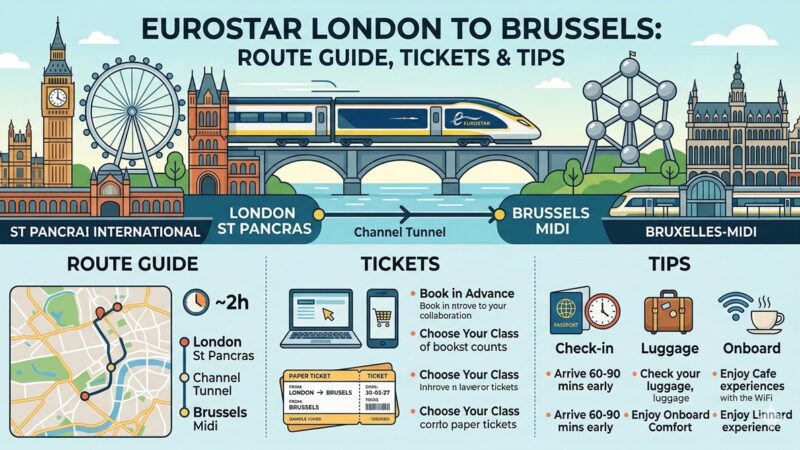
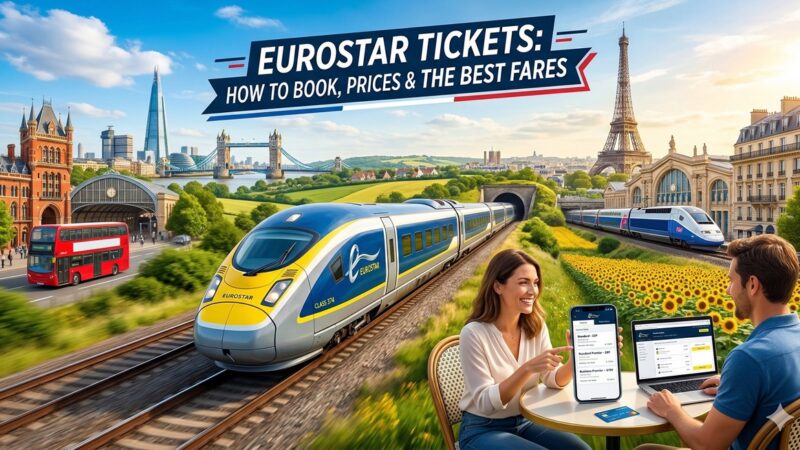
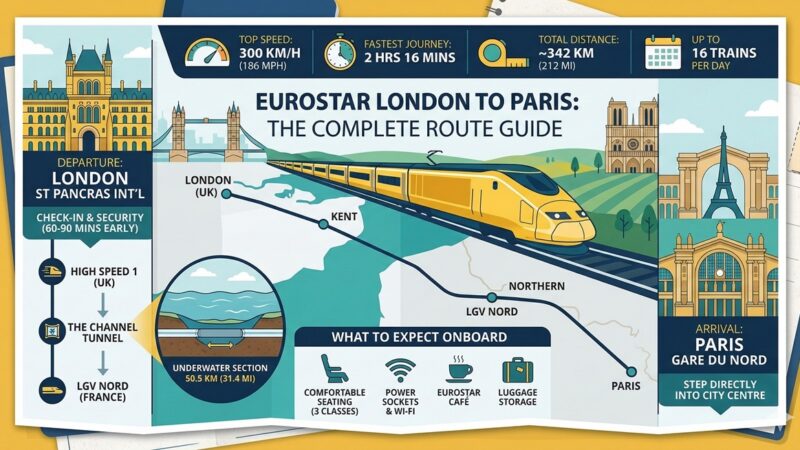
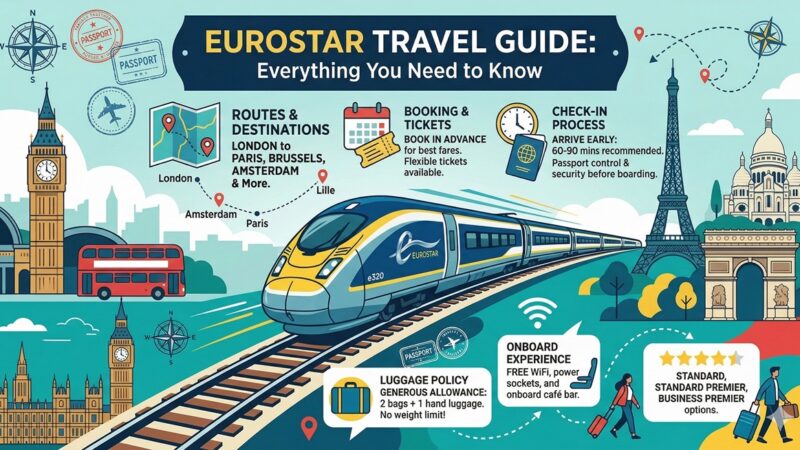
Direct flights from London to Rome (2.5 hours), Milan, Venice, Naples, and Florence. Budget carriers serve many regional airports. The Eurostar and connecting trains reach Italy from London in about 10 hours via Paris.
Getting Around
Trains – Trenitalia and Italo operate high-speed services connecting major cities. Rome to Florence takes 1.5 hours; Rome to Venice 3.75 hours. Book in advance for cheaper fares.
Regional trains – Slower but essential for smaller destinations. Buy tickets at machines and validate before boarding.
Driving – Useful for Tuscany, the Amalfi Coast, and rural areas. Major cities have ZTL (restricted traffic zones) with hefty fines for violations.
When to Visit
April to June – Spring. Pleasant weather, manageable crowds. May is ideal.
July and August – Hot (35°C+ in the south) and crowded. Many Italians take August holidays; some city restaurants close.
September to October – Warm, fewer tourists, harvest season.
November to March – Cooler, quieter, and cheaper. Venice has acqua alta (flooding).
Costs
Italy is moderately priced by Western European standards, though Venice is expensive.
- Hostel dorm: EUR 25-40 (£21.50-34) per night
- Budget hotel: EUR 70-100 (£60-86) per night
- Mid-range hotel: EUR 100-180 (£86-155) per night
- Pizza: EUR 8-12 (£6.90-10)
- Restaurant meal: EUR 25-45 (£21.50-39)
- Coffee at bar: EUR 1-1.50 (£0.86-1.30)
- Museum entry: EUR 10-20 (£8.60-17)
Visas
Italy is in the Schengen Area. UK visitors can stay up to 90 days in any 180-day period. Passport must be valid for at least three months beyond planned departure.
Language
Italian. English is common in tourism but limited elsewhere. Basic Italian phrases are appreciated.
Power
Italy uses Type C, F, and L plugs (two or three round pins). Voltage is 230V. UK visitors need a travel adapter.
Frequently Asked Questions
Do I need a visa for Italy from the UK?
No. UK citizens can stay up to 90 days in any 180-day period without a visa. Your passport must be valid for at least three months beyond your planned departure.
What is the best time to visit Italy?
April to June and September to October offer pleasant weather and manageable crowds. July and August are hot and crowded. Winter is quieter and cheaper but colder.
What currency is used in Italy?
The Euro (€). Credit cards are accepted at hotels and larger restaurants, but many smaller places prefer cash.
What plugs are used in Italy?
Type C, F, and L plugs (two or three round pins) at 230V. UK visitors need a travel adapter.
Is Italy expensive?
Moderate by Western European standards, though Venice is expensive. Budget €70-100/day for hostels and cheap meals, €150-200/day for comfortable travel.
Do I need to tip in Italy?
Tipping is not expected. A cover charge (coperto) of €1-3 per person is standard and legal at restaurants.