Things to Do in Rome: Italy Travel Guide
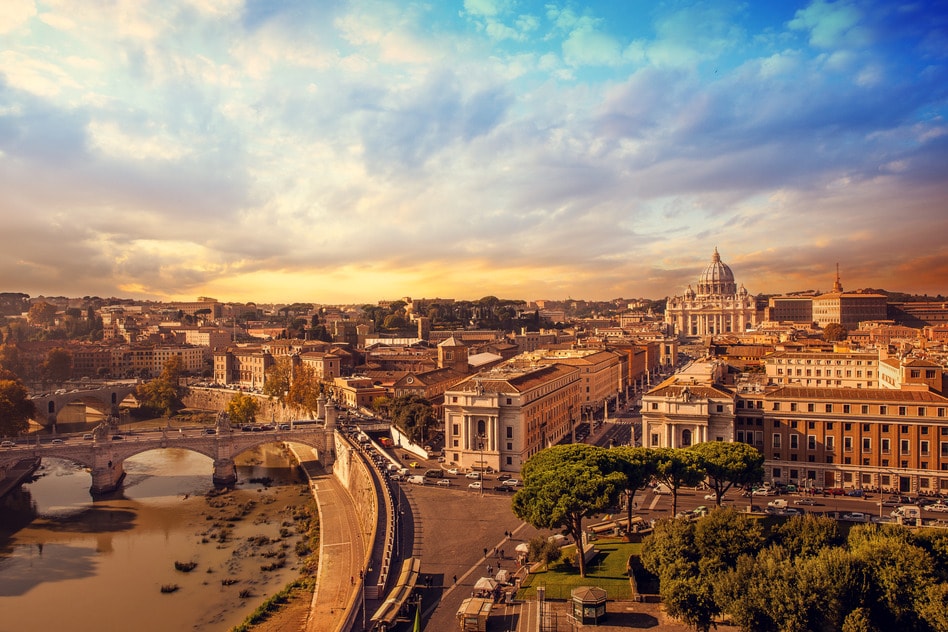
The things to do in Rome made me lose count of how many times the city stopped me in my tracks. Turning a corner to find the Pantheon filling the view ahead. Standing in the Colosseum arena as evening light caught the ancient stone. Eating the best carbonara of my life in a Trastevere trattoria that had clearly been there for decades. I spent five days in Rome and left feeling I had barely scratched the surface. This city demands return visits.
Rome has 2,800 years of history layered on top of itself. Ancient ruins sit beneath Renaissance churches, which sit beneath Baroque fountains, which sit beneath modern apartments with laundry hanging from the windows. It’s chaotic, beautiful, and entirely itself.
Four days is enough to hit the highlights. A week lets you actually enjoy them. Any less and you’re rushing between crowds. If you prefer everything organised, First Choice offers tailored holiday packages or easyJet Rome Holidays for budget-friendly deals.
The Essential Sights
The Colosseum
Book tickets online in advance – the queue without them wraps around the building. The standard ticket includes the Roman Forum and Palatine Hill (valid for 24 hours). Underground and arena floor tours cost extra but are worth it if you want more than the standard walkway experience.
Tips:
- Go first thing in the morning or late afternoon.
- The arena floor tour lets you stand where gladiators fought.
- Don’t pay the “gladiators” outside for photos – it’s a tourist trap.
The Vatican
St. Peter’s Basilica, the Vatican Museums, and the Sistine Chapel are separate visits with separate queues. Plan accordingly.
St. Peter’s Basilica is free but has airport-style security. Lines are shortest early morning or during papal audiences (Wednesday mornings).
Vatican Museums require pre-booked tickets – walk-up queues can be 3+ hours. The Sistine Chapel is at the end of a very long route through the museums. Budget 3-4 hours minimum.
Tips:
- Friday evening openings (when available) are less crowded.
- The Sistine Chapel is smaller and more crowded than photos suggest.
- Dress code enforced: cover shoulders and knees.
The Pantheon
Rome’s best-preserved ancient building and still a functioning church. The dome’s oculus (hole in the roof) lets in rain – watch where you stand on wet days. Entry now requires tickets (€5) – book online or arrive early.
Roman Forum and Palatine Hill
Included with Colosseum ticket. The Forum was the political and commercial heart of ancient Rome. Now it’s a field of ruins requiring imagination to appreciate. A guide or audio tour helps make sense of what you’re looking at.
Trevi Fountain
Throw a coin with your right hand over your left shoulder. It’s nonsense but satisfying. The fountain is packed during the day – visit late at night or very early morning for photos without heads in the frame.
Piazza Navona and the Spanish Steps
Classic Roman squares. Navona has better architecture (Bernini’s fountains), the Spanish Steps have the better view. Both are overpriced for sitting down to eat – grab a gelato and keep walking.
Best Neighbourhoods
Trastevere: Narrow cobblestone streets, ivy-covered buildings, and a less touristy feel (though still plenty of tourists). Best area for evening meals and wandering.
Centro Storico: The historic centre around Piazza Navona and the Pantheon. Most expensive, most crowded, but also where everything is.
Monti: Bohemian neighbourhood near the Colosseum. Vintage shops, small restaurants, and a more local feel.
Testaccio: Working-class neighbourhood known for food – this is where Romans go to eat. The market and old slaughterhouse (now a food hall) are worth the trip.
What to Eat
Roman cuisine is simple and carb-heavy. The classics:
- Carbonara: Egg, pecorino, guanciale (cured pork cheek), black pepper. No cream, ever.
- Cacio e pepe: Pecorino cheese and black pepper. Harder to make well than it sounds.
- Amatriciana: Tomato, guanciale, pecorino.
- Supplì: Fried rice balls, usually with mozzarella in the centre.
- Pizza al taglio: Pizza by the slice, sold by weight.
Where to eat:
Avoid anywhere with photos on the menu or someone standing outside trying to drag you in. The best places look like they haven’t been renovated since the 1970s.
For pizza al taglio, try Bonci Pizzarium near the Vatican. For traditional Roman food, Da Enzo in Trastevere is excellent (book ahead). For a quick lunch, any alimentari (deli) will make you a sandwich with fresh bread and good ingredients.
Coffee rules:
- Espresso is “un caffè”
- Cappuccino is a morning drink – ordering one after lunch marks you as a tourist
- Stand at the bar and pay less than sitting at a table
- Water is free if you ask for “acqua dal rubinetto”
Getting Around
Walking is the best way to see Rome. The historic centre is compact.
Metro has two main lines (A and B) that cross at Termini Station. Limited but useful for hitting the Vatican and Colosseum quickly.
Buses go everywhere but are slow and confusing. The tram along Via di Trastevere is useful.
Taxis are metered from official ranks (white cars). Agree on price if hailed on the street. Uber exists but with licensed taxis only.
From the airports: Fiumicino (Leonardo Express train to Termini, 32 minutes, €14). Ciampino is smaller and usually requires a bus transfer.
Costs
Rome is mid-range by Western European standards.
- Budget hotel: €60-100/night
- Mid-range hotel: €120-200/night
- Pizza al taglio lunch: €5-8
- Restaurant dinner: €25-40/person
- Colosseum ticket: €18
- Vatican Museums: €17-21
Add a city tax of €3-7/night depending on hotel class.
When to Visit
April-May and September-October: Best weather, manageable crowds.
June-August: Hot (often 35°C+), crowded, and sweaty. Romans flee the city in August.
November-March: Cooler, fewer tourists, shorter queues. Some attractions have reduced hours. Christmas and New Year are busy.
Avoid: Easter week (massive crowds), August (everything closes), and major Catholic holidays.
Practical Tips
- Carry water. Public drinking fountains (nasoni) are everywhere – look for small spouts on old iron fountains.
- Dress for churches. Shoulders and knees covered or you won’t get in.
- Watch for pickpockets. The metro, crowded tourist sites, and buses are prime spots.
- Everything closes for a few hours in the afternoon. Plan museum visits, not shopping.
- Restaurant menus often have a “coperto” (cover charge) of €2-4 per person. It’s normal.
Day Trips
- Pompeii: 2.5 hours by high-speed train to Naples, then local train to the ruins. Doable in a day but long.
- Tivoli: 40 minutes by bus. Two UNESCO-listed villas (Hadrian’s Villa and Villa d’Este).
- Ostia Antica: 30 minutes by metro/train. Ancient Roman port, less crowded than Pompeii.
- Orvieto: 1 hour by train. Hill town with a spectacular cathedral.
Frequently Asked Questions
Do I need a visa to visit Rome?
UK, US, Canadian, and Australian citizens do not need a visa for tourist visits to Italy up to 90 days within a 180-day period. Your passport must be valid for at least three months beyond your planned departure date. EU citizens can visit freely with a valid ID card or passport.
What is the best time to visit Rome?
The best time to visit Rome is April to May or September to October, when weather is pleasant and crowds are manageable. June to August is hot (often 35°C+), crowded, and sweaty, with many Romans leaving the city in August. November to March is cooler with fewer tourists and shorter queues, though some attractions have reduced hours. Avoid Easter week and major Catholic holidays for smaller crowds.
What currency is used in Rome?
Rome uses the Euro (EUR). Credit cards are accepted at most hotels, restaurants, and shops, but carry cash for smaller establishments, street vendors, and markets. ATMs are widely available throughout the city. Tipping is not expected but rounding up or leaving small change is appreciated.
What type of power plugs are used in Rome?
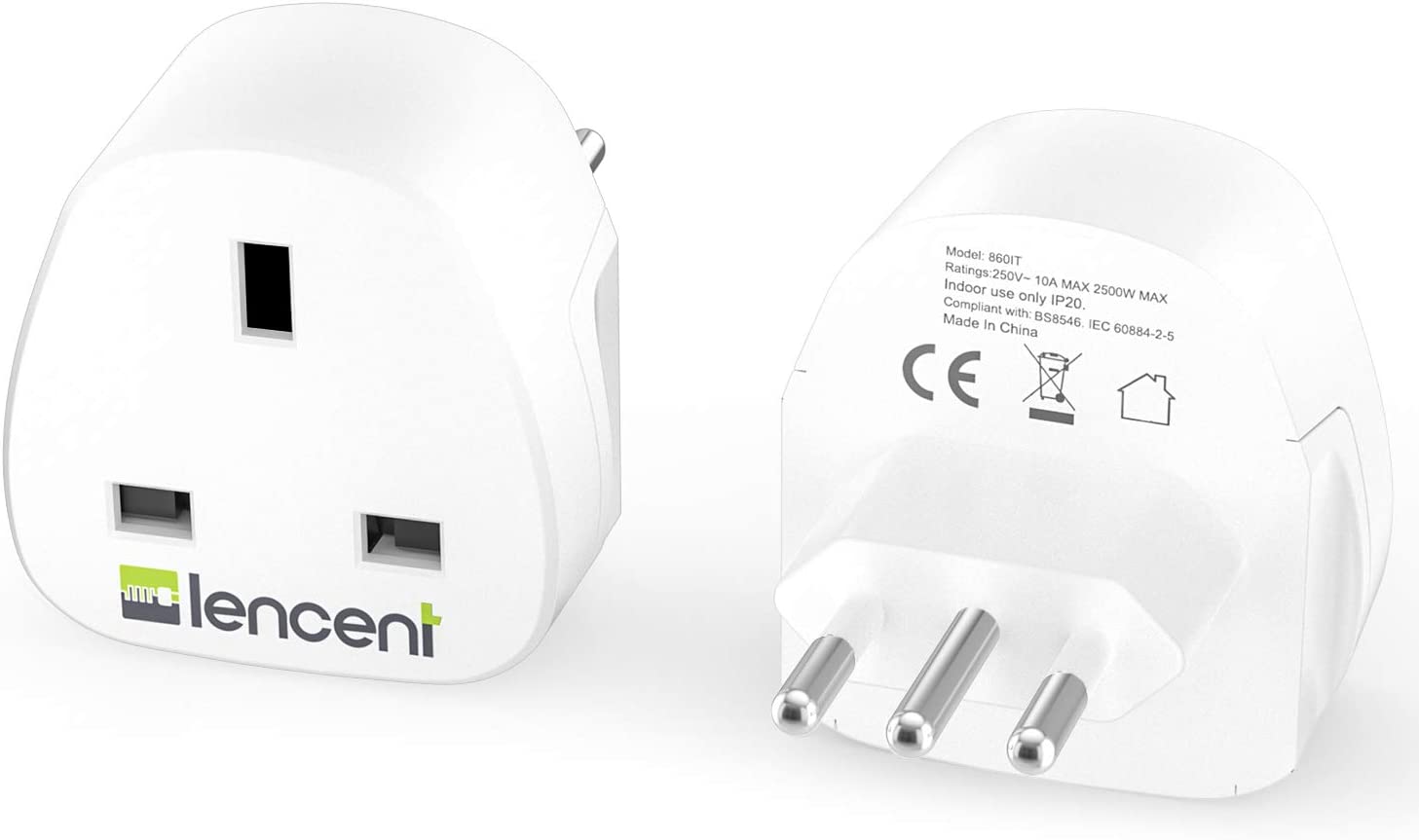
Italy uses Type C, F, and L plugs with two or three round pins. The voltage is 230V at 50Hz. UK visitors need a travel adapter, while US visitors need both an adapter and potentially a voltage converter for devices that don’t support 230V.
How much does it cost to visit Rome?
Budget hotels cost €60-100 per night, mid-range €120-200. Pizza al taglio lunch costs €5-8, while restaurant dinners run €25-40 per person. Major attractions cost €18 for the Colosseum and €17-21 for Vatican Museums. Add a city tax of €3-7 per night depending on hotel class.
Is Rome safe for tourists?
Rome is generally safe, but watch for pickpockets on the metro, crowded tourist sites, and buses. Keep valuables secure and be aware of your surroundings. Violent crime against tourists is rare. Carry water as public drinking fountains (nasoni) are everywhere and safe to drink from.