The Louvre Museum: Visitor Guide
I have visited the Louvre four times and still have not seen most of it. My first visit was the typical tourist mistake – I tried to see everything in an afternoon and left exhausted, having retained nothing. The third visit was better: I picked one department (Egyptian Antiquities), spent three hours there, and actually remembered what I saw. The Mona Lisa is worth seeing once, but the crowd around it is genuinely oppressive – I spent more time looking at the Winged Victory of Samothrace, which sits dramatically at the top of a staircase with room to breathe. Book the earliest morning slot you can and start in the opposite direction to where everyone else goes.
The Louvre is the world’s largest art museum – over 35,000 works spread across 73,000 square metres. You can’t see it all in one visit, and you shouldn’t try. This guide covers what you need to know to make the most of your time.
The Essentials
Address: Rue de Rivoli, 75001 Paris (1st arrondissement)
Opening Hours:
- Monday, Thursday, Saturday, Sunday: 9am-6pm
- Wednesday, Friday: 9am-9pm (evening opening)
- Closed: Tuesdays, January 1, May 1, December 25
Tickets: €22 general admission. Book online at louvre.fr to skip the queue – timed entry is required.
Free Admission: Under 18 (any nationality), EU residents under 26, first Saturday of each month (evening, 6pm-9pm)
How Long: Allow 3-4 hours minimum. A full day if you want to explore multiple departments.
Getting There
Metro is easiest:
- Line 1 or 7 to Palais-Royal / Musée du Louvre (direct access)
- Line 14 to Pyramides (short walk)
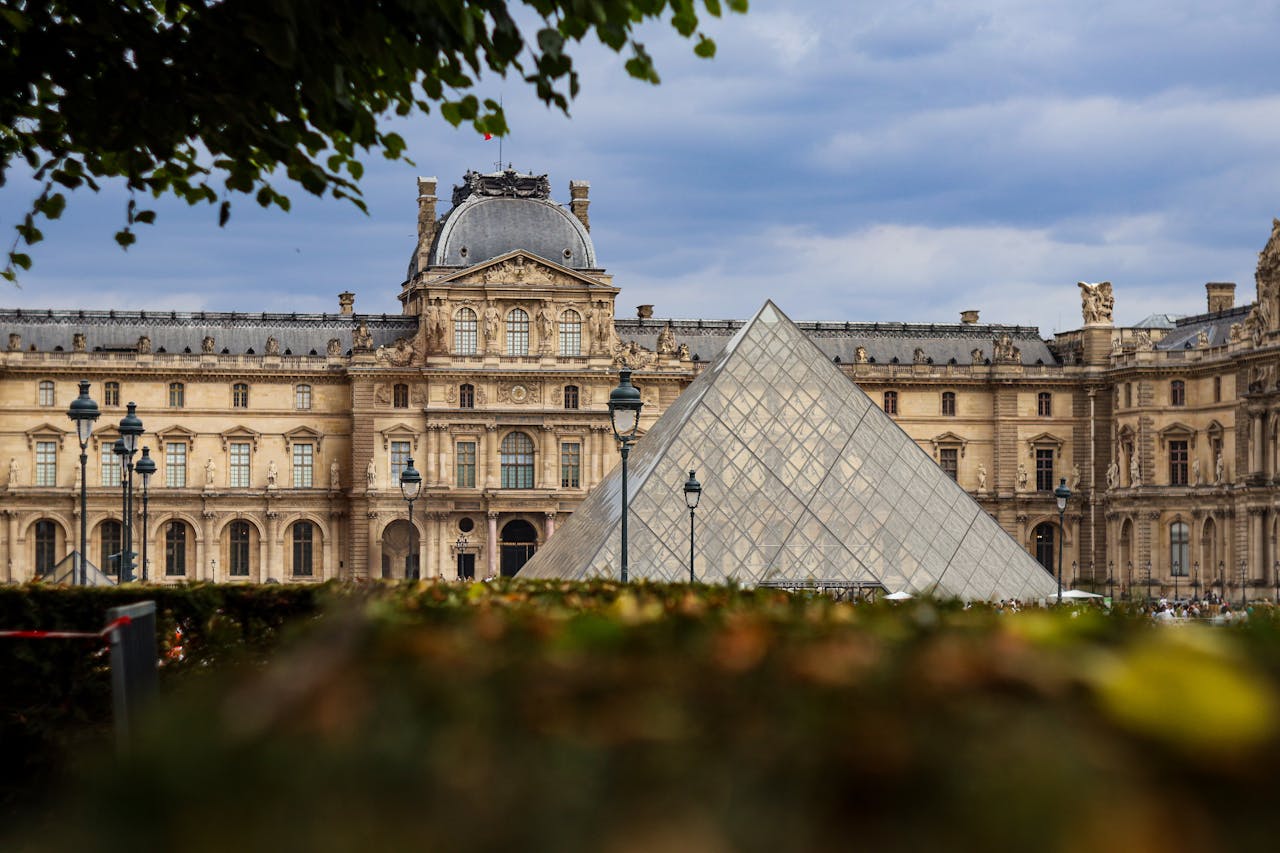
Entrances: The Pyramid is iconic but crowded. The Carrousel entrance (underground via the shopping mall) and Richelieu entrance (with advance tickets) are often faster.
Must-See Works
The Louvre has too much to see in one visit. Here are the pieces most visitors come for:
Mona Lisa (Leonardo da Vinci) – The most famous painting in the world, behind bulletproof glass in the Denon Wing. Expect crowds. The painting is smaller than most expect.
Venus de Milo – Ancient Greek sculpture of Aphrodite, missing her arms but still stunning. Ground floor, Sully Wing.
Winged Victory of Samothrace – Hellenistic sculpture of Nike at the top of a grand staircase. One of the most dramatic displays in the museum.
Liberty Leading the People (Delacroix) – The iconic French Revolution painting.
The Coronation of Napoleon (David) – Massive painting depicting Napoleon crowning himself emperor.
Beyond the highlights, departments worth exploring include Egyptian Antiquities (excellent collection), the Decorative Arts (Crown Jewels and royal apartments), and Italian Paintings (beyond the Mona Lisa).
Beating the Crowds
The Louvre gets 10 million visitors a year. Some tips:
- Book online – Required anyway, but book the earliest morning slot (9am) or the evening sessions (Wednesdays/Fridays)
- Start elsewhere – Most visitors head straight to the Mona Lisa. Go to other wings first and circle back
- Wednesday/Friday evenings – Less crowded than daytime
- Winter months – Fewer tourists than summer
The Mona Lisa room is always busy. Accept it, have a look, move on to the many other masterpieces.
Practical Tips
Bags: Lockers available under the Pyramid for bags up to 55x35x20cm. Large bags and suitcases not allowed.
Audio Guide: Available for €5 in multiple languages. Useful for context.
Photography: Allowed without flash in most galleries.
Food: Café Richelieu (Angelina) for pastries, Café Grand Louvre under the Pyramid for meals. You can bring your own food but eat only in designated areas.
Toilets: Throughout the museum. Baby changing facilities available.
Wifi: Free wifi available (LouvreWifiGratuit).
The Building
The Louvre itself is as impressive as its contents. Originally a 12th-century fortress, it became a royal palace and then a museum during the French Revolution (1793).
Don’t miss:
- Medieval Louvre foundations in the crypt (Sully Wing basement)
- The Pyramid entrance by I.M. Pei (1989)
- Napoleon III Apartments (lavish Second Empire rooms)
- Views from the Cour Carrée courtyard
Planning Your Route
If you have limited time, consider these approaches:
2-3 hours (highlights only):
Start at the Pyramid, see Venus de Milo (Sully), Winged Victory (Denon staircase), Mona Lisa (Denon), and a few Italian paintings on the way out.
Half day (4-5 hours):
Add Egyptian Antiquities, more of the Italian paintings, and the French paintings including Liberty Leading the People.
Full day:
Explore multiple departments at leisure. Take breaks. Return to favourites.
The Louvre provides free maps at the information desk. The official app also helps with navigation.
Nearby
The Louvre sits in the heart of Paris. Combine your visit with:
- Tuileries Garden – Directly adjacent, good for a stroll after the museum
- Palais Royal – Quiet gardens and arcades nearby
- Arc de Triomphe – At the other end of the Champs-Élysées axis
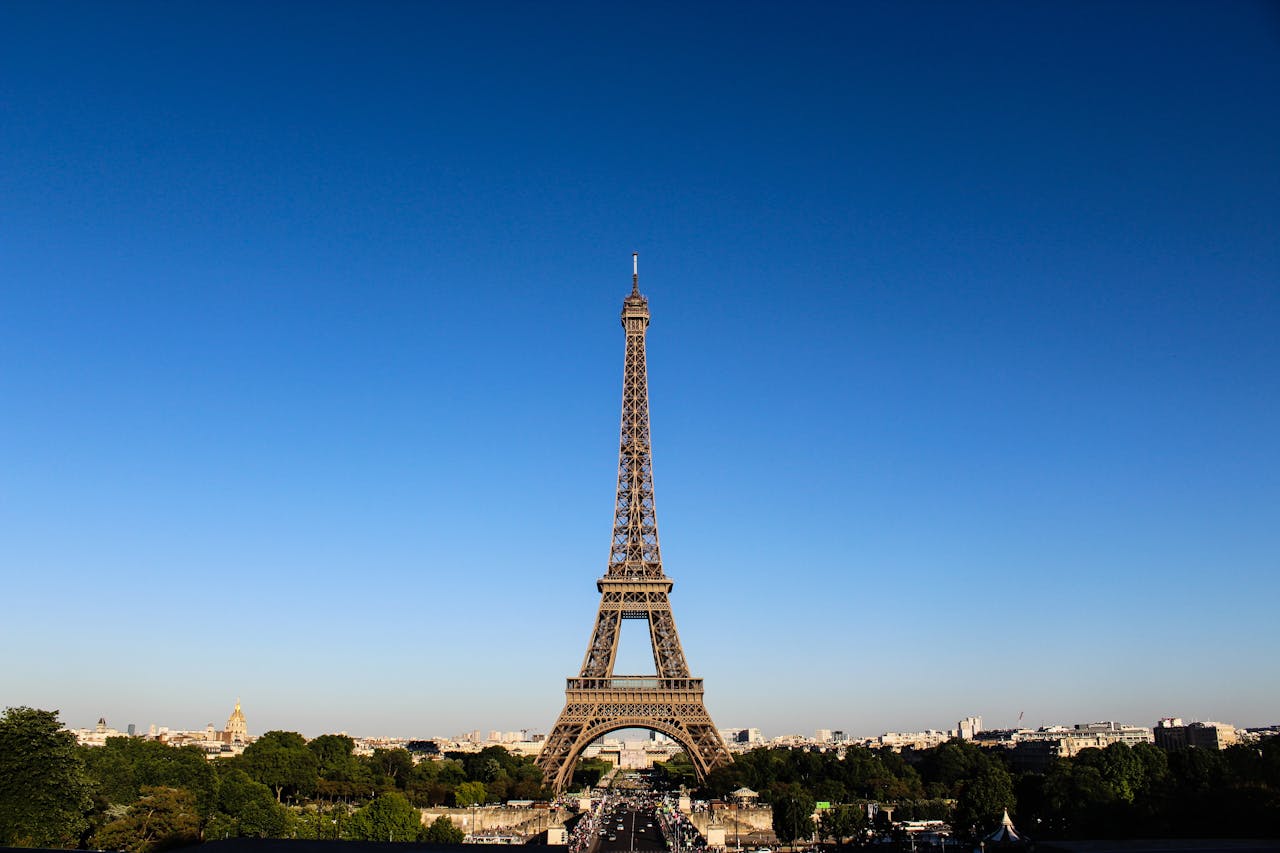
- Eiffel Tower – About 30 minutes walk along the Seine
Frequently Asked Questions
How much does it cost to visit the Louvre?
General admission is €22. Entry is free for under 18s (any nationality), EU residents under 26, and on the first Saturday evening of each month from 6pm-9pm. Book timed entry tickets online in advance at louvre.fr.
What are the Louvre Museum opening hours?
The Louvre is open Monday, Thursday, Saturday, and Sunday from 9am-6pm, and Wednesday and Friday from 9am-9pm (evening opening). The museum is closed on Tuesdays, January 1, May 1, and December 25.
How long should I spend at the Louvre?
Allow a minimum of 3-4 hours to see the main highlights. A full day is ideal if you want to explore multiple departments properly. It’s impossible to see everything in one visit as the museum contains over 35,000 works across 73,000 square metres.
Where is the Mona Lisa in the Louvre?
The Mona Lisa is located in the Denon Wing behind bulletproof glass. The painting is smaller than most people expect and always has crowds around it. Consider visiting other wings first and circling back to avoid the worst congestion.
What are the must-see artworks at the Louvre?
Key works include the Mona Lisa (Leonardo da Vinci), Venus de Milo, Winged Victory of Samothrace, Liberty Leading the People (Delacroix), and The Coronation of Napoleon (David). Beyond these, the Egyptian Antiquities collection and Italian paintings are particularly strong.
How do I avoid crowds at the Louvre?
Book the earliest morning slot (9am) or visit during Wednesday/Friday evening sessions (until 9pm). Use the Carrousel or Richelieu entrances instead of the busy Pyramid entrance. Visit in winter months rather than summer, and go to less popular wings first while crowds gather at the Mona Lisa.