Normandy France: D-Day Beaches & Travel Guide
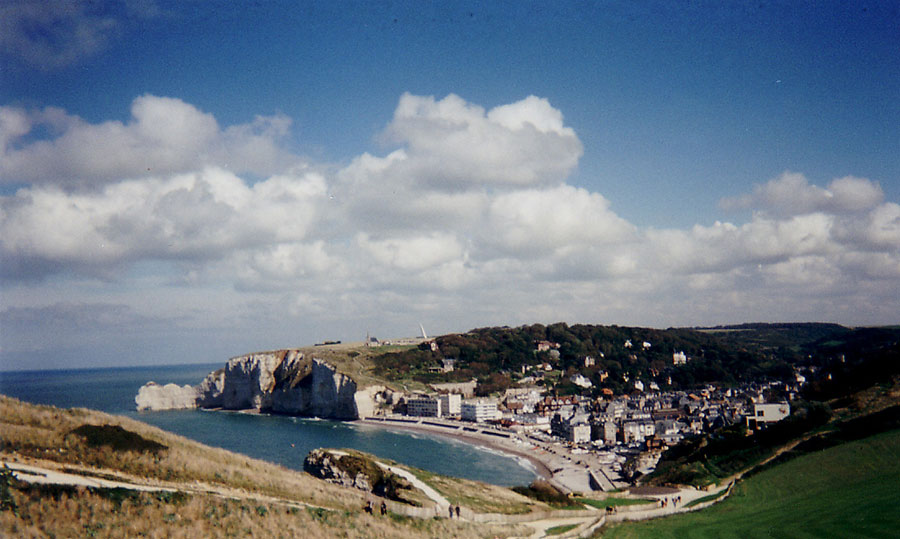
I drove through Normandy on a road trip from Calais to Brittany and ended up staying four days longer than planned. The D-Day beaches at dawn, with mist still on the sand and hardly anyone else around, were more moving than any museum could convey. The American Cemetery is difficult to walk through without stopping repeatedly. But Normandy is not only war history – Mont Saint-Michel emerging from the morning haze looked like something from a fantasy film, and the Cider Route through apple orchards made for one of the most pleasant driving days I can remember. The Camembert from source is noticeably better than anything that reaches UK supermarkets.
Normandy in northern France draws visitors for very different reasons. It is the location of the D-Day Landings of World War II and also where Camembert cheese originated. The villages, manors, and castles offer a different side of France to the south. The tourist circuits are clearly signposted and make self-drive exploration straightforward. Mont Saint-Michel alone is worth the trip.
Normandy American Cemetery and Memorial
Many people visit the American Cemetery in the village Colleville-sur-Mer, Normandy in France to find the graves of their loved ones. Approximately 9,387 soldiers are buried at the American Cemetery in Normandy. This is the final resting place of troops who died during World War II. Most of the troops buried here were killed during the D-Day Landings on 6 June 1944, the Battle of Normandy that followed and other war operations. The cemetery which overlooks Omaha Beach is the largest American cemetery of World War II.
Walk over to the memorial which is a main feature of the cemetery. In the centre of the memorial is a bronze statue which depicts ‘The spirit of the American youth rising from the waves’. There are maps at the memorial which explain the liberation of Europe and war operations in the Pacific.
Situated behind the memorial is the Garden of the Missing. Here the names of 1,557 soldiers and air force troops whose bodies were never found are displayed. For quiet time and for a time of reflection, head over to the chapel.
Tour the battlefields
There are tours available to relive the battles in Normandy. Experienced guides will to take you through the Normandy countryside and to famous battlegrounds. Go to the beach and gain insight into how French citizens were liberated. Another great way to experience the history of D-Day Landings is to do a cycle tour from one of the battle beaches to Mont Saint-Michel. You will also experience Norman heritage as well as its different landscapes. This route is a good holiday idea for the whole family.
Things to do in Normandy
- Mont Saint-Michel: Don’t miss an opportunity to visit one of the most visited places in France. The island located off the coast of Normandy is home to a beautiful Benedictine abbey dedicated to the archangel St Michael. The abbey is a World Heritage Site and one of the wonders of the western world.
Legends say that the abbey was founded in the 8th century after the archangel Michael appeared to the bishop of Avranches in a dream. While you are here, visit the church of St. Pierre where there is a statue of St Michael slaying a dragon. The tides around the island change very quickly. For a memorable experience, hike across the bay of Mont Saint-Michel, but be sure to take a guide. Watch out for the quicksand! At one time there is just sand around the island, but by high tide it’s completely surrounded by water. Tour the ramparts at the base of the abbey and put yourself in the shoes of the many pilgrims who have crossed this channel.
Take a walk around the village after your visit to the abbey. Stop in at a few shops and frequent the museums or grab a bite at one of the restaurants. The main street is lined with houses dating from the 15th and 16the century. If your feet need a rest from all the sightseeing, relax and watch the tide come in. Mont Saint-Michel is genuinely unlike anywhere else in France.
- Bayeux Tapestry: Here you will get a glimpse of an 11th century embodied cloth. This 230 foot long cloth tells the story of the Norman Invasion in 1066. The tapestry is one of the longest and detailed tapestries in the world. Once you have visited the Tapestry, tour the town.
- Notre Dame Cathedral (Bayeux): Built in Romanesque style with Gothic influences and dating back to William the Conqueror’s time. The copper dome is distinctive, and several stained glass windows commemorate both world wars. The cathedral is still in active use today. At night it is well-lit and worth a walk past.
- Taste Camembert Cheese: Visit the village of Camembert in the south eastern region of Normandy. There are various places to drop in and get a taste of this well-known cheese. Go to the La Maison du Camembert, which is a farmhouse and Museum. Here you will also get to taste delicious French cheeses. Learn how Camembert cheese was discovered during the French Revolution in 1791.
- Go on the Cider Route (Route du Cidre): Normandy’s Cider Route is 40 kilometres long, clearly marked with apple signage, and takes you through the countryside from village to village where you can taste and buy local ciders. While in the region, stop at the coastal towns of Trouville, Deauville, and Honfleur. Trouville is particularly good for mussels and fresh seafood.
- Travel on of the Circuits: Besides the Cider Route, Normandy has other circuits that will leave your mouth watering as you travel from place to place. This is your chance to explore Normandy’s heritage and villages. ‘The Traditional Trail’ will take you through the countryside through villages such as Villers Bocage and Dampierre where you can get to know local traditions and try local cuisine. ‘The Camembert Trail’ will lead visitors to various locations to taste cheese.
Frequently Asked Questions
What are the most important D-Day sites to visit in Normandy?
The key D-Day sites include Omaha Beach, the American Cemetery at Colleville-sur-Mer (with 9,387 graves), Utah Beach, Pointe du Hoc, and the Caen Memorial Museum. Many visitors take guided tours that provide historical context and visit multiple beaches in one day.
How long does it take to visit Mont Saint-Michel?
Plan at least 2-3 hours to visit Mont Saint-Michel. This allows time to climb to the abbey, tour the church and ramparts, and explore the medieval village streets. Arriving early morning or late afternoon helps avoid the largest crowds. Watching the tide come in is remarkable.
What is the best time to visit Normandy?
Late spring (May-June) and early autumn (September-October) offer pleasant weather and fewer crowds. Summer is popular but busy, especially at Mont Saint-Michel and D-Day beaches. The 6th of June (D-Day anniversary) sees special commemorations but large crowds.
Where can I taste authentic Camembert cheese in Normandy?
Visit the village of Camembert in southeastern Normandy. La Maison du Camembert is a farmhouse and museum where you can learn how the cheese was discovered in 1791 and taste authentic Norman cheeses. Many local farms and fromageries also offer tastings.
What is the Cider Route in Normandy?
The Route du Cidre is a 40-kilometer scenic drive through the Normandy countryside, marked with apple signage. The route takes you through small villages where you can visit cideries, learn how Norman cider is made, and taste and buy local ciders.
Can you visit the Bayeux Tapestry?
Yes, the famous Bayeux Tapestry is on display in Bayeux. This 230-foot embroidered cloth from the 11th century depicts the Norman Invasion of 1066. After viewing the tapestry, explore the beautiful Notre Dame Cathedral in Bayeux, which dates back to William the Conqueror’s time.