Turkey Holidays: Best Places to Visit
Turkey holidays keep drawing me back – I have visited four times and barely scratched the surface. The first trip was Istanbul alone – five days that could have been ten. The second added Cappadocia’s surreal landscapes and hot air balloons at dawn. The third took me down the coast to Ephesus and the turquoise waters of Ölüdeniz. Each trip revealed how much more there was to explore. Turkey is vast, varied, and genuinely good value.
Turkey bridges Europe and Asia in more than just geography. Istanbul alone makes the trip worthwhile – a city where Byzantine churches, Ottoman mosques, and modern life all sit next to each other. Beyond the city, Cappadocia’s unusual rock formations, ancient ruins at Ephesus, and Mediterranean beaches are completely different experiences from each other.
Where to Go
Istanbul
The former Constantinople is one of the world’s great cities. Plan at least three to four days.
Sultanahmet (Old City) has the headline sights: Hagia Sophia (former church, former mosque, now mosque again), the Blue Mosque, Topkapi Palace, and the underground Basilica Cistern. The Grand Bazaar and Spice Market are nearby.
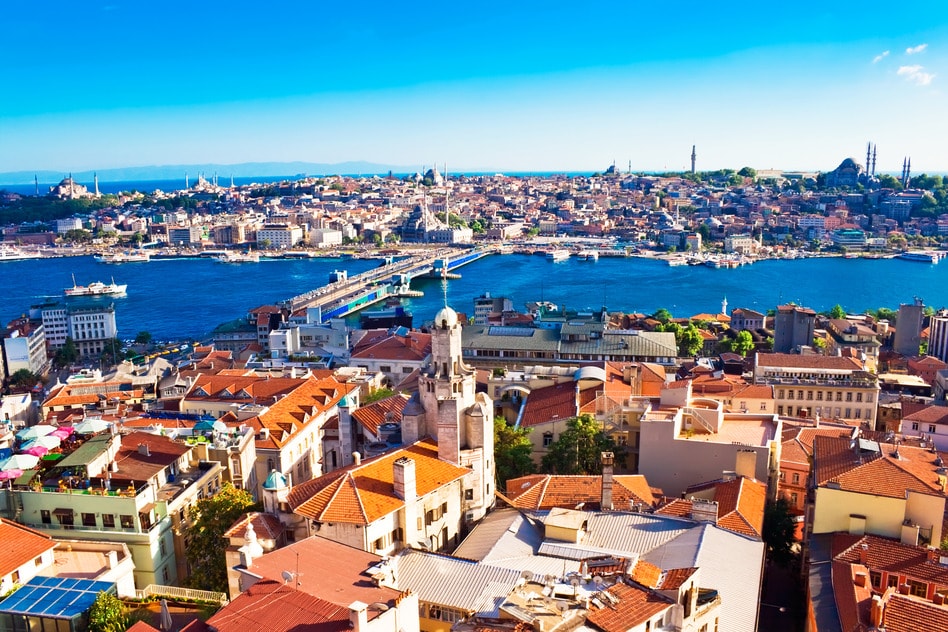
Beyoğlu across the Golden Horn has Istiklal Avenue, the Galata Tower, and better nightlife and dining. The contrast between the historic old city and the more modern new city is part of Istanbul’s appeal.
The Bosphorus divides Europe from Asia. Ferry rides are cheap and scenic – the most pleasant way to experience the strait. Day trips to the Asian side offer a different perspective on the city.
Cappadocia
The region’s “fairy chimneys” (rock formations eroded into towers and cones) look like nothing else on earth. Hot air balloon rides at sunrise are the signature experience – book ahead in peak season.
Beyond the balloons: the Göreme Open-Air Museum has rock-cut churches with Byzantine frescoes. Underground cities (Kaymakli, Derinkuyu) go multiple stories deep. The landscape is excellent for hiking.
Fly into Kayseri or Nevşehir airports from Istanbul (about 1.5 hours). Overnight buses are cheaper but take 10-12 hours.
Ephesus
One of the best-preserved ancient cities in the Mediterranean. The Library of Celsus facade is iconic, but the scale of the whole site – temples, theaters, marble streets – is impressive. Visit early morning to beat tour groups.
Located near Izmir and Selçuk. Day trips from Izmir or combine with the coastal towns.
The Coast
Antalya is the hub of the Turkish Riviera – beaches, old town, and gateway to ancient sites like Perge and Aspendos.
Bodrum is the upmarket option – yacht-filled harbour, beach clubs, and the medieval castle. Ferry connections to Greek islands.
Fethiye offers the Ölüdeniz lagoon (famous for paragliding) and the turquoise coast. More relaxed than the resort towns.
Other Highlights
Pamukkale – White calcium terraces of thermal pools, plus the ancient city of Hierapolis above. Day trip from Denizli.
The Lycian Way – Long-distance hiking trail along the coast. Do the whole 500km or just sections.
Konya – Centre of Sufi culture, with the Mevlana Museum and whirling dervish ceremonies.
Entry Requirements
US citizens: Visa-free for up to 90 days. Passport must be valid for at least 6 months from arrival.
UK citizens: Visa-free for up to 90 days. Passport must be valid for at least 150 days from arrival and at least 3 months after your planned departure.
E-visa option: Available for many nationalities at evisa.gov.tr. Costs around $50 and is processed within hours. Not required for US/UK but can speed up entry.
Make sure you get entry and exit stamps – they matter for future visits.
Getting Around
Domestic flights are the fastest option. Turkish Airlines and budget carriers (Pegasus, AnadoluJet) fly between major cities. Istanbul to Cappadocia is 1.5 hours.
Buses are extensive and comfortable. Major companies include Metro, Kamil Koç, and Pamukkale. Night buses with reclining seats connect distant cities.
Trains are improving but still limited. The Istanbul-Ankara high-speed line is good. Otherwise, buses are more practical.
Dolmuş (shared minibuses) handle local transport. Flag them down on the route, pay a fixed fare.
Car rental makes sense for the coast and rural areas. Driving in Istanbul is stressful and unnecessary – use the metro and ferries instead.
Food
Turkish cuisine goes far beyond kebabs (though those are excellent).
Breakfast is a highlight – spreads of cheese, olives, tomatoes, cucumber, honey, bread, eggs, and tea. Many hotels offer traditional breakfast; seek it out.
Must-try dishes:
- Meze – Shared small plates to start meals. Hummus, baba ghanoush, stuffed vine leaves, yogurt dips.
- Lahmacun – Thin flatbread with spiced minced meat. Roll it up with salad and lemon.
- Pide – Boat-shaped pizza-like bread with various toppings.
- Manti – Turkish dumplings with yogurt sauce.
- Baklava – Layers of filo, nuts, and syrup. Gaziantep is considered the best source.
Where to eat: “Lokanta” are casual restaurants serving home-style food – good value. “Ocakbaşı” restaurants grill meat over charcoal. Fish restaurants along the Bosphorus are pricier but scenic.
Tea is offered everywhere. Turkish coffee is strong and served with grounds – let them settle before drinking.
Costs
Turkey offers good value compared to Western Europe.
Budget (hostels, street food): £30-50/day
Mid-range (hotels, restaurant meals): £60-100/day
Comfortable (nice hotels, activities): £120+/day
The Turkish Lira has been volatile. Check current exchange rates – prices in TRY can be misleading if using older guidebook info.
Practical Tips
Language: Turkish in tourist areas, English is common. Learn a few phrases – “teşekkürler” (thank you) goes a long way.
Dress: No strict requirements except at mosques (head covering for women, no shorts). Coastal resorts are casual; Istanbul varies by neighbourhood.
Bargaining: Expected at markets, especially the Grand Bazaar. Not applicable at fixed-price shops and restaurants.
Plugs: Type C and F (European two-pin). 230V.
Safety: Generally safe for tourists. Be aware of your surroundings in crowded areas. Check travel advisories for border regions.
Scams to avoid: Overly friendly strangers inviting you to bars (drink scam). Taxis without meters or taking long routes. “Closed today” claims at attractions steering you to carpet shops.
When to Visit
Spring (April-May): Pleasant weather, fewer crowds. Good for Istanbul and archaeological sites.
Summer (June-August): Hot. Best for beaches and Cappadocia (balloon flights). Istanbul can be uncomfortably warm.
Autumn (September-October): Similar to spring. Excellent time for most destinations.
Winter (November-March): Cold in interior regions. Istanbul is atmospheric but rainy. Off-season prices. Cappadocia can have snow – beautiful but balloon flights often cancelled.
Frequently Asked Questions
Do I need a visa for Turkey from the UK?
No. UK citizens can visit Turkey visa-free for up to 90 days. Your passport must be valid for at least 150 days from arrival.
Do I need a visa for Turkey from the US?
No. US citizens can visit Turkey visa-free for up to 90 days. Your passport must be valid for at least 6 months from arrival.
What is the best time to visit Turkey?
Spring (April-May) and autumn (September-October) offer the best weather and fewer crowds. Summer is hot but ideal for beaches. Winter is cold inland but offers off-season prices.
Is Turkey safe for tourists?
Generally yes. Tourist areas are safe, but be aware of common scams like taxi overcharging and drink scams. Check travel advisories for border regions.
What currency is used in Turkey?
The Turkish Lira (TRY). The exchange rate has been volatile, so check current rates. Credit cards are widely accepted in cities and tourist areas.
What plugs are used in Turkey?
Turkey plug sockets use Type C and F (European two-pin) at 230V. UK visitors need an adapter – same voltage, no converter needed.