Bora Bora Overwater Bungalows & Travel Guide
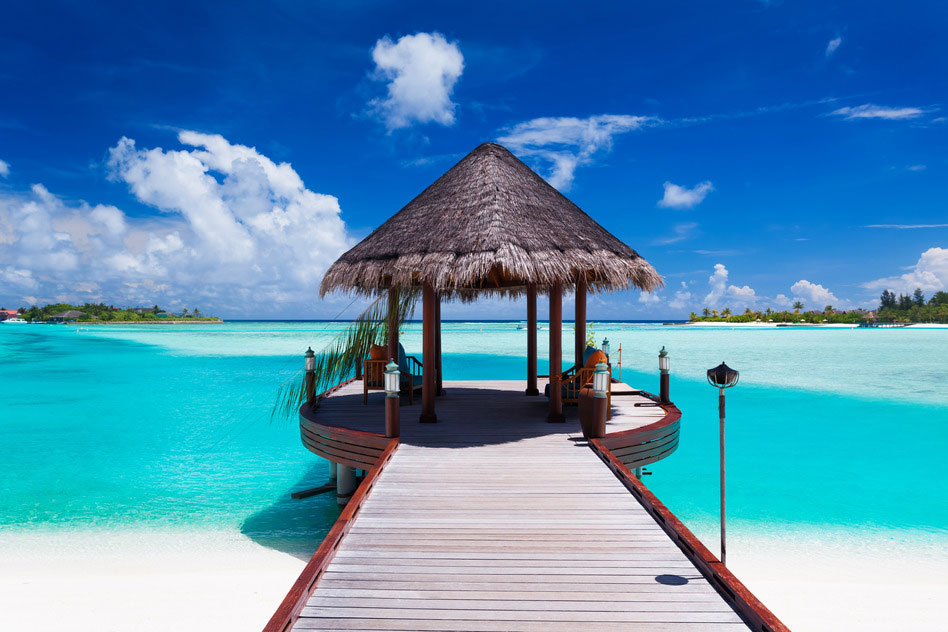
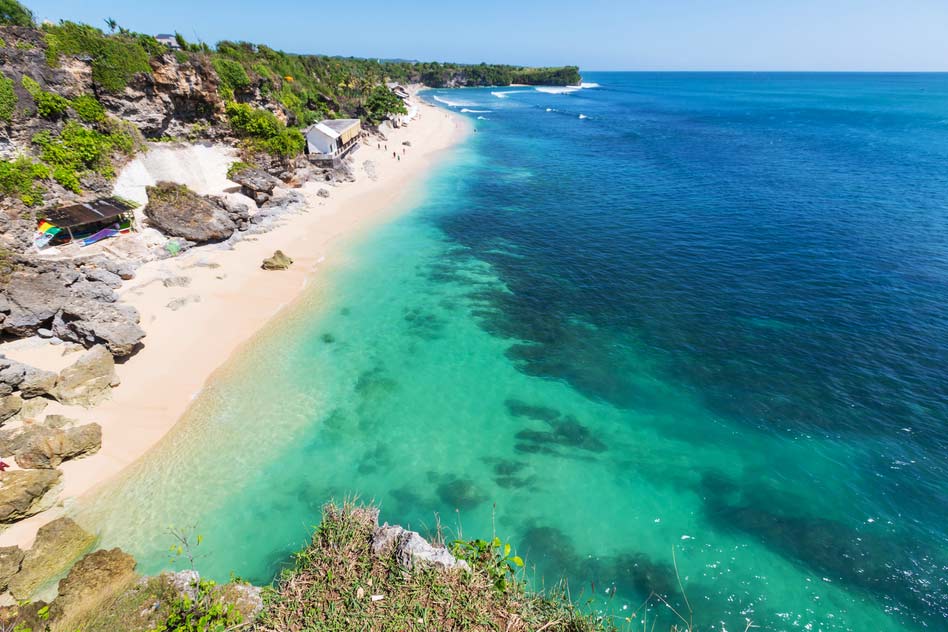
Bora Bora exists at the intersection of fantasy and reality. I had seen the photographs for years – that impossible turquoise lagoon, the overwater bungalows, the volcanic peak rising from the sea – and assumed the images were heavily edited. They are not. The colours really are that saturated, the water really is that clear, and the setting really is that dramatic.
I spent five days on Bora Bora, and it remains the most beautiful place I have ever been. The Bora Bora overwater bungalows are the main draw – and they live up to the hype. This is not a destination for budget backpackers or cultural immersion – it is expensive, remote, and unapologetically focused on luxury. But if you want to understand why certain places become legendary, Bora Bora makes the case persuasively.
The Setting
Bora Bora is a volcanic island in French Polynesia, about 260 kilometres northwest of Tahiti. The main island is small – you can drive around it in an hour – but the lagoon that surrounds it is vast, protected by a barrier reef that keeps the waters calm and impossibly blue.
Mount Otemanu, the extinct volcanic peak at the centre, rises 727 metres above the lagoon. The mountain is visible from almost everywhere on the island, its jagged silhouette changing character with the light. At sunrise it glows pink; at sunset it turns deep purple against the sky.
The geography creates the experience. The barrier reef means the lagoon is always calm, perfect for swimming and snorkelling. The motus (small islands) on the reef provide the setting for the famous overwater bungalows. The volcanic soil supports lush vegetation. Everything combines into a landscape that seems designed for postcards.
Where to Stay
Accommodation defines the Bora Bora experience. Most visitors stay in resorts on the motus, often in overwater bungalows built on stilts above the lagoon. These are not cheap – expect to pay XPF 80,000-200,000 (£650-1,600) per night for a basic overwater bungalow, considerably more for premium options.
The Major Resorts
Four Seasons Resort Bora Bora – The most luxurious option, with overwater bungalows that have glass floor panels and private pools. The service is exceptional. Rates start around XPF 250,000 (£2,000) per night.
Conrad Bora Bora Nui – Slightly more accessible luxury, with a dramatic hillside location on a motu at the southern end of the lagoon. Good value compared to the Four Seasons.
InterContinental Bora Bora Resort and Thalasso Spa – Features overwater bungalows with direct lagoon access and the island’s only deep-sea water spa. Mid-range for Bora Bora.
Le Meridien Bora Bora – Includes an on-site turtle sanctuary where you can swim with sea turtles in a protected lagoon area.
Sofitel Bora Bora Private Island – Occupies its own small motu, offering seclusion and excellent snorkelling right off the beach.
Budget Options
Budget is relative in Bora Bora. The main island has a handful of guesthouses and small hotels starting around XPF 15,000-25,000 (£120-200) per night. These lack the overwater experience but provide access to the same lagoon. Pension Chez Robert Alice and Rohotu Fare Lodge are well-regarded options.
The overwater bungalow experience is genuinely worth the splurge if you can afford it. Waking up, stepping onto your deck, and sliding directly into the lagoon is unlike anything else.
The Lagoon
The lagoon is why people come to Bora Bora. The water is warm (26-28°C year-round), calm, and so clear you can see fish from your bungalow deck.
Snorkelling and Diving
Coral Gardens – A section of reef near the motus with excellent snorkelling. Tropical fish, coral formations, and easy access make this the most popular spot. Most resorts offer complimentary kayaks or paddleboards to reach it.
Shark and Ray Feeding – Multiple operators offer excursions where you swim with blacktip reef sharks and stingrays in shallow water. The animals are accustomed to humans and come close for feeding. It sounds intimidating but the sharks are small and harmless. Half-day tours cost around XPF 12,000 (£100).
Lagoon Tours – Full-day boat tours combine multiple stops: snorkelling, shark and ray encounters, a motu picnic with fresh seafood, and swimming in the deep blue water outside the reef. These run XPF 15,000-20,000 (£120-160) and are an excellent way to experience the lagoon.
Diving – The waters outside the reef offer more serious diving: manta rays, larger sharks, and impressive coral walls. Visibility typically exceeds 30 metres. Expect to pay XPF 12,000-15,000 (£100-120) per two-tank dive.
Paddling and Sailing
The calm lagoon is perfect for paddleboarding and kayaking. Most resorts include complimentary equipment. Sailing catamarans and sunset cruises are available through resorts or independent operators.
The Main Island
Vaitape, the main town, sits on the western shore of the main island. It is small and functional rather than charming – a few shops, restaurants, a post office, and the main pier where supplies arrive. The famous Bloody Mary’s restaurant, with its sand floor and celebrity guest list, is nearby.
Mount Otemanu
The volcanic peak dominates every view but is technically impossible to climb – the final ascent requires technical rock climbing and is prohibited. You can hike partway up for views, or take a 4×4 tour that covers the accessible portions of the mountain. Helicopter tours offer the best aerial views of the peak and lagoon.
Circle Island Tour
A road rings the main island (32 kilometres). You can rent a car or bicycle, or join a guided tour. Highlights include World War II gun emplacements, ancient marae (Polynesian temples), and viewpoints overlooking the lagoon. The drive takes 2-3 hours with stops.
Practical Information
Getting There
No international flights reach Bora Bora directly. Fly to Papeete in Tahiti (connections from Los Angeles, Auckland, Paris, and Tokyo), then connect on Air Tahiti to Bora Bora (50 minutes, around XPF 35,000 / £280 return). The airport is on a motu; a boat transfer takes you to your resort or the main island.
Getting Around
Resorts provide boat transfers to the main island, typically several times daily. On the main island, options include rental cars (XPF 8,000-12,000 / £65-100 per day), bicycles (XPF 2,000 / £16 per day), and the local bus (Le Truck), which circles the island periodically.
When to Visit
May to October – The dry season, with lower humidity and less rain. Peak tourist season and prices.
November to April – The wet season, with higher humidity and more frequent (but usually brief) rain showers. Slightly lower prices.
Water temperature and visibility are excellent year-round. The main consideration is rain – wet season storms can last a few hours, but extended bad weather is rare.
Costs
Bora Bora is expensive. This is not a budget destination.
- Overwater bungalow: XPF 80,000-250,000 (£650-2,000) per night
- Budget guesthouse: XPF 15,000-25,000 (£120-200) per night
- Restaurant dinner: XPF 5,000-10,000 (£40-80)
- Lagoon tour: XPF 15,000-20,000 (£120-160)
- Rental car: XPF 8,000-12,000 (£65-100) per day
- Beer at bar: XPF 800-1,200 (£6.50-10)
Many visitors book package deals including flights, transfers, and meals, which can offer better value than booking separately.
Currency
French Pacific Franc (XPF). Roughly XPF 125 to £1. Euros are sometimes accepted at resorts. Credit cards work at resorts and larger establishments; cash is needed for smaller shops and markets.
Language
French and Tahitian are the official languages. English is widely spoken in resorts but limited elsewhere.
Visas
French Polynesia is an overseas collectivity of France. UK, US, EU, Canadian, and Australian citizens can visit visa-free for up to 90 days.
Power
French Polynesia uses Type C and E plugs (two round pins). Voltage is 220V. UK visitors need a travel adapter.
Is It Worth the Cost?
Bora Bora is genuinely expensive, and the high prices are a legitimate barrier. But the setting is extraordinary – there is nowhere else quite like it. If you have the budget and the opportunity, the experience justifies the cost.
The key is managing expectations. This is a place for relaxation, water activities, and enjoying natural beauty. If you need constant stimulation or cultural attractions, you will be disappointed. If you want to float in impossibly blue water, watch the sunset behind a volcanic peak, and experience a level of natural beauty that seems almost artificial, Bora Bora delivers.
Frequently Asked Questions
Do I need a visa to visit Bora Bora?
No visa is required for UK, US, EU, Canadian, and Australian citizens for stays up to 90 days. French Polynesia is an overseas collectivity of France, so the same entry requirements apply as for France.
What is the best time to visit Bora Bora?
May to October is the dry season with lower humidity and less rain, though it is peak tourist season with higher prices. November to April is the wet season with more rain showers but slightly lower prices. Water temperature and visibility remain excellent year-round at 26-28°C.
What currency is used in Bora Bora?
The official currency is the French Pacific Franc (XPF), roughly XPF 125 to £1. Euros are sometimes accepted at resorts, and credit cards work at most establishments. Cash is needed for smaller shops and markets.
How much does an overwater bungalow cost in Bora Bora?
Expect to pay XPF 80,000-200,000 (£650-1,600) per night for a basic overwater bungalow, with premium options like the Four Seasons starting around XPF 250,000 (£2,000) per night. Budget guesthouses on the main island start around XPF 15,000-25,000 (£120-200) per night.
Is Bora Bora safe for tourists?
Yes, Bora Bora is very safe for tourists. The main concerns are typical of any tropical destination – sun exposure, staying hydrated, and water safety. Crime against tourists is rare, though standard travel precautions should be followed.
What are the best diving and snorkeling spots in Bora Bora?
Coral Gardens near the motus offers excellent snorkelling with easy access. The lagoon tours include shark and ray feeding encounters with blacktip reef sharks and stingrays. For serious diving, the waters outside the reef offer manta rays, larger sharks, and coral walls with visibility typically exceeding 30 metres.