Thailand Travel Guide: Beaches & Temples
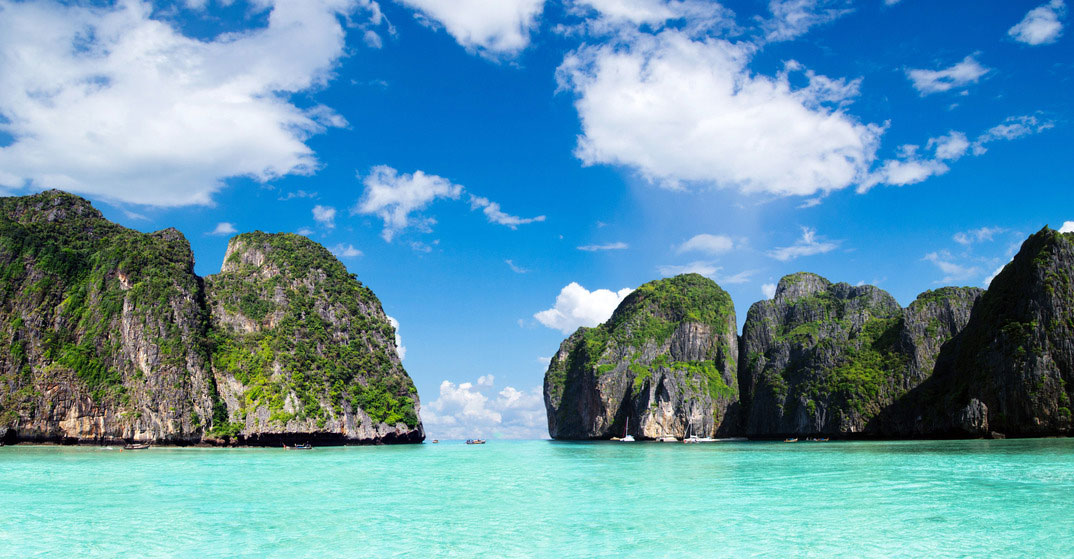
Thailand holidays are where most people start their Southeast Asia adventure, and for good reason. The infrastructure makes independent travel easy, the food is spectacular, the beaches are genuinely beautiful, and the costs are low enough to stretch a budget for weeks. I have been back four times over the years, and each trip reveals something new.
The country divides roughly into three experiences: the chaos and temples of Bangkok, the culture and mountains of the north, and the islands of the south. Most first-timers try to cram all three into two weeks. It is possible, but you will spend more time in transit than you want. Better to pick one or two regions and do them properly.
Bangkok: Controlled Chaos
Bangkok hits you immediately – the humidity, the traffic, the smell of street food mixing with exhaust, the sheer density of it all. The city can be overwhelming, but beneath the chaos lies a place of genuine depth. Give it at least three days.
The Grand Palace and Temples
The Grand Palace is the obligatory first stop – a dazzling complex of gilded spires, intricate mosaics, and the sacred Emerald Buddha. Entry costs ฿500 (£11) and includes Wat Phra Kaew, the royal temple. Dress code is strict: cover knees and shoulders, or rent wraps at the entrance. Go early to beat both crowds and heat.
Wat Pho sits nearby – home to the giant Reclining Buddha (46 metres long, covered in gold leaf) and a traditional massage school. This is one of Thailand’s most important Buddhist universities, and the atmosphere is more peaceful than the Grand Palace. Entry ฿200 (£4.50).
Wat Arun (Temple of Dawn) stands across the river – climb its steep steps for views over the Chao Phraya. Best photographed at sunset from the Wat Pho side of the river.
Do all three in a morning by taking the river ferry between them. The Chao Phraya Express boats are cheap (฿15-30 / £0.30-0.70) and atmospheric – far better than fighting traffic.
Beyond the Tourist Trail
The real Bangkok exists in the neighbourhoods away from the temples.
Chinatown (Yaowarat) is best visited at night, when the street food stalls open and the neon signs glow. Shark fin soup, roasted duck, and endless variations of noodles compete for attention. Walk from the Hua Lamphong end toward the river, stopping to eat as you go.
Chatuchak Weekend Market is overwhelming in the best way – 15,000+ stalls selling everything from vintage clothing to live animals across 35 acres. Go early before the heat becomes unbearable. The food section alone justifies the trip.
Khao San Road is the famous backpacker strip – useful for cheap travel services, less interesting as an actual experience unless you want bucket cocktails and gap-year chaos.
Bangkok Food
Thai food is the main event. Bangkok’s street food scene is extraordinary, though crackdowns have reduced the number of vendors in recent years.
Pad thai – The iconic noodle dish, best from specialist stalls rather than places serving 20 other dishes. Thipsamai on Maha Chai Road is famous and deservedly so.
Tom yum goong – Hot and sour soup with prawns. The balance of lime, chilli, and lemongrass is a Thai signature.
Som tam – Green papaya salad, pounded fresh in a mortar. Specify how many chillies you can handle.
Khao man gai – Hainanese chicken rice. Simple, satisfying, and available from specialist vendors across the city.
Street food costs ฿40-80 (£0.90-1.80) per dish. Restaurant meals run ฿150-300 (£3.50-7). High-end Thai restaurants (Nahm, Gaggan) can cost ฿3,000+ (£70+) but are genuinely world-class.
Getting Around Bangkok
The BTS Skytrain and MRT subway are air-conditioned relief from the heat. They cover the main tourist and business areas; fares run ฿16-59 (£0.35-1.30) per trip. The Chao Phraya river boats serve temples and Chinatown.
For everywhere else, taxis are cheap (insist on the meter – starting fare ฿35 / £0.80) or use Grab (the local Uber). Tuk-tuks are fun but rarely cheaper than taxis; agree on price before getting in.
Traffic is brutal. Allow extra time for any cross-city journey, especially during rush hours (7-9am, 5-8pm).
Chiang Mai and the North
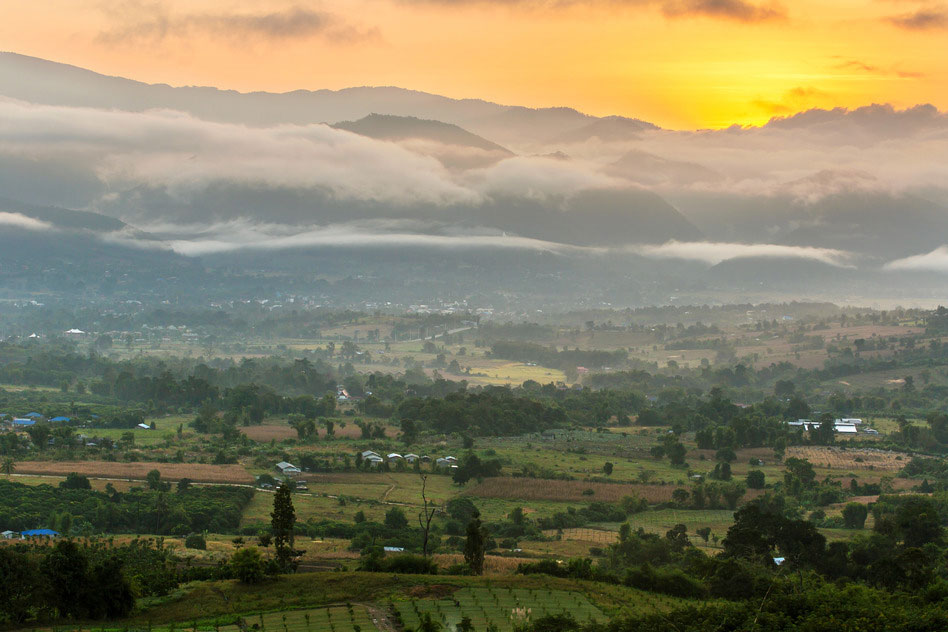
The north is a different Thailand – cooler, calmer, and culturally distinct. Chiang Mai, the main city, sits in a mountain valley surrounded by forested hills and traditional villages.
Chiang Mai City
The old walled city is small enough to walk or cycle. Temples are everywhere – over 300 in the city and surroundings. The most significant:
Wat Phra Singh – The finest temple in the old city, with a beautiful Lanna-style chapel housing an important Buddha image.
Wat Chedi Luang – A massive ruined chedi (stupa) from the 15th century, partially collapsed by earthquake but still impressive.
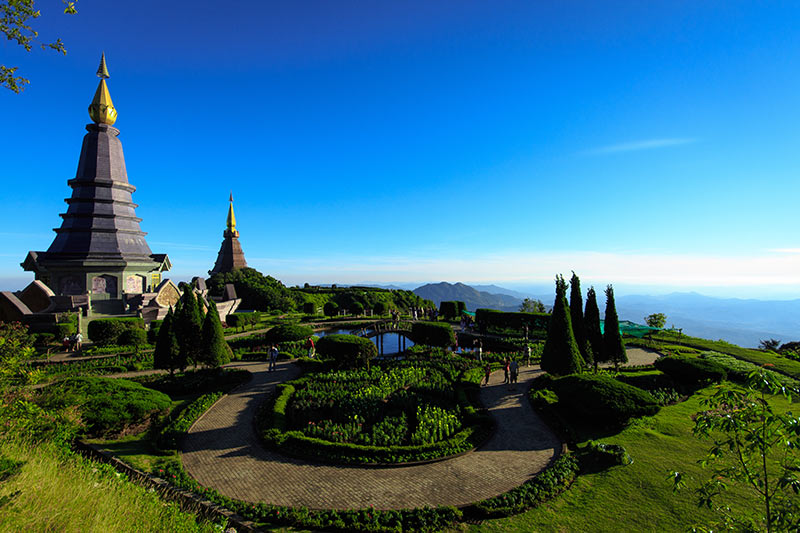
Doi Suthep – The hilltop temple overlooking the city, 15km up a winding road. The views and the gilded pagoda reward the 309-step climb.
Beyond temples, Chiang Mai is known for its food scene (Khao soi – curry noodle soup – is the local speciality), café culture, and the famous night markets. The Sunday Walking Street along Ratchadamnoen Road transforms the old city into a massive market of handicrafts, food, and live music.
Cooking Schools
Chiang Mai has become Thailand’s cooking school capital. A typical day includes a market visit to buy ingredients, followed by hands-on preparation of four or five dishes. Prices run ฿1,000-1,500 (£23-35) for a full day. Thai Farm Cooking School and Cookery Magic are well-regarded.
Elephant Encounters
Northern Thailand has numerous elephant camps, but ethical standards vary wildly. Avoid any camp offering riding or shows – these typically involve cruel training methods. Genuine sanctuaries focus on observation and bathing, allowing elephants semi-wild behaviour. Elephant Nature Park near Chiang Mai is the most established ethical option; expect to pay ฿2,500+ (£58+) for a day visit.
Beyond Chiang Mai
Pai – A small town three hours northwest, popular with backpackers and new-age travellers. Hot springs, waterfalls, and a laid-back atmosphere. The winding road (762 curves) is either an adventure or an ordeal depending on your stomach.
Chiang Rai – The gateway to the Golden Triangle and home to the surreal White Temple (Wat Rong Khun), an artist’s contemporary vision of a Buddhist temple.
Mae Hong Son loop – A multi-day motorbike circuit through mountain scenery and Karen hill tribe villages. Beautiful but challenging riding.
Historical Sites
Sukhothai Historic Park – Thailand’s first capital, now a UNESCO World Heritage site with over 190 ruins spread across various sections. Rent a bicycle to explore the temples, Buddha statues, and ancient city walls. Less crowded than Ayutthaya and arguably more atmospheric.
Hellfire Pass Museum – Built by the Australian government, dedicated to those who died building the Burma Railway during WWII. The museum houses personal belongings and journals of prisoners; a walking trail follows part of the original railway cutting. Free entry.
The Islands: Gulf Coast vs Andaman
Thailand’s southern islands divide between two coasts with different seasons and characters.
Gulf of Thailand (East Coast)
The islands off the southeastern coast are best visited December to August, avoiding the October-November monsoon.
Koh Samui – The largest and most developed island. Beach resorts, spas, and decent infrastructure. Flights arrive from Bangkok; ferries connect from Surat Thani. The beaches are pleasant but not spectacular. Good for families and those wanting comfort.
Koh Phangan – Famous for the Full Moon Party (thousands of people on the beach drinking buckets until sunrise) but also has quiet corners. The northern beaches are peaceful; the southern party zone is exactly what you expect.
Koh Tao – The diving island. More dive shops per square metre than anywhere on earth, with prices to match the competition (Open Water certification from ฿9,000 / £205). The island itself is small and rocky; the coral and fish are the attraction.
Andaman Sea (West Coast)
The Andaman coast is best November to April. The monsoon (May-October) brings rough seas and many closures.
Phuket – Thailand’s largest island and most developed beach resort. Patong is the party centre – loud, crowded, and not for everyone. The western beaches are better; the Old Town has colonial architecture and good food. Useful as a transport hub; flights arrive from across Asia.
Krabi – The mainland gateway to the Andaman islands, with its own excellent beaches (Ao Nang, Railay) and dramatic limestone scenery.
Koh Phi Phi – The famous island of The Beach, devastated by the 2004 tsunami and rebuilt as a party resort. Beautiful but crowded; Maya Bay has restrictions due to environmental damage.
Koh Lanta – More relaxed than Phi Phi or Phuket, with long beaches and a family-friendly atmosphere. Good for those wanting islands without party scenes.
Similan Islands – A national park open November-May, with some of Thailand’s best diving and pristine beaches. Day trips from Khao Lak or liveaboard dive boats.
Island Costs
Island prices are higher than the mainland. Budget accommodation starts around ฿500-800 (£11-18) per night; mid-range beachfront runs ฿1,500-3,000 (£35-70). Food is similarly marked up. Transport between islands (speedboats, ferries) adds up quickly – ฿500-1,500 (£11-35) per journey.
Practical Information
Weather
Thailand has three seasons:
Hot season (March-May) – Temperatures reach 35-40°C. Uncomfortable for sightseeing; good for beaches if you can handle the heat.
Rainy season (June-October) – Afternoon downpours, usually brief. The north and Bangkok are manageable; the Andaman coast gets seriously wet.
Cool season (November-February) – The best time to visit. Temperatures around 25-30°C, minimal rain, and comfortable humidity. Peak tourist season and prices.
The Gulf coast has a different pattern – wettest October-December, drier January-September.
Visas
UK citizens get 30 days visa-free on arrival by air (15 days by land). Extensions possible at immigration offices for ฿1,900 (£44). Longer stays require a tourist visa from a Thai embassy before arrival.
Money
Thai Baht (฿). Roughly ฿45 to £1. ATMs everywhere; most charge ฿220 (£5) per withdrawal for foreign cards. Credit cards accepted at hotels, larger restaurants, and shops; cash needed for street food, markets, and smaller businesses.
Transport
Domestic flights are cheap – Bangkok to Chiang Mai from ฿1,000 (£23) one way with AirAsia, Thai Lion, or Nok Air. Book ahead for better prices.
Trains are slow but scenic. The overnight sleeper from Bangkok to Chiang Mai (12-14 hours) is a classic experience. Second-class sleepers cost around ฿800-1,000 (£18-23).
Buses connect everywhere and are comfortable for shorter routes. VIP and first-class buses have reclining seats, air-conditioning, and reasonable legroom.
Songthaews (covered pickup trucks) and motorbike taxis handle local transport in smaller towns.
Language
Thai. English is widely spoken in tourist areas but limited elsewhere. Learn basic phrases – “sawadee krap/ka” (hello), “khop khun krap/ka” (thank you) – and you will get smiles.
Costs
Thailand is excellent value. Budget travellers can manage on ฿1,000-1,500 (£23-35) per day with hostels, street food, and local transport. Comfortable mid-range travel runs ฿2,000-4,000 (£45-90) per day. The islands push costs higher.
Safety
Thailand is generally safe for tourists. The main concerns are motorbike accidents (the biggest cause of tourist injuries – wear a helmet, check insurance), petty theft in tourist areas, and the occasional scam (tuk-tuk drivers earning commission from gem shops, inflated taxi prices).
Respect for the monarchy is legally required – criticism can result in serious charges.
Etiquette
Remove shoes before entering temples and homes. Dress modestly at temples (cover shoulders and knees). The head is sacred; do not touch anyone’s head. The feet are considered low; do not point them at Buddha images or people.
Frequently Asked Questions
Do I need a visa for Thailand from the UK?
UK citizens get 30 days visa-free on arrival by air (15 days by land). Extensions are possible at immigration offices for ฿1,900.
What is the best time to visit Thailand?
November to February (cool season) offers the best weather with temperatures around 25-30°C and minimal rain. This is peak tourist season.
What currency is used in Thailand?
Thai Baht (฿). ATMs are everywhere but charge ฿220 per withdrawal for foreign cards. Cash is needed for street food and markets.
What plugs are used in Thailand?
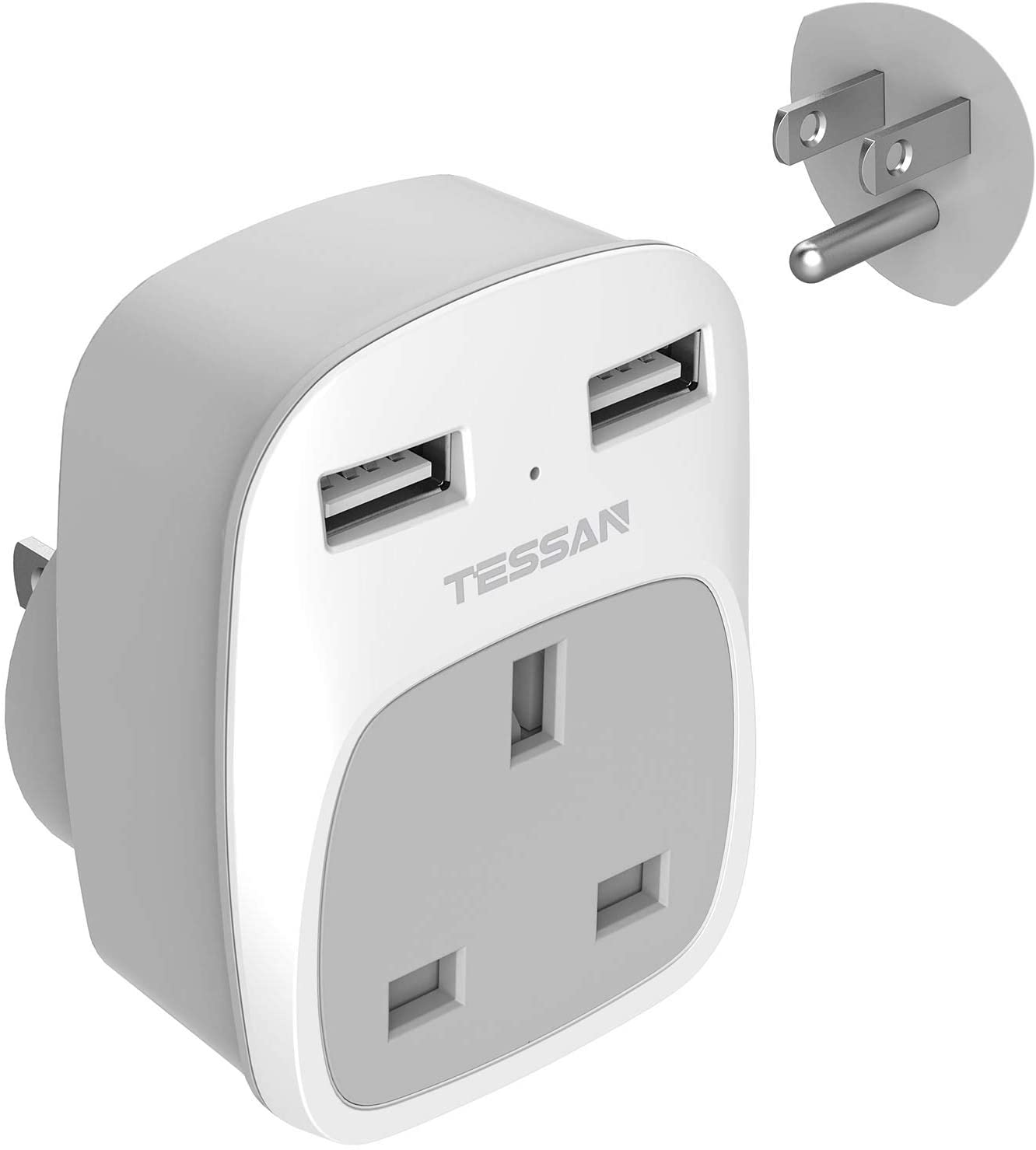
Thailand uses Type A, B, C, and O plugs at 220V. Most sockets accept US flat pins and European round pins. UK visitors need a Thailand plug adapter – the voltage is compatible, so no converter needed.
Is Thailand expensive?
Excellent value. Budget travellers can manage on ฿1,000-1,500 (£23-35) per day. Islands are more expensive than the mainland.
Is Thailand safe for tourists?
Generally safe. Main concerns are motorbike accidents, petty theft in tourist areas, and occasional scams. Wear a helmet if riding.