South Korea Holidays: Seoul & Travel Guide
South Korea holidays caught me off guard. I had expected a smaller, quieter version of Japan – efficient, modern, perhaps a bit reserved. Instead I found a country with its own distinct personality: louder, more energetic, and with a food culture that rivals anywhere in Asia. I spent two weeks travelling from Seoul to Busan and came away convinced this is one of the most underrated destinations in the region.
The contrasts here are striking. Ancient palaces sit beneath gleaming skyscrapers. Buddhist monks in grey robes share subway carriages with teenagers in the latest K-pop fashion. A 5,000-year-old culture has embraced technology and pop culture with an enthusiasm that borders on obsession. South Korea is traditional and futuristic, formal and wildly creative, serious and playful – often simultaneously.
Seoul
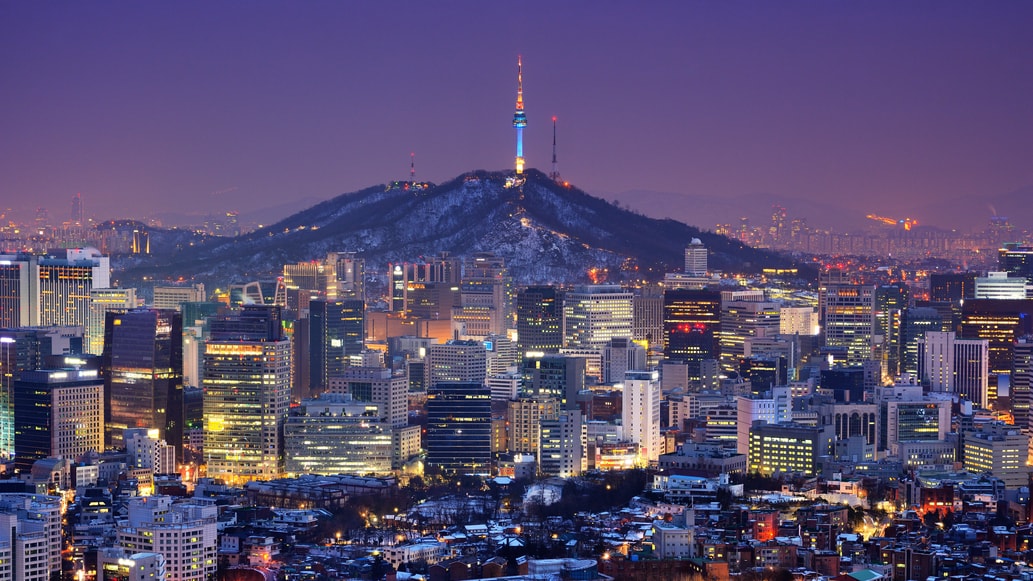
The capital is a city of ten million people spread across the Han River valley, surrounded by mountains. It can feel overwhelming at first – the density, the neon, the crowds – but Seoul rewards exploration. Each neighbourhood has its own character, and the combination of historic sites, world-class food, and round-the-clock energy makes it one of Asia’s most interesting cities.
Gyeongbokgung Palace
The largest of Seoul’s five grand palaces, built in 1395 as the main royal palace of the Joseon Dynasty. The Japanese destroyed it twice; the current buildings are mostly reconstructions, but the scale and attention to detail are impressive.
The changing of the guard ceremony happens at 10am and 2pm (except Tuesdays) – elaborately costumed guards performing a ritual unchanged for centuries. The National Folk Museum on the grounds provides excellent context for Korean culture and history.
Entry ₩3,000 (£1.80). Renting a hanbok (traditional Korean dress) gets you free admission and makes for excellent photos against the palace architecture. Many rental shops line the streets nearby.
Bukchon Hanok Village
A neighbourhood of traditional Korean houses (hanok) situated between Gyeongbokgung and Changdeokgung palaces. The narrow lanes climbing the hillside offer glimpses of traditional Seoul – wooden houses with curved tile roofs, small courtyards, and city views from the higher streets.
The area is residential, not a museum, so be respectful of noise and privacy. Early morning is best for photos without crowds. Many hanok have been converted to guesthouses, cafes, and craft shops.
Changdeokgung Palace and Secret Garden
The best-preserved of Seoul’s palaces and a UNESCO World Heritage Site. The Secret Garden (Huwon) behind the palace is the highlight – 78 acres of woodland, pavilions, and lotus ponds that served as the royal retreat. Entry to the garden is by guided tour only and limited to 100 visitors per session.
Palace entry ₩3,000 (£1.80); Secret Garden tour ₩5,000 (£3) additional. Book online, especially on weekends.
Neighbourhoods
Myeongdong – The main shopping district, packed with Korean cosmetics shops (Korea’s beauty industry is world-class), fashion chains, and street food vendors. Busy and commercial but good for people-watching and sampling snacks.
Hongdae – The university district, young and creative, with indie shops, street performers, live music venues, and nightlife that runs until dawn. This is where Seoul’s arts and music scene lives.
Itaewon – The international district, originally serving the nearby US military base, now a diverse mix of restaurants, bars, and clubs. Good for Western food cravings and a more cosmopolitan crowd.
Insadong – Traditional crafts, tea houses, and art galleries in a neighbourhood designed for walking. Good for souvenirs that are not mass-produced.
Gangnam – The wealthy district south of the river, made famous by the song. Modern, expensive, and less interesting for tourists than the areas north of the Han.
N Seoul Tower
The broadcast tower on Namsan Mountain, with observation decks offering views across the city. The tower itself is less interesting than the views – on clear days you can see the mountains surrounding the basin. The cable car up costs ₩11,000 (£6.60) one way; walking takes 30-40 minutes through pleasant parkland.
The “locks of love” on the fences around the tower have become a thing – couples attach padlocks with their names. Tacky but photogenic.
DMZ Tours
The Demilitarized Zone separating North and South Korea is 50km north of Seoul. Several companies run day tours to the Joint Security Area at Panmunjom (where you can technically step into North Korea in the blue UN buildings) and the tunnels North Korea dug for potential invasion.
The experience is strange – part Cold War relic, part tourist attraction, part reminder that these two countries are technically still at war. Tours must be booked in advance through authorised operators; individual visits are not permitted. Full-day tours cost ₩80,000-130,000 (£48-78).
Busan
South Korea’s second city sits on the southeastern coast, with beaches, mountains, and a grittier energy than polished Seoul. The city sprawls around multiple bays and harbours, with beaches overlooked by apartment towers and temples perched on hillsides.
I took the KTX high-speed train from Seoul (2.5 hours, ₩59,800 / £36) – one of the world’s fastest rail services, smooth and efficient.
Haeundae Beach
The most famous beach in Korea, with a wide stretch of sand backed by high-rise hotels. The beach itself is pleasant enough; the real draw is the atmosphere – families, couples, food stalls, and summer festivals. Crowded in peak season (July-August) but lively.
The Haedong Yonggungsa Temple, built on the cliffs northeast of the beach, is one of Korea’s most scenic temples. Unlike mountain temples, this one sits directly above the sea.
Gamcheon Culture Village
A hillside neighbourhood of pastel-painted houses, narrow stairways, and public art installations. Originally built as refugee housing during the Korean War, it has been transformed into an open-air gallery with murals, sculptures, and quirky cafes. The views across the harbour are excellent.
Wander the alleys, follow the tourist trail (maps available at the entrance), and stop for coffee with a view. Allow 2-3 hours.
Jagalchi Fish Market
Korea’s largest seafood market, a multi-storey complex where the ground floor sells live fish from tanks and the upper floors serve it fresh. Point at what you want, negotiate the price, and take your purchase upstairs where restaurants will prepare it for a small cooking fee.
The raw fish (hoe) is excellent. Eating live octopus (sannakji), still wriggling on the plate, is an experience – chew thoroughly or the suckers stick.
Temples
Beomeosa Temple – A hillside temple on the slopes of Geumjeongsan Mountain, one of Korea’s most important Zen temples. The bus ride up from the city takes 40 minutes; from there you can hike further into the mountains or simply explore the peaceful grounds.
Haedong Yonggungsa – The seaside temple near Haeundae, worth visiting for the setting alone. Best at sunrise if you can manage it.
Beyond the Cities
Gyeongju
The ancient capital of the Silla Kingdom, often called “the museum without walls.” The city and surrounding area contain thousands of archaeological sites – royal tombs, temple ruins, and UNESCO-listed remains. This was the cultural heart of Korea for nearly a millennium.
Bulguksa Temple – A masterpiece of Korean Buddhist architecture, dating to 774 AD. The stone bridges, pagodas, and main hall are stunning.
Seokguram Grotto – A hilltop cave temple housing a magnificent stone Buddha, reached by bus from Bulguksa. The Buddha sits in a rotunda with ocean views – serene and powerful.
Tumuli Park – Rolling grass-covered burial mounds of Silla kings and queens, right in the centre of town. You can enter one excavated tomb to see the structure.
Gyeongju works as a day trip from Busan (1 hour by train) or an overnight stay.
Jeju Island
A volcanic island off the southern coast, popular with Korean tourists for beaches, hiking, and honeymoons. Hallasan, the volcanic peak at the centre, is Korea’s highest mountain (1,950m) and a rewarding day hike. The coastal scenery – lava formations, waterfalls, beaches – is dramatic.
Flights from Seoul take an hour (from ₩50,000 / £30 one way if booked ahead). The island is large enough to need a rental car or multi-day visit.
Korean Food
The food alone justifies visiting Korea. Korean cuisine is bold, fermented, spicy, and varied – a world apart from the Korean BBQ restaurants abroad.
What to Eat
Korean BBQ – Grilling meat (pork belly, beef ribs, marinated chicken) at your table, wrapping it in lettuce leaves with garlic, chilli paste, and pickled vegetables. Social eating at its best.
Kimchi – Fermented cabbage, served with every meal. There are hundreds of varieties – cabbage, radish, cucumber – each family has their own recipe.
Bibimbap – Rice topped with vegetables, meat, egg, and chilli paste, mixed together before eating. The version served in a hot stone bowl (dolsot bibimbap) has crispy rice at the bottom.
Jjigae – Stews, served bubbling hot. Kimchi jjigae (fermented cabbage), doenjang jjigae (soybean paste), and budae jjigae (army stew with hot dogs and spam, invented during the Korean War) are common.
Fried chicken – Korea has elevated fried chicken to an art form. Crispy, often coated in sweet-spicy sauce, served with pickled radish and beer (a combination called “chimaek”). Chains like Kyochon and BBQ are everywhere.
Street food – Tteokbokki (chewy rice cakes in spicy sauce), hotteok (sweet filled pancakes), mandu (dumplings), and odeng (fish cake skewers) from street stalls and markets.
Convenience store food – Korean convenience stores (CU, GS25, 7-Eleven) have surprisingly good prepared food – kimbap (rice rolls), instant noodles with hot water stations, and samgak (triangle rice balls).
Budget ₩10,000-15,000 (£6-9) for a restaurant meal, ₩5,000-8,000 (£3-5) for street food.
Drinking
Soju – Korea’s national drink, a clear spirit around 17-20% alcohol. Cheap (₩4,000 / £2.40 for a bottle), ubiquitous, and responsible for many sore heads. The ritual of pouring for others (never yourself) is important.
Makgeolli – Milky rice wine, slightly sweet and fizzy. Traditional and increasingly fashionable.
Korean craft beer – The scene has exploded in recent years. Seoul has excellent breweries and beer bars.
Practical Information
Getting Around
KTX – The high-speed rail network connects Seoul to Busan (2.5 hours), Gyeongju, and other cities. Fast, comfortable, and reasonably priced. Book through Korail (letskorail.com) or at stations.
Subway – Seoul’s metro is extensive, cheap, and well-signed in English. Single journeys cost ₩1,400-2,000 (£0.85-1.20). Buy a T-money card (rechargeable, works on all transport) at stations or convenience stores.
Buses – Intercity buses are frequent and comfortable, often cheaper than trains. Express buses connect all cities.
Taxis – Metered and honest. Download KakaoTaxi (Korea’s ride-hailing app) for easy booking.
When to Visit
April to May – Spring, with cherry blossoms and pleasant temperatures. Peak season.
September to November – Autumn colours and mild weather. The best time for hiking.
June to August – Hot and humid, with monsoon rains in July. Summer holiday crowds.
December to February – Cold, especially in the north. Good for skiing; cities are less crowded.
Costs
Korea is mid-range for Asia – more expensive than Southeast Asia, cheaper than Japan.
- Hostel dorm: ₩20,000-35,000 (£12-21) per night
- Budget hotel: ₩60,000-100,000 (£36-60) per night
- Mid-range hotel: ₩120,000-200,000 (£72-120) per night
- Restaurant meal: ₩10,000-15,000 (£6-9)
- Street food: ₩5,000-8,000 (£3-5)
- Coffee: ₩4,500-6,500 (£2.70-4)
- Beer at bar: ₩5,000-8,000 (£3-5)
- Seoul metro single: ₩1,400-2,000 (£0.85-1.20)
- Seoul to Busan KTX: ₩59,800 (£36)
Visas
UK, US, Canadian, Australian, and most EU citizens receive visa-free entry for up to 90 days. Passports must be valid for at least six months.
Language
Korean. English is limited outside tourist areas and younger populations. The Korean alphabet (Hangul) is logical and learnable in a few hours – worth the effort for reading menus and signs.
Power
South Korea uses Type C and F plugs (two round pins). Voltage is 220V. UK visitors need a travel adapter.
Frequently Asked Questions
Do I need a visa to visit South Korea?
UK, US, Canadian, Australian, and most EU citizens receive visa-free entry for up to 90 days. Your passport must be valid for at least six months from your arrival date.
What is the best time to visit South Korea?
The best times are April to May (spring with cherry blossoms) and September to November (autumn colours and mild weather). Both seasons offer pleasant temperatures and excellent conditions for hiking and sightseeing.
What currency does South Korea use and can I use credit cards?
South Korea uses the Korean Won (KRW/₩). Credit cards are widely accepted in cities, but cash is useful for street food and smaller establishments. ATMs are readily available throughout the country.
What type of power plugs does South Korea use?
South Korea uses Type C and F plugs (two round pins) with 220V voltage. UK visitors will need a travel adapter for their electronic devices.
How much does it cost to travel in South Korea?
South Korea is mid-range for Asia. Budget travellers can expect to spend £12-21 for hostel dorms, £6-9 for restaurant meals, and £3-5 for street food. A Seoul to Busan KTX train ticket costs around £36.
Is South Korea safe for tourists?
Yes, South Korea is very safe for tourists. Violent crime is rare, public transport is reliable and secure, and the country has excellent infrastructure. The main safety consideration is navigating busy city traffic.