White Cliffs of Dover Visitor Guide
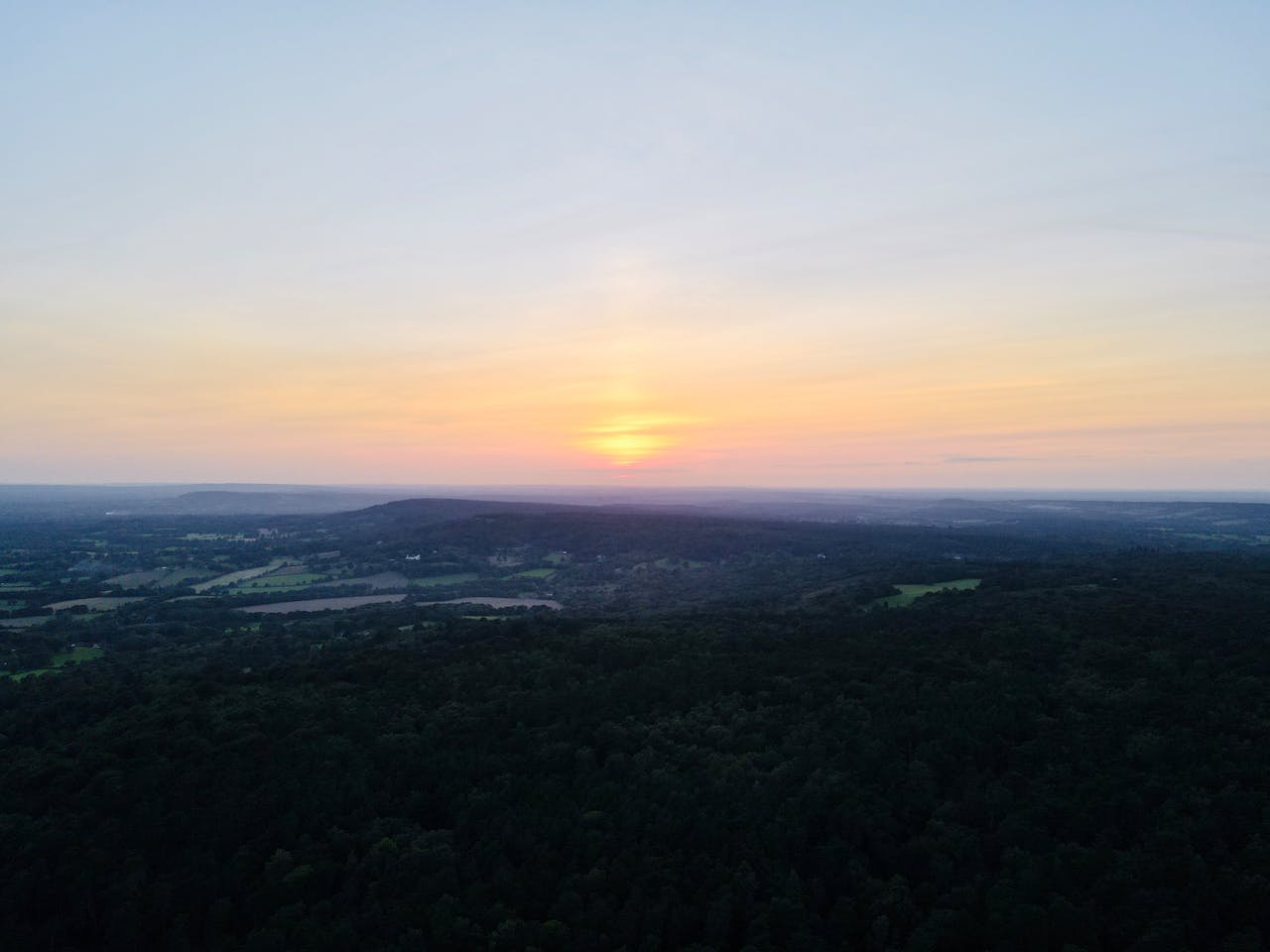
I’ve walked the White Cliffs twice – once on a grey February day when I had the path almost to myself, and once on a bright July afternoon when families and hikers crowded the trail. Both times, standing on the clifftop looking out over the English Channel toward France, I understood why this particular stretch of coastline has meant so much to so many people. There’s something about those white chalk faces catching the light, the grass rippling in the wind, and the knowledge that you’re standing on the edge of England that makes the walk feel significant. It’s not a challenging hike, and it’s not remote, but it delivers something that more dramatic landscapes don’t always manage – a genuine sense of place.
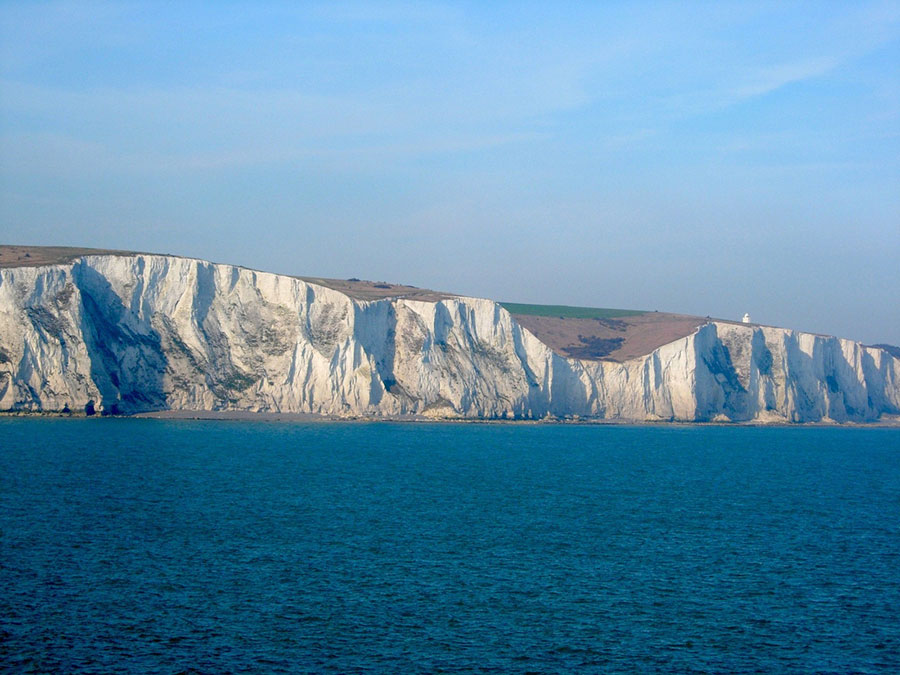
The White Cliffs rise up to 110 metres from the English Channel, their chalk face visible from France on clear days. An hour from London by high-speed train, they make an easy and worthwhile day trip from the capital.
Visiting Information
National Trust Visitor Centre
Upper Road, St Margaret’s at Cliffe, Dover CT15 6HP
Parking: Pay and display (free for National Trust members). Pay at the meter or via the RingGo app. The overflow car park opens on busy weekends in summer and is closer to the lighthouse if you want to skip the longer walk in.
Entry: Free to walk the cliffs. Tickets required for:
- South Foreland Lighthouse tower climb
- Fan Bay Deep Shelter tour
Open: Cliff paths daily, year-round. Visitor Centre and café operate on seasonal hours — typically daily April to October and weekend-only through most of winter. Always check the National Trust White Cliffs page for the current week before you travel.
Tickets and booking
Walking the cliffs and clifftop paths is free for everyone — no tickets needed. Two attractions inside the property need separate tickets, both bookable through the National Trust website:
- South Foreland Lighthouse — interior visits and the tower climb are seasonal (typically March to October) and need to be booked in advance. Children under five are usually free and family tickets reduce the per-person cost. Tour windows are short and sell out on summer weekends.
- Fan Bay Deep Shelter — a 60-minute guided underground tour. Limited group sizes and must be pre-booked. Not suitable for very young children, anyone with claustrophobia, or limited mobility (around 125 steps down a narrow staircase, with hard hats and torches provided). Tours regularly sell out a fortnight ahead in peak summer.
Prices change year on year. Check the National Trust page for current pricing before you travel — and book Fan Bay specifically as early as you can if you are travelling at weekends or during school holidays.
Getting There
By train: Dover Priory is the nearest station – 1 hour from London St Pancras on high-speed services. From the station, it’s a 40-minute walk to the cliffs or a short taxi ride.
By car: A2 from London/Canterbury or A20 from Ashford. Follow brown signs to the National Trust Visitor Centre.
By ferry: Dover is a major ferry port with frequent crossings to Calais. The cliffs are a short drive from the ferry terminal.
Walks
Visitor Centre to South Foreland Lighthouse
Distance: 2 miles one way | Time: 55 minutes
The main clifftop walk with spectacular views. Pass Fan Bay Deep Shelter (WWII tunnels), then continue to the Victorian lighthouse. Tea room at the lighthouse.
Shorter Option
Park at the overflow car park (open on busy days) for a 15-minute walk to the lighthouse.
Saxon Shore Way
Long-distance path runs along the clifftops. Can walk sections towards St Margaret’s Bay or towards Dover.
What to See
The Cliffs
The white chalk formed 70-100 million years ago from the shells of tiny marine organisms. Dark bands of flint run horizontally through the chalk. Erosion keeps the cliff face bright white.
On clear days, you can see the French coast across the 32km strait.
South Foreland Lighthouse
Victorian lighthouse that guided ships through the strait from 1843 to 1988. Climb the narrow stairs to the top for panoramic views across to France. This is also where Marconi conducted his first international radio transmission in 1898. The tea room in the grounds does a good scone, and the garden is a pleasant spot to rest after the walk.
Fan Bay Deep Shelter
This is the best-kept secret of the area. A network of WWII tunnels dug into the cliff to house soldiers manning the gun battery above. The tunnels were sealed after the war and forgotten until 2014, when volunteers cleared them out. Guided tours take you underground to see this preserved time capsule – canteen, ammunition stores, and graffiti left by bored soldiers. Book ahead, especially in summer; tours sell out.
Dover Castle
Just along the coast, Dover Castle is one of England’s most significant fortresses. The site has been used since the Iron Age. Highlights include:
- WWII tunnels (Operation Dynamo – Dunkirk evacuation headquarters)
- Roman lighthouse (one of the best-preserved in Europe)
- Medieval Great Tower
- Wartime hospital tunnels
Separate English Heritage site – entry fee applies.
When to visit
Each season is a different walk. I have done the cliffs in February and July and they are completely different experiences.
Spring (April-May) is the best time on balance. The chalk grassland is in flower with cowslips, early purple orchids, and the rare burnt orchid. Migrating birds pass through. Visitor numbers are still moderate. Weather is usually settled but layers are essential — the cliff exposure means it always feels cooler than the inland temperature suggests.
Summer (June-August) is when the butterflies are out — Adonis blue, chalkhill blue, marbled white, and the occasional clouded yellow if there has been a continental influx. The downside is crowds, particularly on weekends and during school holidays. The main car park fills by 10am on bright Saturdays. Book Fan Bay Deep Shelter tickets at least a fortnight ahead.
Autumn (September-October) gives quieter paths, lower light that flatters photographs, and migrating birds returning south. By October the clifftop wind has real teeth.
Winter (November-February) is wonderful if you want the cliffs almost to yourself, but several attractions are closed or on reduced hours. The Visitor Centre café operates on weekend-only hours through most of winter. You will need proper walking gear; the wind chill makes the cliffs feel below freezing even at 5°C ambient.
Wildlife
The chalk grassland above the cliffs supports:
- Chalkhill blue and Adonis blue butterflies (June-August)
- Marbled white and small blue butterflies
- Rare orchids — early purple, pyramidal, common spotted, and the elusive burnt orchid
- Cowslips and salad burnet in the grassland
- Kittiwakes, fulmars, peregrine falcons, and the occasional gannet offshore
- Common dolphins and harbour porpoises offshore in summer, visible from the clifftop on calm days
Where to eat and drink
The Visitor Centre café at the start of the walk does decent coffee, sandwiches, soup, and cake. Reliable but unremarkable.
The South Foreland Lighthouse tea room is the better stop — fresh scones, proper tea, and a garden looking back across the chalk grassland to the cliff edge. Worth timing your walk to land there mid-morning or mid-afternoon.
Down in St Margaret’s Bay, the Coastguard pub sits right at the bottom of the cliff with sea views, a small terrace, and a menu that leans toward fresh seafood. Walk down the cliff path to reach it — but remember it is a steep climb back up.
In Dover town five miles west, The White Horse on St James Street is the oldest pub in town and is where Channel swimmers traditionally celebrate finishing the crossing. Good for an evening meal after a day on the cliffs.
Where to stay
The cliffs are an easy day trip from London, but if you want to combine them with Dover Castle, Deal, or a Channel ferry crossing, an overnight makes sense.
St Margaret’s at Cliffe (the nearest village to the cliffs) has a handful of pubs with rooms and a few small B&Bs. The Coastguard has guest rooms above the bar — atmospheric but limited in number.
Dover town itself is the most practical base. A Premier Inn near the ferry port is the best-value option for couples or families needing parking. The Dover Marina Hotel is the older mid-range choice on the seafront.
Deal, eight miles north, has more character if you want a coastal-town feel — Georgian houses, a working pier, more independent restaurants. Folkestone, twelve miles west, is the more interesting town for a longer stay and has rail connections both to London and to France via the Eurotunnel terminal at Cheriton.
Tips
- Weather: Clifftops are exposed – bring layers and a windproof jacket
- Best time: Spring/summer for butterflies and wildflowers, any season for views
- Footwear: Good walking shoes for clifftop paths
- Photography: Best light in morning; afternoon sun can wash out the white cliffs
- No BBQs or drones: Protect the chalk grassland
Nearby
St Margaret’s Bay: Village with beach and pub, accessible from the cliff walk.
Deal: Characterful coastal town 8 miles away with pier, castle, and seafront pubs.
Sandwich: Medieval town with old streets and good pubs. Boat trips to see grey seals.
The White Cliffs work best as part of a day out rather than as a destination in themselves. Walk the clifftops, have lunch in St Margaret’s Bay or at the lighthouse tea room, visit the WWII tunnels, and if you have time, see Dover Castle. Or catch the ferry to Calais for lunch – you can see France from here, after all.
Frequently Asked Questions
How do I get to the White Cliffs of Dover from London?
Take the high-speed train from London St Pancras to Dover Priory (1 hour). From the station, it’s a 40-minute walk to the cliffs or a short taxi ride. By car, take the A2 from London/Canterbury or A20 from Ashford, following brown signs to the National Trust Visitor Centre.
Is it free to visit the White Cliffs of Dover?
Yes, it’s free to walk the cliffs. Parking is pay and display (free for National Trust members). Tickets are required for the South Foreland Lighthouse tower climb and Fan Bay Deep Shelter tour, which can be booked separately.
How long is the walk along the White Cliffs?
The main clifftop walk from the Visitor Centre to South Foreland Lighthouse is 2 miles one way and takes about 55 minutes. There’s also a shorter option from the overflow car park to the lighthouse (15 minutes). The Saxon Shore Way long-distance path runs along the clifftops for extended walks.
Can you see France from the White Cliffs of Dover?
Yes, on clear days you can see the French coast across the 32km strait. The white chalk cliffs are visible from France as well, making this one of the most iconic views of the English Channel.
What is the Fan Bay Deep Shelter?
Fan Bay Deep Shelter is a network of WWII tunnels dug into the cliff to house soldiers manning the gun battery above. The tunnels were sealed after the war and forgotten until 2014. Guided tours show the preserved canteen, ammunition stores, and soldiers’ graffiti. Book ahead as tours sell out, especially in summer.
What should I bring when visiting the White Cliffs?
Bring layers and a windproof jacket as the clifftops are very exposed. Wear good walking shoes for the clifftop paths. The best light for photography is in the morning; afternoon sun can wash out the white cliffs. No BBQs or drones are allowed to protect the chalk grassland.