Things to Do in Auckland: New Zealand Guide
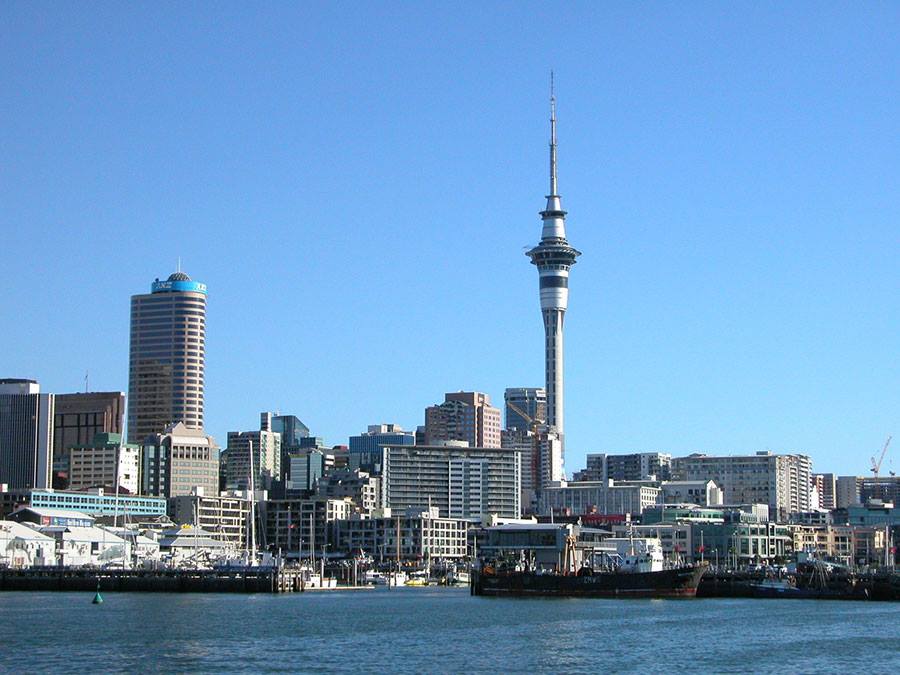
Auckland gets overlooked. Most visitors to New Zealand treat it as an airport stopover on the way to Queenstown or Rotorua, and that is a mistake – there are plenty of things to do in Auckland that warrant more than a night. I spent four days here at the start of a three-week trip and found a city built across an isthmus between two harbours, dotted with volcanic cones, and surrounded by islands reachable by ferry. The setting alone makes it worth more than a night.
The city calls itself the “City of Sails,” and you understand why when you see the harbours crammed with yachts. It also sits on 48 volcanoes, which sounds alarming until you realise most are now parks offering the best views in the city. Add a food scene driven by Pacific Rim fusion, strong Maori culture, and easy access to beaches and wine regions, and Auckland deserves proper time.
The City Centre
Auckland’s CBD is compact and walkable, though the waterfront and surrounding neighbourhoods are where the city shows its best side.
Viaduct Harbour and Wynyard Quarter
The redeveloped waterfront is Auckland’s showcase – restaurants, bars, and apartments overlooking superyachts and fishing boats. The Viaduct Harbour was built for the America’s Cup and has evolved into a pleasant harbourside precinct. Wynyard Quarter extends the development with more restaurants, a fish market, and public spaces.
The area is polished and a bit corporate, but the setting works. Sunset drinks on a harbourside terrace watching the boats come in is a good way to spend an evening.
Sky Tower
The 328-metre tower dominates Auckland’s skyline and offers the obvious views – across both harbours, out to the islands, and down to the surrounding volcanoes. The observation decks (NZ$37 / £18) are fine; the SkyWalk (walking around the outside on a narrow ledge, NZ$175 / £86) and SkyJump (controlled descent from 192 metres, NZ$275 / £135) are for the genuinely adventurous.
The tower is useful for orientation when you arrive, but the volcanic cones offer better views for free.
Ponsonby
The suburb just west of the city centre has Auckland’s best concentration of restaurants, cafes, and bars. Ponsonby Road runs through the heart of it – a kilometre or so of brunch spots, independent boutiques, wine bars, and good coffee. This is where Aucklanders actually go out, and it feels more lived-in than the waterfront.
Karangahape Road (K Road)
Grittier and more alternative than Ponsonby, K Road has vintage shops, dive bars, late-night eateries, and a more diverse crowd. Once the red-light district, it has retained an edge while gentrifying. Good for a night out if you want something less polished.
The Volcanoes
Auckland’s volcanic field includes 48 cones, most now extinct and many converted to parks. The Maori settled and fortified several of them, and the earthworks (terracing, storage pits, defensive ditches) are still visible.
Mount Eden (Maungawhau)
The highest volcanic cone in Auckland at 196 metres, with 360-degree views of the city, harbours, and surrounding volcanoes. The crater is a perfect bowl of green grass. You can drive most of the way up or walk from the suburb below (20-30 minutes). Early morning is best – quieter and often better light.
The summit is sacred to Maori, and visitors are asked to stay on the paths.
One Tree Hill (Maungakiekie)
Set within Cornwall Park, One Tree Hill is one of the largest pre-European Maori settlements in New Zealand. The terracing from pa (fortified village) construction covers the entire cone. The summit has an obelisk memorial to the Maori people and the grave of Sir John Logan Campbell, who donated the land.
The surrounding park is beautiful – farmland, gardens, and walking paths. Spring brings cherry blossoms.
Mount Victoria and North Head
Across the harbour in Devonport, these two cones offer views back to the city and out to Rangitoto Island. North Head is honeycombed with military tunnels from the 19th century, when Auckland feared Russian invasion. You can explore the tunnels with a torch.
The ferry to Devonport (NZ$14 / £7 return, 12 minutes) is worth taking for the journey alone.
The Islands
Auckland’s location between two harbours means island escapes are close and easy.
Waiheke Island
The most popular island, 40 minutes by ferry from downtown. Waiheke has vineyards, olive groves, beaches, and a community of artists and weekenders. The combination of good wine, good food, and good beaches within easy reach of the city is hard to beat.
The eastern end has the best beaches (Oneroa, Palm Beach, Onetangi). The vineyards cluster in the middle of the island. You can explore by foot, rental car, or hop-on-hop-off bus. A wine tasting at Mudbrick or Cable Bay with views across the Hauraki Gulf is a classic Auckland day out.
Ferry: NZ$46 (£23) return, 40 minutes from downtown ferry terminal.
Rangitoto Island
The youngest volcano in Auckland, Rangitoto erupted just 600 years ago and remains largely barren – black lava fields with hardy pohutukawa trees. The summit walk (about an hour each way) offers the best views in the region, looking back across the city and the Hauraki Gulf.
No permanent residents live on Rangitoto, and the island is pest-free, making it a sanctuary for native birds. Bring water and snacks – there are no facilities.
Ferry: NZ$40 (£20) return, 25 minutes.
Tiritiri Matangi
A predator-free island sanctuary 75 minutes by ferry, home to some of New Zealand’s rarest birds. This is where you can see species like the takahe, kokako, and saddleback that have been wiped out on the mainland. Walking trails cross the island, and the birdsong is extraordinary.
Guided tours are available; booking ahead is recommended. There is no food on the island – bring a picnic.
Ferry: NZ$89 (£44) return including landing fee.
Food and Drink
Auckland’s food scene reflects its Pacific location and diverse population – Asian, Pacific Island, and European influences mixed with excellent local produce.
What to Eat
Pacific Rim cuisine – The fusion of Asian techniques with New Zealand ingredients defines Auckland’s better restaurants. Expect fresh seafood, New Zealand lamb, and flavours borrowed from Thailand, Japan, and the Pacific Islands.
Fish and chips – The Kiwi version uses fresh fish (often snapper or tarakihi) and is best from the takeaway shops rather than restaurants.
Hangi – Traditional Maori cooking, where meat and vegetables are slow-cooked in an earth oven. Not common in restaurants but available at cultural experiences.
Asian food – Auckland has strong Chinese, Korean, Vietnamese, and Thai communities. The suburbs of Dominion Road (Chinese) and Northcote (Korean) are worth exploring for authentic food.
Brunch – Aucklanders take brunch seriously. Ponsonby and the inner suburbs are full of cafes serving elaborate weekend breakfast menus.
Budget NZ$20-30 (£10-15) for a good cafe meal, NZ$50-80 (£25-40) for dinner at a mid-range restaurant.
Coffee
New Zealand has a strong coffee culture, and Auckland takes it seriously. Flat whites are the standard order; long blacks and espresso are common. Most cafes roast their own or source from local roasters. Chains are rare in the better suburbs.
Wine
New Zealand wine is excellent, and several wine regions are within day-trip distance. Waiheke Island has boutique vineyards (Syrah and Chardonnay are the specialties). Matakana, an hour north, has more wineries and a weekend farmers’ market.
Day Trips
Waitomo Glowworm Caves
Three hours south of Auckland, the Waitomo caves are famous for glowworms – thousands of tiny larvae that light up the cave ceilings like a starry sky. Boat tours drift through the main cave in darkness, surrounded by blue-green light.
Various tours available: basic cave tours (NZ$57 / £28), black water rafting through caves (NZ$165 / £81), and abseiling adventures.
Hobbiton
For Lord of the Rings fans, the Hobbiton movie set near Matamata (two hours south) offers tours of the Shire. The set was rebuilt for The Hobbit films and maintained as a tourist attraction. Tours include a drink at the Green Dragon Inn.
Tours: NZ$89-199 (£44-98) depending on options.
Rotorua
Three hours south, Rotorua is the centre of Maori culture and geothermal activity. Geysers, mud pools, hot springs, and cultural performances. Worth an overnight trip rather than a rushed day trip from Auckland.
Practical Information
Getting There
Auckland Airport (AKL) is the main international gateway to New Zealand. It is 21km south of the city centre.
Airport transport:
- SkyBus: NZ$18 (£9) one way, 45-60 minutes to city centre
- Taxi/Uber: NZ$70-90 (£35-45)
- Rental car: major companies at the airport
Getting Around
Walking – The city centre is walkable. The waterfront, Ponsonby, and inner suburbs are within 30-40 minutes on foot.
Ferries – Essential for island trips, also useful for Devonport and the North Shore. Services depart from the downtown ferry terminal.
Buses – The AT HOP card (rechargeable transport card) works on buses and ferries. Buy one at convenience stores or the airport.
Driving – Useful for day trips and the wider Auckland region. Traffic can be heavy during commute times.
When to Visit
December to February (Summer) – The best weather for beaches and outdoor activities. Peak tourist season; book accommodation ahead. Average highs 23-25°C.
March to May (Autumn) – Warm and less crowded. Good for wine regions and outdoor walks. Average highs 18-22°C.
June to August (Winter) – Cooler and wetter, but still mild by northern hemisphere standards. Average highs 13-15°C. Quieter attractions and lower prices.
September to November (Spring) – Variable weather but warming up. Cherry blossoms in the parks.
Costs
New Zealand is not cheap, and Auckland is the most expensive city in the country.
- Hostel dorm: NZ$35-50 (£17-25) per night
- Budget hotel: NZ$120-180 (£60-90) per night
- Mid-range hotel: NZ$200-350 (£100-175) per night
- Cafe breakfast: NZ$20-30 (£10-15)
- Restaurant dinner: NZ$50-80 (£25-40)
- Pint of beer: NZ$10-14 (£5-7)
- Waiheke ferry return: NZ$46 (£23)
Power
New Zealand uses Type I plugs (three flat pins in a triangle, same as Australia). Voltage is 230V. UK visitors need a travel adapter.
Frequently Asked Questions
Do I need a visa to visit Auckland, New Zealand?
Visa requirements depend on your nationality. UK, US, EU, and Australian citizens can visit New Zealand visa-free for up to 6 months (UK) or 3 months (US/EU). However, you must obtain an NZeTA (New Zealand Electronic Travel Authority) before arrival, which costs NZ$17-23 plus the NZ$100 International Visitor Levy (total NZ$117-123). Apply at least 72 hours before departure.
What is the best time to visit Auckland?
The best time to visit Auckland is during summer (December-February) for the warmest weather (23-25°C), ideal for beaches and outdoor activities, though it’s peak tourist season. Autumn (March-May) offers warm weather with fewer crowds. Spring (September-November) brings variable weather but cherry blossoms in parks. Winter (June-August) is mild (13-15°C) with quieter attractions and lower prices.
What currency does New Zealand use and how expensive is Auckland?
New Zealand uses the New Zealand Dollar (NZ$). Auckland is the most expensive city in the country. Expect to pay NZ$35-50 (£17-25) for hostel dorms, NZ$120-180 (£60-90) for budget hotels, NZ$20-30 (£10-15) for cafe breakfast, NZ$50-80 (£25-40) for restaurant dinner, and NZ$10-14 (£5-7) for a pint of beer.
What type of power plugs does Auckland use?
Auckland uses Type I plugs with three flat pins in a triangle, the same as Australia. The voltage is 230V. UK visitors will need a travel adapter to charge their devices.
How do I get from Auckland Airport to the city centre?
Auckland Airport is 21km south of the city centre. The SkyBus costs NZ$18 (£9) one way and takes 45-60 minutes. Taxis and Uber cost NZ$70-90 (£35-45). Rental cars from major companies are available at the airport if you plan to explore beyond the city.
What are the must-see attractions in Auckland?
Must-see attractions include climbing volcanic cones like Mount Eden and One Tree Hill for panoramic views, taking the ferry to Waiheke Island for wine tasting and beaches, visiting Rangitoto Island for volcanic landscapes, exploring the Viaduct Harbour waterfront, and wandering Ponsonby Road for restaurants and cafes. Don’t miss the ferry to Devonport to explore North Head’s military tunnels.