Cancun Mexico Holidays: Beaches & Resorts
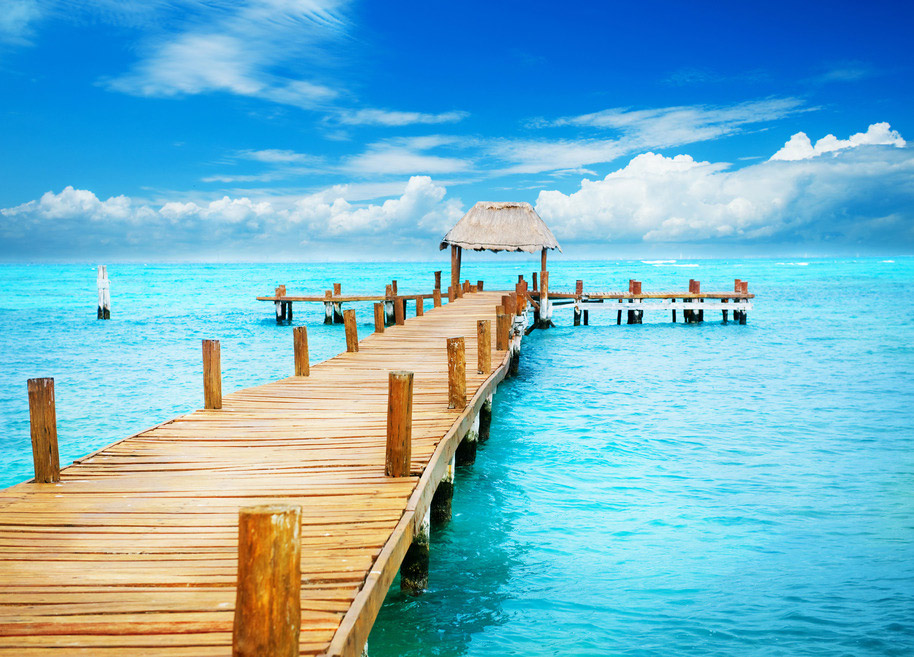
Cancun Mexico holidays often get dismissed as generic beach breaks, but I arrived expecting resorts and tourists and found those – plus ancient pyramids in the jungle, cenotes where you swim through crystal-clear water in underground caves, and some of the best tacos I have eaten anywhere. My week split between the Hotel Zone beaches and day trips to Tulum and Chichen Itza convinced me there is more to this region than package holidays suggest.
Cancun sits on the Yucatan Peninsula’s Caribbean coast – turquoise water, white sand beaches, and easy access to Mayan ruins. It’s Mexico’s most visited tourist destination, built specifically for tourism in the 1970s.
The area divides into two parts: the Hotel Zone (Zona Hotelera), a 23km strip of beachfront resorts on a narrow barrier island, and Downtown Cancun (El Centro), where locals live and prices are lower.
Beaches
All beaches in Mexico are public by law, though resort access may be restricted.
Playa Delfines – The most popular public beach with no resorts blocking access. Good waves, large Cancun sign for photos, free parking. Gets busy on weekends.
Playa Tortugas – Calmer water, good for swimming. Ferry departure point for Isla Mujeres. More facilities and food vendors.
Playa Forum – In front of the nightclub zone. Lively atmosphere, water sports, young crowd.
Playa Chac Mool – Strong waves, popular with locals. Less crowded than the main tourist beaches.
The east-facing beaches (Caribbean side) have rougher water and stronger currents. The north-facing beaches near the top of the Hotel Zone are calmer.
Day Trips
Mayan Ruins
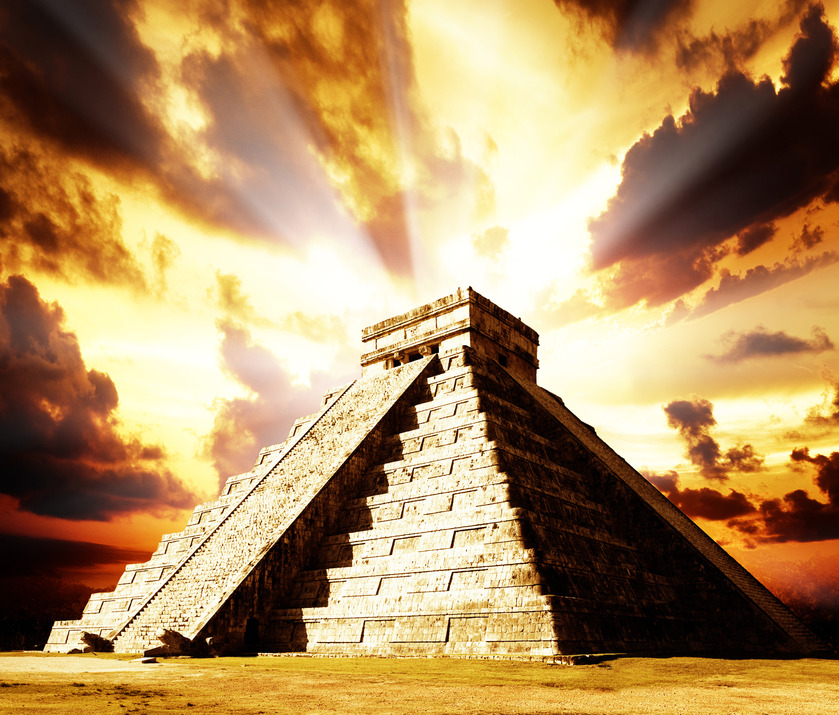
Chichen Itza – The famous pyramid, about 2.5 hours from Cancun. One of the New Seven Wonders of the World. Go early to beat the crowds and heat. Entry 671 MXN for foreigners (combined federal and state fees).
Tulum – Clifftop ruins overlooking the Caribbean, about 2 hours south. Smaller than Chichen Itza but the setting is stunning. Can combine with beach time below the ruins.
Coba – Less restored, more jungle atmosphere. You can climb the main pyramid (unlike Chichen Itza). Rent a bike to explore the spread-out site.
Islands
Isla Mujeres – 20 minutes by ferry from Cancun. More relaxed than the Hotel Zone with good beaches, snorkelling, and golf cart rentals to explore. Worth a full day or overnight.
Cozumel – Larger island, about 45 minutes by ferry from Playa del Carmen. Better diving and snorkelling. More developed than Isla Mujeres.
Eco Parks
Xcaret – Large eco-archaeological park with underground rivers, snorkelling, wildlife, and evening shows. Full-day experience, expensive but well-run. Book online for discounts.
Xel-Ha – All-inclusive snorkelling park in a natural inlet. Good for families. Less cultural content than Xcaret.
Cenotes – Natural sinkholes with crystal-clear water for swimming. Hundreds exist throughout the region. Popular ones near Cancun include Gran Cenote, Cenote Ik Kil, and Cenote Dos Ojos.
Where to Stay
Hotel Zone – Beachfront resorts, most all-inclusive. Convenient for beaches but isolated from real Mexico. Prices vary from budget chains to luxury resorts.
Downtown Cancun – Cheaper hotels and hostels, local restaurants, more authentic atmosphere. 20-30 minutes to beaches by bus (12 MXN).
Playa del Carmen – 45 minutes south. Pedestrianised 5th Avenue, more walkable than Cancun Hotel Zone. Good base for Cozumel and Tulum.
Tulum – 2 hours south. Beach cabanas and boutique hotels. More expensive, boho-chic vibe. Limited nightlife.
Getting Around
Buses – R1 and R2 routes run the length of the Hotel Zone into downtown. Cheap (12-15 MXN) and frequent during the day.
Taxis – Fixed rates within zones. Agree on price before getting in. Hotel Zone to downtown around 200-300 MXN.
Rental cars – Useful for exploring the Riviera Maya independently. International companies at the airport. Driving is straightforward on the main highway.
ADO buses – Long-distance bus company connecting Cancun to Playa del Carmen, Tulum, Valladolid, and beyond. Comfortable and affordable.
Food and Drink
In the Hotel Zone – Resort restaurants, international chains, and tourist-priced Mexican food. Quality varies.
In Downtown – Better value and more authentic. Tacos, tortas, and regional Yucatecan dishes. Markets like Mercado 28 have food stalls.
Yucatecan specialties:
- Cochinita pibil – Slow-roasted pork in achiote
- Panuchos – Fried tortillas stuffed with beans, topped with meat
- Sopa de lima – Lime soup with chicken
- Papadzules – Tortillas in pumpkin seed sauce
Drinks – Local beers (Sol, Modelo, Pacifico), mezcal, and fresh fruit juices. Tap water is not safe to drink.
Nightlife
Coco Bongo – The most famous club, known for acrobatic shows mixed with dancing. Cover charge includes open bar.
The City – Large nightclub with multiple floors and areas.
Forum by the Sea – Open-air mall with several clubs and bars clustered together.
The Hotel Zone party scene is tourist-focused with drink specials and promoters. Downtown has mellower bars.
Practical Information
Best time to visit: December to April (dry season). Hurricane season runs June to November – September and October are riskiest.
Currency: Mexican Peso (MXN). US dollars widely accepted in tourist areas but you’ll get better rates paying in pesos.
Language: Spanish. English common in tourist areas.
Safety: The Hotel Zone is heavily policed and safe. Downtown is generally fine but use normal precautions. Avoid buying drugs – penalties are severe and quality is dangerous.
Entry requirements: Most nationalities don’t need a visa for tourist stays up to 180 days. You’ll get a tourist card (FMM) on arrival.
Costs
Cancun ranges from budget to luxury depending on choices.
Budget (hostels, local food, buses): £40-60/day
Mid-range (decent hotels, mix of local and tourist restaurants): £80-150/day
All-inclusive resorts: £150-400+/day depending on quality
Sample prices:
- Street tacos: 20-40 MXN each
- Restaurant meal in Hotel Zone: 200-500 MXN
- Beer at a bar: 50-100 MXN
- Chichen Itza day trip: 1,500-2,500 MXN
- Xcaret park: 2,500-4,000 MXN
Frequently Asked Questions
Do I need a visa to visit Cancun?
Most nationalities don’t need a visa for tourist stays up to 180 days in Mexico. US, Canadian, UK, EU, and Australian citizens receive a tourist card (FMM) upon arrival. Keep this card safe as you’ll need to return it when leaving. Always check current entry requirements for your specific nationality before traveling.
When is the best time to visit Cancun?
December to April is the dry season with the best weather – warm, sunny days and little rain. This is peak tourist season with higher prices. May to November is hurricane season, with September and October being the riskiest months. June to August can be hot and humid but less crowded than winter.
What currency does Cancun use?
Mexico uses the Mexican Peso (MXN). US dollars are widely accepted in the Hotel Zone and tourist areas, but you’ll get better value paying in pesos. ATMs are plentiful. Credit cards work in hotels, restaurants, and larger shops. Exchange money at banks or ATMs rather than airport exchange booths for better rates.
What type of power plugs are used in Cancun?
Mexico uses Type A and Type B plugs (same as the United States) with 127V electrical supply. US and Canadian visitors don’t need adapters. Visitors from Europe, UK, Australia, and other countries will need a plug adapter. Most modern electronics handle the voltage difference, but check your devices.
How much does a Cancun vacation cost?
Budget travelers (hostels, local food, buses) can manage on 800-1,200 MXN (40-60 GBP) per day. Mid-range trips with decent hotels and mixed dining cost 1,600-3,000 MXN (80-150 GBP) daily. All-inclusive resorts range from 3,000-8,000+ MXN (150-400+ GBP) per day depending on quality and season.
Is Cancun safe for tourists?
The Hotel Zone and tourist areas are heavily policed and generally safe. Stick to well-traveled areas, use authorized taxis or ride-sharing apps, and don’t display expensive items. Avoid buying drugs – penalties are severe. The Hotel Zone is safer than some parts of downtown. Use the same precautions you would in any tourist destination.