Nepal Travel Guide
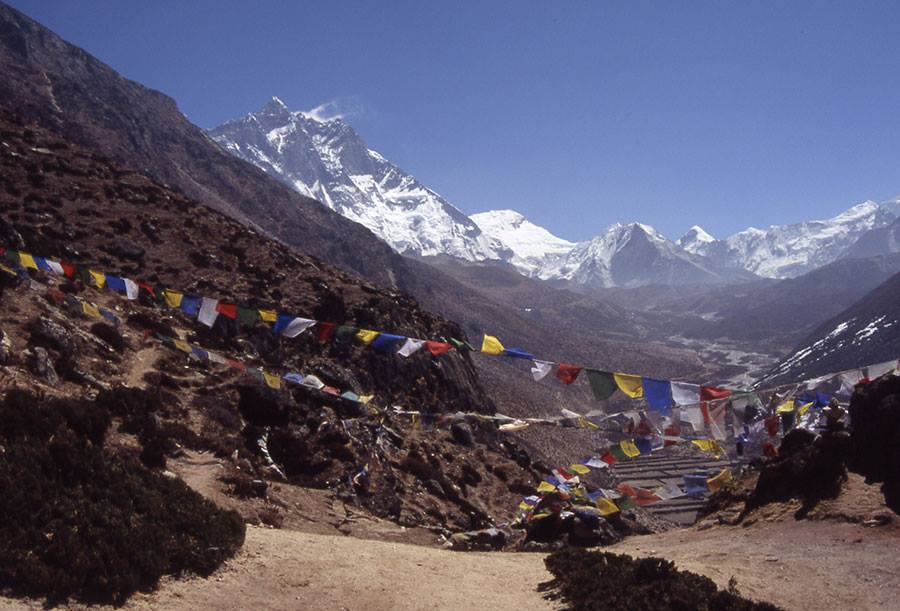
I arrived in Kathmandu expecting mountains and found chaos first – traffic without rules, temple bells competing with car horns, and dust coating everything. Within forty-eight hours I understood that this chaos is part of the appeal. Boudhanath Stupa at sunset, with monks circumambulating and prayer flags fluttering, was one of the most peaceful moments of my travels. The Annapurna Base Camp trek that followed was physically harder than I expected but rewarding in ways that photographs cannot capture. Dal bhat twice a day became genuinely comforting. Nepal demands more effort than a beach holiday but gives back more too.
Nepal is where the Himalayas meet South Asian culture. It’s home to eight of the world’s fourteen highest peaks, including Everest, but it’s also ancient temples, Buddhist monasteries, jungle wildlife, and some of the most welcoming people you’ll meet anywhere.
Most visitors come for trekking, but Nepal rewards a broader itinerary. A week combining Kathmandu’s temples, Pokhara’s lakeside relaxation, and a shorter trek gives a good introduction.
Kathmandu
The capital is chaotic, dusty, and fascinating. Two to three days covers the highlights.
Durbar Square was the heart of old Kathmandu – palaces and temples from the 12th to 18th centuries. The 2015 earthquake damaged many structures, and reconstruction continues. Worth visiting with a guide who can explain the history.
Boudhanath Stupa is one of the largest Buddhist stupas in the world. The painted eyes of Buddha gaze from all four sides. At sunset, Tibetan pilgrims circle the stupa clockwise, spinning prayer wheels. The rooftop cafes around the square offer excellent views.
Swayambhunath (Monkey Temple) sits on a hilltop west of the city. The climb up hundreds of steps offers views over Kathmandu Valley. Watch your belongings around the monkeys.
Pashupatinath is Nepal’s holiest Hindu temple, on the banks of the Bagmati River. Non-Hindus can’t enter the main temple, but you can watch cremation ceremonies from across the river – a powerful, if confronting, experience.
The Garden of Dreams offers a quiet escape from Kathmandu’s chaos – a restored neo-classical garden in the tourist district.
Pokhara
Three to four hours by bus or 25 minutes by flight from Kathmandu, Pokhara is Nepal’s second city and the gateway to the Annapurna region.
The lakeside area along Phewa Lake is tourist-oriented – restaurants, shops, and hotels with mountain views on clear days. It’s more relaxed than Kathmandu and a good place to recover after trekking.
Activities: Paragliding is popular (tandem flights for beginners). Boating on Phewa Lake. Day hikes to viewpoints like Sarangkot for sunrise over the Annapurnas.
World Peace Pagoda across the lake offers panoramic views of the mountains and city.
Trekking
Nepal has some of the world’s best trekking. Options range from short day hikes to month-long expeditions.
Everest Base Camp
The classic trek to the foot of the world’s highest peak. Typically 12-14 days return from Lukla (reached by scenic mountain flight from Kathmandu).
You don’t need mountaineering skills, but good fitness and proper acclimatisation are essential. Altitude sickness is a real risk – the trek reaches 5,364m.
Tea houses along the route provide accommodation and meals. Guides and porters are optional but recommended.
Annapurna Circuit
A classic that circles the Annapurna massif. Takes 15-20 days for the full circuit, or shorter if starting/ending at different points. The Thorong La pass at 5,416m is the high point.
The route has become more accessible with road construction, but remains spectacular.
Annapurna Base Camp
Shorter than the circuit – about 7-10 days. Good mountain views without the highest altitudes.
Shorter Options
Poon Hill from Pokhara is 4-5 days and offers sunrise views of Dhaulagiri and the Annapurnas.
Langtang Valley north of Kathmandu is less crowded than Annapurna or Everest regions. 7-10 days.
Trekking Permits
Most treks require permits (TIMS card and national park fees). Agencies can arrange these, or get them in Kathmandu or Pokhara. Costs vary by region – around $30-50 total for most routes.
Chitwan National Park
Nepal’s most accessible wildlife reserve, in the southern lowlands (Terai). Different scenery from the mountains – jungle, grasslands, and rivers.
Wildlife: One-horned rhinoceros are common. Bengal tigers exist but are rarely seen. Elephants, crocodiles, monkeys, and excellent birdwatching.
Activities: Jeep safaris, canoe trips, guided jungle walks, elephant breeding centre visits. Stay two nights to fit in morning and afternoon activities.
Getting there: 5-6 hours by bus from Kathmandu or Pokhara. Domestic flights to Bharatpur.
Practical Information
Visas
Most nationalities need a visa. Available on arrival at Kathmandu airport or land borders:
- 15 days: $30
- 30 days: $50
- 90 days: $125
Bring passport photos and cash (USD preferred). Online application available to speed up the process.
Money
The Nepalese Rupee (NPR) is the currency. ATMs are common in cities but scarce in trekking areas – bring enough cash.
Costs:
- Budget (guesthouses, local food): £15-25/day
- Mid-range (hotels, restaurants): £40-70/day
- Trekking costs vary by route and style
Health
Altitude sickness is the main concern for trekkers. Ascend gradually, stay hydrated, and know the symptoms. Diamox helps some people.
Water: Don’t drink tap water. Bottled water or purification tablets. Many lodges sell boiled or filtered water to reduce plastic waste.
Food: Stick to hot, freshly cooked food in remote areas. Dal bhat (lentils and rice) is the staple – nutritious and usually safe.
Travel insurance with helicopter evacuation cover is essential for trekking.
When to Go
October-November: Best trekking season. Clear skies, moderate temperatures, post-monsoon.
March-May: Second best season. Warmer, rhododendrons blooming, hazier skies.
December-February: Cold at altitude, but clear and uncrowded. Lower elevations fine.
June-September: Monsoon. Heavy rain, leeches, landslides. Not ideal for trekking but Chitwan and lower areas still accessible.
Getting Around
Flights: Domestic flights connect major destinations. Mountain flights are scenic but subject to weather delays. Book flexible itineraries.
Buses: Tourist buses run between Kathmandu, Pokhara, and Chitwan. Local buses are cheap but slow and crowded.
Taxis: Common in cities. Negotiate fares in advance.
Food
Dal bhat is the national dish – rice, lentil soup, vegetables, and often meat or pickles. Served with unlimited refills. Filling and relatively safe.
Momos are Tibetan dumplings, ubiquitous as street food and in restaurants. Steamed or fried, filled with vegetables, chicken, or buffalo.
Newari cuisine from the Kathmandu Valley includes choila (spiced grilled meat), beaten rice, and various fermented preparations.
Vegetarian food is widely available due to Hindu and Buddhist traditions.
Culture
Nepal is predominantly Hindu with significant Buddhist influence – often blended in ways unique to the region.
Temple etiquette: Remove shoes before entering. Walk clockwise around Buddhist stupas and monuments. Ask before photographing people, especially at religious sites.
Dashain (September-October) is the biggest festival – expect closures and busy transport. Tihar (Festival of Lights) follows shortly after.
The 2015 earthquake damaged many historic sites. Reconstruction continues, and visiting supports the local economy.
Frequently Asked Questions
Do I need a visa to visit Nepal?
Most nationalities need a visa, available on arrival at Kathmandu airport or land borders. Tourist visas cost $30 for 15 days, $50 for 30 days, or $125 for 90 days. Bring passport photos and cash in USD. Online pre-application is available to speed up the process.
When is the best time to visit Nepal?
October to November is the best trekking season with clear skies and moderate temperatures after the monsoon. March to May is the second-best season with warmer weather and blooming rhododendrons. Avoid the monsoon season (June-September) for trekking due to heavy rain and landslides.
What currency does Nepal use?
Nepal uses the Nepalese Rupee (NPR). ATMs are common in cities but scarce in trekking areas, so bring sufficient cash for remote regions. Credit cards are accepted at hotels and larger restaurants but carry cash for smaller establishments.
What are the main health concerns in Nepal?
Altitude sickness is the primary concern for trekkers. Ascend gradually, stay hydrated, and know the symptoms. Don’t drink tap water – use bottled water or purification tablets. Travel insurance with helicopter evacuation cover is essential for trekking.
How much does it cost to travel in Nepal?
Nepal is budget-friendly. Budget travellers can manage on £15-25 per day with guesthouses and local food. Mid-range travel with hotels and restaurants costs £40-70 per day. Trekking costs vary depending on route and style.
Is altitude sickness a serious risk in Nepal?
Yes, altitude sickness is a real concern when trekking above 2,500 metres. Proper acclimatisation is essential – ascend gradually, take rest days, and stay hydrated. Know the symptoms and be prepared to descend if they occur. Diamox medication helps some people.