London Hotels Guide: Best Places to Stay
Finding the right hotel in London is half strategy, half luck. The city sprawls across 32 boroughs, and where you stay dramatically affects what you will experience – and how much you will pay. A Zone 1 hotel puts you minutes from everything but costs three times what you would pay further out. A bargain in Zone 4 sounds good until you factor in an hour on the Tube each way.
After years of hosting visitors and booking rooms across the city, I have learned that the best approach is matching your priorities to the right neighbourhood, then finding the best value within your budget. Here is how to think about it.
The Neighbourhoods: Where to Base Yourself
Central London: The Tourist Triangle
Covent Garden, Soho, and Leicester Square form the beating heart of visitor London. West End theatres, restaurants everywhere, walking distance to most major attractions. This is where first-timers often want to stay, and it is genuinely convenient – you can walk to the British Museum, National Gallery, Buckingham Palace, and Westminster without touching the Tube.
The trade-off is obvious: noise, crowds, and prices. Expect to pay £200-400 per night for a decent hotel room. Budget chains exist but book out quickly. The streets never really quiet down, and rooms are often small by any standard except Manhattan.
Best for: Theatre-goers, first-time visitors, anyone who wants to walk everywhere, people who sleep through anything.
Consider avoiding if: You want value for money, peace and quiet, or room to spread out.
South Bank and Southwark
The south side of the Thames has transformed over the past two decades. The Tate Modern, Borough Market, Shakespeare’s Globe, and the London Eye line the riverfront. Hotels here often offer better value than equivalent rooms across the river, with many mid-range chains having opened modern properties.
The area is walkable to Westminster, the City, and central attractions via numerous bridges. Waterloo and London Bridge stations provide excellent transport links. Borough Market area has genuinely good restaurants beyond the tourist crowds.
Best for: Culture seekers, foodies, anyone wanting views, budget-conscious visitors wanting central access.
Try: Park Plaza Westminster Bridge (good family rooms, views), citizenM Tower of London (compact but cleverly designed), Hilton London Bankside (business-friendly, quiet location).
King’s Cross and St Pancras
Once seedy, now sleek. The regeneration around these stations has created a hotel hub with good rail connections – Eurostar to Paris, direct trains to Cambridge, York, Edinburgh. The Granary Square development has restaurants, bars, and the coal drops yard shopping area.
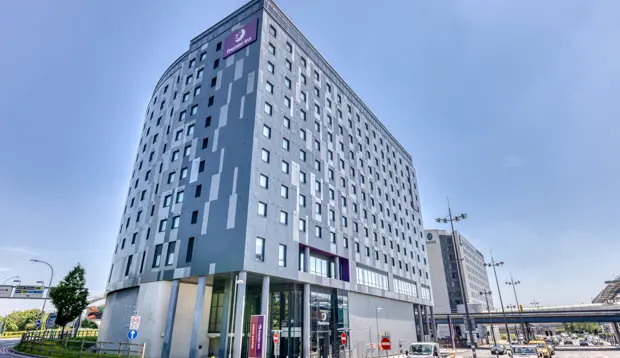
Hotels range from budget Premier Inns to the fancy St. Pancras London, Autograph Collection (formerly the St Pancras Renaissance). Rooms tend to be newer, prices more reasonable than equivalent central locations, and the transport links are excellent. The downside is fewer attractions within walking distance – this is more a base for exploring than a destination itself.
Best for: Eurostar passengers, northern rail travellers, anyone wanting new hotels at slightly better prices.
Try: The Standard (hip, rooftop bar with views), Hub by Premier Inn King’s Cross (compact and affordable), Great Northern Hotel (elegant, attached to the station).
Victoria
The traditional hotel district for coach tours and package holidays. Less charming than other areas but extremely practical – Victoria Station connects to Gatwick Airport, the Victoria line runs quickly to the West End, and numerous bus routes terminate here.
Hotels cluster around the station in Victorian buildings of varying quality. Some are tired; others have been renovated into boutique properties. The Goring, where Kate Middleton stayed before her wedding, proves luxury exists here too.
Best for: Early flights from Gatwick, coach travellers, anyone prioritising transport links over atmosphere.
Kensington and Chelsea
The museum district – V&A, Natural History Museum, and Science Museum are all free and all excellent. This is residential London, quieter and more refined than the tourist centre. Hotels tend toward the upmarket, though good mid-range options exist.
South Kensington station puts you on the Piccadilly line direct to Heathrow. Knightsbridge shopping (Harrods, Harvey Nichols) is walking distance. Hyde Park is right there for morning runs or afternoon strolls.
Best for: Museum enthusiasts, families with children, anyone wanting a more residential feel, shoppers.
Try: The Gore (historic, characterful), Citadines South Kensington (apart-hotel, good for families), The Rembrandt (opposite V&A, traditional).
The City and Shoreditch
London’s financial district empties at weekends, which means excellent hotel deals on Friday and Saturday nights. Rooms that cost £300 on Tuesday drop to £120 on Saturday. The trade-off is limited weekend dining and nightlife in the City itself.
Shoreditch, just north, offers the opposite pattern – buzzing at weekends with bars, clubs, and markets, quieter midweek. Hotels here tend toward the trendy: exposed brick, craft cocktails, record players in rooms. Good value for hipsters; potentially alienating for traditionalists.
Best for: Weekend visitors (City), creatives and nightlife seekers (Shoreditch), anyone wanting deals on luxury hotels.
Try: Ace Hotel Shoreditch (hipster central), South Place Hotel (City, excellent restaurant), The Ned (grand former bank building, multiple restaurants).
Stratford and East London
The Olympic Park legacy includes a cluster of modern hotels at prices significantly below central London. The Westfield Stratford shopping centre is right there, the Elizabeth line connects to central London in 15-20 minutes, and the area genuinely works for families on a budget. For the original and larger Westfield London, look at hotels near Shepherd’s Bush in West London instead.
Not glamorous, not charming, but practical and affordable.
Best for: Budget-conscious families, business travellers to Docklands, anyone wanting new hotels at lower prices.
Try: Staybridge Suites (apartment-style, kitchens), Holiday Inn Stratford (reliable chain), various Premier Inns.
Hotels by Budget
Under £100 Per Night
Finding decent accommodation under £100 in London requires planning. The main options:
Premier Inn: The reliable British choice. Rooms are consistent – clean, quiet, perfectly adequate. The newer “hub” format offers smaller rooms at lower prices in central locations. The full-size Premier Inns are usually in less central spots but offer more space and often include breakfast.
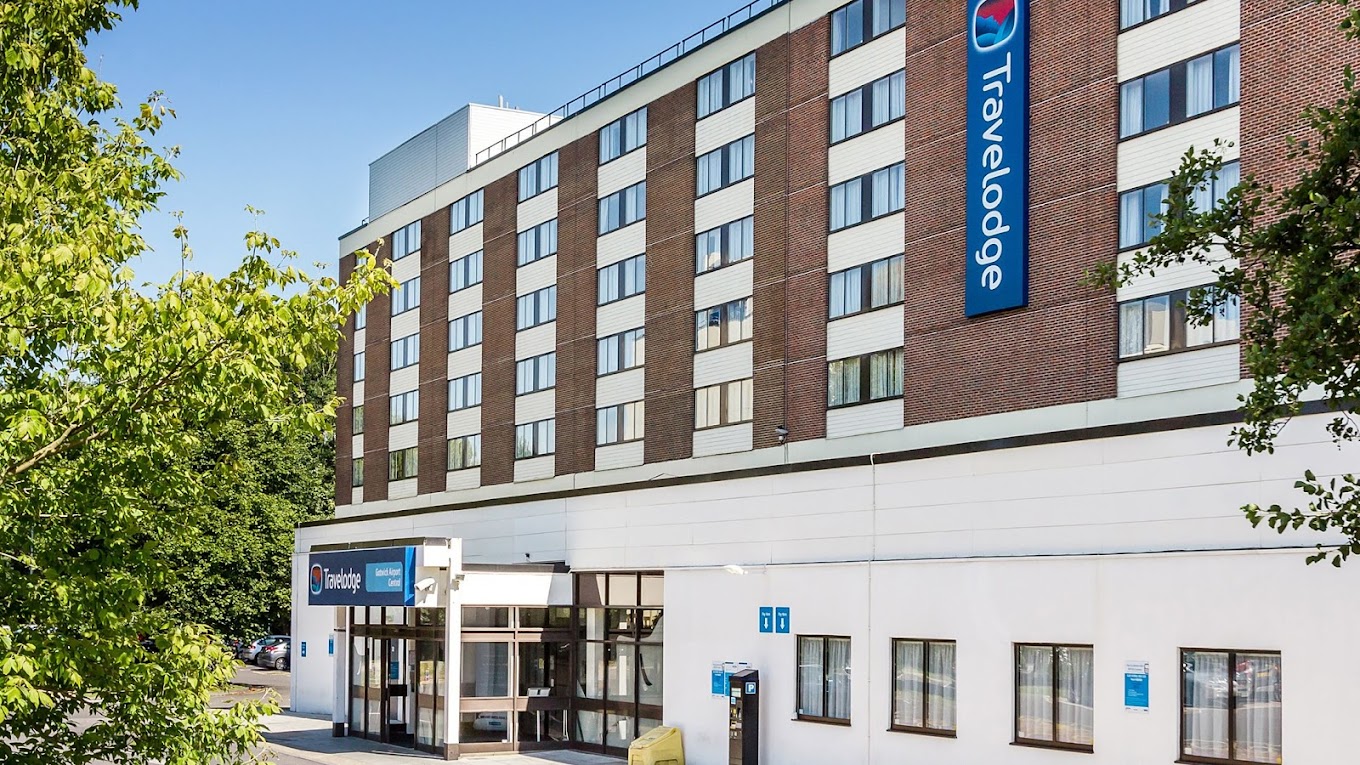
Travelodge: Similar concept, slightly cheaper, slightly more basic. The newer Travelodge Plus rooms are nicer than the standard ones. Always check the specific location – some are genuinely convenient, others are miles from anywhere.
Ibis: The French budget chain does what it does. Rooms are small but functional. The Ibis Styles properties are slightly nicer; Ibis Budget is bare bones.
Hostels: Generator London (near St Pancras), Wombat’s (Whitechapel), and Clink hostels offer private rooms as well as dorms. Quality varies but can be excellent value for solo travellers or groups willing to share.
Tips for budget success:
- Book 4-6 weeks ahead for best prices
- Sunday nights are often cheapest
- Check direct hotel websites against booking sites – sometimes direct is cheaper
- Consider Zone 2-3 locations with good Tube links
£100-200 Per Night
The sweet spot for London hotels. At this level you get proper hotels with decent rooms, often including breakfast, in reasonably central locations.
CitizenM: Dutch chain with smart, compact rooms, king beds, Nespresso machines, and clever tech controls. Properties near Tower of London, Bankside, and Shoreditch. Excellent value for what you get.
Hoxton Hotels: Originated in Shoreditch, now also in Holborn and Southwark. Trendy but not try-hard, rooms well-designed, good bars and restaurants. The “Shoebox” rooms are genuinely small; upgrade if you can.
Z Hotels: Compact rooms, prime locations (Soho, Piccadilly, Tottenham Court Road). No frills but modern and central.
Novotel and Holiday Inn Express: Chain hotels that reliably deliver. Not exciting but comfortable and well-located.
Tips for mid-range success:
- Weekend rates often drop significantly
- Loyalty programs (IHG, Marriott) offer genuine value
- Check what is included – breakfast adds £15-25 per person
£200-400 Per Night
Upper-mid range, where you start getting genuinely nice hotels.
Marriott properties: The Bankside Autograph Collection, St. Pancras London Autograph Collection, and County Hall (Marriott) all offer reliable quality.
Firmdale Hotels: British boutique chain with beautiful design, outstanding restaurants, and proper luxury. Charlotte Street Hotel, Haymarket Hotel, Ham Yard Hotel. Worth the splurge.
Independent boutiques: The Ned (City), Sea Containers (South Bank), Town Hall Hotel (Bethnal Green) offer character that chains cannot match.
£400+ Per Night: Luxury
London does luxury exceptionally well.
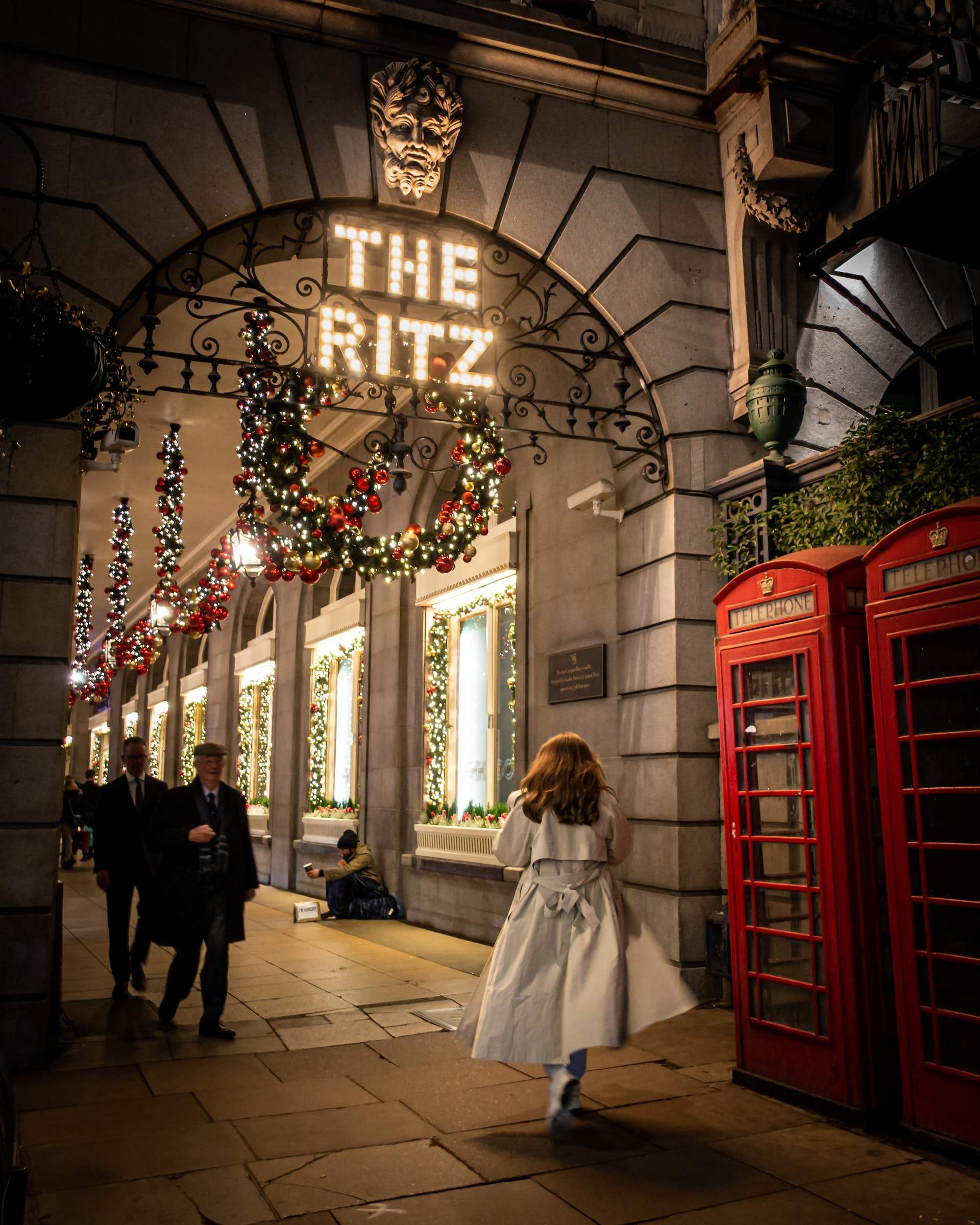
The Classics: The Ritz (Piccadilly), Claridge’s (Mayfair), The Savoy (Strand), The Dorchester (Park Lane). These are institutions as much as hotels – proper afternoon tea, uniformed doormen, the works.
Modern Luxury: Shangri-La at The Shard (the views), The Corinthia (Westminster, spa), Rosewood London (Holborn, stunning).
Boutique Luxury: The Beaumont (Mayfair, Art Deco), Chiltern Firehouse (Marylebone, scene-y), The Connaught (Mayfair, discreet excellence).
Airport Hotels
Sometimes you need to stay near an airport. Here is the reality check.
Heathrow
Staying at Heathrow is rarely necessary – the Elizabeth line and Piccadilly line connect to central London easily. But for very early flights or long layovers:
On-site: Sofitel T5 (walkway to terminal, genuinely nice), Hilton T4 (good for T4 passengers). These are expensive but eliminate morning transport stress.
Off-site: Premier Inn and Holiday Inn near Bath Road offer shuttle buses and half the price. Perfectly adequate for a sleep before early flights.
Gatwick
More commonly used for budget airlines with ungodly departure times.
On-site: Hilton and Sofitel both connect directly to terminals via walkways. Worth it for very early flights.
Off-site: Numerous options around the airport with varying quality. The Travelodge Gatwick Central and Premier Inn options offer reliable budget choices.
Practical Booking Tips
When to book: London hotels reward advance booking. Three to six weeks ahead usually offers good prices. Last-minute can work for weekends but is risky for midweek business periods.
Beware “London” listings: Anything calling itself London should be checked on a map. London Luton Airport is not in London. Hotels in Croydon or Barnet technically qualify but require long commutes.
Read the fine print: Many hotels charge extra for breakfast (£15-25), for Wi-Fi (increasingly rare but still happens), and for parking (£30-50 per night in central locations).
Consider apart-hotels: For stays of four nights or more, places like Citadines, Staycity, or SACO offer kitchens, living space, and often laundry facilities. Cook breakfast, do some laundry, and save money.
Check cancellation policies: Prepaid rates are cheaper but inflexible. Flexible rates cost more but allow changes. Match your booking type to your certainty level.
Use the right platforms: Booking.com and Hotels.com show the widest selection. Always cross-check with the hotel’s own website – some offer price matching or extras for direct bookings.
Family Hotels
Travelling with children limits options but good choices exist:
Novotel: Kids under 16 stay free in parents’ room, kids’ menus, often has pools. Novotel London Blackfriars and Tower Bridge are well-located.
Holiday Inn: Kids eat free policy, reliable family rooms.
Premier Inn: Family rooms sleep four, including two children. No frills but excellent value.
Apart-hotels: The ability to cook simple meals and have separate sleeping areas makes family travel vastly easier. Citadines and Staycity both work well.
Avoid: Most boutique hotels and luxury properties are not set up for children. Check policies before booking.
Frequently Asked Questions
What is the best area to stay in London for first-time visitors?
The central London area around Covent Garden, Soho, and Leicester Square offers the most convenient location for first-time visitors. You can walk to most major attractions including the British Museum, National Gallery, Buckingham Palace, and Westminster without using the Tube. However, expect to pay premium prices of £200-400 per night and deal with crowds and noise.
How much should I expect to pay for a hotel in London?
Budget hotels start under £100 per night in outer zones or with chains like Premier Inn and Travelodge. Mid-range hotels cost £100-200 per night and offer good quality in reasonably central locations. Upscale hotels range from £200-400 per night, while luxury properties in areas like Mayfair start at £400+ per night. Prices vary significantly based on day of week and season.
Do London hotels charge resort fees like Las Vegas?
No, London hotels do not charge daily resort fees. However, many hotels charge extra for breakfast (£15-25 per person), some still charge for WiFi, and central London hotels often charge £30-50 per night for parking. Always check what is included in your room rate before booking.
Is it better to stay near Heathrow or Gatwick Airport?
This depends on your flight terminal and itinerary. The Elizabeth line connects Heathrow to central London in 30-45 minutes, making airport hotels less necessary. Gatwick is further out, so staying at an airport hotel makes more sense for very early flights. Both airports have on-site and nearby hotel options.
When is the best time to book London hotels for the lowest prices?
Book 3-6 weeks in advance for the best balance of selection and value. Sunday nights are often cheapest, while Friday and Saturday see higher rates. Avoid major events like Wimbledon, Christmas markets, and large conventions at ExCeL. January and February typically offer the lowest rates outside of holiday periods.
Are apart-hotels worth considering for London stays?
Yes, for stays of four nights or more, apart-hotels like Citadines, Staycity, or SACO offer excellent value. They provide kitchens, living space, and often laundry facilities. You can cook breakfast, prepare simple meals, and have more space to spread out, which significantly reduces overall trip costs compared to hotels with dining out for every meal.