Thailand Holidays
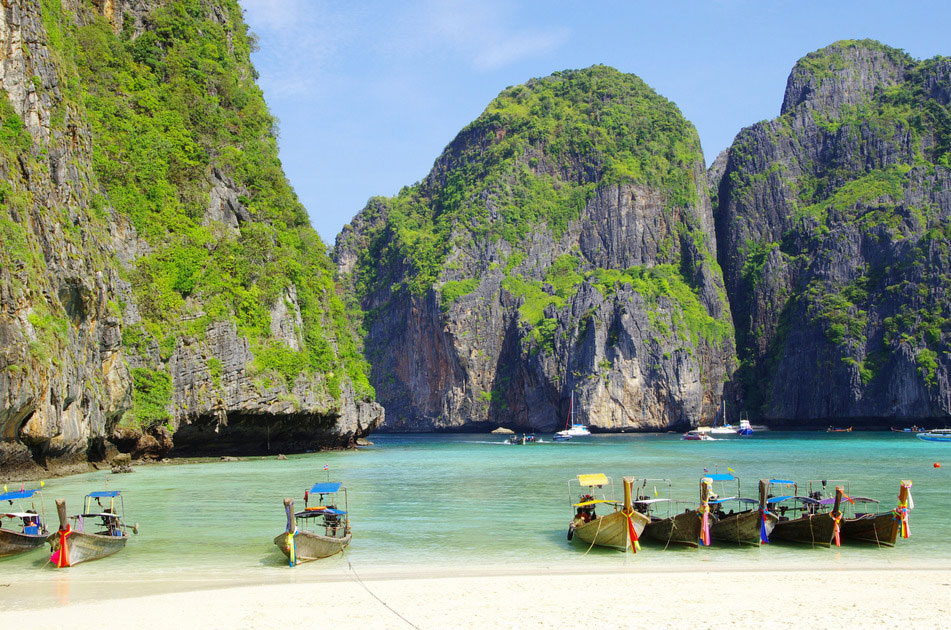
I have returned to Thailand more times than any other country. The combination of pristine beaches, ancient temples, incredible food, and genuine value for money keeps drawing me back. From the chaos and charm of Bangkok to the islands of the south, from cooking classes in Chiang Mai to diving off Ko Tao, Thailand offers something for every type of traveller – and does it at prices that make extended stays affordable.
About Thailand
Located in Southeast Asia, Thailand is an amazing holiday destination for honeymooners, summer vacations and even some island hopping to see a bit of everything.
Known for its tropical beaches, resorts and temples, Thailand is a great place to relax. It’s also full of sightseeing activities and food to try. Feel like becoming a master chef in your own kitchen back home? You can take a cooking class where you’ll learn how to make some of Thailand’s favourite dishes. There are classes for beginners too, so don’t feel bad if you’re not the best in the kitchen. Give it a go!
Phuket is very popular among tourists for its beaches. The island has many fantastic resorts and spas. Located off the west coast of Thailand in the Andaman Sea, Phuket is also one of the best scuba diving spots in the world.
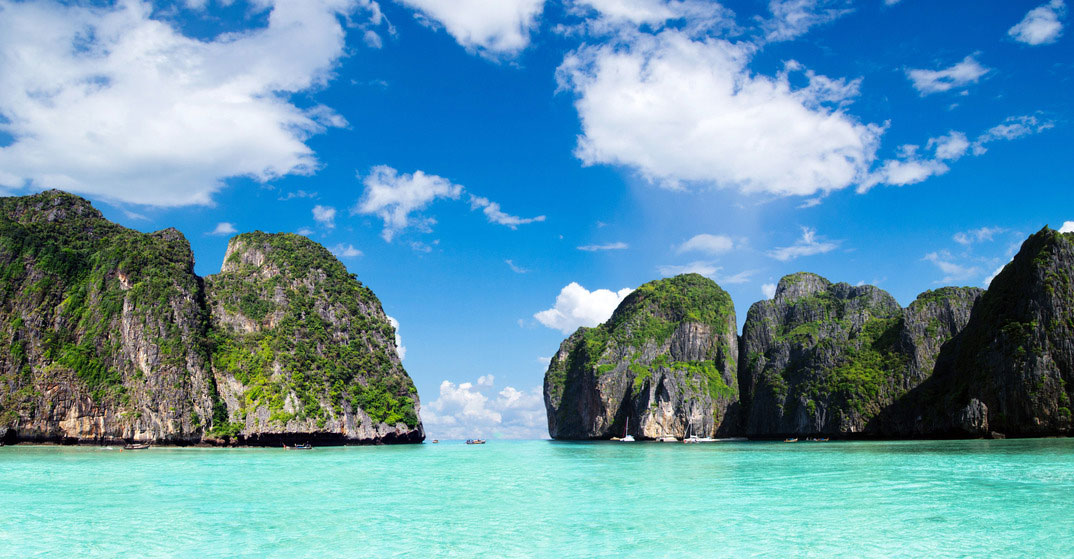
There are trips from Phuket to Phi Phi where both experienced and inexperienced divers will be amazed by the underwater scenery. Be sure to dive sites like Anemone Reef and Shark Point.
Also, get to dive the King Cruiser shipwreck. The 85-meter long ferry sank after hitting the Anemone Reef. The shipwreck is a superb dive, go for it!
It’s worth spending a day on Phi Phi Island. The beaches are beautiful and it’s a good spot to relax after diving.
Big Buddha
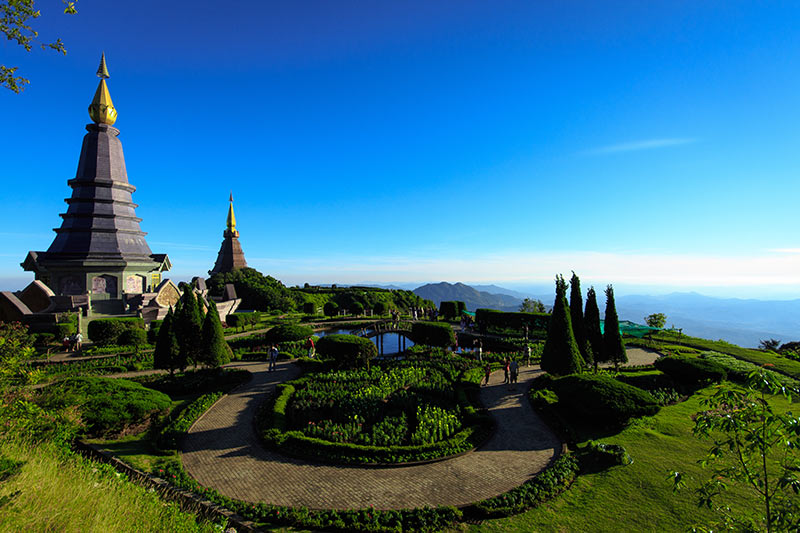
Check out the Big Buddha which is one of Thailand’s most important monuments. Situated on the top of Nakkerd Hills between Chalong and Kata. The statue is made of white marble and measures 45 metres long. The views from the top are sublime. Don’t visit the site in beachwear. Cover up as it’s a religious site.
Khao San Road
Head down to Khao San Road in Bangkok. Plenty of bars, restaurants, and activities on the street will keep you entertained until the early hours. It’s a classic backpacker hub – good for a night out with friends.
Street vendors are everywhere selling just about anything. It gets busy and noisy, which is either the appeal or the reason to avoid it depending on your taste.
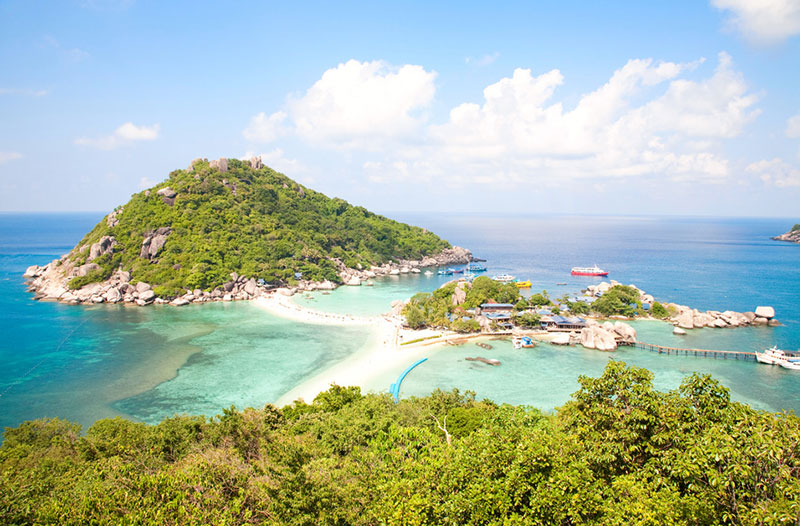
Thailand has a number of islands worth visiting. Ko Lipe is small enough to get around in just over an hour. Ko Lanta Yai is a good choice if you want a quieter stay – resorts and bungalows on the west coast are well positioned.
The island of Ko Tarutao is quite pristine and tourists can enjoy a range of accommodation including campsites and bungalows. The limestone cliffs on this island are a popular Thailand attraction.
Ko Phangan
Ko Phangan is popular with backpackers. There are rainforests, good beaches, and the island is known for the Full Moon Party, which draws big crowds every month.
Ko Samui is also worth considering. It’s more developed, and if you want something more comfortable, villas are available to hire. The island hosts events including the Buffalo Fighting Festival.
Want to try something unusual?
Take a Muay Thai Kickboxing course. Various schools around the country will teach you the art. It’s also a great way to get in shape. Try a fish spa if you dare! Soak your feet while tiny fish nibble the dead skin off your feet. Some people may find this quite gross, but it’s interesting and it tickles.
If you want to cover a lot of ground efficiently, a tour guide can help. Thailand is easy to travel independently though, and most transport and accommodation is straightforward to arrange yourself.
Things to do in Thailand
Grand Palace
The Grand Palace is where you’ll find government offices and the Emerald Buddha. It’s no longer used as a royal residence but serves ceremonial functions.
The buildings are genuinely impressive and give a real sense of Thailand’s history and traditions. It’s consistently rated one of Bangkok’s top attractions.
Cover your arms, shoulders, and legs when visiting – the dress code is strictly enforced. Guided tours are available.
Wat Pho – Temple of the Reclining Buddha
Located behind the temple of the Emerald Buddha, the reclining Buddha is 46 metres long. It’s one of the most visited sites in Bangkok for good reason. You can buy a bowl of bronze coins at the entrance and drop them into the bowls lining the walls.
Traditional Thai massages are available in the temple complex. English guides can be arranged, and the murals throughout are worth paying attention to.
Thai Elephant Home
You get to be up close to elephants – learning basic commands, heading into the jungle, and bathing them. You can also feed elephants, walk with them through mud, or take a jungle mountain path.
Several programmes are available depending on how much time you want to spend. A good option for anyone keen on animal encounters.
Hellfire Pass Museum
The museum was built by the Australian government and is dedicated to those who died at Hellfire pass during World War II. Also commonly known as the ‘Death Railways’ because many Asian labourers died while building the railway that connected Bangkok and Burma.
Entry to the museum is free. See works of art and personal belongings of prisoners, including journals.
Sukhothai Historic Park
A UNESCO World Heritage site and worth the visit. The best way to cover it is by bicycle or motorbike. What was once the Sukhothai kingdom’s capital is now an area of over 190 ruins spread across several sections. The Sitting Buddha in the Central section is one of the highlights.
Nong Nooch Tropical Botanical Garden
Worth a day trip. The gardens are extensive, with themed sections and daily cultural shows including sword fighting and Thai boxing. There are restaurants and souvenir stalls on site.
Elephant Retirement Park
A good way to spend a day. You can feed, bathe, and care for elephants while learning about them. Note that visitors don’t ride elephants at this park – it’s a sanctuary-style experience.
Chalong Bay Rum Distillery
Go on a tour of the distillery and learn how rum is made from Thai sugarcane. Get to see the copper still and boiling plant. You can even do a cocktail workshop – it’s a great activity for anyone who enjoys cocktails.
Walking Street
A busy street with bars, pubs, and entertainment venues. There are also decent restaurants if you want food. It’s a staple stop for anyone in Pattaya.
Chatuchak Market
You’ll find food, jewellery, wooden furniture, clothes, and just about everything else. One of the world’s largest weekend markets, it draws both locals and tourists.
One of the most important things you need to take with you is your Thailand travel adapter Never leave home without it.
What to Pack for Thailand
The tropical climate and long-haul flight require careful packing.
Travel Essentials
Travel Adapter: Thailand uses a mix of plug types (A, B, C, F, and O). A universal adapter ensures you can charge anywhere.

Neck Pillow: The 11-12 hour flight from the UK is much easier with proper neck support.
Backpack: A versatile backpack works for island hopping and temple visits. Budget airlines on internal flights have strict baggage limits.

Packing Tips
- Light, quick-dry clothing – Humidity is high year-round
- Modest temple wear – Cover shoulders and knees for temple visits
- DEET mosquito repellent – Essential, especially in northern regions
- Reef-safe sunscreen – Protect Thailand’s coral reefs
- Waterproof phone pouch – For boat trips and water activities
- Flip-flops – You’ll remove shoes constantly at temples and homes
Frequently Asked Questions
Do I need a visa to visit Thailand?
Most Western passport holders (including UK citizens) receive 60 days visa-free entry (extended from 30 days in July 2024). Your passport must be valid for at least 6 months beyond your arrival date. The visa exemption can be extended for another 30 days at an immigration office. From May 2025, you must complete the Thailand Digital Arrival Card (TDAC) at least 3 days before arrival.
What is the best time to visit Thailand?
November to February is the best time – dry, sunny weather with comfortable temperatures across most of the country. This is peak season, so expect higher prices and crowds. March to May is hot season (35-40°C in some areas). June to October is rainy season with afternoon downpours, though mornings are often clear. Southern islands have different patterns: west coast (Phuket, Krabi) is best November-April; east coast (Koh Samui, Koh Tao) is best December-August.
What currency is used in Thailand and should I exchange money?
Thailand uses Thai Baht (THB). ATMs are widely available and offer good exchange rates, though they charge 220 THB withdrawal fees. Credit cards are accepted at hotels, larger restaurants, and shopping centres, but cash is essential for street food, markets, tuk-tuks, and small businesses. Exchange rates are approximately 42-45 THB to £1 or 35-37 THB to $1.
How much does a holiday in Thailand cost?
Thailand offers excellent value. Budget travellers can manage on £20-30 per day (hostels, street food, local transport). Mid-range travellers spending £50-80 per day get comfortable hotels, restaurant meals, and activities. Luxury travellers can enjoy 5-star resorts and fine dining for £150+ per day. A decent hotel costs 1,000-2,500 THB (£23-58), street food costs 40-80 THB (£1-2), and restaurant meals cost 150-400 THB (£3.50-9).
Is Thailand safe for tourists?
Thailand is generally very safe for tourists. Violent crime is rare. The main risks are petty theft in crowded areas, tourist scams (especially in Bangkok with tuk-tuk drivers and gem shops), and traffic accidents on rental motorbikes. Take normal precautions: don’t leave valuables unattended, agree taxi prices beforehand, and only rent motorbikes if you’re an experienced rider. Respect local customs, especially at temples.
Where should I visit in Thailand?
The main destinations are Bangkok for temples (Grand Palace, Wat Pho) and street food; Chiang Mai for culture, cooking classes, and mountain scenery; Phuket and Krabi for beaches and diving; Koh Samui, Koh Phangan, and Koh Tao for island life; Pai for a laid-back mountain town; Ayutthaya for ancient temple ruins; and Sukhothai Historic Park. For something quieter, head to Koh Lipe in the far south or the northeastern Isaan region.
Explore More
Destinations
- Chiang Mai, Thailand: Your Ultimate Travel Guide
- Koh Tao Island Holidays
- Pai, Thailand
- Bali, Indonesia
- Vietnam
Travel Essentials
- UK to Thailand Plug Adapter
- Thailand Electrical Outlets Guide
- Best Travel Pillows – Essential for the long-haul flight
- Cabin Bag Backpacks – Perfect for island hopping
- Luggage Scales – Budget airlines are strict on weight