Things to Do in Madrid: Spain Travel Guide
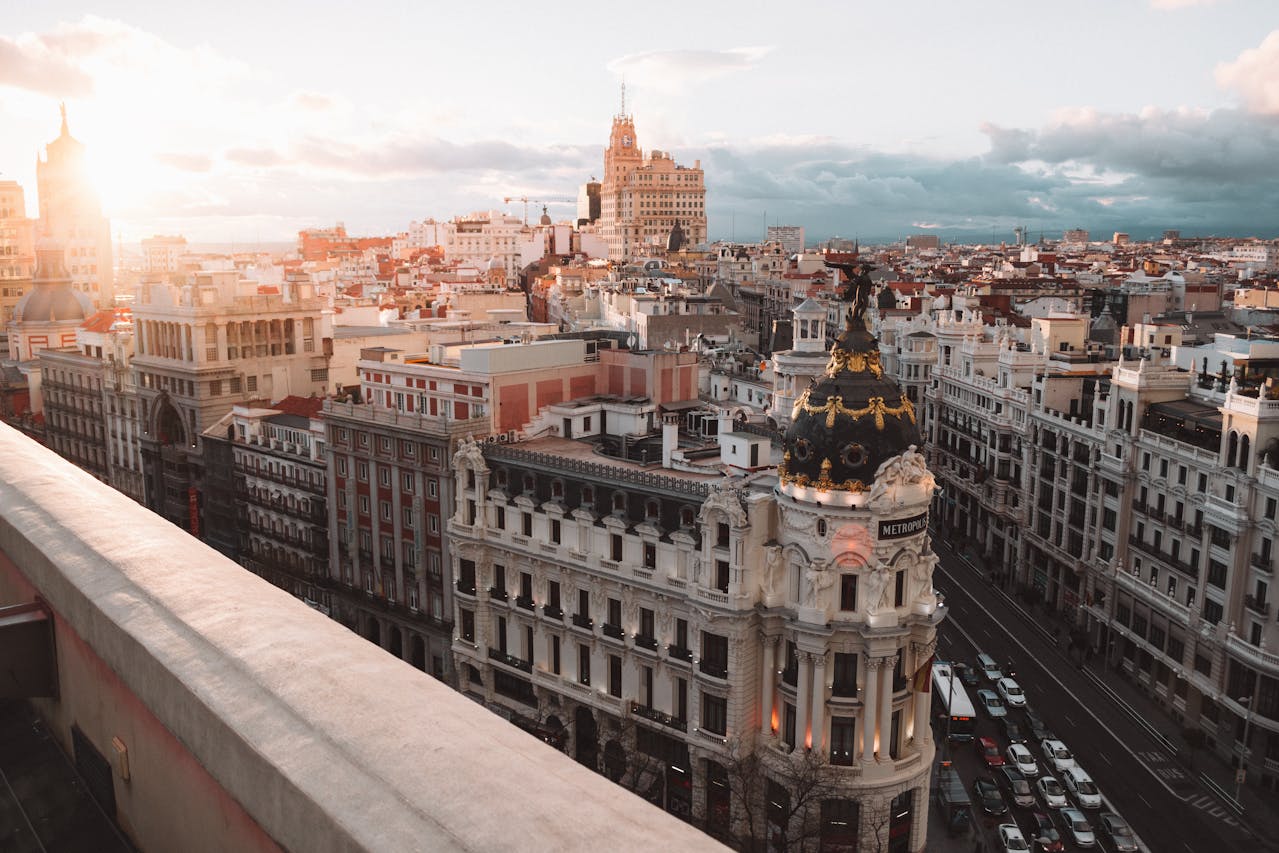
The things to do in Madrid kept me longer than expected – I arrived expecting a few days of museums and tapas, and stayed a week. The city got under my skin in ways I didn’t expect – not with grand monuments (though the Prado alone is worth the trip) but with the rhythm of daily life. Lunch at 2pm, dinner at 10pm, bars that fill up at midnight. I wandered La Latina on a Sunday morning when the Rastro flea market spills through the streets, ate my body weight in croquetas, and watched the city come alive at hours when most European capitals are closing down. Madrid doesn’t try to charm you; it just is what it is, and that confidence is magnetic.
Madrid, the capital of Spain, blends history and culture with modern energy. Grand palaces, world-class museums, excellent food, and legendary nightlife make it one of Europe’s most enjoyable cities.
Costs
Madrid is affordable compared to other major European capitals.
Sample prices:
- Inexpensive meal: €12-15
- Restaurant meal for two: €50-70
- Beer: €3-4
- Coffee: €2-3
- Metro single: €1.50
- Metro 10-trip: €12.20
- Monthly transport pass: €50
Accommodation:
- Hostel dorm: €20-35
- Budget hotel: €60-90
- Mid-range hotel: €100-150
Getting Around
Madrid has an efficient public transport system. The Metro has 12 lines and over 300 stations. Buses cover areas the Metro doesn’t reach. The Cercanías commuter trains connect suburbs and nearby cities.
The “Multi Card” works on Metro and buses. Buy and top up at Metro stations. A 10-trip tourist ticket costs €12.20.
Taxis are reasonably priced. Uber operates in Madrid.
Main Attractions
Royal Palace
The official residence of the Spanish royal family, completed in 1755. Visitors can explore opulent rooms, the Royal Armory, and Sabatini Gardens. Entry around €12.
Prado Museum
One of the world’s great art museums. European art from the 12th-19th centuries, including Velázquez, Goya, and El Greco. Entry €15, free evenings.
Reina Sofía Museum
20th-century art including Picasso’s “Guernica.” Entry €12, free certain hours.
Plaza Mayor
Grand 17th-century square in the heart of Madrid. Cafes, shops, and street performers.
Retiro Park
Central park with a lake (boat hire available), Crystal Palace, and rose garden.
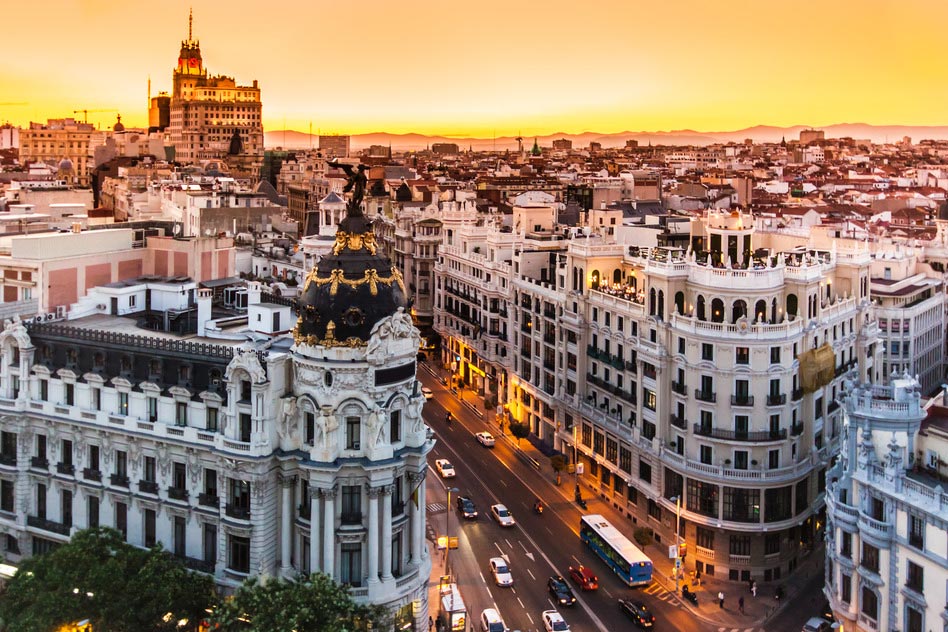
Gran Vía
Madrid’s main shopping and entertainment street with grand early 20th-century architecture.
Temple of Debod
Ancient Egyptian temple in a park, excellent for sunset views over the city.
Neighbourhoods
Sol/Centro: The heart of Madrid, busy and touristy but central to everything.
La Latina: Traditional neighbourhood with Sunday flea market (El Rastro), tapas bars, and local atmosphere.
Malasaña: Trendy, alternative scene with vintage shops, indie bars, and street art.
Chueca: LGBTQ+ hub with boutiques, cafes, and nightlife.
Lavapiés: Multicultural, affordable, with good international food options.
Food and Drink
Must-try dishes:
- Cocido madrileño: Hearty chickpea stew with meat
- Bocadillo de calamares: Fried squid sandwich
- Tortilla española: Potato omelette
- Churros con chocolate: Deep-fried dough with thick hot chocolate
Tapas culture: Many bars give free tapas with drinks. La Latina and Lavapiés are good areas.
Food markets: Mercado de San Miguel (touristy but good), Mercado de San Antón in Chueca.
Nightlife
Madrid’s nightlife starts late – dinner at 10pm, bars from midnight, clubs from 2am.
Areas:
- Huertas: Central, varied bars, good for bar-hopping
- Malasaña: Alternative scene, indie venues
- Chueca: LGBTQ+ friendly bars and clubs
- La Latina: More traditional, cava and vermouth bars
Notable spots: Museo Chicote (classic cocktail bar), Kapital (mega-club with 7 floors).
Day Trips
Madrid’s central location makes day trips easy:
- Toledo: Medieval city, UNESCO site. 30 minutes by train. €13 return.
- Segovia: Roman aqueduct, fairy-tale castle. 30 minutes by AVE. €22 return.
- El Escorial: Imposing monastery/palace. 1 hour by train. €10 return.
- Aranjuez: Royal palace and gardens. 45 minutes by train.
When to Visit
Madrid has a continental climate – hot summers and cold winters.
Spring (April-May): Pleasant temperatures, San Isidro festival in May.
Summer (June-August): Hot (35°C+). Many locals leave in August, some places close.
Autumn (September-October): Good weather, fewer tourists.
Winter (November-February): Cold but often sunny. Christmas markets.
Plug Type
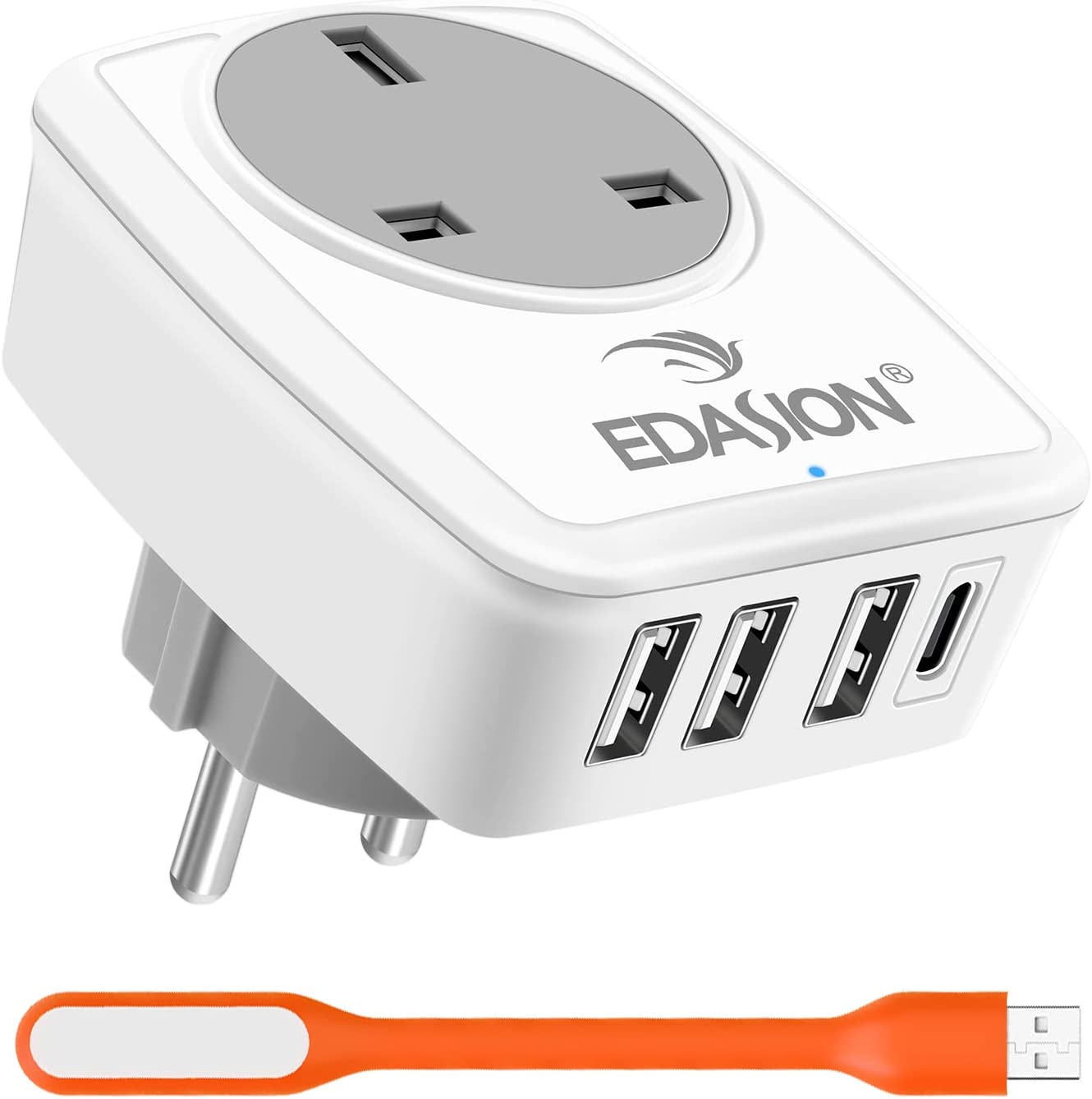
Spain uses Type C and F plugs (two round pins). Voltage is 230V. UK and US visitors need a plug adapter.
Frequently Asked Questions
Do I need a visa to visit Madrid, Spain?
Visa requirements depend on your nationality. EU, UK, US, Canadian, and Australian citizens can visit visa-free for up to 90 days within a 180-day period for tourism. This falls under the Schengen Agreement. Other nationalities should check Spanish embassy requirements. Ensure your passport is valid for at least 3 months beyond your departure date.
When is the best time to visit Madrid?
Spring (April-May) and autumn (September-October) offer the best weather – pleasant temperatures, fewer crowds, and lower prices than summer. May brings the San Isidro festival. Summer (June-August) is hot (35°C+) and many locals leave in August, with some restaurants closing. Winter (November-February) is cold but often sunny, with Christmas markets adding atmosphere. Avoid Easter week if you dislike crowds.
What currency is used in Madrid?
The Euro (EUR) is the official currency. Credit and debit cards are widely accepted, even for small purchases. Contactless payment is common. ATMs are plentiful throughout the city. Tipping is not obligatory but rounding up or leaving 5-10% at restaurants is appreciated. Many bars give free tapas with drinks, reducing meal costs.
What type of power plugs are used in Madrid?
Madrid uses Type C and Type F plugs (two round pins). The voltage is 230V at 50Hz. UK visitors need a Type C/F adapter. US visitors need both an adapter and should check if their devices support 230V. Most modern electronics (phones, laptops) are dual-voltage and only need a plug adapter.
How expensive is Madrid compared to other European capitals?
Madrid is more affordable than London, Paris, or Amsterdam. Expect to pay €12-15 for inexpensive meals, €50-70 for two people at mid-range restaurants, €2-4 for beer, and €60-150 for hotel rooms depending on quality and season. Public transport is excellent value at €12.20 for a 10-trip ticket. Museum entry ranges from €10-15, with many offering free entry during specific evening hours.
Is Madrid safe for tourists?
Madrid is generally safe for tourists with low violent crime rates. Petty theft (pickpocketing, bag snatching) occurs in crowded tourist areas like Puerta del Sol, Gran Via, and on the Metro – keep valuables secure and bags in front of you. Avoid walking alone in poorly-lit areas late at night. The city centre, Malasana, Chueca, and La Latina are safe even after dark. Emergency number is 112.