Europe Travel Guide

Europe

Deciding on the best countries to visit in Europe is overwhelming – I have been traveling the continent for over fifteen years, from backpacking through hostels in my twenties to family holidays with kids in tow. The continent keeps revealing new layers – a small town in Portugal I had never heard of, a mountain pass in Slovenia that took my breath away, a neighbourhood in Barcelona that felt nothing like the tourist centre. Europe rewards both the first-timer seeing the Eiffel Tower for the first time and the veteran exploring their twentieth country. The infrastructure makes it easy, the variety makes it endlessly interesting.

Europe packs an absurd amount of variety into a relatively small area. You can have breakfast in Paris, lunch in Brussels, and dinner in Amsterdam – all by train. This density of history, culture, and good food makes it one of the best regions on earth for travel.

Most Popular Countries

Based on visitor numbers, these countries consistently draw the most tourists:

France – Paris alone would make France a top destination. Add the Riviera, wine country, the Alps, and Normandy, and you understand why 100 million visitors come annually. The Eiffel Tower and Louvre are just the start.

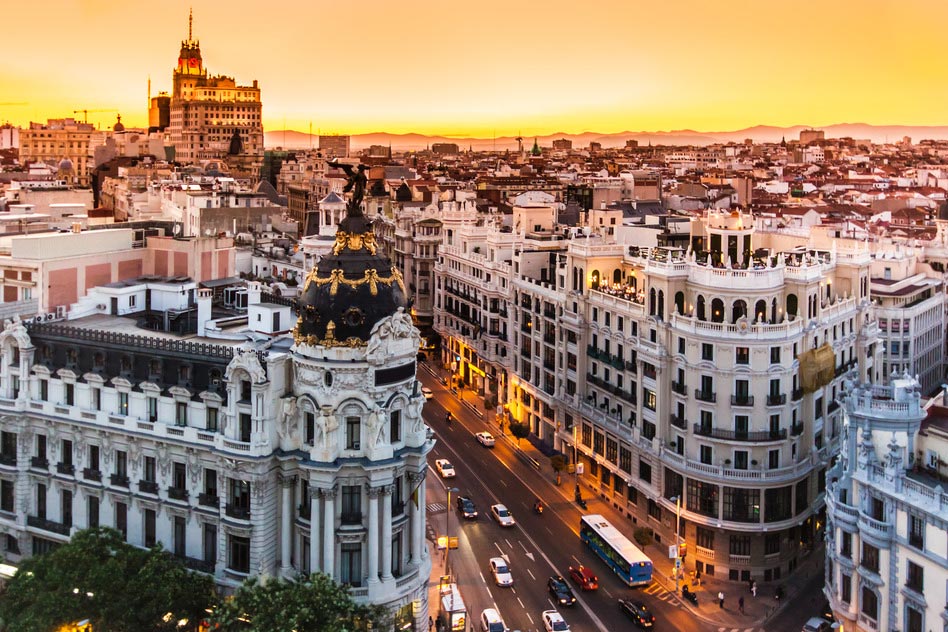
Spain – Beaches, cities, and food. Barcelona has Gaudí’s architecture and beach culture. Madrid has world-class museums. The south has Moorish history and sunshine. 85 million visitors a year.

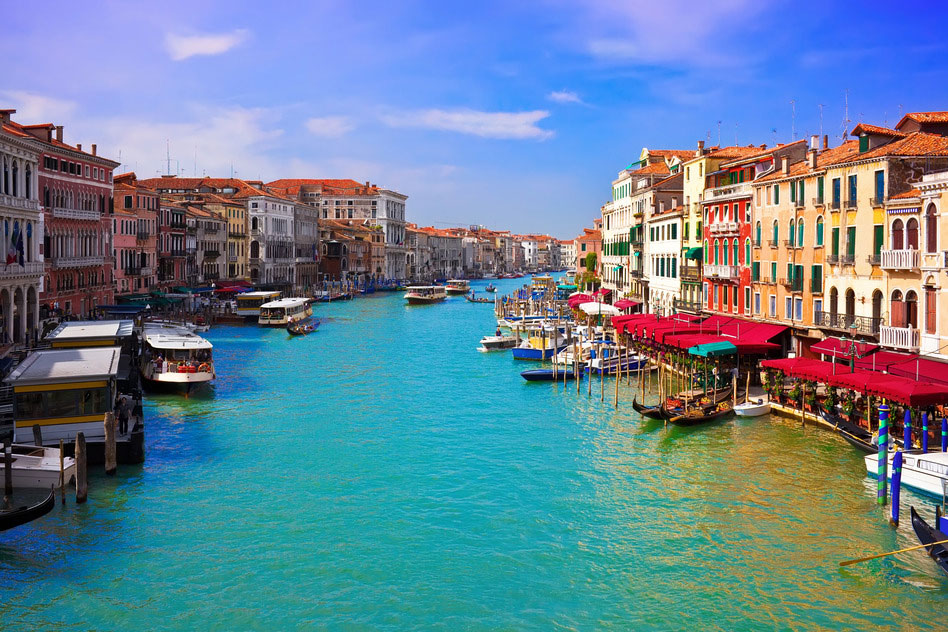
Italy – More UNESCO sites than any other country. Rome for ancient history, Florence for Renaissance art, Venice for canals, the Amalfi Coast for scenery. Also the best food.

Turkey – Straddles Europe and Asia, which shows in the culture. Istanbul alone is worth the trip – the Hagia Sophia, Blue Mosque, and Grand Bazaar in one city. Cappadocia’s landscapes are unlike anywhere else.

United Kingdom – London is a world city with world-class museums (many free). Beyond London: Edinburgh, the Cotswolds, the Lake District, and Wales.

Germany – Berlin for history and nightlife. Munich for beer and Bavaria. The Rhine for castles. Christmas markets in winter.

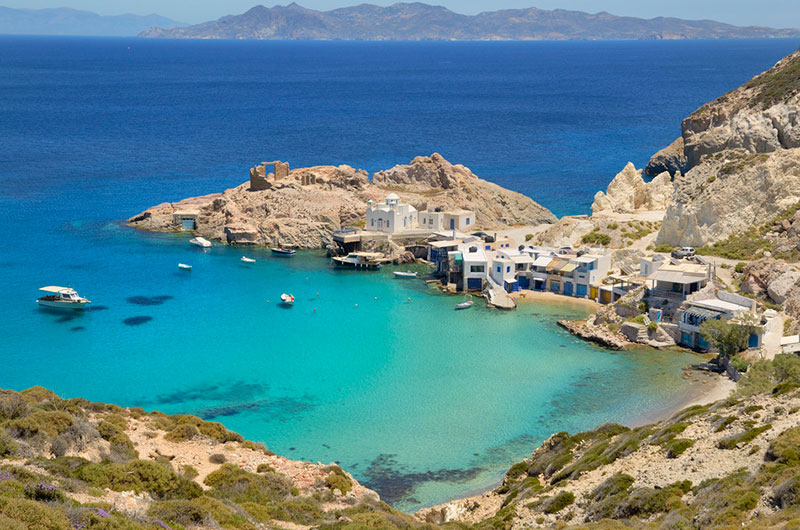
Greece – Ancient ruins and island hopping. Athens has the Acropolis. Santorini has the views. Crete has both plus beaches.

When to Go

Peak Season (June-August)

Warmest weather, longest days, highest prices, biggest crowds. Book accommodation months ahead for popular destinations. Mediterranean temperatures can exceed 35°C.

Shoulder Season (April-May, September-October)

Best balance of weather, crowds, and prices. Spring has blooming flowers; autumn has harvest festivals and fall colours. Weather is less predictable but generally pleasant.

Off-Peak (November-March)

Cheapest flights and hotels. Some attractions have reduced hours. Northern Europe is cold and dark. Christmas markets brighten December. Mediterranean is mild but some beach resorts close.

Trip Types

City Breaks

Best in shoulder season. Three to four days per major city. Easy to combine cities by train – Paris to Amsterdam is 3 hours, Rome to Florence is 90 minutes.

Beach Holidays

June through September in the Mediterranean. Greek islands, Spanish coast, Croatian Adriatic, Italian Riviera, Portuguese Algarve. Book early for July-August.

Skiing

December through March in the Alps. France (Chamonix, Val d’Isère), Switzerland (Zermatt, Verbier), Austria (St Anton, Kitzbühel), Italy (Cortina). January offers best snow; February is busiest and most expensive.

Cultural/Historical

Any time works, but spring and autumn are most comfortable for walking. Rome, Athens, and Paris need multiple days each. Smaller cities like Florence, Prague, and Bruges can be done in two to three days.

Getting Around

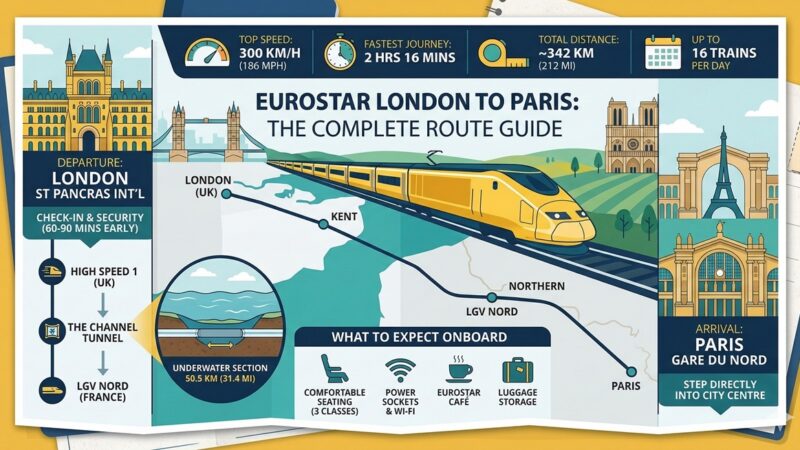
Trains are the best way to travel in Western Europe. High-speed rail connects major cities – London to Paris (2h15), Paris to Lyon (2h), Barcelona to Madrid (2h30). Book in advance for cheaper fares.

Budget airlines (Ryanair, EasyJet, Vueling) connect smaller cities cheaply but watch for baggage fees. Fly for long distances; train for under 4 hours.

Driving makes sense for rural areas, wine country, or Scandinavian road trips. Less useful in cities where parking is expensive and traffic frustrating.

Buses (FlixBus) are the budget option. Slower than trains but significantly cheaper. Good for overnight routes.

Entry Requirements

EU/Schengen area: Most of Western Europe operates as one zone for immigration. UK, US, Canada, Australia, and many other nationalities can visit for 90 days without a visa. The 90 days is cumulative across all Schengen countries.

UK: Now separate from EU. No visa needed for short visits but note the 90/180 day rule for Schengen means a UK visit doesn’t reset your Schengen clock.

ETIAS: From 2025, non-EU visitors will need to register online before travel (similar to US ESTA). Check current requirements before booking.

Money Tips

  • Eurozone: Most of Western Europe uses the euro. Notable exceptions: UK (pounds), Switzerland (francs), Scandinavia (various kronor/kroner)
  • Cards: Widely accepted, but carry some cash for markets, small shops, and emergencies
  • Tipping: Less expected than in the US. Rounding up is common; 10% is generous
  • VAT refunds: Non-EU residents can claim tax back on purchases over certain amounts

Safety

Europe is generally very safe. Main concerns:

  • Pickpockets in tourist areas and on public transport, especially in southern cities
  • Basic common sense applies: don’t leave bags unattended, be aware of your surroundings

First-Timer Recommendations

If you’ve never been to Europe, consider:

Two weeks, one region: London + Paris + Amsterdam, or Rome + Florence + Venice, or Barcelona + Madrid + Seville. Don’t try to see everything.

Three weeks, broader: Add a third country or more time in each place. Quality over quantity.

One week: Pick one city and actually experience it. Paris, Rome, or London each deserve a week.

Countries to Explore

Western Europe

Northern Europe

Southern Europe

Central & Eastern Europe

Previous articleFour Queens Resort and Casino Las Vegas
Next articleCaribbean Travel Guide
Travel writer, dog-friendly travel expert, author of Dog-Friendly Weekends & Dog Days Out Brightwell-Cum-Sotwell, England, United Kingdom