Norway Holidays: Fjords & Travel Guide
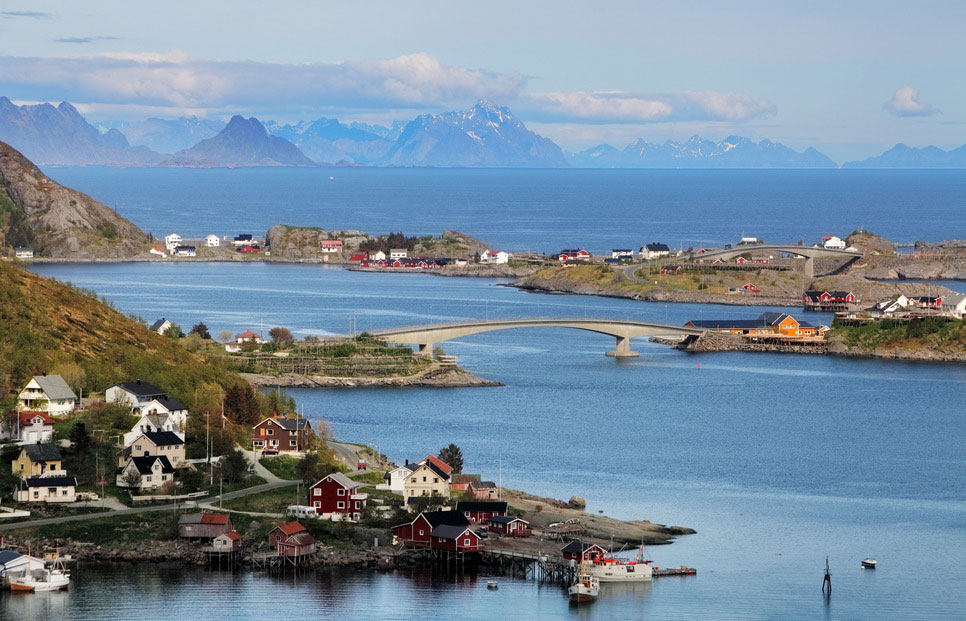
Norway holidays are the most expensive I have ever taken, but also the most spectacular. I spent two weeks there – one week exploring the fjords, one week chasing Northern Lights above the Arctic Circle – and by the end I understood why Norwegians pay such high taxes without complaint. The scenery is extraordinary, the infrastructure is impeccable, and the landscape genuinely exceeds any photograph.
The fjords carved by ancient glaciers create a coastline so dramatic it seems computer-generated. Waterfalls plunge from cliffs into impossibly blue water. Villages cling to narrow shores beneath vertical walls of rock. It is beautiful in a way that makes other beautiful places seem ordinary.
Yes, a beer costs £10. Yes, a sandwich costs £15. But you cannot put a price on standing on Pulpit Rock watching the sun set over the fjord.
The Fjords
Norway’s western coast is a maze of deep inlets carved by glaciers over millennia. The steep walls, cascading waterfalls, and remote villages are Norway’s signature landscape.
Geirangerfjord
The most famous and most photographed fjord, UNESCO-listed and genuinely stunning. Cruise ships fill the narrow waters in summer, but the scale remains overwhelming. The Seven Sisters waterfalls cascade 250 metres down the cliffs; abandoned farms perch on ledges seemingly inaccessible to humans.
How to visit: Ferries run between Geiranger and Hellesylt. The drive down Trollstigen (Troll’s Ladder) – 11 hairpin bends descending to the fjord – is dramatic. Kayak tours offer intimate views of the waterfalls.
Sognefjord
Norway’s longest (205km) and deepest (1,308m) fjord branches into several arms, including the narrow Naeroyfjord (also UNESCO-listed) and Aurlandsfjord.
Flam Railway – The journey from Myrdal to Flam drops 866 metres over 20 kilometres, one of the steepest train lines in the world. The views are exceptional: waterfalls, mountain farms, and the Kjosfossen waterfall where the train stops for photos. Book ahead in summer. NOK 520 (£40) one way.
The village of Flam at the bottom is small but scenic, with boat tours, kayaking, and cycling.
Hardangerfjord
Known for fruit orchards (spectacular during May blossom) and the iconic Trolltunga rock formation. Less dramatic than Geirangerfjord but more accessible from Bergen and with good hiking.
Lysefjord
The fjord containing Norway’s most famous viewpoints:
Preikestolen (Pulpit Rock) – A flat-topped cliff 604 metres above the fjord. The four-hour round-trip hike is moderate difficulty and extremely popular. Arrive early (before 8am in summer) to avoid crowds.
Kjeragbolten – A boulder wedged in a crevasse 984 metres above the fjord. The hike is more demanding (6-8 hours round trip) but the photo opportunity is famous. Standing on the rock requires nerve.
Best Hikes
Norway offers world-class hiking, made accessible by the allemannsretten (right to roam) that allows walking across private land.
Preikestolen – 4 hours round trip, moderate difficulty. The most popular hike in Norway for good reason.
Trolltunga – 10-12 hours round trip, hard. The “Troll’s Tongue” rock jutting over a lake is spectacular. This is a long, demanding day hike requiring fitness and early start. Some people now camp overnight.
Besseggen – 6-8 hours, moderate to hard. A ridge walk between two lakes of different colours. Classic Norwegian hiking.
Romsdalseggen – 6-8 hours, moderate. Panoramic mountain views considered some of Norway’s best.
Season: June to September for high-altitude hikes. Snow can linger into July on higher trails. Weather changes rapidly – bring layers and waterproofs regardless of forecast.
Northern Lights
The aurora borealis is visible in northern Norway from late September to late March. Tromso is the most popular base – large enough to have good hotels and restaurants, far enough north (350km inside the Arctic Circle) to see the lights regularly.
Viewing Conditions
Clear skies and solar activity are both required. Staying multiple nights increases your chances significantly. Tours take you away from city lights; self-drive gives more flexibility but requires comfort with winter driving.
Best months: December to February offer the darkest skies. October, November, and March have more daylight but still good aurora activity.
No guarantees: The Northern Lights are weather-dependent. Some visitors see spectacular displays; others see nothing despite multiple nights of trying. Manage expectations.
Tromso Activities
Beyond the aurora, Tromso offers dog sledding, whale watching (November to January, when orcas follow the herring), reindeer sledding, and snowmobile tours. The Arctic Cathedral and Polar Museum provide indoor options.
Midnight Sun
North of the Arctic Circle, the sun does not set for several weeks around midsummer. In Tromso, this lasts from late May to late July. It is disorienting – sleeping becomes difficult without blackout curtains – but beautiful.
Cities
Oslo
Often overlooked for the fjords, but Norway’s capital has excellent museums and a walkable centre.
Museums: Viking Ship Museum (actual Viking ships), Munch Museum (home of The Scream), Kon-Tiki Museum (Thor Heyerdahl’s expeditions).
Opera House: The angular modern building with a rooftop walk is the city’s architectural landmark.
Vigeland Park: Over 200 sculptures by Gustav Vigeland in a large public park.
A day or two covers the highlights before heading to the fjords.
Bergen
The gateway to the fjords and worth visiting in its own right. The Bryggen waterfront has colourful wooden buildings from the Hanseatic trading era (UNESCO-listed). The fish market sells fresh seafood. The Floibanen funicular climbs for city views.
Expect rain – Bergen is one of Europe’s wettest cities.
Tromso
The “Gateway to the Arctic” is surprisingly lively for its size and latitude. Good restaurants, active nightlife, and the base for most Northern Lights trips.
Alesund
Art Nouveau architecture rebuilt after an 1904 fire. Starting point for Geirangerfjord trips. Climb Aksla hill for the classic view over the town and surrounding islands.
Getting Around
Trains
Scenic but limited network. The main routes:
Bergen Railway (Oslo-Bergen) – 7 hours across the Hardangervidda plateau. One of the world’s great train journeys. Book Vy “Lowfare” tickets in advance – prices vary dramatically from NOK 299 to NOK 900+ (£23-70).
Flam Railway – Branch line from Myrdal with dramatic scenery.
Nordland Line (Trondheim-Bodo) – Crosses the Arctic Circle.
Buses
NOR-WAY Bussekspress and Vy bus connect towns not on the railway. Cheaper than trains but slower. Essential for reaching fjord villages.
Ferries
Essential for coastal travel. The Hurtigruten coastal ferry runs daily from Bergen to Kirkenes (6 days one-way), stopping at 34 ports. An experience in itself, though expensive (from NOK 12,000 / £950 for the full voyage with cabin).
Car ferries cross many fjords on driving routes – check schedules as some run infrequently.
Driving
The most flexible option for fjord exploration. Roads are excellent but often narrow with tunnels. Tolls are common – an AutoPASS tag simplifies payment.
Winter driving requires proper tyres (mandatory by law) and experience with ice and snow. Mountain passes close seasonally.
Flights
Domestic flights connect Oslo with regional airports. Norwegian and SAS operate most routes. Useful for reaching Tromso or Bergen quickly.
Practical Information
Costs
Norway is genuinely expensive. Budget accordingly.
- Hostel dorm: NOK 400-500 (£31-39) per night
- Budget hotel: NOK 800-1,200 (£62-93) per night
- Mid-range hotel: NOK 1,200-2,000 (£93-155) per night
- Restaurant meal: NOK 200-400 (£15-31)
- Coffee: NOK 40-60 (£3-4.60)
- Beer at bar: NOK 90-120 (£7-9.30)
- Supermarket sandwich: NOK 50-70 (£3.90-5.40)
- Flam Railway: NOK 520 (£40)
- Museum entry: NOK 100-200 (£7.80-15.50)
Saving money: Self-cater from supermarkets (Rema 1000, Kiwi), book transport in advance, use cabin camping (hytte), visit in shoulder season.
When to Visit
June to August – Warmest weather, midnight sun in the north, best hiking. Peak prices and crowds.
May and September – Fewer tourists, reasonable weather, some high trails still snowy in May.
Late September to March – Northern Lights season. Cold in the north, variable elsewhere.
December to February – Coldest, darkest, best for aurora. Winter activities (skiing, dog sledding).
Visas
Norway is in the Schengen Area. UK visitors can stay up to 90 days in any 180-day period. Passport must be valid for at least three months beyond planned departure.
Language
Norwegian. English is universally spoken – one of the highest English proficiency rates in the world.
Power
Norway uses Type C and F plugs (two round pins). Voltage is 230V. UK visitors need a travel adapter.
Practical Notes
Currency: Norwegian Krone (NOK). Card payments accepted almost everywhere.
Tipping: Not expected. Service is included.
Weather: Changeable. Bring layers and waterproofs regardless of season or forecast.
Tap water: Excellent throughout. No need to buy bottled water.
Frequently Asked Questions
Do I need a visa to visit Norway?
Norway is in the Schengen Area. UK visitors can stay up to 90 days in any 180-day period without a visa. Your passport must be valid for at least three months beyond your planned departure. The 90 days are cumulative across all Schengen countries.
When is the best time to visit Norway?
June to August offers the warmest weather, midnight sun in the north, and best hiking conditions, though prices peak. Late September to March is Northern Lights season, ideal for winter activities. May and September are shoulder months with fewer tourists and reasonable weather.
What currency does Norway use?
Norway uses the Norwegian Krone (NOK). Card payments are accepted almost everywhere, making Norway essentially cashless. You rarely need cash, but having a small amount can be useful for remote areas or small purchases.
What power plugs are used in Norway?
Norway uses Type C and F plugs (two round pins, standard European). The voltage is 230V. UK visitors need a travel adapter, which can be purchased at airports or electronics shops.
How expensive is Norway for tourists?
Norway is genuinely expensive. Budget NOK 400-500 for hostel dorms, NOK 200-400 for restaurant meals, and NOK 90-120 for beer. Plan on at least NOK 800-1,000 per day for budget travel. Self-catering from supermarkets (Rema 1000, Kiwi) and booking transport in advance helps reduce costs.
Is Norway safe for travelers?
Norway is very safe with low crime rates. The main risks are weather-related when hiking or doing outdoor activities. Mountain weather changes rapidly, so always check forecasts, carry proper gear, and tell someone your plans. Winter driving requires experience with ice and snow.