Sweden Holidays: Stockholm & Travel Guide
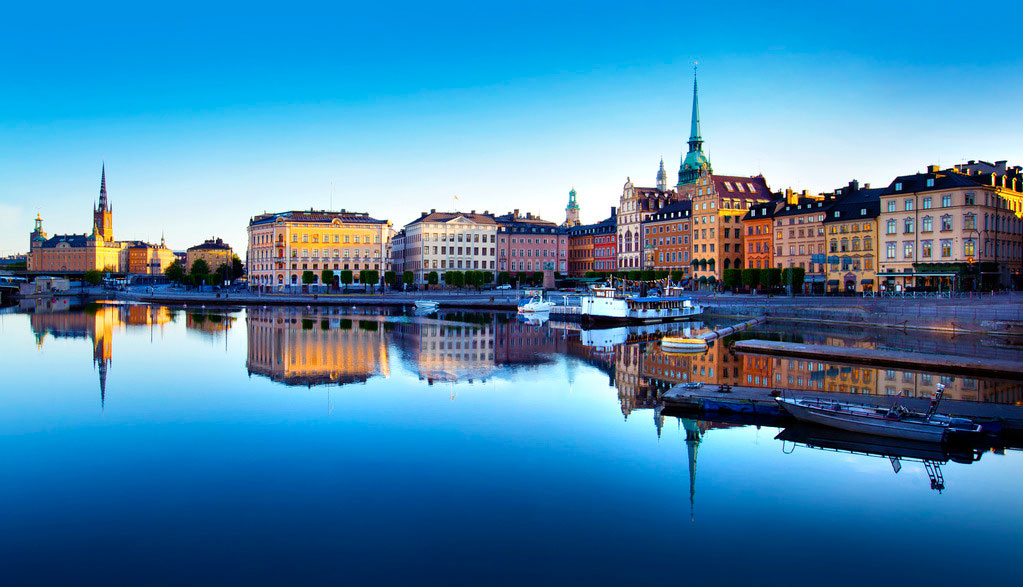
Sweden holidays feel completely different depending on the season – I visited in both winter and summer, and they felt like different countries. Summer Stockholm offered long evenings exploring Gamla Stan’s cobbled streets and island-hopping in the archipelago. Winter Lapland delivered the Northern Lights rippling green across the sky above a frozen lake. Both experiences were memorable, but in completely different ways. Sweden rewards visitors who understand its seasons.
Sweden stretches from Baltic beaches to Arctic wilderness. Stockholm is the main draw, but the country rewards exploration – whether chasing Northern Lights in Lapland or island-hopping in the archipelago.
Main Destinations
Stockholm
The capital spreads across 14 islands connected by bridges. Allow at least 3 days.
Key areas:
- Gamla Stan: The old town with cobblestone streets, colourful buildings, and the Royal Palace
- Djurgården: Island with the Vasa Museum, Skansen, and ABBA Museum
- Södermalm: Trendy neighbourhood with cafes, vintage shops, and views
Must-see:
- Vasa Museum: A 17th-century warship that sank on its maiden voyage, salvaged 333 years later. Remarkably preserved. Entry 190 SEK (~£15/$18).
- Royal Palace: One of Europe’s largest palaces with 600 rooms. Changing of the guard at 12:15 (1:15 Sundays). Entry 180 SEK.
- Skansen: World’s first open-air museum with historic buildings and a small zoo.
- ABBA Museum: Interactive pop museum. Entry 295 SEK.
Gothenburg
Sweden’s second city on the west coast. More relaxed than Stockholm, with a strong seafood and coffee culture.
Highlights:
- Archipelago: Ferries to car-free islands with fishing villages. Day trips or overnight stays.
- Liseberg: Major amusement park with Europe’s tallest free-fall ride.
- Haga: Historic neighbourhood with wooden houses and cinnamon buns.
- Feskekôrka: Indoor fish market in a building shaped like a church.
Malmö
Southern city connected to Copenhagen by the Öresund Bridge. Mix of medieval old town and modern architecture.
Highlights:
- Turning Torso: Iconic twisted skyscraper
- Lilla Torg: Charming square with cafes and restaurants
- Malmöhus Castle: Renaissance castle with museums
Swedish Lapland
Arctic region for Northern Lights, midnight sun, and wilderness.
Main spots:
- Abisko National Park: Best location in Sweden for Northern Lights (September-March). Hiking in summer.
- Kiruna: Mining town with the famous Icehotel (rebuilt each winter)
- Jokkmokk: Sami culture and annual winter market
Northern Lights
Best viewing from late September to late March. Swedish Lapland offers excellent conditions:
- Abisko: Mountain location blocks clouds, making it one of the most reliable viewing spots in Europe
- Kiruna and Jukkasjärvi: Close to Icehotel, easy to access
- Tours: Guided tours from 1,500-2,500 SEK
The lights aren’t guaranteed – you need clear skies and solar activity. Allow 3+ nights for best chances.
Costs
Sweden is expensive but manageable with planning.
Sample prices:
- Coffee and pastry: 70-90 SEK (~£5-7)
- Lunch special (dagens rätt): 100-150 SEK
- Restaurant dinner: 200-400 SEK
- Beer at a bar: 70-90 SEK
- Metro/bus single: 39 SEK (Stockholm)
- Hostel dorm: 300-400 SEK
- Budget hotel: 800-1,200 SEK
- Mid-range hotel: 1,200-2,000 SEK
Budget tips:
- Eat lunch specials (dagens rätt) – most restaurants offer fixed-price lunches
- Shop at supermarkets (ICA, Coop, Hemköp)
- Alcohol is expensive – buy at Systembolaget (state liquor stores)
- Museums often have free entry certain evenings
Getting Around
Trains: SJ operates intercity trains. Stockholm to Gothenburg takes 3 hours. Stockholm to Malmö takes 4.5 hours. Book ahead for cheaper fares.
Domestic flights: Useful for reaching Lapland quickly. Stockholm to Kiruna takes 1.5 hours.
Local transport: Efficient metro and bus in cities. Stockholm uses SL cards. Gothenburg and Malmö have their own systems.
Car rental: Useful for countryside exploration. Roads are excellent. About 600-900 SEK per day.
Food and Drink
Swedish classics:
- Köttbullar: Meatballs with lingonberry jam, cream sauce, and potatoes
- Gravlax: Cured salmon
- Smörgåsbord: Buffet spread with herring, salmon, meatballs, and more
- Kanelbullar: Cinnamon buns (try on Kanelbullens dag, October 4)
- Toast Skagen: Shrimp on toast with mayo and dill
Fika (coffee and cake breaks) is a national institution. Cafes everywhere.
Seafood is excellent on the west coast, especially in Gothenburg.
When to Visit
Summer (June-August): Midnight sun in the north. Best for outdoor activities, archipelago trips. Most expensive time.
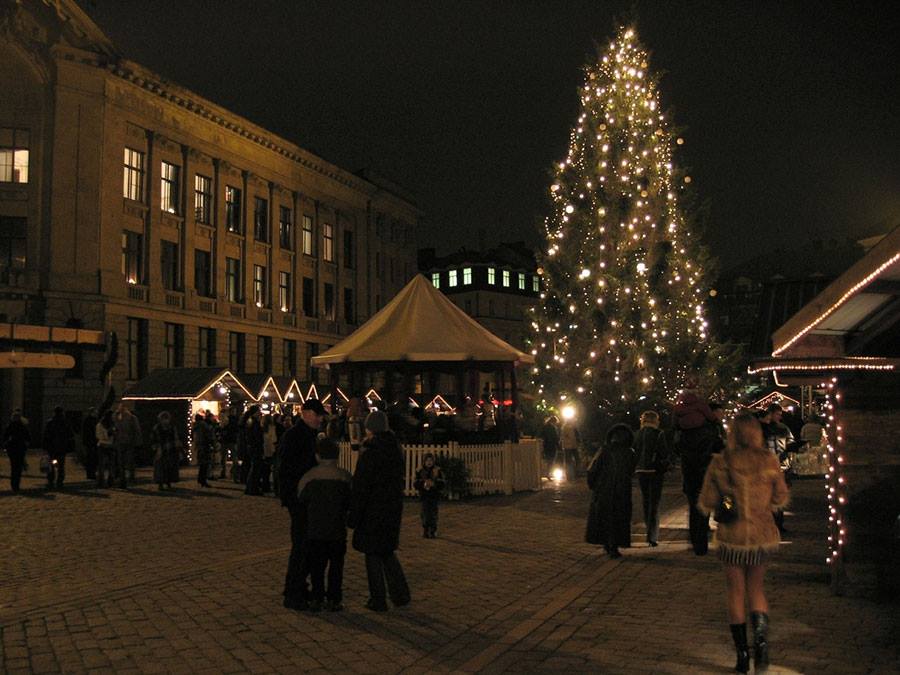
Winter (December-February): Northern Lights season. Cold but atmospheric. Christmas markets in December.
Spring (April-May): Fewer tourists, good weather starting. Still cold in the north.
Autumn (September-October): Northern Lights begin. Autumn colours in Lapland.
Practical Tips
- Cashless: Sweden is nearly cashless – cards accepted almost everywhere
- Language: English widely spoken
- Tipping: Not expected but appreciated (round up or 5-10%)
- Right of access (Allemansrätten): You can camp and forage almost anywhere on public land
- Alcohol: Sold only at Systembolaget stores (limited hours). Bars and restaurants are expensive.
- Visa: Schengen area. UK visitors need passport, no visa for stays under 90 days.
Frequently Asked Questions
Do I need a visa to visit Sweden?
Sweden is in the Schengen Area. UK visitors can stay up to 90 days in any 180-day period without a visa. Your passport must be valid for at least three months beyond your planned departure. The 90-day limit is cumulative across all Schengen countries.
What is the best time to visit Sweden?
Summer (June-August) offers midnight sun in the north, the best outdoor activities, and archipelago trips, though it’s the most expensive time. Winter (December-February) is ideal for Northern Lights and Christmas markets. September-October brings autumn colors in Lapland and the start of Northern Lights season.
What currency does Sweden use?
Sweden uses the Swedish Krona (SEK). Sweden is nearly cashless with cards accepted almost everywhere. Cash is rarely needed, making credit/debit cards essential for your visit.
What type of power plugs does Sweden use?
Sweden uses Type C and F plugs (two round pins, standard European). The voltage is 230V. UK visitors need a travel adapter, available at airports or electronics shops.
How much does it cost to visit Sweden?
Sweden is expensive but manageable. Expect to pay 70-90 SEK for coffee and pastry, 100-150 SEK for lunch specials, 300-400 SEK for hostel dorms, and 1,200-2,000 SEK for mid-range hotels. Budget around 800-1,000 SEK per day minimum. Lunch specials (dagens rätt) and supermarket shopping help reduce costs.
Is Sweden safe for tourists?
Sweden is very safe with low crime rates. Violent crime against tourists is rare. Use normal precautions in cities, watch belongings in crowded tourist areas, and be aware of your surroundings at night. If hiking or doing outdoor activities, check weather conditions and carry appropriate gear.