Places to Visit in Brazil: Travel Guide
Brazil is the fifth-largest country in the world, and the distances are hard to grasp until you look at a flight map: Rio de Janeiro to Manaus is around four hours in the air. Trying to see every one of the places to visit in Brazil in a single trip doesn’t work. Pick a region or two and give them proper time.
This guide covers the main options: Rio, the Amazon, Iguazu Falls, the best-known beaches, the Pantanal and Carnival, followed by practical information on visas, seasons, money and safety.
Rio de Janeiro: More Than Just a Postcard
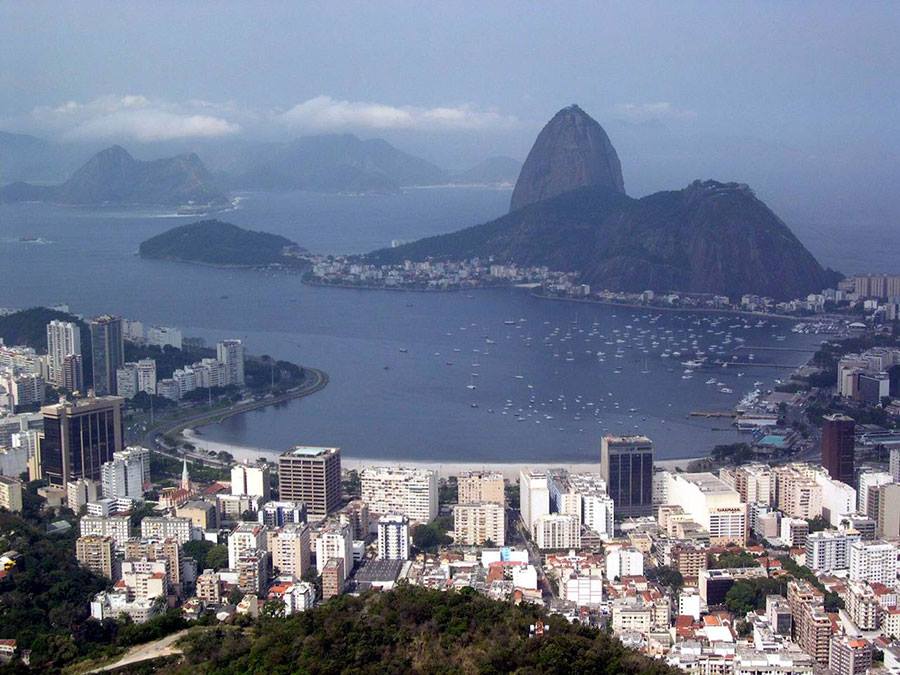
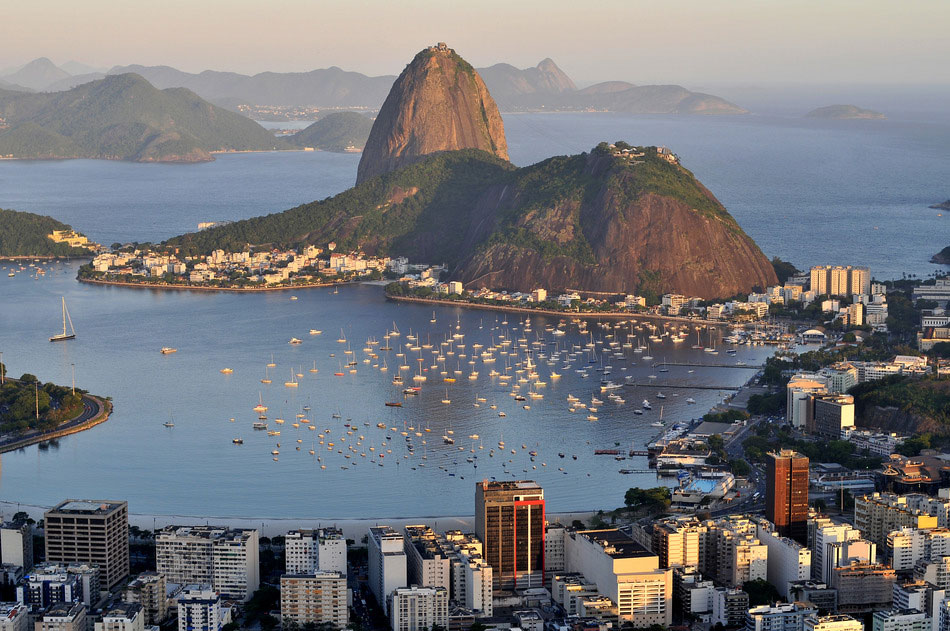
Everyone knows the images: Christ the Redeemer with arms outstretched, Sugarloaf Mountain rising from the bay, the curve of Copacabana beach. The neighbourhoods between them are worth as much of your time.
Christ the Redeemer
It is busy and touristy, and still worth the trip. The statue is 30 metres tall (38 metres with its pedestal) and stands on Corcovado, a peak about 700 metres high, so the views across the city are huge. Go early in the day, before the crowds build and the summit platform heats up.
The cog railway from Cosme Velho is the classic way up, and queues there can get long, so book a timed ticket online for weekends and holidays. Official vans run from Paineiras and a couple of other pick-up points in the city. Our Christ the Redeemer guide has current fares and the hiking route.
If cloud covers the summit, it often comes and goes, so waiting a little can pay off.
Sugarloaf Mountain
The Sugarloaf cable car runs in two stages: first to Morro da Urca (220 metres), then on to the 396-metre summit. The views take in Copacabana, Ipanema and Guanabara Bay, and sunset is the most popular time to go up.
Check current ticket prices on the operator’s site before you go. Climbers know the three peaks well: together they have more than 270 routes, one of the largest urban climbing areas in the world. Hikers can walk up to Morro da Urca and pick up the cable car from there.
Beyond the Tourist Trail
Santa Teresa, on the hill above Lapa, is a historic district of old mansions, street art and bars, and home to many of the city’s artists. The yellow bonde tram reopened after a long closure, but check it’s running before you plan around it. Walking in and out of the neighbourhood after dark isn’t advised; take a taxi.
Lapa comes alive at night. The 18th-century aqueduct arches stand over streets full of samba venues and caipirinha stalls, and weekends are packed. Keep an eye on your valuables and your phone.
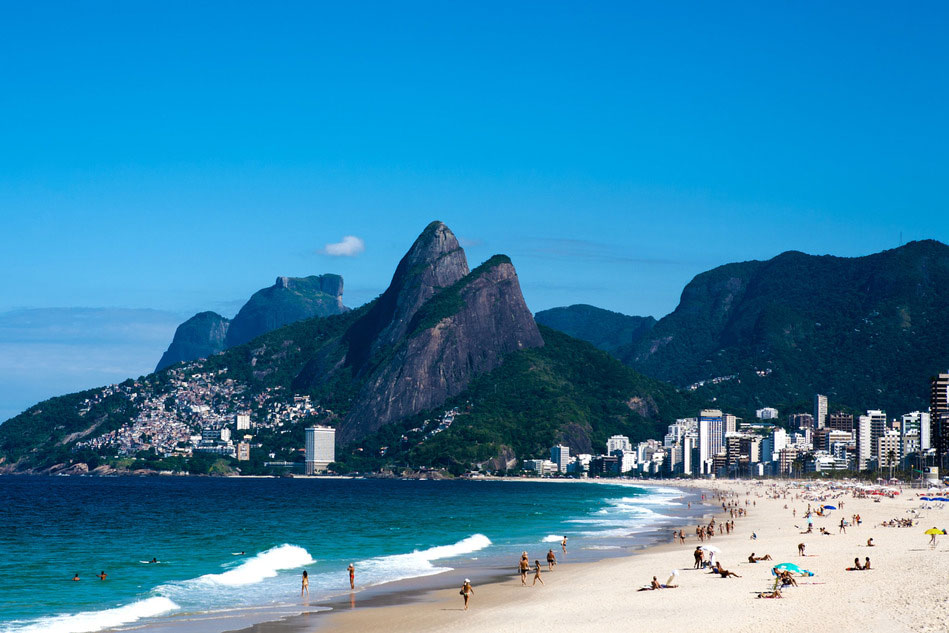
Copacabana is the best-known beach and the busiest. Ipanema and Leblon, next along the coast, make up the rest of the main South Zone stretch, and Barra da Tijuca is further west.
The Amazon: Into the Green
Manaus, a city of more than two million people, is the gateway to the Brazilian Amazon. It isn’t a day trip: allow at least three or four days to get any real sense of the rainforest.
Most visitors stay at jungle lodges reached by boat or road from Manaus, some within 40 km of the city and others 200 km or more away. Areas on the Rio Negro have fewer mosquitoes but also fewer animals. Lodge prices vary widely, and most packages include meals, guides and activities, so compare what’s included before you book.
What You Will Actually Do
Amazon tours typically involve:
- Canoe trips through flooded forest (varzea) looking for wildlife
- Piranha fishing, and yes, you eat what you catch
- Night trips by boat, spotting caimans by torchlight
- Village visits to meet ribeirinho (riverside) communities
- Jungle walks with guides explaining medicinal plants
The Meeting of the Waters, a short boat ride from Manaus, is where the dark Rio Negro meets the paler Solimões and the two run side by side without mixing for several kilometres. Most half-day tours include it.
Anavilhanas Archipelago
Upstream from Manaus on the Rio Negro, Anavilhanas National Park protects an archipelago of more than 400 river islands. When the water level drops, white-sand beaches appear along the islands and you can swim in the dark, warm river water.
Iguazu Falls: Raw Power
Iguazu Falls straddles the border with Argentina. The edge of the falls runs for about 2.7 kilometres, and the number of separate drops ranges from about 150 to 300 depending on the water level (275 is the figure usually quoted). About half the river pours into the Devil’s Throat, a narrow chasm 70 to 80 metres deep with the border running through it.
The Brazilian side has the walkway with the panoramic view. The Argentine side gets you closer, with a trail that runs out over the Devil’s Throat and walkways through the forest. The two feel very different, so do both if you can.
Budget two days, one for each side, and check each park’s entry fee on its official site before you go. The Brazilian town of Foz do Iguaçu has plenty of places to stay.
Brazilian Beaches
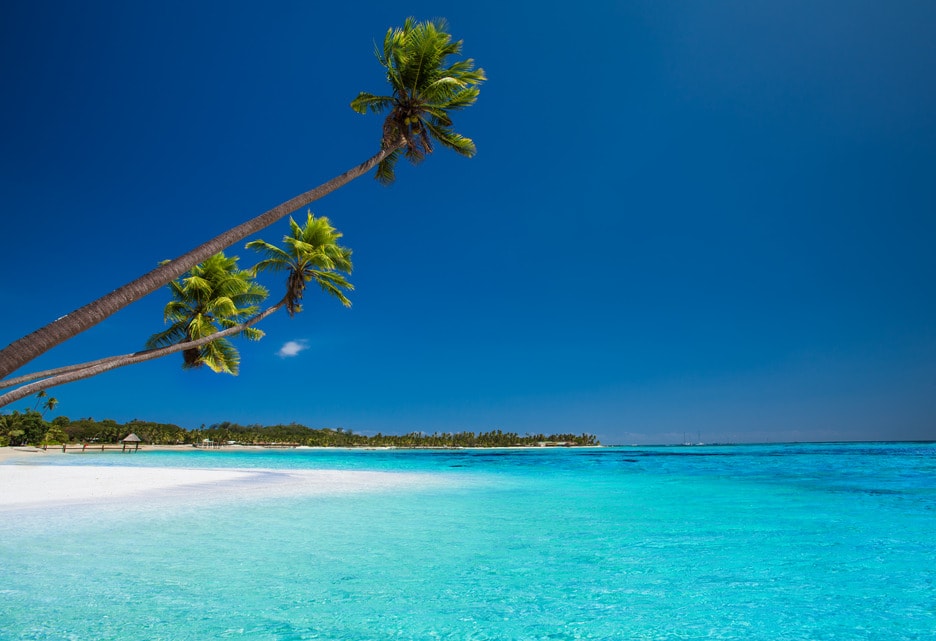
Brazil has around 7,500 kilometres of coastline. Beyond Rio, four places stand out.
Florianópolis in the south is built largely on an island with dozens of beaches, from sheltered family bays to surf breaks such as Joaquina, Campeche and Praia Mole. Ribeirão da Ilha, the island’s oldest settlement, still has its 1806 church.
Jericoacoara (Jeri) in the northeast is a village of sand streets where you can’t park a car; vehicles stay in a lot at the entrance. It is one of the best windsurfing and kitesurfing spots in Brazil, and every evening a crowd climbs the Sunset Dune to watch the sun go down over the sea, a rare view on Brazil’s coast. Getting there from Fortaleza takes about five hours by 4×4 transfer, longer by bus.
Ilha Grande near Rio has no roads and bans motor vehicles, but more than 150 km of hiking trails link its villages and beaches. The best-known beach, Lopes Mendes, is about a two-hour hike from Vila do Abraão.
Fernando de Noronha is the bucket-list option: a volcanic archipelago 354 kilometres off the coast, with a large resident population of spinner dolphins, one of the reasons it became a UNESCO World Heritage Site. Tourism is restricted to protect the ecosystem, so it is expensive and needs advance planning.
The Pantanal: Brazil’s Best Wildlife
The Amazon gets more attention, but the Pantanal, the world’s largest tropical wetland, is usually the easier place to see big animals because the terrain is open. It has one of the largest and healthiest jaguar populations on Earth, along with giant anteaters, capybaras and hundreds of bird species.
Most rain falls between November and March. The dry season after that concentrates animals around the remaining water, so sightings are easier. Many visitors drive the Transpantaneira, the road from Poconé to Porto Jofre, staying at lodges along the way.
Carnival: Organised Chaos
Rio Carnival is the big one: the samba schools parading through the Sambadrome, the street parties (blocos) that take over whole neighbourhoods, the costumes and the crowds. It takes place just before Lent, usually in February.
Sambadrome tickets sell well in advance and prices depend heavily on the seat sector, so book months ahead. The street parties are free and run all day and night across the city.
Salvador’s Carnival is the other famous one, built around Afro-Brazilian rhythms and trio elétrico sound trucks that drive through the crowds. It is less organised than Rio’s and more intense.
Accommodation and transport prices rise sharply around Carnival. Book as early as you can, or stay in a neighbouring city and travel in.
Food and Drink
Brazilian food deserves more attention abroad. Beyond churrasco (grilled meat, often all-you-can-eat) and feijoada (black bean and pork stew), look out for:
- Moqueca: Bahian fish stew cooked in palm oil and coconut milk
- Acarajé: deep-fried black-eyed pea fritters filled with shrimp, a street-food staple in Salvador
- Pão de queijo: chewy cheese bread balls
- Açaí: in Brazil it’s thicker and less sweet than the versions sold abroad
The classic drink is the caipirinha (cachaça, lime and sugar). There’s also the caipiroska, made with vodka, and fruit versions such as passion fruit. Beer comes very cold.
Practical Information
When to go: Brazil spans the equator, so the weather varies a lot by region. In Rio, December to March is hot, humid and the wettest period, while June to August is driest and milder. Around Manaus the rainy season runs roughly from December to May, and May to August is a good time for jungle tours. Rio’s beaches are at their busiest in the January summer holidays.
Getting around: Domestic flights are the only practical way to cover long distances; Rio to Manaus is about four hours. Buses work for shorter routes but get tiring on journeys of 12 hours or more. Book internal flights ahead for better fares.
Safety: Brazil has a reputation for crime, and some of it is deserved. Don’t show off valuables, avoid deserted areas at night, and use a ride-hailing app or a metered taxi rather than accepting fixed-price offers at tourist spots. Millions of tourists visit safely every year.
Money: The currency is the Brazilian real (R$). Cards work widely in cities, but carry cash for small towns and the Amazon.
Language: Portuguese, not Spanish. A few basic phrases are appreciated.
Frequently Asked Questions
Do I need a visa to visit Brazil?
It depends on your nationality. UK citizens can visit visa-free for tourism for up to 90 days. Since 10 April 2025, US, Canadian and Australian citizens need an e-visa, applied for online before travel. Japanese citizens are visa-exempt under a 2023 agreement. Check the current rules for your passport before you book.
When is the best time to visit Brazil?
It depends on the region. Rio is wettest from December to March and driest from June to August. Around Manaus the rains run from roughly December to May. If you’re going for Carnival, book months ahead.
What currency is used in Brazil?
The Brazilian real (R$). Cards work in cities, but carry cash for smaller towns and the Amazon.
What language is spoken in Brazil?
Portuguese, not Spanish. Some English is spoken in tourist areas, and a few Portuguese phrases go a long way.
How expensive is Brazil?
Costs vary widely by region and travel style. The big extras are usually domestic flights, Amazon lodge packages (which normally include meals, guides and activities) and anything around Carnival, when accommodation prices rise sharply. Booking internal flights early helps.
Is Brazil safe for tourists?
Brazil has a reputation for crime, but millions of tourists visit safely every year. Don’t flash valuables, avoid deserted areas at night, and use a ride-hailing app or metered taxi rather than fixed-price offers at tourist spots.