Venezuela Holidays: Travel Guide & Tips
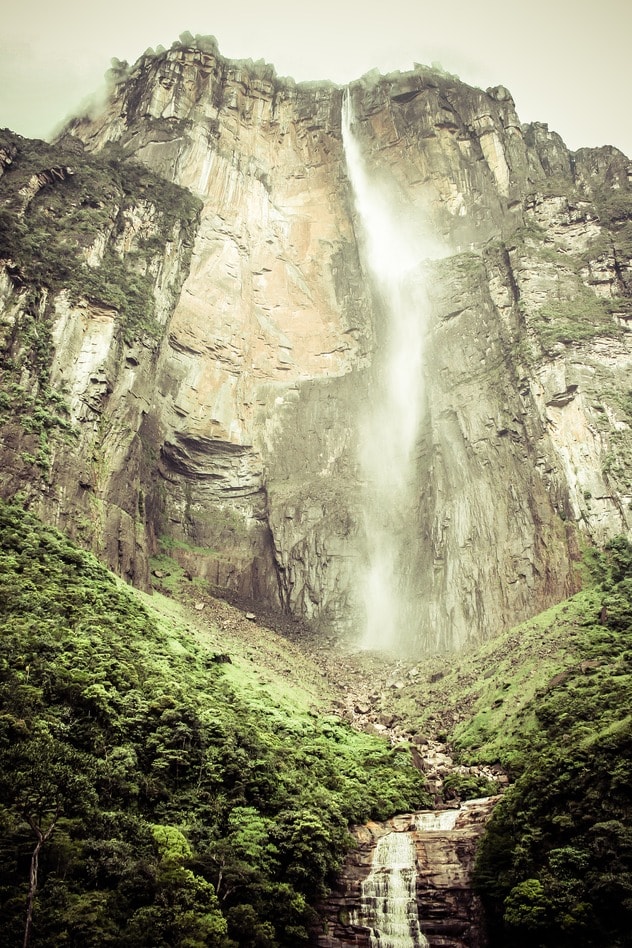
Venezuela holidays offer some of South America’s most spectacular natural attractions – Angel Falls (the world’s highest waterfall), the tabletop mountains of Canaima, and the Caribbean islands of Los Roques. However, the country faces ongoing political and economic instability. Check your government’s travel advisories before planning any trip.
Current Situation
Most Western governments currently advise against all or all but essential travel to Venezuela due to crime, civil unrest, and shortages of basic goods. If you do travel, use reputable tour operators, register with your embassy, and have comprehensive insurance.
Main Attractions
Angel Falls (Salto Ángel)
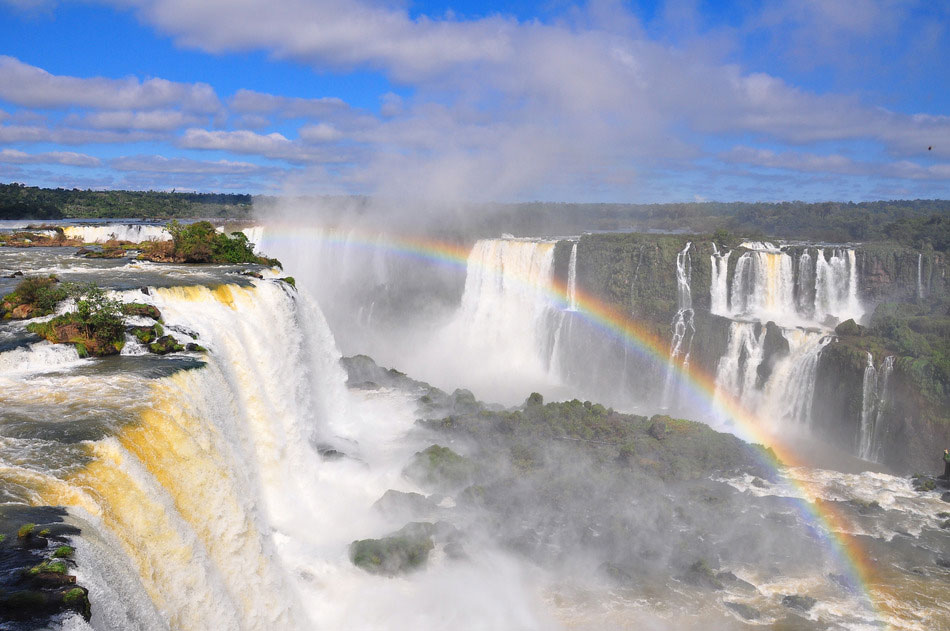
The world’s highest uninterrupted waterfall drops 979 metres from Auyán-tepui mountain in Canaima National Park. The falls are remote – access is typically by:
- Fly to Canaima (from Caracas or Ciudad Bolívar)
- 4-5 hour boat trip up the Carrao and Churún rivers
- Hike through rainforest to viewing points
Best visited during rainy season (June-November) when water flow is strongest, though clouds can obscure views. Dry season (December-May) has clearer skies but reduced flow.
Tours typically run 2-3 days from Canaima village, including camping near the falls.
Canaima National Park
UNESCO World Heritage site covering 30,000 square kilometres. Features flat-topped tepui mountains, jungle, waterfalls, and indigenous Pemón communities. Canaima Lagoon has pink sand beaches and smaller waterfalls you can swim beneath.
Los Roques Archipelago
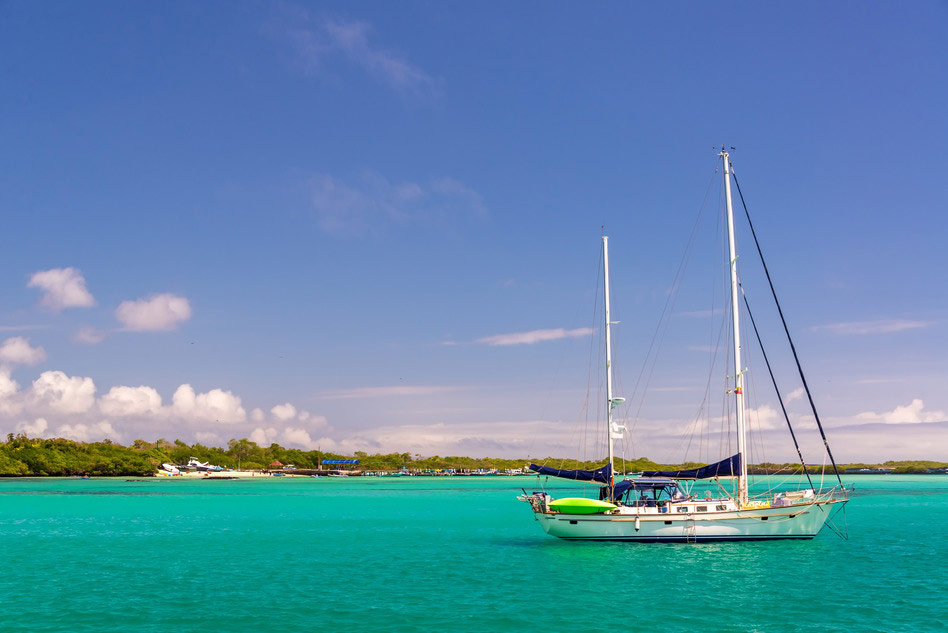
National park of 350+ islands and cays in the Caribbean, about 160km from the mainland. Crystal clear water, white sand, and excellent snorkelling/diving. One of the Caribbean’s best-preserved marine environments.
- Flights from Caracas (40 minutes)
- Main island: Gran Roque (basic accommodation, restaurants)
- Day trips to surrounding cays for beaches and snorkelling
- Good for kitesurfing (consistent trade winds)
Mount Roraima
2,810-metre tabletop mountain at the border of Venezuela, Brazil, and Guyana. The flat summit inspired Arthur Conan Doyle’s “The Lost World.” Trek takes 5-6 days from Venezuela.
Unique ecosystem with endemic species found nowhere else. Unusual rock formations, sinkholes, and often shrouded in cloud.
Margarita Island
Caribbean island popular with domestic tourists. Beaches, duty-free shopping, and watersports. El Yaque beach is known for windsurfing and kitesurfing.
Mérida
Andean city and base for mountain activities. Teleférico cable car (world’s longest when operating) reaches near the peak of Pico Espejo. Trekking, paragliding, and mountain biking in surrounding area.
Caracas
The capital is home to most international arrivals. Sights include:
- Parque Nacional El Ávila: Mountain park overlooking the city, accessible by cable car
- Museo de Arte Contemporáneo: Modern art collection
- Plaza Bolívar: Historic centre
- Panteón Nacional: Tomb of Simón Bolívar
Caracas has significant security concerns – use taxis from reputable companies, avoid displaying valuables, and don’t walk at night.
Food
Venezuelan dishes to try:
- Arepas: Corn flatbreads stuffed with various fillings (cheese, beans, shredded beef)
- Pabellón criollo: National dish of shredded beef, black beans, rice, and fried plantain
- Cachapas: Sweet corn pancakes, often with cheese
- Tequeños: Cheese-filled fried pastries
- Pisca Andina: Andean chicken soup with potato and egg
Practical Information
Visa: Many nationalities need a visa arranged in advance.
Currency: Venezuelan Bolívar, though US dollars widely used. Cash shortages common.
Language: Spanish
When to visit: Dry season (December-May) for most areas; rainy season (June-November) for fuller waterfalls.
Health: Yellow fever vaccination required for some areas. Malaria risk in jungle regions.
Getting There
Simón Bolívar International Airport (CCS) near Caracas is the main international gateway. Limited international flight options due to economic situation – check current schedules.
Frequently Asked Questions
Do I need a visa to visit Venezuela?
Many nationalities require a visa arranged in advance. UK, EU, US, Canadian, and Australian citizens typically need visas before arrival. However, most Western governments currently advise against all or all but essential travel to Venezuela due to political instability, crime, and civil unrest. Check your Foreign Office travel advisory and current Venezuelan visa requirements before planning.
What is the best time to visit Venezuela?
The dry season (December-May) is best for most areas with clearer skies and easier access to attractions. However, visit Angel Falls during the rainy season (June-November) when water flow is strongest – though clouds may obscure views. Dry season offers better visibility but reduced waterfall flow. Los Roques and coastal areas are accessible year-round.
What currency does Venezuela use?
Venezuela uses the Venezuelan Bolívar (VES), though the economy has experienced severe hyperinflation. US dollars are widely accepted and preferred. Cash shortages are common, so carry sufficient US dollars in small denominations. Credit cards may not work reliably. The economic situation is volatile – check current conditions before travel.
Is Venezuela safe for tourists?
Most governments currently advise against travel to Venezuela due to high crime rates, civil unrest, and shortages of basic goods. If you do travel, use only reputable tour operators, register with your embassy, avoid demonstrations, don’t display valuables, and have comprehensive travel insurance with evacuation coverage. The security situation can change rapidly.
How do I get to Angel Falls?
Angel Falls is remote and requires organized tours. The typical route is: fly from Caracas or Ciudad Bolívar to Canaima village, then take a 4-5 hour boat journey up the Carrao and Churún rivers, followed by hiking through rainforest. Tours typically last 2-3 days with camping near the falls. Independent access is not feasible.
What vaccinations do I need for Venezuela?
Yellow fever vaccination is required for entry to many areas, especially jungle regions including Canaima National Park. Hepatitis A and typhoid vaccinations are recommended. Malaria prophylaxis is advised for jungle and remote areas. Consult a travel health specialist at least 6-8 weeks before departure for personalized advice based on your itinerary.