Places to Visit in Chile: Travel Guide
Chile makes no geographical sense. This absurdly thin country stretches 4,300 kilometres from the Atacama Desert to the glaciers of Patagonia, but averages just 177 kilometres wide. You could drive from the Pacific coast to the Argentine border in a couple of hours, but travelling north to south takes days. The result is a country that feels like several different worlds stacked on top of each other.
I spent a month working my way down from San Pedro de Atacama to Torres del Paine, and the places to visit in Chile were staggeringly varied. Bone-dry salt flats and flamingo-dotted lagoons in the north. Lush vineyards and cosmopolitan Santiago in the middle. Ancient forests, volcanic lakes, and finally the extraordinary peaks and glaciers of Patagonia in the south. Chile rewards those willing to cover the distance.
Santiago: More Than a Transit Hub
Most visitors treat Santiago as somewhere to pass through on the way to Patagonia or the desert. That is a mistake. Chile’s capital is a genuinely interesting city that deserves at least two or three days.
The city sits in a valley surrounded by the snow-capped Andes, which means on clear days the mountain views from almost anywhere are spectacular. The Cerro San Cristóbal funicular takes you 880 metres up for panoramic views across the entire metropolitan area and out to the cordillera. Go at sunset if possible.
Santiago’s barrios each have distinct personalities. Lastarria is the bohemian quarter – boutique hotels, sidewalk cafes, and the excellent Museo de Bellas Artes. Bellavista at the foot of San Cristóbal has Pablo Neruda’s quirky house museum, La Chascona, and the city’s best nightlife. Providencia is more upscale and residential. Italia is emerging as the hip neighbourhood, with craft breweries and design shops in converted houses.
The Mercado Central, housed in an ornate iron building, is worth visiting for lunch even if you do not care about fish markets. The restaurants inside serve some of the freshest seafood in South America – try the congrio frito (fried conger eel) or a proper caldillo de congrio (conger eel soup).
Costs: Santiago is affordable by European standards. Expect to pay 15,000-25,000 CLP (£13-22) for a good lunch, 30,000-50,000 CLP (£26-44) for dinner with wine. Mid-range hotels run 60,000-100,000 CLP (£52-87) per night.
The Atacama Desert
The driest desert on Earth, and one of the best places in the world for stargazing. The town of San Pedro de Atacama is the base for exploring this otherworldly landscape.
Valle de la Luna
About 13 kilometres from San Pedro, this valley really does look like the moon’s surface – wind-eroded salt formations, craters, and not a plant in sight. The classic visit is for sunset, when the salt crystals catch the fading light and the distant volcanoes turn pink. Tours leave San Pedro every afternoon (around 15,000 CLP / £13), or you can rent a bike and cycle out.
Geysers del Tatio
The world’s highest geyser field sits at 4,320 metres elevation, and the only time to visit is dawn, when the cold air makes the steam columns most dramatic. This means leaving San Pedro around 4am, which is brutal but worth it. The geysers erupt in the freezing pre-dawn darkness, steam billowing against the stars, and as the sun rises the entire field comes alive. Tours include breakfast cooked over the geothermal vents.
Altitude warning: The high elevation hits hard. Take the first day easy, drink plenty of water, and consider coca leaf tea.
Stargazing
The Atacama has some of the clearest skies on the planet – it is not a coincidence that major international observatories are located here. Several operators in San Pedro offer astronomical tours with serious telescopes, not just tourist-grade equipment. SPACE and Alarkapin are well-regarded. Tours run around 25,000-35,000 CLP (£22-30) and book up, so reserve a few days ahead.
Practical Details for Atacama
San Pedro is small, dusty, and built entirely around tourism. Accommodation ranges from basic hostels (15,000 CLP / £13) to boutique hotels (150,000+ CLP / £130+). Most tours leave from the main street, and there are dozens of agencies – quality varies, so read reviews. The town is at 2,400 metres; the main attractions go higher.
Bring warm layers – the desert gets cold at night, dropping to near freezing even in summer. Sun protection is essential during the day.
Chilean Patagonia
This is why most people come to Chile. The southern third of the country contains some of the most dramatic scenery in South America: granite towers, massive glaciers, ancient forests, and that particular quality of light you only get in high latitudes.
Torres del Paine National Park
The crown jewel. Torres del Paine covers 227,000 hectares of mountains, glaciers, lakes, and guanaco-filled grasslands. The three granite towers that give the park its name are among the most photographed peaks in the world.
Two main trekking routes draw most visitors:
The W Trek takes four to five days and covers the park’s highlights – the towers themselves, the French Valley, and Grey Glacier. Most people walk it camping in the park’s refugios (mountain huts with beds and hot meals) or carrying a tent to designated campsites. Book well ahead in peak season – spots fill up months in advance.
The O Circuit adds another three to four days, completing a loop around the entire Paine massif. More remote, more challenging, and significantly less crowded than the W.
Day visitors can drive to several viewpoints and do shorter walks. The Mirador Base Torres hike (18km return, 8-10 hours) reaches the base of the towers and is doable as a very long day trip.
Costs: Park entry is 38,000 CLP (£33) for foreigners in high season. Refugio bunks run 60,000-100,000 CLP (£52-87) per night including meals. Camping is cheaper but you need gear.
Best time: November to March (Chilean summer). December and January are peak season with the best weather but biggest crowds. March can be excellent – fewer people, autumn colours, but shorter days and less predictable weather.
Grey Glacier
One of the most accessible glaciers in Patagonia. You can kayak among icebergs, take a boat trip to the glacier face, or hike on the ice itself with crampons and a guide. The blue-white ice extending to the horizon, with house-sized chunks calving into the lake, is genuinely impressive.
Puerto Natales
The gateway town to Torres del Paine, about 100 kilometres from the park entrance. Most hikers spend at least one night here stocking up on supplies and recovering. The town is functional rather than charming, but has good restaurants serving Patagonian lamb and reasonable accommodation. Buses to the park leave several times daily in season.
The Lake District
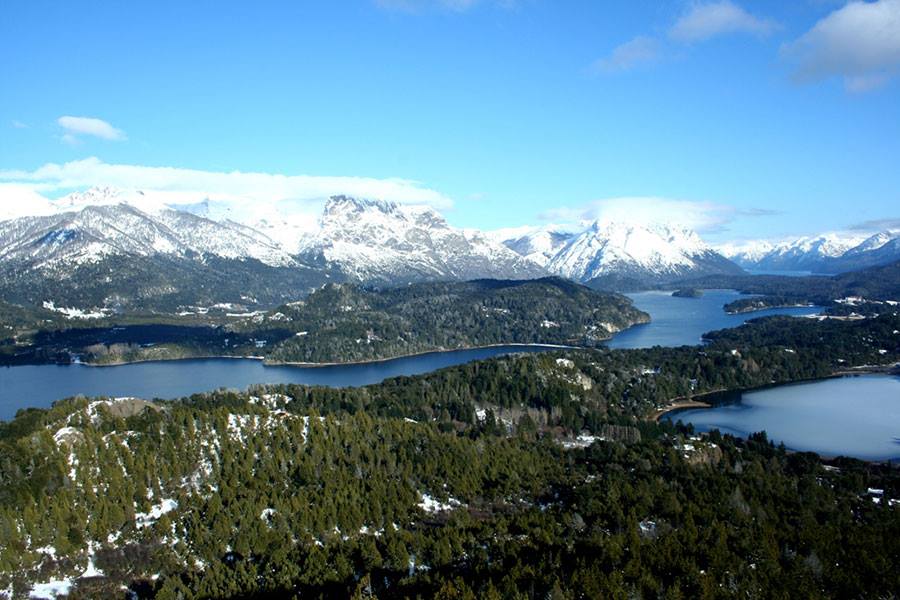
Between Santiago and Patagonia lies Chile’s Lake District – volcanic peaks, emerald lakes, and forests that feel more like Switzerland than South America. If you are driving south, this is the logical place to break the journey.
Pucón
The adventure sports capital of Chile. This small town sits on Lago Villarrica beneath the perfectly conical Villarrica Volcano, one of the most active in South America. On clear days the smoking crater is visible from town.
The volcano climb is the main attraction – a 6-8 hour guided ascent to the crater rim, followed by sliding down the snow on your backside. It sounds touristy but is genuinely exhilarating. Tours run around 90,000 CLP (£78) including all equipment. The climb only runs on days with good visibility and low volcanic activity, so build flexibility into your schedule.
Beyond the volcano: white water rafting on the Trancura River, hot springs everywhere you look, hiking trails through Araucaria forests, and in winter, skiing at the small resort on Villarrica’s slopes.
Valparaíso
Not technically the Lake District, but many travellers combine it with a Santiago visit. This chaotically beautiful port city tumbles down hillsides to the Pacific, its tin-roofed houses painted every colour imaginable. The historic centre is a UNESCO World Heritage site.
Take the funiculars (ascensores) that climb the steep hills – these are public transport, not tourist attractions, though they serve both purposes. Wander the graffiti-covered streets of Cerro Alegre and Cerro Concepción. Eat chorrillana (fries topped with fried steak, onions, and eggs) at a local bar.
Valparaíso is about 90 minutes from Santiago by bus and works as a day trip, though an overnight stay lets you experience the port’s nightlife.
Easter Island
Technically Chilean territory, though it sits 3,700 kilometres off the coast in the middle of the Pacific. Easter Island (Rapa Nui in the local language) is home to nearly 900 moai – those iconic giant stone heads that have become symbols of mystery and ancient civilization.
The island is small (24km by 12km) and can be circled in a day. But the moai are scattered across numerous sites, and understanding the history and culture takes time. Plan at least three days, ideally more.
Getting there is expensive – flights from Santiago cost £500-800 return, and there is no alternative. Once there, accommodation and food are pricier than mainland Chile due to everything being imported.
Despite the cost and remoteness, Easter Island is worth the effort if you are interested in archaeology or simply want to see something utterly unique. Standing at Ahu Tongariki at sunrise, watching the light hit fifteen moai in a row, stays with you.
Wine Country
Chile is one of the world’s great wine-producing countries, and the valleys near Santiago offer easy access to vineyards.
The Maipo Valley, just south of Santiago, specialises in Cabernet Sauvignon. Concha y Toro is the biggest name and offers slick tours; smaller operations like Antiyal and De Martino provide more intimate experiences.
The Casablanca Valley, between Santiago and Valparaíso, is known for cool-climate whites – Sauvignon Blanc and Chardonnay. This area works well as a stop en route to the coast.
Colchagua Valley, further south, is developing a reputation for premium reds and has excellent boutique wineries. The town of Santa Cruz makes a good base.
Practical Information
Getting there: Santiago’s Arturo Merino Benítez Airport has direct flights from Europe (Madrid, Paris, Amsterdam), North America, and across South America. Flight time from London is around 14-15 hours with a connection.
Getting around: Chile’s size means domestic flights are often necessary. LATAM and Sky Airline connect all major destinations. Buses are excellent for shorter distances – companies like Turbus and Pullman run comfortable overnight services with fully reclining seats (cama class). Renting a car makes sense in the Lake District and Carretera Austral but is less useful in Patagonia where distances are vast and roads limited.
Money: Chilean Peso (CLP). Roughly 1,150 CLP to £1. ATMs are widespread; credit cards accepted in cities and tourist areas. Patagonia and remote areas need cash.
Language: Spanish. English is uncommon outside tourist services. Basic Spanish helps enormously.
When to visit: October to April for most destinations. Atacama is year-round but avoid July-August when it can cloud over. Patagonia is strictly summer (November to March) unless you are skiing.
Budget: Chile is mid-range by South American standards. Budget backpackers can manage on £35-50 per day with hostels and cooking. Comfortable travel runs £80-120 per day. Patagonia pushes costs higher due to park fees and limited competition.
Frequently Asked Questions
Do I need a visa to visit Chile?
UK, US, Canadian, EU, and Australian citizens do not need a visa for tourist visits up to 90 days. Your passport must be valid for at least six months beyond your planned departure date. No advance visa application is required.
What is the best time to visit Chile?
October to April for most destinations. The Atacama Desert is good year-round but avoid July-August when clouds can obscure stargazing. Patagonia is strictly summer season (November to March) for trekking, with December and January offering the best weather but biggest crowds. March brings fewer people and autumn colours. Santiago and wine country are pleasant most of the year.
What currency is used in Chile?
The Chilean Peso (CLP), with roughly 1,150 CLP to £1. ATMs are widespread in cities and tourist areas. Credit cards are widely accepted. Patagonia and remote areas require cash as card facilities are limited.
What type of power plugs does Chile use?
Chile uses Type C and L plugs (two round pins). Voltage is 220V. UK visitors need a travel adapter. US visitors need both an adapter and should check if their devices support 220V.
How much does it cost to visit Chile?
Chile is mid-range by South American standards. Budget backpackers can manage on £35-50 per day with hostels and self-catering. Comfortable travel runs £80-120 per day. Santiago meals cost 15,000-25,000 CLP (£13-22) for lunch and 30,000-50,000 CLP (£26-44) for dinner. Patagonia is more expensive due to park fees (38,000 CLP / £33) and limited accommodation options.
Is Torres del Paine worth visiting?
Yes, Torres del Paine is one of South America’s most spectacular national parks and justifies the journey south. The W Trek takes four to five days and covers the park’s highlights including the granite towers, French Valley, and Grey Glacier. Book refugios or campsites months in advance for peak season. Day visitors can also drive to viewpoints and do shorter walks like the Mirador Base Torres hike.