Galapagos Islands Wildlife: Travel Guide
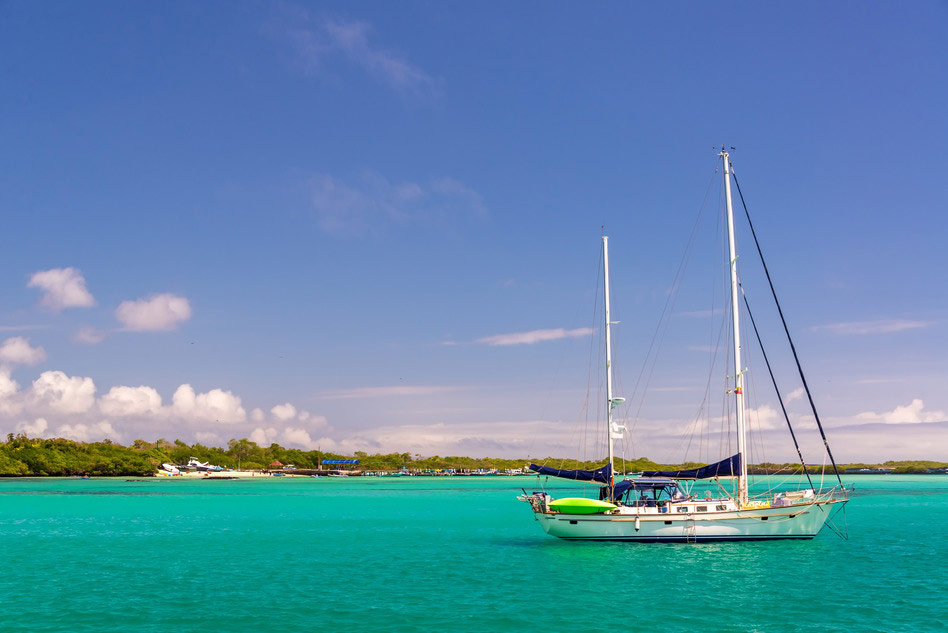
The Galapagos Islands changed Charles Darwin’s understanding of life on Earth. They changed mine too – though in a different way. I spent ten days there, split between a cruise and land-based exploration, and came away with an appreciation for Galapagos Islands wildlife that no zoo or documentary can match. Here, the animals have never learned to fear humans. Sea lions sleep on park benches. Blue-footed boobies perform their mating dance a metre from your feet. Marine iguanas regard you with prehistoric indifference. It is wildlife viewing unlike anywhere else.
The archipelago sits 1,000km off the coast of Ecuador – nineteen major islands plus countless islets formed by volcanic activity. Each island has its own character and often its own endemic species. This isolation created Darwin’s laboratory of evolution: finches with different beaks, tortoises with different shells, each adapted to their specific island’s conditions.
This is not a cheap destination – the park fees, the flights, and the tours add up quickly. But for anyone interested in wildlife, natural history, or simply experiencing one of Earth’s most unique places, the Galapagos rewards every dollar spent.
Wildlife
The animals are the main attraction, and they do not disappoint.
Iconic Species
Giant tortoises – The islands’ namesake (galápago means tortoise in Spanish). Some individuals live over 150 years. See them at the Charles Darwin Research Station on Santa Cruz or roaming wild in the highlands. Lonesome George, the last of his subspecies, died in 2012; his story illustrates both the fragility and the conservation successes here.
Marine iguanas – The world’s only seagoing lizard, found nowhere else. They bask on volcanic rocks in piles, sneeze salt, and swim to feed on algae. Their appearance inspired the Godzilla design.
Blue-footed boobies – Their bright blue feet and elaborate mating dance make them crowd favourites. The males lift their feet in a slow-motion strut, presenting their blue assets to potential mates.
Galapagos penguins – The only penguins living north of the equator. Small and endearing, they breed on Isabela and Fernandina islands.
Sea lions – Everywhere. On beaches, on boats, on benches. The pups are particularly playful; adults can be territorial on beaches during mating season.
Darwin’s finches – Thirteen species, each with beaks adapted to different food sources. More interesting historically than visually.
Frigatebirds – Males inflate enormous red throat pouches during courtship displays.
Waved albatrosses – Breed only on Española Island; their elaborate bill-fencing courtship ritual is spectacular.
Wildlife Viewing
The animals show remarkably little fear of humans, a consequence of evolution without land predators. You will walk past nesting birds, step over sleeping sea lions, and have close encounters that would be impossible anywhere else. Guides enforce a two-metre distance rule, but the animals often close the gap themselves.
The Islands
Thirteen major islands and dozens of smaller ones make up the archipelago. Most visitors see several, either by cruise or day trips from land bases.
Santa Cruz
The tourism hub, with the town of Puerto Ayora offering hotels, restaurants, and tour operators. Most visitors spend at least a night here.
Charles Darwin Research Station – The conservation and breeding centre where you can see giant tortoises of various subspecies. Educational and essential. Free entry (park fee covers it).
Tortoise Highlands – The misty highlands host wild giant tortoises roaming through farmland and forest. Tours (USD 30-50 / £24-40) include transport and often combine with lava tunnels.
Tortuga Bay – A stunning white sand beach reached by a 2.5km paved path from town. Marine iguanas, sea lions, and occasionally sharks in the clear water. Free access.
Isabela Island
The largest island, shaped like a seahorse, with five volcanoes and excellent wildlife.
Los Tintoreras – An islet near Puerto Villamil where white-tipped reef sharks rest in lava channels. Tours (USD 35-45 / £28-36) include snorkelling with sea lions and penguins.
Sierra Negra Volcano – One of the world’s largest calderas. The hike (8-10km round trip) crosses lunar landscapes and offers views across the caldera and to neighbouring volcanoes.
Wall of Tears – A grim reminder of the penal colony that operated here until 1959. Prisoners built this wall from lava rocks for no purpose other than labour. The bike ride or walk there passes through good wildlife habitat.
San Cristóbal
The easternmost inhabited island and seat of the provincial capital, Puerto Baquerizo Moreno.
Frigatebird Hill – An easy walk from town to a breeding colony with views over the harbour.
Kicker Rock (León Dormido) – A dramatic rock formation rising from the sea, popular for snorkelling and diving with sharks, rays, and sea turtles.
Española
Remote and only accessible by cruise, home to the only breeding colony of waved albatrosses (April to December) and dense concentrations of blue-footed boobies.
Fernandina
The youngest and most volcanically active island, with some of the largest marine iguana colonies and entirely free of introduced species.
Bartolomé
Famous for Pinnacle Rock and panoramic views. The snorkelling here often includes Galapagos penguins.
How to Visit
Two main approaches: cruise-based or land-based with day trips. Each has trade-offs.
Cruise Ships
The traditional way to see the Galapagos. Ships range from 16-passenger yachts to 100-passenger expedition vessels. You sleep aboard, wake up at different islands, and make wet or dry landings for guided walks.
Advantages: More remote islands accessible, maximum wildlife variety, no time wasted on transfers.
Disadvantages: Cost (USD 3,000-10,000+ / £2,400-8,000+ per person for 7-8 days), seasickness potential, fixed itineraries.
Booking: Cruises operate on fixed itineraries rotating through specific islands. Book months in advance for peak season (June-September, December-January). Last-minute deals are possible but risky.
Land-Based
Stay in hotels on Santa Cruz, Isabela, or San Cristóbal and take day trips to nearby sites.
Advantages: More flexibility, lower cost, more time on specific islands.
Disadvantages: Limited island access (remote islands require multi-day cruises), more transit time, less immersive experience.
Day trips cost USD 80-200 (£64-160) depending on destination and included activities. Multi-day island-hopping packages combine hotels and tours.
Guided Visits
All visitor sites in the national park require certified naturalist guides. This is strictly enforced and a good thing – the guides are knowledgeable, passionate, and ensure wildlife is protected.
Diving
The Galapagos ranks among the world’s top dive destinations, with strong currents bringing nutrients that attract large pelagics.
Dive Sites
Gordon Rocks (Santa Cruz) – The signature dive. Schools of hammerhead sharks, manta rays, sea turtles, and eagle rays in a submerged volcanic crater. Strong currents; experienced divers only. Two-tank dives from USD 180-220 (£144-176).
Kicker Rock (San Cristóbal) – Wall diving with sharks, rays, and sea lions. More accessible than Gordon Rocks.
Darwin and Wolf Islands – The holy grail. Massive schools of hammerheads, whale sharks (June-November), and pelagic action that divers travel the world to see. Accessible only by liveaboard dive cruises (7-8 days, USD 4,000-6,000+ / £3,200-4,800+).
Cape Marshall (Isabela) – Manta rays and marine life along a dramatic wall.
Conditions
Water temperature varies: 20-24°C (December-May) to 16-22°C (June-November). Visibility 10-25 metres. Wetsuits of 5-7mm recommended. Currents can be strong and unpredictable; many sites suit advanced divers only.
Snorkelling
For non-divers, snorkelling is excellent throughout the islands. Most tours include snorkelling stops; gear is provided. Los Tintoreras, Kicker Rock, and numerous beaches offer encounters with sea lions, marine iguanas, sea turtles, and rays.
Practical Information
Getting There
Flights from mainland Ecuador (Quito or Guayaquil) to Baltra (near Santa Cruz) or San Cristóbal. Flight time about 2 hours; expect USD 350-500 (£280-400) return.
Entry Requirements and Fees
Transit Control Card – USD 20 (£16), purchased online or at mainland airports before departure.
Galapagos National Park fee – USD 200 (£160) for adults, USD 100 for children under 12, payable in cash on arrival. This fee doubled in August 2024 to fund conservation.
Certified tour operator – Required for most wildlife viewing.
Getting Around
Inter-island flights – Small planes connect the inhabited islands; useful for saving time.
Ferries – Small speedboats connect Santa Cruz, Isabela, and San Cristóbal (USD 25-35 / £20-28, 2-2.5 hours). Rough rides in choppy conditions.
Water taxis – Short crossings between ports and ships/islands (USD 1-2).
When to Visit
Wildlife is present year-round, but seasons affect what you see:
December to May – Warm season. Warmer water (better for swimming/snorkelling), calm seas, afternoon rain showers. Green season on land. Sea lion and marine iguana breeding.
June to November – Cool season. Cooler water, stronger currents (better diving), misty (garúa) weather on highlands. Waved albatross courtship (April-December), whale shark season (June-November).
No bad time to visit – each season has its highlights.
Costs
The Galapagos is expensive. Budget accordingly.
Cruise-based trip (8 days): USD 3,500-10,000+ (£2,800-8,000+) including flights from mainland
Land-based trip (8 days): USD 1,500-3,000 (£1,200-2,400) for budget to mid-range
Day tours: USD 80-200 (£64-160)
Diving (two tanks): USD 180-250 (£144-200)
Liveaboard diving (8 days): USD 4,000-6,000+ (£3,200-4,800+)
Budget accommodation: USD 40-80 (£32-64) per night
Mid-range hotel: USD 100-200 (£80-160) per night
Restaurant meal: USD 10-25 (£8-20)
Plus park fee (USD 200 / £160) and transit card (USD 20 / £16).
Where to Stay
Puerto Ayora (Santa Cruz) – Most options, from hostels to luxury. Best base for day trips.
Puerto Villamil (Isabela) – Smaller, more relaxed beach town.
Puerto Baquerizo Moreno (San Cristóbal) – The capital; fewer tourists, good wildlife nearby.
What to Pack
- Reef-safe sunscreen (required in the national park)
- Snorkelling mask (rentals available but your own fits better)
- Quick-dry clothing
- Water shoes for lava rock landings
- Binoculars
- Camera with good zoom
- Motion sickness medication if cruising
- Cash (many places do not accept cards)
Conservation
The Galapagos faces threats from invasive species, tourism pressure, and climate change. Follow all park rules: stay on trails, keep two-metre distance from wildlife, do not use flash photography, do not remove anything natural, and do not introduce food to islands. Your park fee funds conservation efforts.
Frequently Asked Questions
Do I need a visa to visit the Galapagos Islands?
The Galapagos Islands are part of Ecuador. UK, US, Canadian, EU, and Australian citizens do not need a visa for Ecuador for stays up to 90 days. You must purchase a Transit Control Card (USD 20 / £16) online or at mainland airports before departure, and pay the Galapagos National Park fee (USD 200 / £160 for adults, USD 100 for children) in cash upon arrival. The park fee doubled in August 2024.
What is the best time to visit the Galapagos Islands?
Wildlife is present year-round. December to May is warm season with warmer water (better for swimming), calm seas, and afternoon rain showers. This is sea lion and marine iguana breeding season. June to November is cool season with cooler water, stronger currents (better diving), and misty weather. This period includes waved albatross courtship (April-December) and whale shark season (June-November). There is no bad time to visit.
What currency is used in the Galapagos Islands?
The US Dollar (USD) is the official currency of Ecuador and the Galapagos Islands. ATMs are available in the main towns (Puerto Ayora, Puerto Villamil, Puerto Baquerizo Moreno) but many places do not accept cards, so bring sufficient cash. There are no ATMs on cruise ships or remote islands.
How much does it cost to visit the Galapagos Islands?
The Galapagos is expensive. A cruise-based trip (8 days) costs USD 3,500-10,000+ (£2,800-8,000+) including flights from mainland Ecuador. Land-based trips (8 days) cost USD 1,500-3,000 (£1,200-2,400) for budget to mid-range. Add USD 200 (£160) park fee, USD 20 (£16) transit card, day tours (USD 80-200 / £64-160), and diving trips (USD 180-250 / £144-200 for two tanks).
Can I visit the Galapagos Islands independently or do I need a tour?
You can visit independently by staying in hotels on Santa Cruz, Isabela, or San Cristóbal and taking day trips. However, all visitor sites in the national park require certified naturalist guides – this is strictly enforced. You cannot access most wildlife viewing areas without joining a guided tour or cruise. Many visitors combine independent accommodation with booked day trips and activities.
What wildlife will I see in the Galapagos Islands?
You will see giant tortoises, marine iguanas, sea lions, blue-footed boobies, frigatebirds, Darwin’s finches, and sea turtles on most visits. Galapagos penguins and waved albatrosses are location and season-specific. The animals show remarkably little fear of humans – sea lions sleep on benches, birds nest within metres of trails, and marine iguanas ignore you completely. This fearless behaviour is unique to the Galapagos.