Uruguay Travel Guide
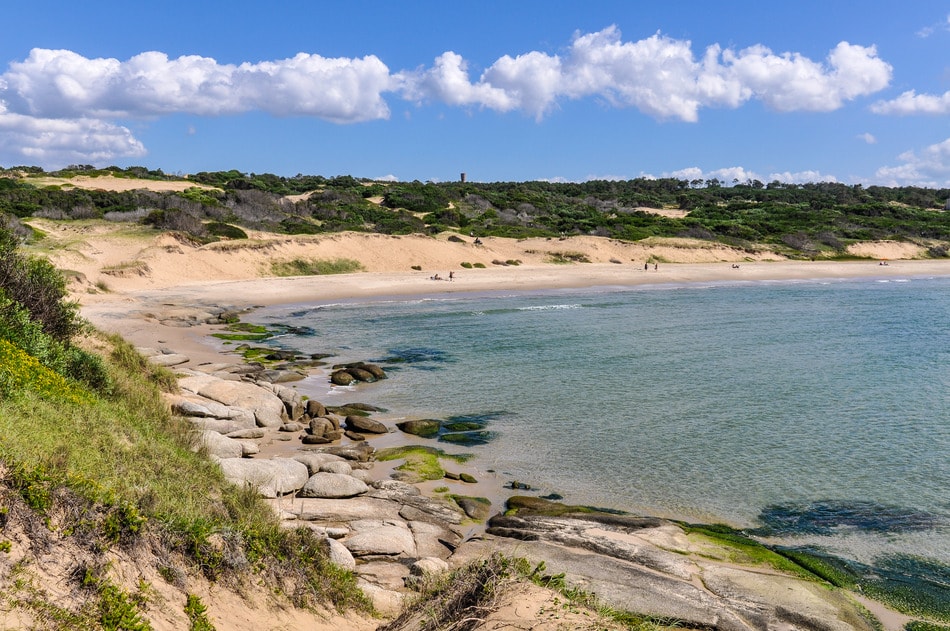
Uruguay gets overlooked. Sandwiched between Brazil and Argentina, most travellers rush through or skip it entirely. That’s a mistake. This small country has excellent beaches, some of the best beef in South America, and a relaxed atmosphere that’s disappeared from more touristy neighbours.
I spent a week here expecting filler between Buenos Aires and Brazil. I left wishing I’d planned longer.
Why Visit Uruguay
Uruguay is South America’s smallest Spanish-speaking country, but it punches above its weight. The beaches rival Brazil’s without the crowds. The beef matches Argentina’s. Montevideo has character without chaos. And the locals are genuinely welcoming without the hard sell you get elsewhere.
It’s also safe, stable, and easy to navigate – increasingly rare qualities in the region.
Main Destinations
Montevideo
The capital has a weathered charm. The Ciudad Vieja (Old Town) has colonial architecture, street art, and markets. It’s not polished like Buenos Aires, which is part of the appeal.
What to see:
- Plaza Independencia – Main square with the Artigas Mausoleum (Uruguay’s independence hero)
- Mercado del Puerto – Historic market building with grilled meat restaurants
- Teatro Solís – Beautiful 1850s theatre with tours and performances
- Rambla – Waterfront promenade stretching 22km along the coast
- Ciudad Vieja – Colonial streets, cafés, and weekend markets
Montevideo rewards walking. Spend 2-3 days exploring neighbourhoods rather than ticking off sights.
Punta del Este
Uruguay’s beach resort town. Glamorous in summer (December-February) when Argentines and Brazilians flood in. Expensive, flashy, and completely different from the rest of the country.
Good beaches, good restaurants, good nightlife – if you can afford it. Out of season it’s much quieter and cheaper.
Colonia del Sacramento
UNESCO-listed colonial town across the river from Buenos Aires. Day-trippers come by ferry, but staying overnight lets you see it without crowds. Cobblestone streets, Portuguese and Spanish colonial architecture, and good sunsets over the river.
Cabo Polonio
Remote beach village accessible only by 4×4 across sand dunes. No electricity grid (solar only), no roads, just beaches, sea lions, and a lighthouse. Attracts a hippie/backpacker crowd. Completely different Uruguay experience.
Punta del Diablo
Fishing village turned backpacker destination. More accessible than Cabo Polonio but similar laid-back vibe. Good surfing, fresh seafood, and rustic beach cabins.
The Food
Uruguayan food is simple but excellent. Beef dominates.
Must-Try Dishes
Asado – Uruguayan BBQ, cooked slowly over wood coals. A social event as much as a meal. Expect multiple cuts of beef, chorizo, morcilla (blood sausage), and hours of eating.
Chivito – The national sandwich. Steak, ham, mozzarella, bacon, egg, olives, and mayo in a bun. Sounds excessive because it is. Delicious.
Choripán – Grilled chorizo in bread with chimichurri. Street food staple.
Empanadas – Pastry pockets filled with meat, cheese, or vegetables.
Milanesa – Breaded and fried beef or chicken cutlet. Usually massive.
Pasta with Caruso sauce – Cream sauce with ham, mushrooms, and meat extract. Uniquely Uruguayan.
Drinks
Medio y Medio – Half white wine, half sparkling. Refreshing and popular in Montevideo.
Tannat – Uruguay’s signature red wine. Full-bodied, from Canelones and other wine regions.
Mate – The ubiquitous herbal drink. Uruguayans carry thermoses everywhere. You’ll see people drinking it on the street, at work, on the beach.
Practical Information
Getting There
Flights: Carrasco International Airport (MVD) near Montevideo. Connections from Buenos Aires, São Paulo, Santiago, and some US cities.
Ferry: Buquebus and Colonia Express run ferries between Buenos Aires and Colonia (1 hour) or Montevideo (2.5-3 hours). Popular route for combining Uruguay with Argentina.
Getting Around
Buses connect all major destinations. Comfortable and affordable. Montevideo to Punta del Este is about 2 hours; Montevideo to Colonia is 2.5 hours.
Car rental is straightforward if you want flexibility, especially for beach-hopping along the coast.
Money
Uruguayan peso (UYU). US dollars widely accepted in tourist areas. ATMs available. Credit cards work in cities and resorts.
When to Visit
Summer (December-February): Peak season. Beaches packed, prices highest, but best weather for coast.
Shoulder (March-April, November): Pleasant weather, fewer crowds. Good balance.
Winter (June-August): Cooler, quieter. Fine for Montevideo and wine regions.
Plug Type
Type C, F, and L plugs. 220V. Bring a universal adapter.
Sample Itinerary: One Week
Days 1-2: Montevideo – Ciudad Vieja, Mercado del Puerto, Rambla walks
Day 3: Day trip to Colonia del Sacramento
Days 4-5: Punta del Este or Punta del Diablo (depending on vibe you want)
Days 6-7: Beach time or Cabo Polonio side trip
Frequently Asked Questions
Do I need a visa to visit Uruguay?
UK, US, Canadian, EU, and Australian citizens do not need a visa for tourist visits up to 90 days. Your passport must be valid for the duration of your stay. No advance visa application is required.
What is the best time to visit Uruguay?
Summer (December to February) is peak season with best beach weather but highest prices and crowds. Shoulder seasons (March-April and November) offer pleasant weather and fewer crowds. Winter (June-August) is cooler and quieter but fine for visiting Montevideo and wine regions. The coast is best avoided in winter unless you enjoy empty beaches.
What currency is used in Uruguay?
The Uruguayan Peso (UYU), though US dollars are widely accepted in tourist areas. ATMs are available in cities and towns. Credit cards work in cities and beach resorts but carry cash for smaller establishments and rural areas.
What type of power plugs does Uruguay use?
Uruguay uses Type C, F, and L plugs (two round pins). Voltage is 220V. UK and US visitors need a travel adapter to charge devices.
Is Uruguay safe for tourists?
Uruguay is one of the safest countries in South America for tourists. It has a stable political system, low crime rates compared to neighbouring countries, and a welcoming attitude toward visitors. Normal travel precautions apply in cities – don’t flash valuables and be aware of your surroundings – but it is generally very safe.
How much does it cost to travel in Uruguay?
Uruguay is mid-range to expensive by South American standards. Budget accommodation starts around USD 20-30 per night for hostels. Mid-range hotels cost USD 60-100. Restaurant meals cost USD 10-20 for casual dining. Punta del Este is significantly more expensive, especially in peak season. Set lunches (menu del dia) offer good value at around USD 8-12.