Denmark Holidays: Copenhagen & Travel Guide
Denmark holidays offer Scandinavia distilled into manageable form. I spent a week cycling between Copenhagen’s canals, day-tripping to castles, and drinking some of the most expensive beer of my life. The country is small, flat, and beautifully designed – from the urban planning to the furniture to the pastries. Everything works, everything is expensive, and almost everyone speaks better English than you do.
What struck me most was how the Danes have figured out a way of living that balances efficiency with pleasure. The concept of hygge (roughly: cosy contentment) is overused in marketing but genuinely visible here – in candlelit cafes, in the reverence for good food, in the universal commitment to cycling even in freezing rain.
Copenhagen
The capital contains most of what visitors come for, and you could spend three days here without seeing everything worth seeing. The city is compact and flat, perfect for walking or cycling.
Nyhavn
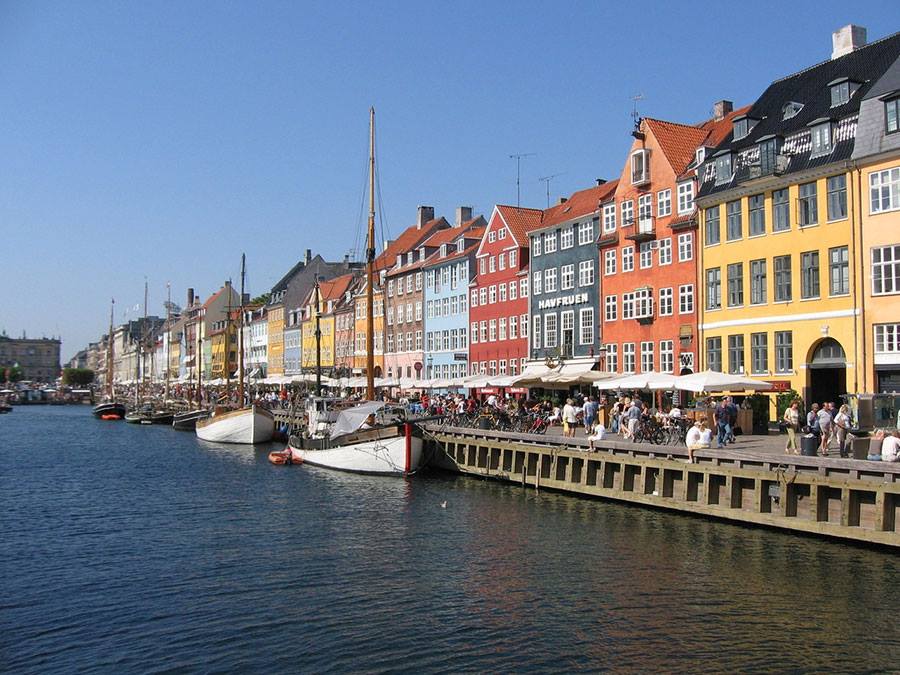
The postcard view of Copenhagen – 17th-century townhouses painted in bright colours, reflected in the harbour canal, with boats moored below. Yes, it is touristy. Yes, the restaurants are overpriced. Yes, you should still see it, preferably with a takeaway beer from a shop rather than paying harbour prices.
Hans Christian Andersen lived at three different addresses on this street. The houses at 18, 20, and 67 all have plaques.
Tivoli Gardens
The world’s second-oldest amusement park (after Dyrehavsbakken, also in Denmark) has operated since 1843. Walt Disney visited before building Disneyland and took inspiration. The rides are modest by modern standards, but the gardens, the lights, and the atmosphere are magical, especially at night.
The park opens mid-April to late September, plus Halloween and Christmas seasons. Entry DKK 155 (£18); rides are extra or buy an unlimited ride pass.
The Little Mermaid
Let me save you some disappointment: it is a small bronze statue on a rock. Crowds gather to photograph it; it takes perhaps five minutes to see. Worth passing if you are in the area, not worth a dedicated trip.
Christiansborg Palace
The seat of Danish Parliament, Supreme Court, and Prime Minister’s Office – all in one palace. You can tour the royal reception rooms, the ruins beneath (foundations of earlier castles), and the tower with 360-degree city views. The tower is free; other sections have separate tickets (DKK 95-175 / £11-20 each, or combined tickets available).
Freetown Christiania
A self-proclaimed autonomous neighbourhood established in 1971 on an abandoned military base. The history involves squatters, social experiments, and an ongoing complicated relationship with cannabis sales. The “Green Light District” on Pusher Street has a no-photos policy and can feel tense.
Beyond that, Christiania has quirky architecture, cafes, and art. Guided tours (DKK 60 / £7) provide context. Visit in daylight; be aware of your surroundings.
Museums
National Museum of Denmark – Danish history from Stone Age to present, including Viking artifacts and the Trundholm sun chariot. Free admission.
Louisiana Museum of Modern Art – 40 minutes north in Humlebaek, worth the trip. The building itself is beautiful, set in gardens overlooking the Oresund strait. The sculpture garden is as good as the indoor collection. DKK 145 (£17).
Ny Carlsberg Glyptotek – A sculpture museum funded by the Carlsberg brewery fortune. The winter garden atrium is worth seeing on its own. Free on Tuesdays; otherwise DKK 125 (£14.50).
Designmuseum Danmark – If Danish design interests you, this traces the history from chairs to silverware to Bang & Olufsen. DKK 135 (£15.50).
Aarhus
Denmark’s second city has a younger energy – it is a university town with less tourist pressure than Copenhagen. A day or two is enough for the main sights.
ARoS Aarhus Art Museum
The main attraction. The rainbow panorama on the roof – a circular walkway with coloured glass panels giving 360-degree city views through different colours – is the signature piece, designed by Olafur Eliasson. The art collection is strong. DKK 170 (£19.50).
Den Gamle By
An open-air museum with 75 historic buildings from across Denmark, reassembled here. It sounds dry; it is actually engaging, with costumed interpreters and period interiors. Allow half a day. DKK 180 (£21) in summer, less in winter.
Latin Quarter
The old town around the cathedral has cobbled streets, cafes, and independent shops. Good for wandering and coffee.
Beyond the Cities
Kronborg Castle
The setting of Hamlet, though Shakespeare never visited Denmark. The castle at Helsingor is impressive – a Renaissance fortress guarding the narrowest point of the Oresund strait. The interior is less remarkable than the setting.
About 45 minutes from Copenhagen by train. Entry DKK 150 (£17).
Roskilde
Two compelling reasons to visit: the Viking Ship Museum (five original Viking ships raised from the fjord, plus boat-building workshops) and the cathedral (burial place of Danish monarchs for centuries). The museum costs DKK 150 (£17); the cathedral DKK 60 (£7).
About 30 minutes from Copenhagen by train.
Bornholm
A Baltic island with beaches, round medieval churches, smoked fish, and a different pace. Good for cycling (the island is small and flat). Reach it by overnight ferry from Copenhagen or quick ferry from Ystad in Sweden. Worth two or three days if you have time.
Skagen
Denmark’s northernmost point, where the North Sea meets the Baltic. The light drew artists in the late 1800s; their works fill the Skagen Museum. The landscape is dramatic – sand dunes, beaches, and the meeting of two seas. Remote but rewarding.
Danish Food
Traditional
Smorrebrod – Open-faced sandwiches on dense rye bread (rugbrod), topped with combinations like pickled herring with onion, roast beef with remoulade, or egg with shrimp. Done properly, it is an art form. Aamanns in Copenhagen is famous; simpler versions from bakeries are cheaper and still good.
Frikadeller – Danish meatballs, typically pork, served with potatoes and red cabbage. Comfort food.
Stegt flask med persillesovs – Crispy fried pork belly with parsley sauce and potatoes. The national dish.
Wienerbrød – What the world calls Danish pastries. They are better here.
New Nordic
Copenhagen became a culinary destination when Noma made foraging and fermentation fashionable. The city now has numerous excellent restaurants at various price points applying Nordic principles to local ingredients. Reservations essential for the famous names; walk-ins possible for the next tier down.
Practical Information
Getting There
Copenhagen Airport (CPH) has direct flights from most European cities and several intercontinental routes. Budget carriers (Ryanair, easyJet) fly from the UK.
Getting Around
Trains – DSB operates efficient services between cities. Copenhagen to Aarhus takes about 3 hours. Book “Orange” tickets in advance for significant savings over walk-up fares.
Copenhagen transport – Metro, buses, and local trains use a zone-based system. A Rejsekort travel card works across all modes. Single tickets start DKK 24 (£2.80) for two zones.
Cycling – Denmark is flat and bike-friendly. Copenhagen has excellent infrastructure; bike rental is widely available. Many Danes cycle year-round regardless of weather.
Driving – Straightforward but unnecessary for most visitors. Bridges connect the main landmasses.
When to Visit
June to August – Warmest weather (15-22°C), longest days, outdoor life. Peak prices and crowds.
May and September – Shoulder season. Reasonable weather, fewer tourists.
December – Christmas markets, Tivoli decorated, and peak hygge season. Cold and expensive but atmospheric.
January to March – Cold, dark, and wet. Cheapest time to visit.
Costs
Denmark is expensive. Budget accordingly.
- Hostel dorm: DKK 250-350 (£29-40) per night
- Budget hotel: DKK 800-1,200 (£92-138) per night
- Mid-range hotel: DKK 1,200-1,800 (£138-207) per night
- Restaurant lunch: DKK 100-150 (£11.50-17)
- Restaurant dinner: DKK 250-400 (£29-46)
- Coffee: DKK 40-50 (£4.60-5.75)
- Beer at bar: DKK 50-70 (£5.75-8)
- Tivoli entry: DKK 155 (£18)
Saving money: Free museum days, supermarkets instead of restaurants, street food markets, Copenhagen Card (if you will use it heavily).
Visas
Denmark is in the Schengen Area. UK visitors can stay up to 90 days in any 180-day period (cumulative across all Schengen countries). Passport must be valid for at least three months beyond planned departure.
Language
Danish. Almost everyone speaks excellent English – you will rarely need Danish, though learning a few words is appreciated.
Practical Notes
Cashless society – Denmark runs almost entirely on cards. Many places do not accept cash.
Tipping – Not expected. Service is included in prices.
Cycling etiquette – Stay in bike lanes, signal turns, never walk in bike lanes. Cyclists will tell you if you get this wrong.
Power
Denmark uses Type C, E, and K plugs (two round pins). Voltage is 230V. UK visitors need a travel adapter.
Frequently Asked Questions
Do I need a visa to visit Denmark?
Denmark is in the Schengen Area. UK visitors can stay up to 90 days in any 180-day period without a visa. Your passport must be valid for at least three months beyond your planned departure. The 90-day limit is cumulative across all Schengen countries.
When is the best time to visit Denmark?
June to August offers the warmest weather (15-22°C), longest days, and outdoor life, though prices and crowds peak. May and September are shoulder months with reasonable weather and fewer tourists. December brings Christmas markets and peak hygge season but is cold and expensive.
What currency does Denmark use?
Denmark uses the Danish Krone (DKK), not the Euro. Denmark runs almost entirely on cards, and many places do not accept cash. Credit and debit cards are essential for your visit.
What type of power plugs does Denmark use?
Denmark uses Type C, E, and K plugs (two round pins). The voltage is 230V. UK visitors need a travel adapter, available at airports or electronics shops.
How much does it cost to visit Denmark?
Denmark is expensive. Budget DKK 250-350 for hostel dorms, DKK 100-150 for restaurant lunch, DKK 250-400 for dinner, and DKK 1,200-1,800 for mid-range hotels. Plan on at least DKK 600-800 per day for budget travel. Free museum days, supermarkets, and street food markets help reduce costs.
Is Denmark safe for tourists?
Denmark is very safe with low crime rates. Violent crime against tourists is rare. Use normal precautions in cities, watch belongings in crowded tourist areas like Nyhavn and Tivoli. Be cautious in Freetown Christiania, especially around Pusher Street, and visit during daylight hours.