Antalya Turkey: The Complete Travel Guide for UK Holidaymakers
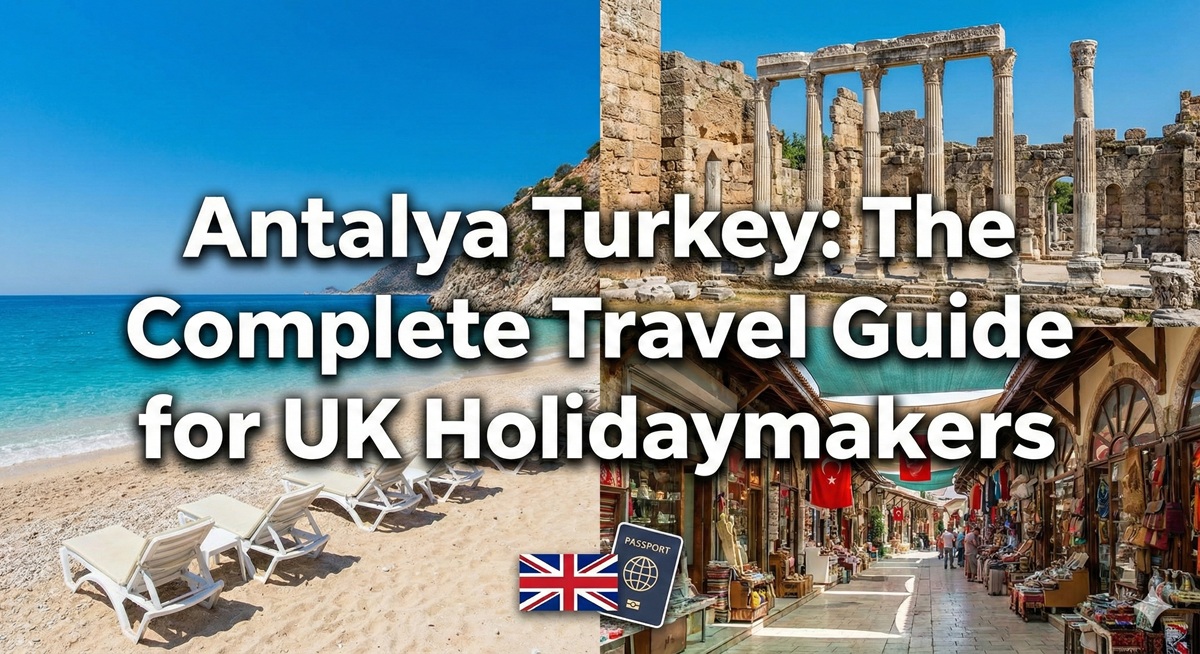
Antalya sits on Turkey’s southwestern Mediterranean coast, backed by the Taurus Mountains and fringed by some of the cleanest beaches in Europe. Around 3.5 hours from most UK airports, it offers the rare combination of genuine history, proper beaches, and costs that won’t make you wince. The old town of Kaleiçi alone is worth the flight — a tangle of Ottoman-era streets dropping down to a Roman harbour — but most visitors come for the coastline stretching east and west.
This guide covers everything you need to plan your trip, whether you’re after a week on a sunbed or something with a bit more to it.
Best Time to Visit Antalya
Antalya gets over 300 days of sunshine a year. The tourist season runs from April through October, but the sweet spots depend on what you’re after.
April–May and September–October are the best months for most people. Temperatures sit around 22–28°C, beaches are quieter, prices drop significantly, and the sea is warm enough for swimming — especially in autumn when it holds summer heat well into October.
June–August is peak season. Expect 35–40°C, packed beaches at Lara and Konyaaltı, and premium prices everywhere. Good if you want guaranteed heat and don’t mind crowds, though honestly the heat in July can be punishing if you’re not used to it.
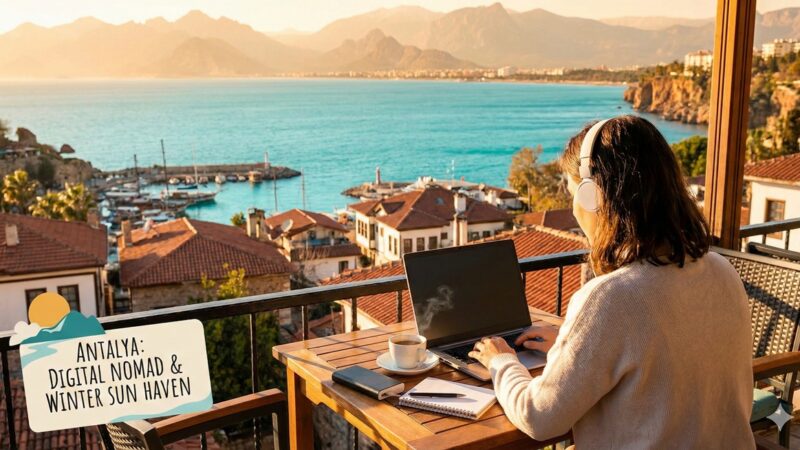
November–March brings mild winters (10–15°C) with occasional rain. The old town is peaceful, restaurants are uncrowded, and it’s popular with long-stay visitors and digital nomads. You can’t swim, but hiking in the Taurus Mountains is at its best.
Where to Stay: Antalya’s Main Areas
Antalya spreads along the coast, and where you base yourself changes the entire feel of your holiday.
Kaleiçi (Old Town)
The historic heart of the city. Boutique hotels occupy restored Ottoman houses, there are rooftop restaurants on every other street, and the old harbour is a ten-minute walk from most places. Best for couples, first-timers, and anyone who wants to walk everywhere and actually see something. There’s no beach directly in the old town — you’ll need a short taxi or walk to reach the water.
Lara Beach
The resort strip east of the centre, where the big all-inclusive hotels line up along a wide sandy beach. Family territory — waterparks, kids’ clubs, buffet dinners. Think Antalya’s answer to the Spanish costas, but with better food and half the price.
Konyaaltı
West of the centre, a long pebble beach backed by the mountains. More local in feel, slightly cheaper, with a good restaurant scene along the seafront. Popular with younger travellers and people who want city access without the full resort experience.
Belek
About 30 minutes east. Golf resort territory — manicured courses, luxury hotels, quieter beaches. You pay more, but the quality is noticeably higher.
Read our Lara Beach vs Konyaaltı comparison to decide which beach area suits you.
Getting to Antalya from the UK
Antalya Airport (AYT) is one of the busiest in Turkey, with direct flights from most major UK airports.
Direct flights run from London (Gatwick, Stansted, Luton), Manchester, Birmingham, Edinburgh, Bristol, and several regional airports. Flight time is roughly 4 hours.
Airlines on the route include easyJet, Jet2, TUI, Pegasus, SunExpress, and Turkish Airlines. Budget carriers tend to offer the best deals outside school holidays.
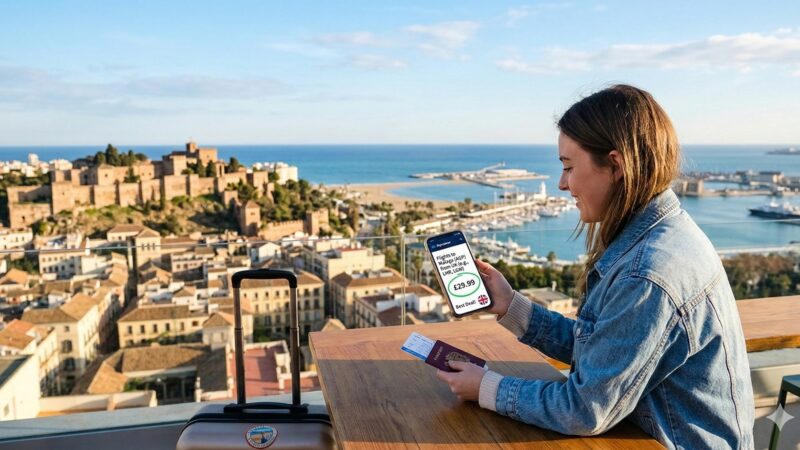
The cheapest months to fly are March, April, and November — returns under £100 are achievable if you book 6–8 weeks ahead.
For the airport to city journey: the Havaş bus runs every 30 minutes to the city centre (about £3), or budget roughly £25–35 for a private transfer. The tram connects to Konyaaltı from the main bus station, and Lara Beach resorts usually include transfers in the package price. See our full guide on getting from Antalya airport to the city centre.
Getting Around Antalya
You don’t necessarily need a car, but it depends on your plans.
Within the city: The Antray tram covers the main corridor between Konyaaltı and the Antalya Museum, passing through the city centre. It’s cheap and reliable. Buses cover everything else — pick up an AntalyaKart (contactless travel card) at any tram stop to use both.
Taxis: Affordable by UK standards. Always insist on the meter. A ride across the city centre might cost £3–5.
Car hire: Worth it if you want to explore the coast or visit ancient sites like Perge, Aspendos, or Termessos. Roads are good; driving is spirited. Book at the airport for the best rates.
Day trips: Organised excursions run to Pamukkale, Cappadocia (a long day but doable), and along the coast. Local dolmuş (shared minibuses) connect smaller towns cheaply.
Beaches
Antalya’s coastline splits broadly into two types.
Sandy beaches: Lara Beach is the main one, stretching for kilometres with a mix of public sections and hotel-fronted stretches. Patara (further west) is wilder and far less developed.
Pebble beaches: Konyaaltı Beach is the main city beach — clean, backed by cafés, with strikingly clear water. The pebble base keeps it that way.
Worth the extra effort: Kaputaş Beach is a turquoise cove accessed by steps cut into the cliff face. Mermerli Beach is tiny and sits inside the old town walls. Çıralı is quiet, backed by the ruins of Olympos, and gets far fewer visitors than it deserves.
For a detailed breakdown, read Lara Beach vs Konyaaltı Beach.
Things to Do in Antalya
The Old Town (Kaleiçi)
Wander the narrow streets, visit Hadrian’s Gate (a 2nd-century Roman triumphal arch still standing in the middle of the modern city), and walk down to the old harbour. The Yivli Minare (Fluted Minaret) is the city’s main landmark — you’ll see it from most of the old town.
Düden Waterfalls
There are two separate falls. Upper Düden is inland — you can walk behind the cascade. Lower Düden is the dramatic one: water pouring directly off a cliff into the sea. Both are free or very close to it.
Ancient Cities
Perge, Aspendos (home to one of the best-preserved Roman theatres in the world), Side, and Termessos (high in the mountains, rarely crowded) are all within day-trip distance. If you only visit one, make it Aspendos.
Antalya Museum
One of Turkey’s best archaeological museums. The Roman-era statuary collection is genuinely impressive — not in a we-have-to-say-that way, but because the pieces are enormous and in surprisingly good condition.
Boat Trips
Harbour cruises depart daily from the old port, with full-day trips along the coast and swimming stops. Budget options run from about £15–20 per person.
See our guide to the best day trips and excursions from Antalya, and find out what to do when it rains.
Food and Drink
The food in Antalya is a lot better than the all-inclusive brochures would have you believe.
Things worth trying: Piyaz is the local white bean salad — an Antalya speciality that appears on almost every menu. Tandır kebab, fresh fish meze along the harbour, Künefe (hot cheese pastry with syrup, best eaten warm at a street stall), and Turkish breakfast, which is less a meal and more a two-hour event you’ll want to budget time for.
Where to eat: the old town has atmospheric restaurants but watch for tourist-trap pricing on the main drag. The backstreets of Konyaaltı and the neighbourhoods behind Lara offer better value and more honest food. Ask hotel staff where they eat — that usually leads somewhere worthwhile.
Alcohol is available everywhere in tourist areas. Local Efes beer and Turkish wine are affordable. Rakı (an anise spirit) is the national drink, served with cold meze — if someone offers it to you, say yes.
Turkish tea is offered constantly and often free. Turkish coffee is thicker and stronger than espresso. Both are part of daily life, and refusing is mildly confusing to locals.
Costs and Budget
Antalya is significantly cheaper than equivalent Mediterranean destinations in Spain, France, or Italy.
Rough daily budget (per person):
- Budget: £30–50 (hostel or basic hotel, local restaurants, public transport)
- Mid-range: £60–100 (3-star hotel, mix of restaurants, some excursions)
- Comfort: £120–200 (boutique hotel or a decent all-inclusive, car hire, activities)
Restaurant meals typically run 50–70% less than UK equivalents. A proper sit-down lunch with drinks might cost £8–12. Supermarket prices are very low. Transport is cheap.
Worth watching: tourist-trap restaurants on the main old town strip charge London prices for ordinary food. Transfer services at the airport are consistently overpriced unless booked in advance. Shopping in the bazaars involves haggling — treat first prices as an opening offer.
For detailed tips, read how to travel Antalya on a tight budget.
Safety and Practical Info
Antalya is generally very safe for tourists. Petty crime exists but is no worse than any popular European resort, and violent crime against tourists is rare. Read our full Antalya safety guide for detailed advice.
Health: Tap water is technically safe but most locals drink bottled or filtered. Pharmacies are well-stocked and pharmacists often speak English. EU health cards aren’t valid here, so travel insurance is essential.
Visa: UK citizens need an e-Visa, bought online before travel. It costs about £30, covers multiple entries, and is valid for 90 days in any 180-day period. Takes a few minutes to process.
Currency: Turkish Lira (TRY). It fluctuates significantly against the pound — check rates before you go. Card payments are widely accepted, but carry cash for smaller shops, taxis, and markets.
Language: Turkish, but English is widely spoken in tourist areas. A few Turkish phrases get a disproportionately warm response.
Dress code: Liberal in resort areas. Cover shoulders and knees for mosque visits. Kaleiçi is relaxed.
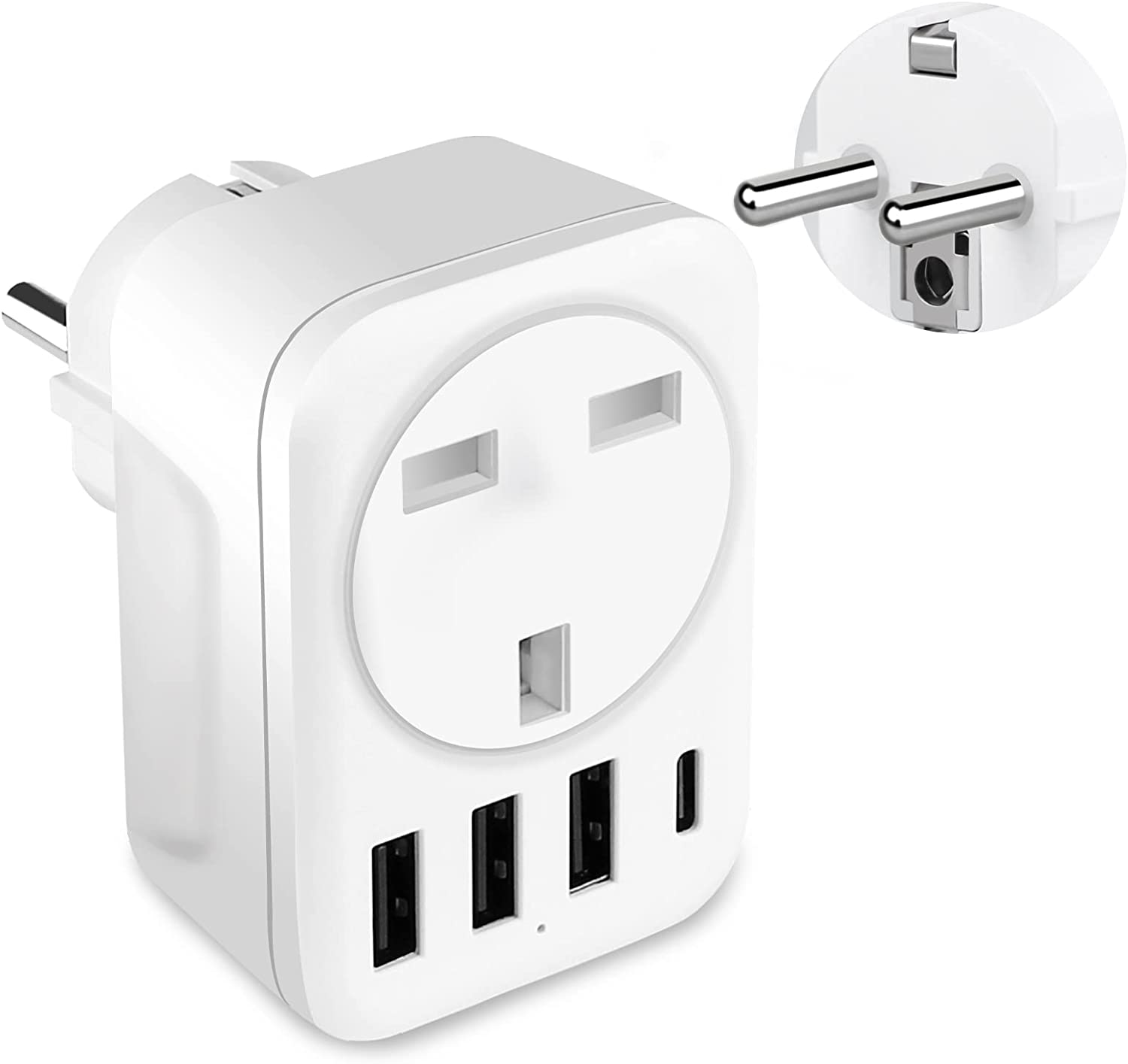
Plugs and power: Turkey uses Type F sockets at 230V, so UK three-pin plugs don’t fit and you’ll need an adapter. Our Turkey plug type guide covers which adapter to buy and why the cheap two-pin ones sit loose in Turkish sockets.
Frequently asked questions
How many days do you need in Antalya?
A minimum of 5 days gives you time for the beaches, old town, and one or two excursions. A week is ideal, and 10 days lets you explore the wider coastline properly.
Is Antalya good for families?
Very much so, especially the Lara Beach resort area. Kids’ clubs, waterparks, and shallow sandy beaches are standard at the larger hotels. The city itself is pushchair-friendly in the newer areas, though the old town’s cobbled streets are a challenge.
Can you drink alcohol in Antalya?
Yes, widely available in restaurants, bars, and supermarkets throughout the tourist areas.
Is Antalya better than Bodrum?
Different places for different trips. Antalya has bigger resort infrastructure, sandier beaches, and more historical sites. Bodrum is more boutique, with a stronger nightlife scene and something of a Greek island feel. Antalya tends to suit families and first-time Turkey visitors better; Bodrum works well for couples and repeat visitors. Read our full Antalya vs Bodrum comparison.