Best Scuba Diving Destinations: Where to Dive
I got my PADI certification in Thailand because the water was warm and the courses were cheap. I’ve since dived in Egypt, Indonesia, and the Caribbean, and each destination offered something completely different – from swimming through shoals of fish so dense they blocked out the sun, to drifting past coral walls that dropped into darkness below. What makes a great dive destination depends on what you want: big marine life, colourful reefs, wrecks, easy conditions for beginners, or challenging dives for experienced divers. Here are the destinations that keep appearing on every diver’s bucket list.
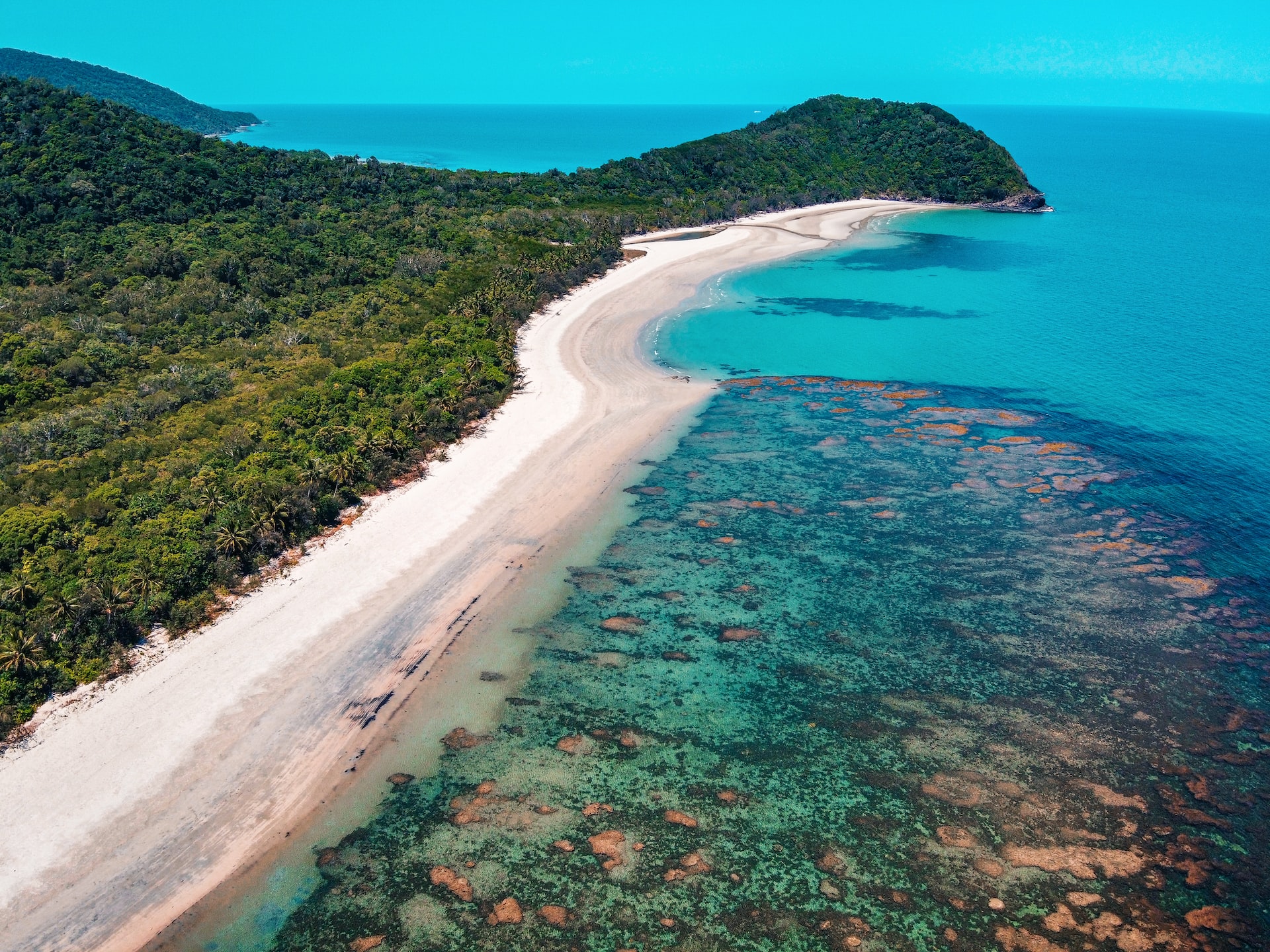
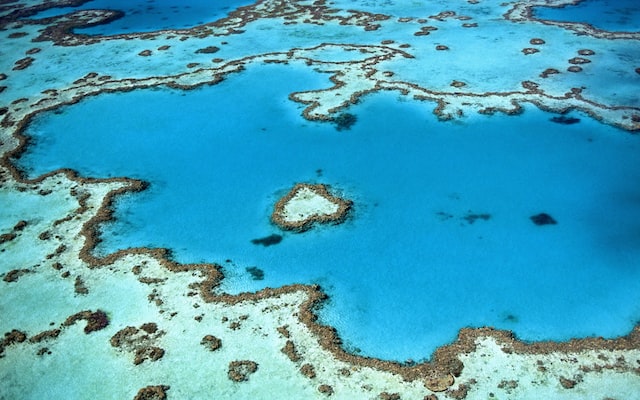
The Great Barrier Reef, Australia
The world’s largest coral reef system stretches over 2,300 kilometres along Australia’s Queensland coast. It’s home to over 1,500 species of fish, 400 types of coral, and marine life ranging from tiny nudibranchs to whale sharks.
Best for: First-time reef divers, variety of marine life, bucket-list experience
What you’ll see: Clownfish, reef sharks, sea turtles, manta rays (seasonal), giant clams, parrotfish, and endless coral formations.
When to go: June to October offers the best visibility (up to 30 metres) and calmer seas. November to May is warmer but brings jellyfish and occasional cyclones.
Dive sites:
- Cod Hole: Famous for friendly potato cod that approach divers
- Osprey Reef: Remote site with pelagics and shark encounters
- SS Yongala: One of the world’s best wreck dives, encrusted with coral and surrounded by marine life
Practicalities: Fly into Cairns. Liveaboards reach the best outer reef sites; day trips are cheaper but more crowded. Budget AUD $250-350 for a two-dive day trip, AUD $1,500+ for a multi-day liveaboard.
Sipadan Island, Malaysia
A small island off Borneo that routinely appears in “world’s best dive site” lists. The island sits atop an extinct volcanic cone, with walls dropping 600 metres straight down. The marine life here is extraordinary.
Best for: Experienced divers, big marine life, wall diving
What you’ll see: Massive schools of barracuda and jackfish, white-tip reef sharks, hawksbill and green turtles (in numbers you won’t see elsewhere), bumphead parrotfish, and occasional hammerheads.
When to go: April to December for the best conditions. July to September is peak turtle nesting season.
The catch: Only 120 dive permits are issued per day to protect the reef. Book months in advance through a licensed resort. You can’t stay on Sipadan itself; divers stay on nearby Mabul or Kapalai.
Dive sites:
- Barracuda Point: Wall dive with tornado-like formations of barracuda
- Turtle Cavern: Underwater cave (experienced divers only) where sea turtles rest
- South Point: Strong currents but reliable shark and turtle encounters
The Red Sea, Egypt
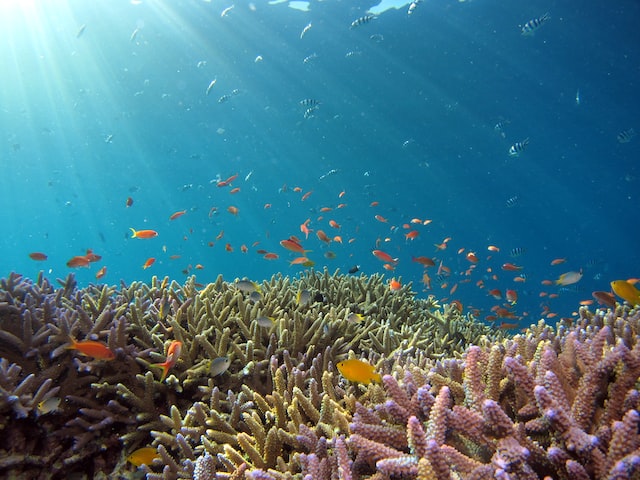
Warm water, excellent visibility, and world-class wrecks make Egypt’s Red Sea coast one of the most popular dive destinations for European divers. Sharm el-Sheikh and Hurghada are the main hubs; Marsa Alam offers quieter diving to the south.
Best for: Wreck diving, affordable liveaboards, beginners and experienced divers alike
What you’ll see: Colourful reef fish, moray eels, dolphins, dugongs (Marsa Alam), and the famous wrecks.
When to go: Year-round destination. March to May and September to November have comfortable temperatures. Summer is hot (40°C+) but water is warm. Winter brings cooler water and potential thermoclines.
Must-dive sites:
- SS Thistlegorm: British WWII cargo ship sunk in 1941, now one of the world’s most famous wrecks. Motorcycles, trucks, and railway carriages in the hold.
- Ras Mohammed: National park with stunning wall dives and shark encounters
- The Brothers: Remote islands with hammerhead sharks (liveaboard only)
- Elphinstone Reef: Oceanic white-tips and schooling hammerheads
Practicalities: Cheap flights from Europe. A week-long liveaboard costs £600-1,200 depending on the boat and itinerary. Shore-based diving is cheaper but more limited.
Cozumel, Mexico
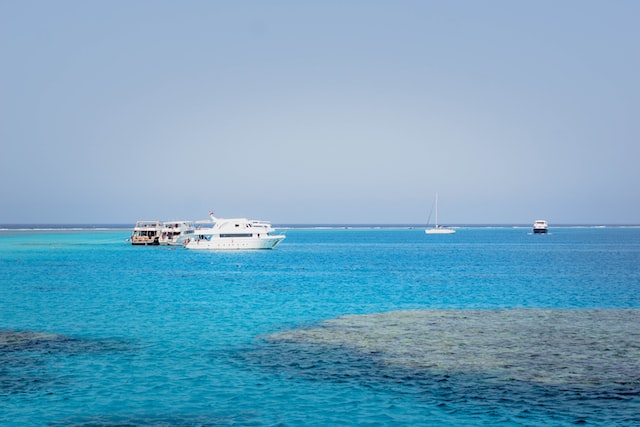
An island off the Yucatan Peninsula known for drift diving – you let the current carry you along the reef while marine life drifts past. The water is warm, visibility regularly exceeds 30 metres, and the diving is suitable for all levels.
Best for: Drift diving, easy diving, beginners, combining with Cancun or Playa del Carmen
What you’ll see: Nurse sharks, eagle rays, sea turtles, splendid toadfish (endemic to Cozumel), colourful sponges, and abundant reef fish.
When to go: Year-round, but December to April has the best visibility and calmest conditions. Hurricane season runs June to November.
Dive sites:
- Palancar Reef: Series of sites with swim-throughs, caverns, and towering coral formations
- Santa Rosa Wall: Deep wall dive with sponges and black coral
- Columbia Reef: Shallow section for beginners, deeper section with caverns for experienced divers
Practicalities: Fly into Cancun, then ferry to Cozumel (45 minutes). Two-tank dives cost around $80-100 USD. The island is small and relaxed – good for a dive-focused trip without big resort atmosphere.
The Maldives
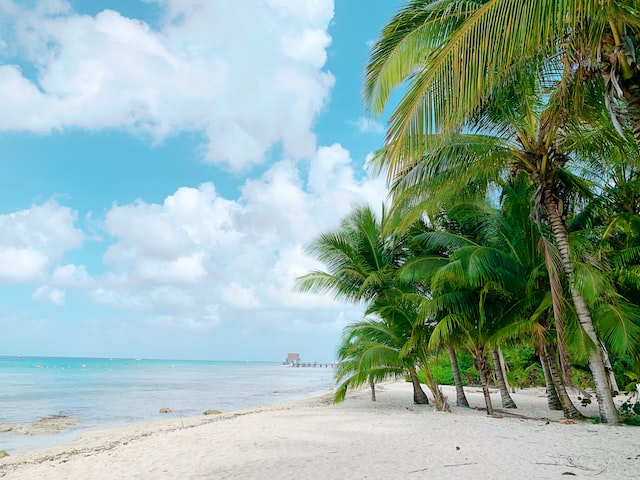
An archipelago of 26 atolls in the Indian Ocean, the Maldives offers crystal-clear water, manta rays, whale sharks, and some of the healthiest coral in the world. It’s not cheap, but the diving is exceptional.
Best for: Manta rays, whale sharks, luxury liveaboards, channel diving
What you’ll see: Manta rays (at cleaning stations), whale sharks (especially South Ari Atoll), reef sharks, turtles, and vibrant hard coral.
When to go: Year-round, but different seasons offer different experiences:
- January to April: Best visibility (30m+), manta rays on the east side
- May to November: Wet season, manta rays on the west side, whale sharks at South Ari Atoll
Dive sites:
- Hanifaru Bay: Manta feeding aggregation (snorkelling only; diving not permitted)
- Fish Head: Cleaning station with grey reef sharks
- Manta Point: Reliable manta encounters at cleaning stations
- Kandooma Thila: Channel dive with grey reef sharks and eagle rays
Practicalities: Budget resorts exist but most diving is done from liveaboards or resort dive centres. A week on a liveaboard costs $2,000-4,000+ depending on the boat. Resort diving is cheaper but limits which sites you can reach.
Raja Ampat, Indonesia
Remote islands in West Papua with the highest marine biodiversity on the planet. Surveys have recorded over 1,500 fish species and 500 coral species. This is where serious divers go to see things they can’t see anywhere else.
Best for: Biodiversity, experienced divers, muck diving, macro photography
What you’ll see: Walking sharks (epaulette sharks), wobbegong sharks, pygmy seahorses, manta rays, schooling fish in impossible numbers, and coral coverage that makes other reefs look sparse.
When to go: October to April for calmer seas and manta season. June to September has rougher conditions but fewer crowds.
The catch: Getting here is expensive and time-consuming. Fly to Sorong, then liveaboard or local boat to the dive sites. Limited infrastructure means limited visitor numbers – which is why the reefs are so healthy.
Practicalities: Liveaboards run $3,000-5,000+ for 7-10 days. Some homestays and dive resorts offer cheaper options but with less site access. Marine park fees apply (around $100-150 for foreign visitors).
Thailand
Thailand won’t make every “world’s best” list, but it’s where thousands of divers get certified every year – for good reason. Warm water, cheap courses, easy logistics, and decent diving make it ideal for beginners. The Similan Islands offer more serious diving for those who want it.
Best for: Getting certified, budget diving, combining with a holiday
Where to dive:
- Koh Tao: Cheap PADI courses (from £200), calm conditions, beginner-friendly sites. Whale sharks occasionally appear.
- Similan Islands: National park with better visibility, manta rays, and leopard sharks. Liveaboards run November to May.
- Richelieu Rock: Possibly Thailand’s best dive site. Whale sharks, schooling barracuda, and seahorses. Liveaboard access only.
When to go: November to April for west coast (Similans). Gulf islands (Koh Tao) dive year-round but are best from February to September.
Choosing Your Destination
If you’re getting certified: Thailand (Koh Tao) or Honduras (Utila) for budget; Egypt or Cozumel for warmer water and easy conditions.
If you want big marine life: Sipadan, Maldives, or Galápagos.
If you want wrecks: Egypt (SS Thistlegorm), Truk Lagoon (Micronesia), or Coron (Philippines).
If you want biodiversity: Raja Ampat or the Coral Triangle generally.
If you want easy logistics: Red Sea from Europe, Caribbean from the US.
The best dive destination is ultimately whichever one you’ll actually go to. I’ve met divers who spent years planning the “perfect” trip while colleagues who just booked a cheap week in Egypt came back with stories that made me jealous. Get in the water. The rest follows.
Frequently Asked Questions
What is the best place in the world to go scuba diving?
There is no single “best” place as it depends on what you want. Sipadan (Malaysia) and the Maldives offer big marine life, the Red Sea (Egypt) is best for wrecks, Raja Ampat (Indonesia) has the highest biodiversity, and the Great Barrier Reef (Australia) provides a bucket-list reef experience.
Where should I get my diving certification?
Thailand (Koh Tao) and Honduras (Utila) offer budget certifications from around £200. Egypt and Cozumel (Mexico) provide warmer water and easier conditions at slightly higher prices. All are suitable for beginners.
When is the best time to dive the Great Barrier Reef?
June to October offers the best visibility (up to 30 metres) and calmer seas. November to May is warmer but brings jellyfish and occasional cyclones. Diving is possible year-round but dry season conditions are significantly better.
How much does a Red Sea liveaboard cost?
A week-long Red Sea liveaboard costs £600-1,200 depending on the boat quality and itinerary. This typically includes accommodation, meals, diving, and equipment. Shore-based diving is cheaper but more limited in site access.
What can I see diving in the Maldives?
The Maldives is famous for manta rays (at cleaning stations), whale sharks (especially South Ari Atoll), reef sharks, turtles, and vibrant hard coral. Different seasons offer different experiences, with mantas moving between east and west sides.
Is Cozumel good for beginner divers?
Yes, Cozumel is excellent for beginners. The drift diving is easy (currents carry you along the reef), visibility regularly exceeds 30 metres, water is warm, and conditions are suitable for all levels. Two-tank dives cost around $80-100 USD.